UX Research ● Spatial Design ● Transdisciplinary Research
Can the community dynamism of the urban village be transposed into a new urban typology?
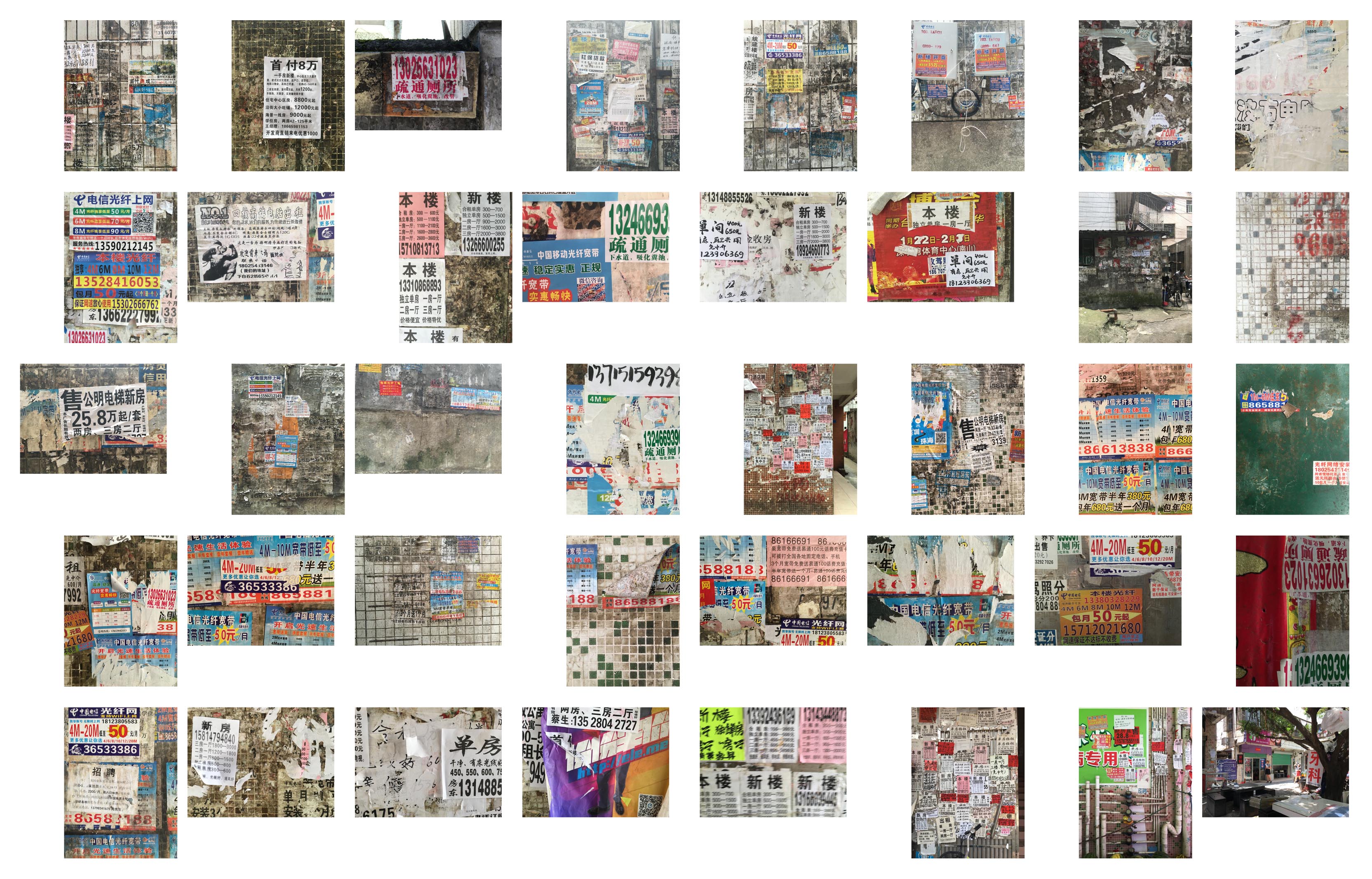
The state of housing around the world has been, for decades, a critical topic of discussion. Housing is a basic human necessity. With growing awareness of the gross inequalities created by neoliberal economies, significant attention has been placed recently on the housing conditions of those less privileged and marginalized. Cities, as centers for economic production, continue to attract immense quantities of new inhabitants, many from less populated and rural areas. Often poor and unskilled, these new urban inhabitants often find accommodations in cheap informal settlements, constructed without basic infrastructures and of makeshift building methods. At the same time, many of these cities are experiencing huge increases in private investment in high-end real estate and housing development, creating even more disparity between the inhabitants. Unfortunately, many of the current discussions and debates are limited by more traditional and quantifiable definitions of informality and inequality.
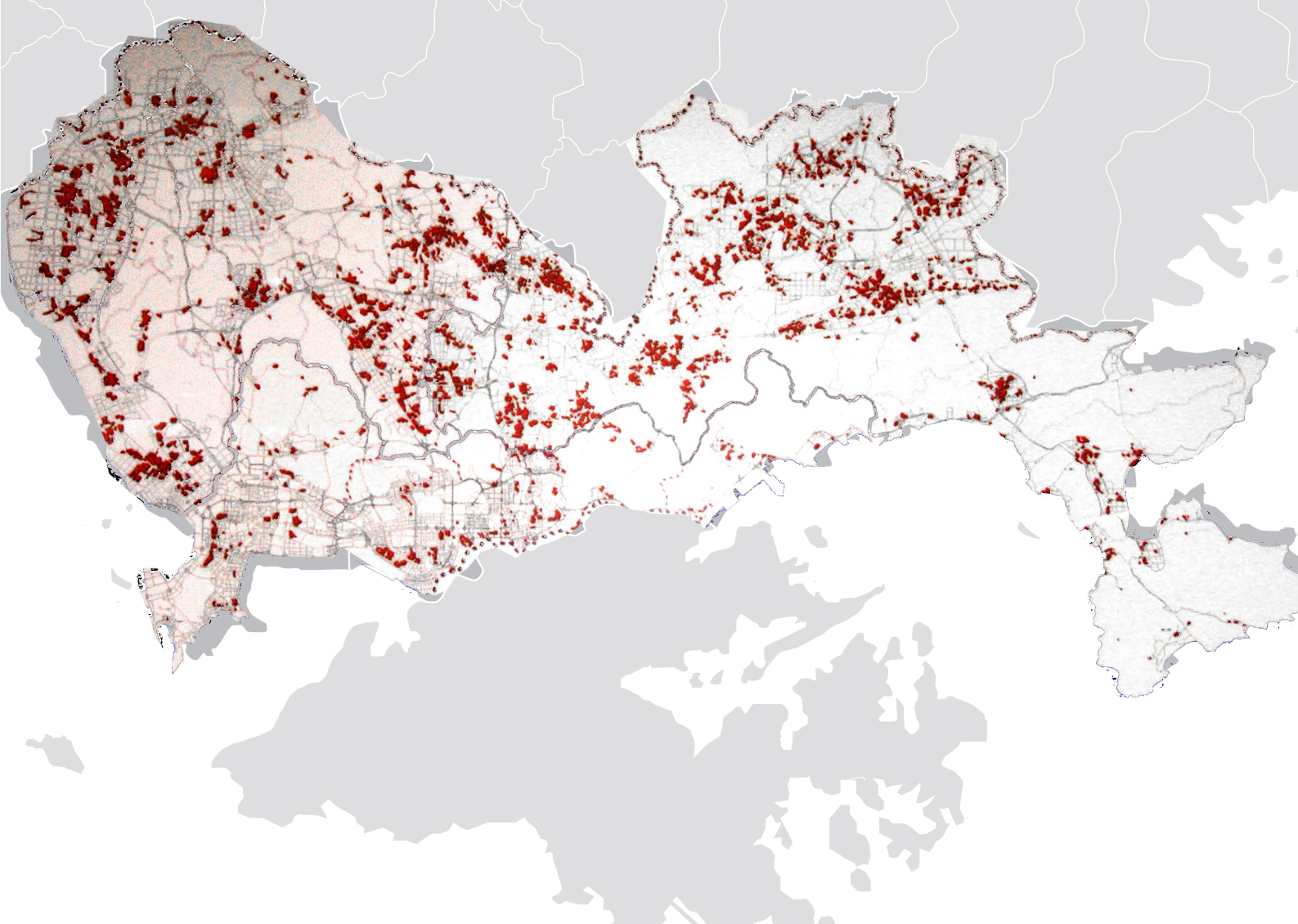
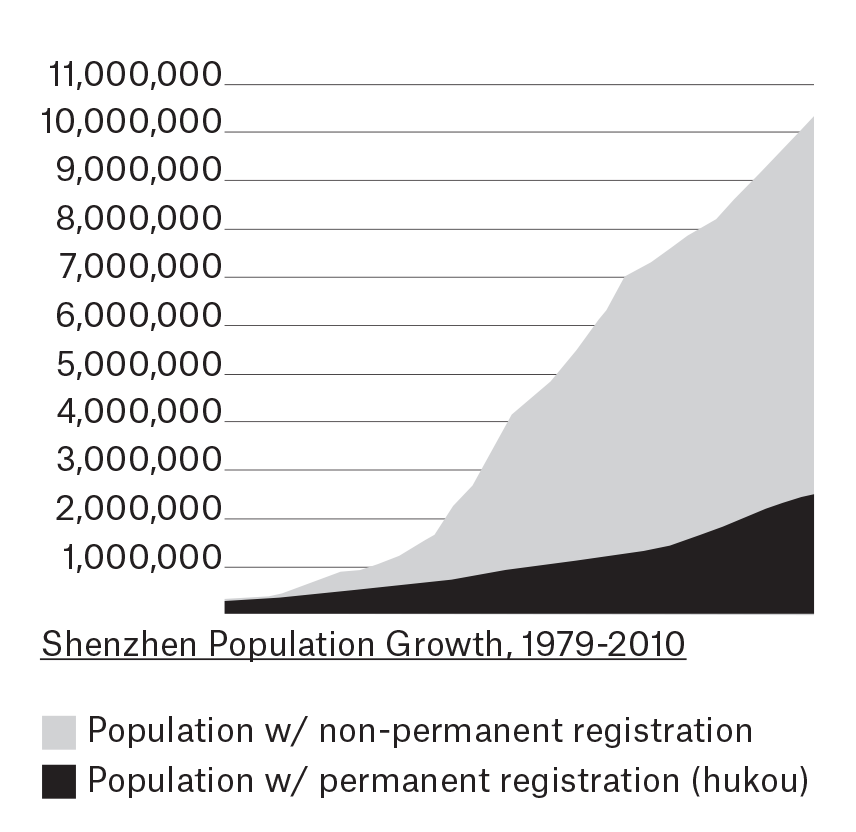
The workshop will take on the question of Housing the Majority through the intense study and observation of Shenzhen’s urban villages, or chengzhongcun, which literally translates to “villages within the city.” Since the establishment of the Special Economic Zone in 1980 and the introduction of market-based capitalism, Shenzhen’s population has increased from 30,000 people to over 10 million. In the process, agricultural villages have become embedded within the rapid urban growth, constituting what Jonathan Bach has referred to as an “exception within an exception.”
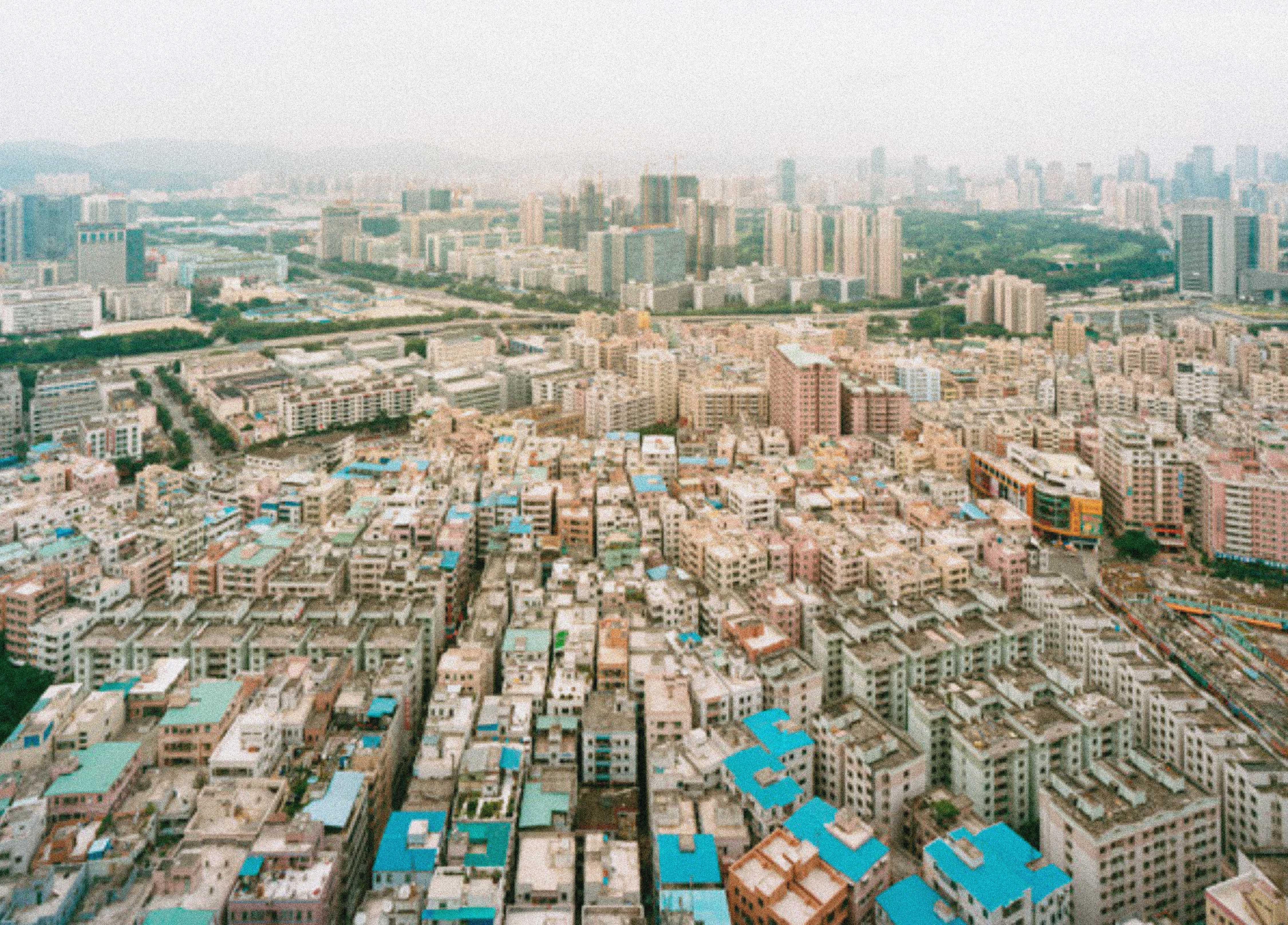
These urban villages, defined by different land ownership structures and a lack of urban zoning regulations, often consist of six- to ten-story buildings separated by minimal distances to achieve very high densities. Urban villages have grown with the influx of migrants from different provinces all over China. For numerous reasons, but also due to China’s population registration system, or hukou, which distinguishes between rural and urban residents, the urban villages have often been the most desirable housing option available to migrants. In the process, the original inhabitants and farmers of the villages, collectively organized, have become landlords and developers. Although the real estate of housing is the primary economic motive for the development and densification of many urban villages, in some cases, closely knit and specialized economies and networks of knowledge have emerged. Despite the widespread removal of many urban villages, due to a lack of alternative affordable housing options, a significant amount of Shenzhen’s urban villages persist.
Baishizhou is located in Nanshan District, and five indigenous, adjacent villages form Baishizhou Village as an administrative unit. The village history can be traced back 200 years, when five families with the surname Wu moved to the area from Gongmingshijia Village to set up a fishing village. In 1959 Baishizhou-OCT Farm Commune was created to manage the production and everyday life of the whole area. Under this socialist system, all villagers received a salary from the commune for farming. Their average monthly salary was 19.17 RMB at that time. In 1979, echoing the Open and Reform policy, the Baishizhou-OCT Farm transformed from a socialist commune into a company. In the past few years, two important things have happened. First, OCT separated from Baishizhou and eventually became a real estate developer to develop all the farmland of the village. Second, Baishizhou company was nationalized by the government. The villagers stated in a documentary that they did not receive any compensation from the nationalization and entrepreneuralization process of their farmland, and eventually, they all even lost their jobs as farmers.
Currently, the village is one of the biggest scale urban regeneration project in Shenzhen, aiming at constructing more than 5 million square meter of commercial, office, and residential space to host 120,000 people to live and work here. The collaboration between village holding company and LVGEM (a local Shenzhen privately owned developer) have been negotiating in the last decade. The south part of the village will be renovated and the north part of that will be demolished for reconstruction.
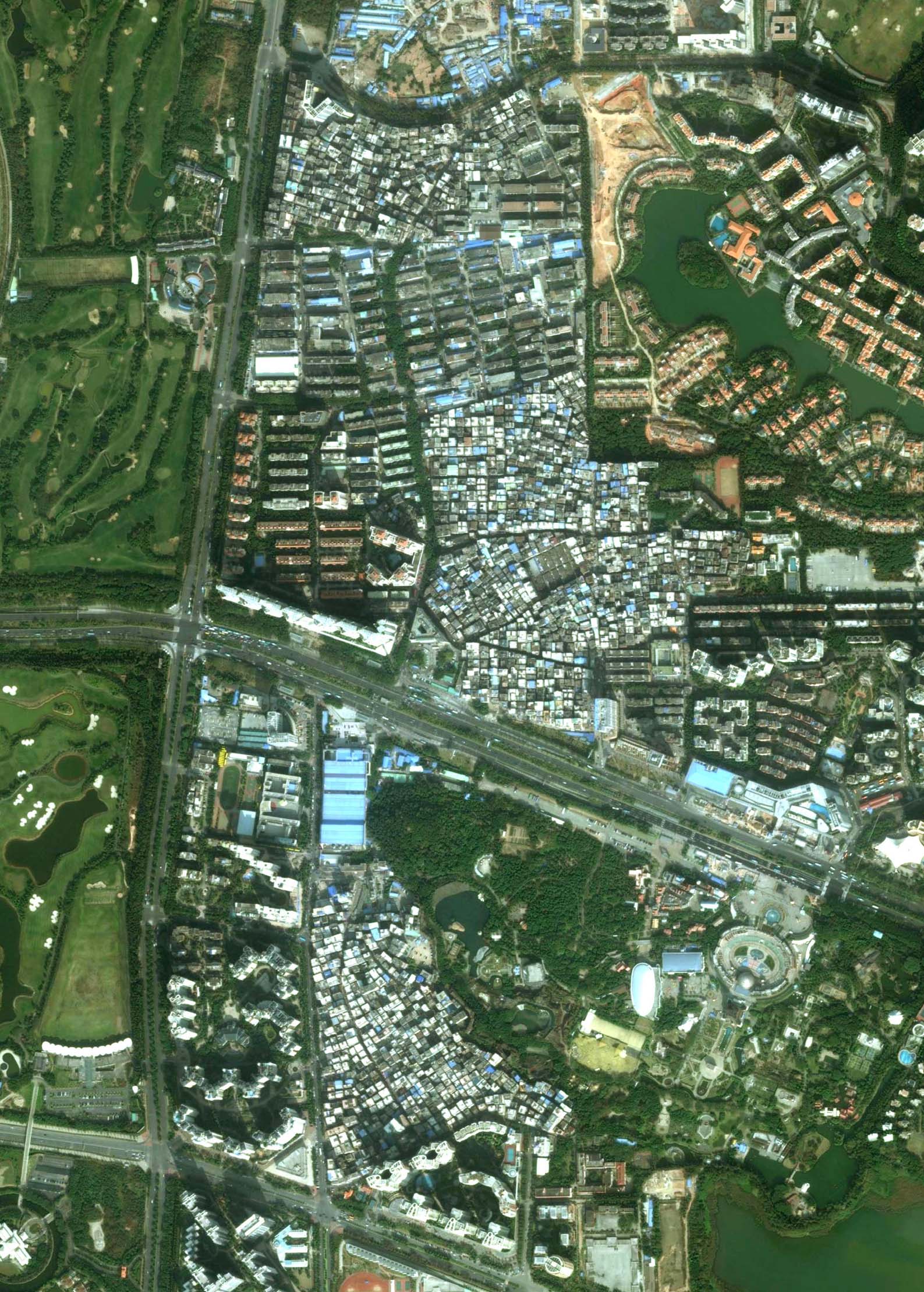
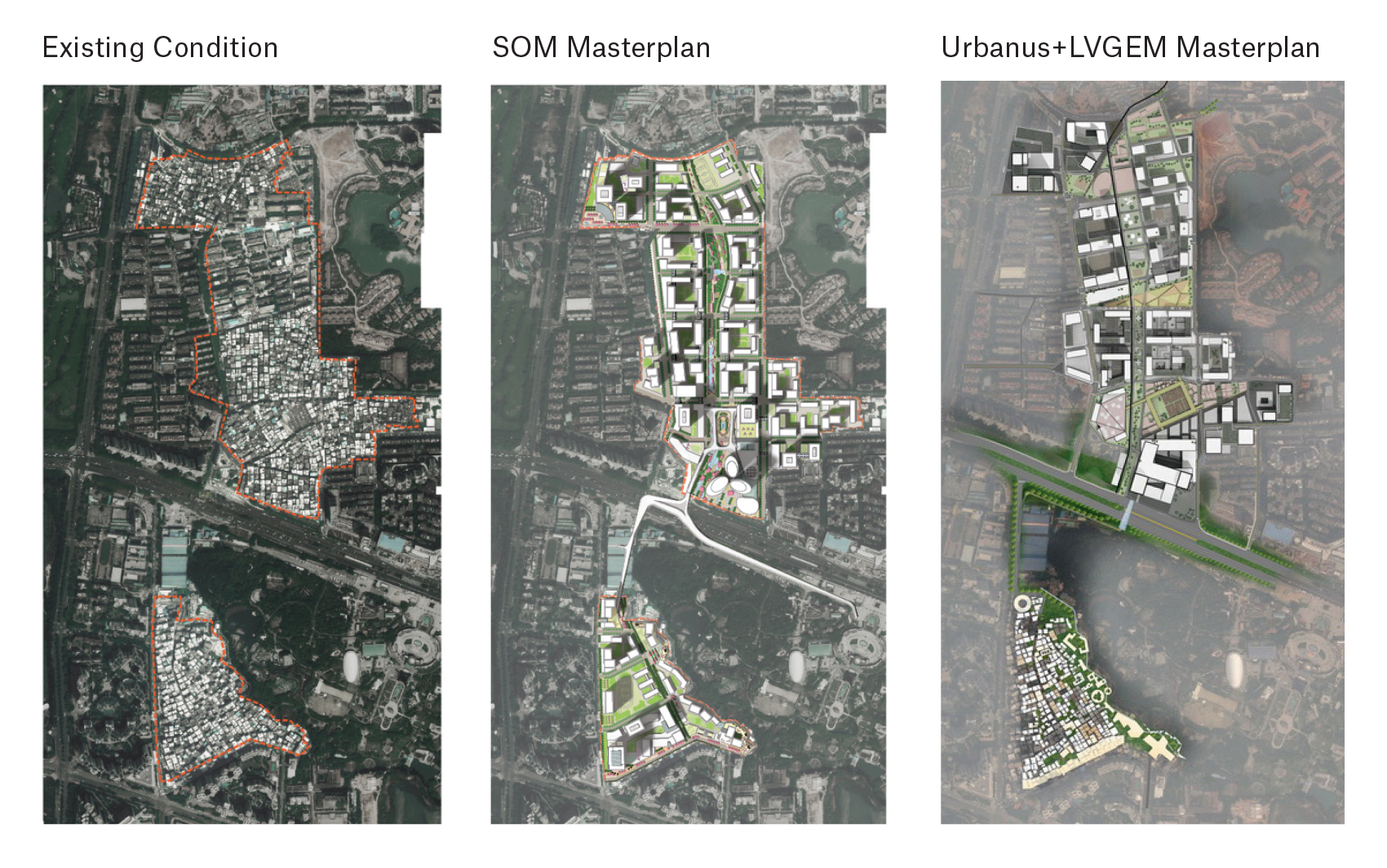
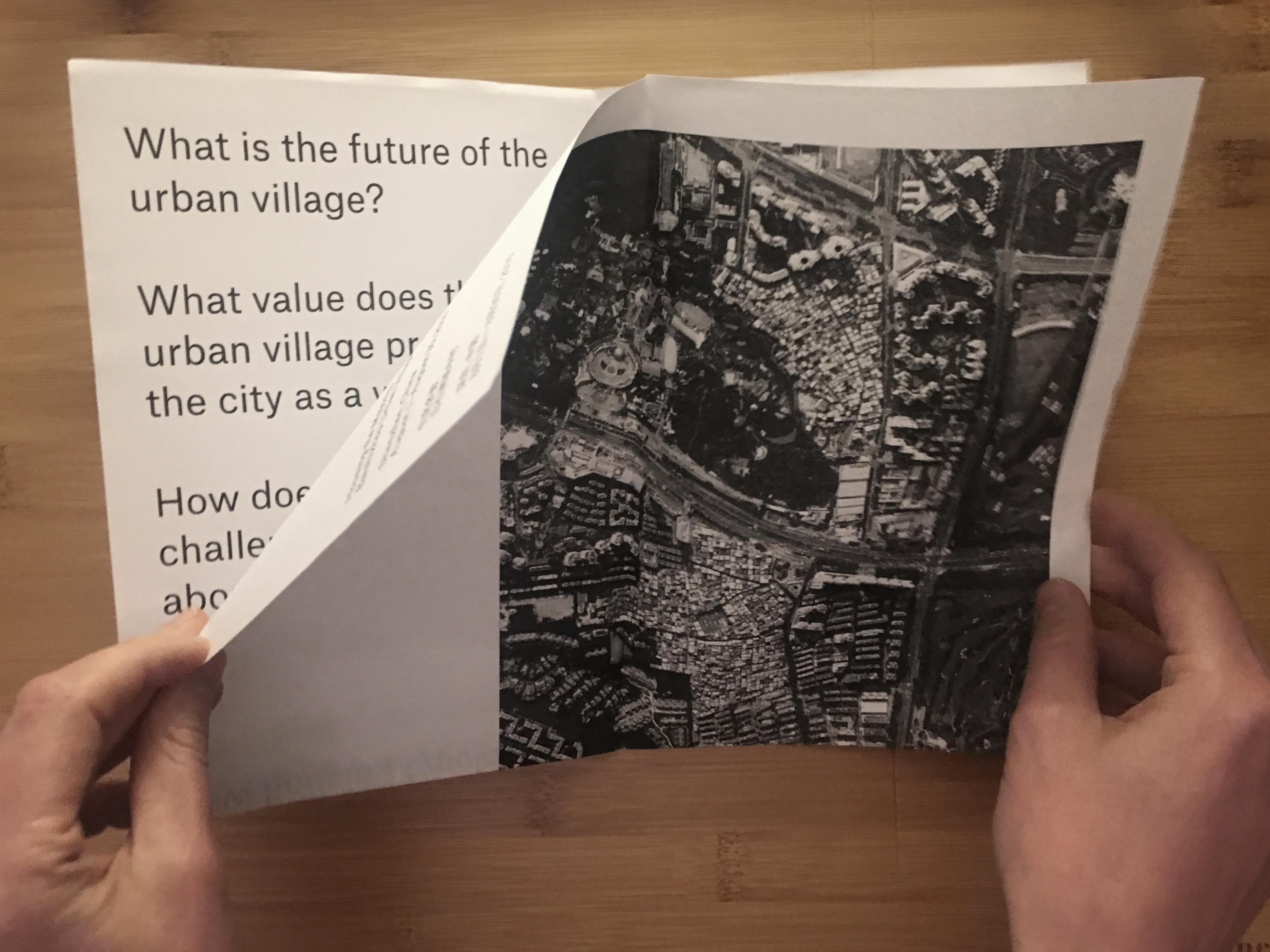
As Stefan Al has noted, “total demolition [of the urban villages] is the default option of the State.” In this case, the urban village is seen as a phenomenon to be corrected or replaced with more “modern” forms of urbanism. On the other hand, some researchers have romanticized the informality and density of the urban village, ignoring conditions and qualities which might be considered sub-standard in comparison to other forms of housing and in terms of the provision of light and air. This workshop will consider this balance between preservation and renewal, but also ask the question, what else might happen in the urban village? What value does the urban village provide to the city as a whole? How does the urban village challenge our thinking and might it be a prototype for future forms of housing? The research will provide an opportunity to redefine the terms of discourse and to expand the discussion around critical challenges confronting the city today.
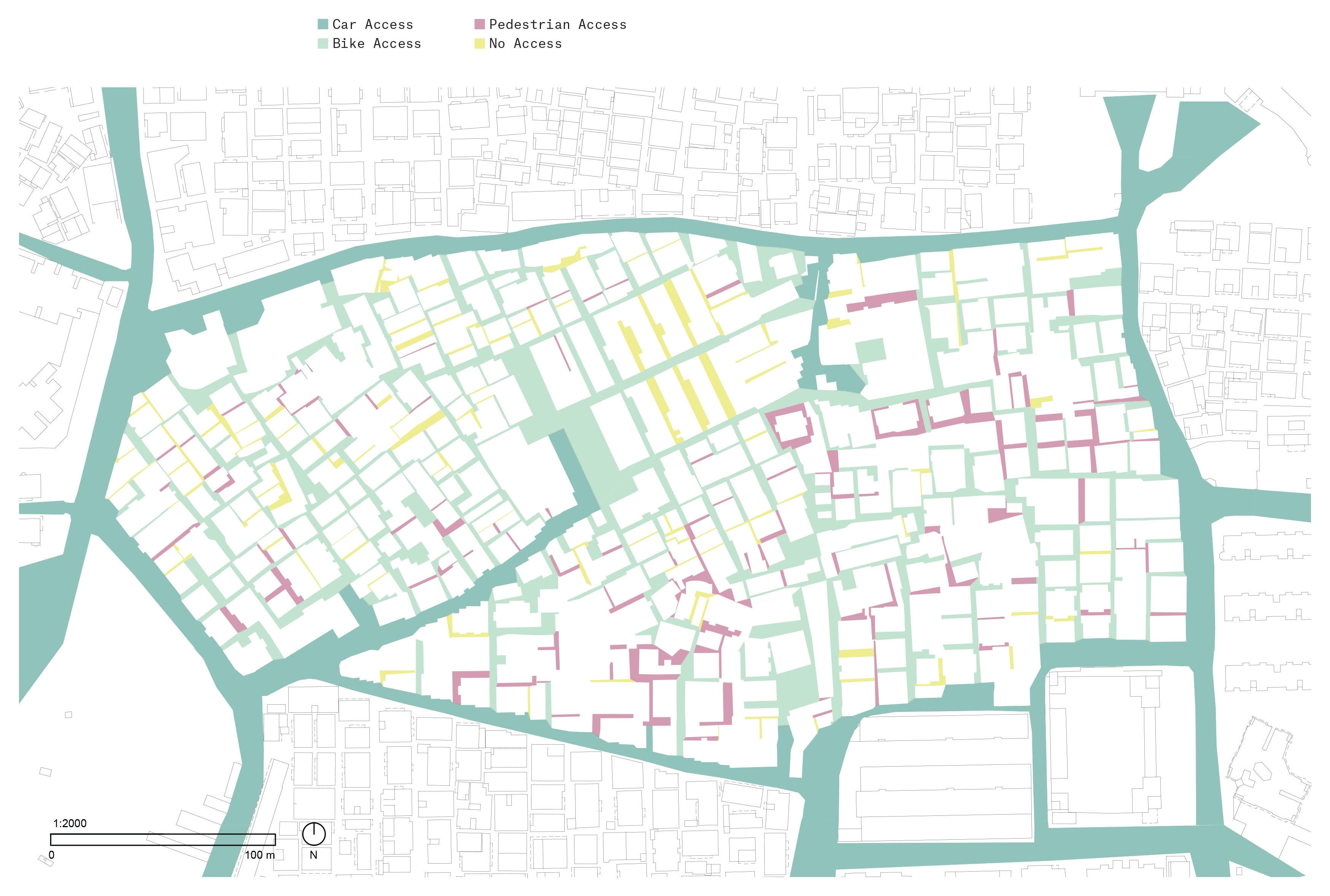
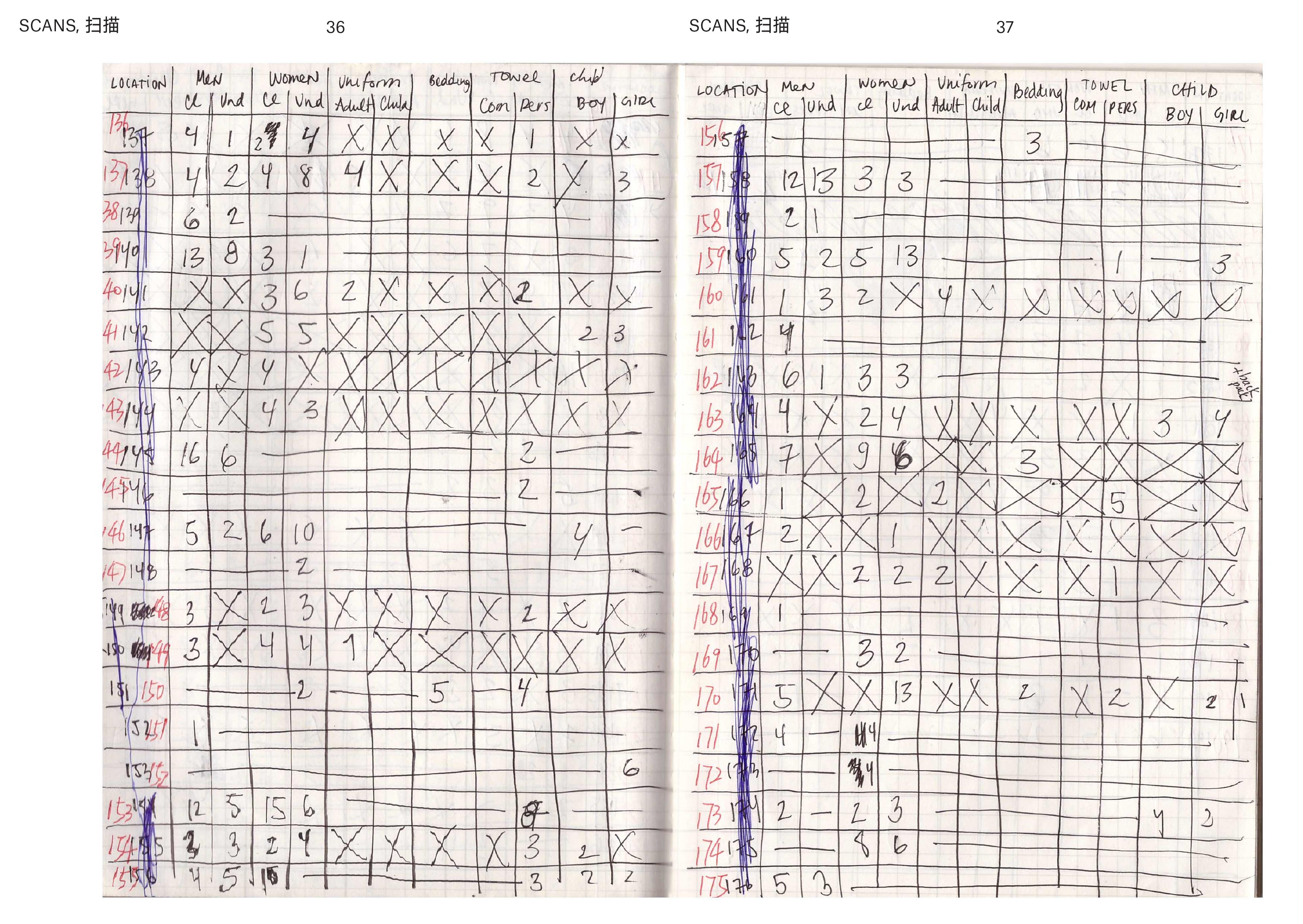
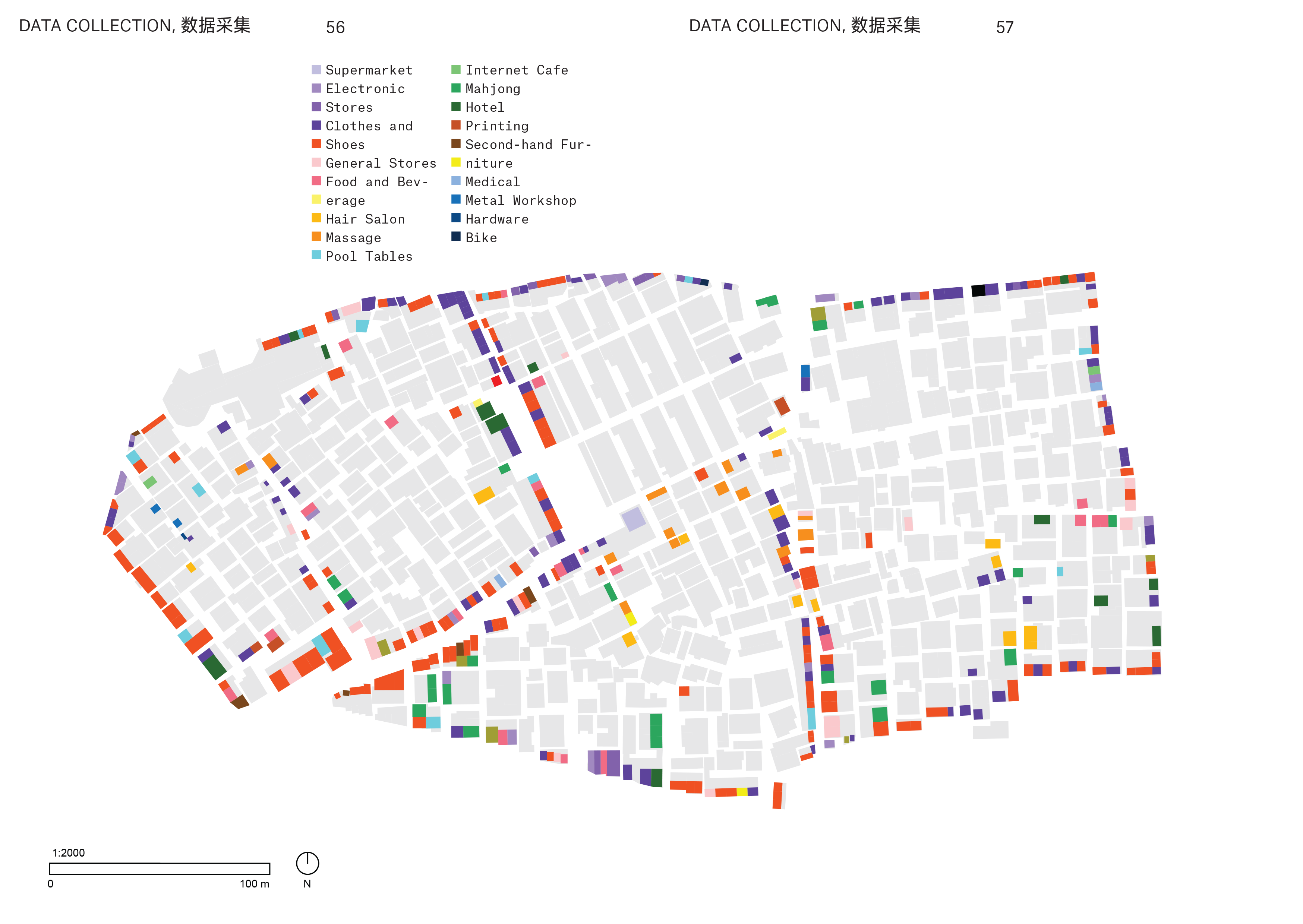
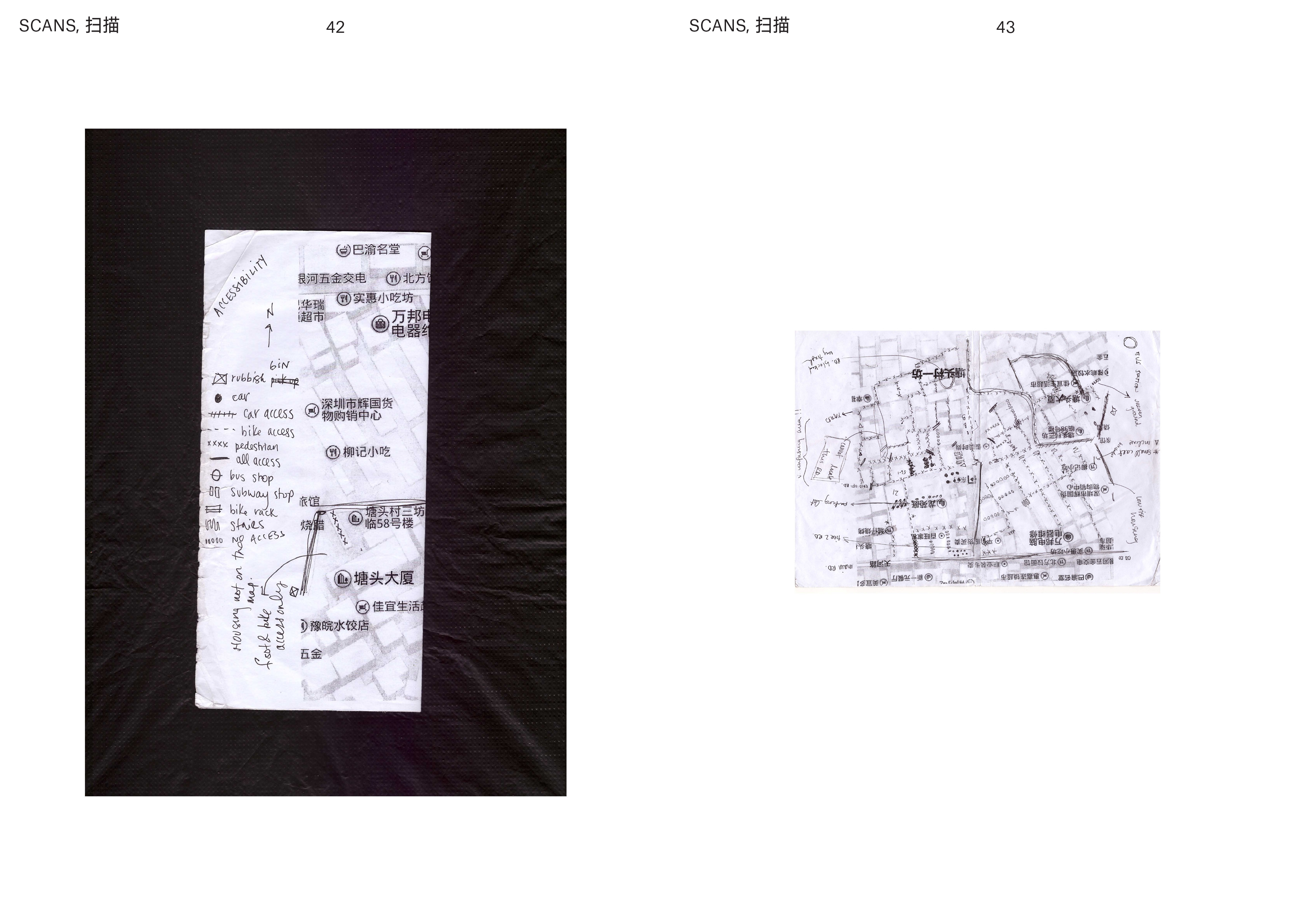
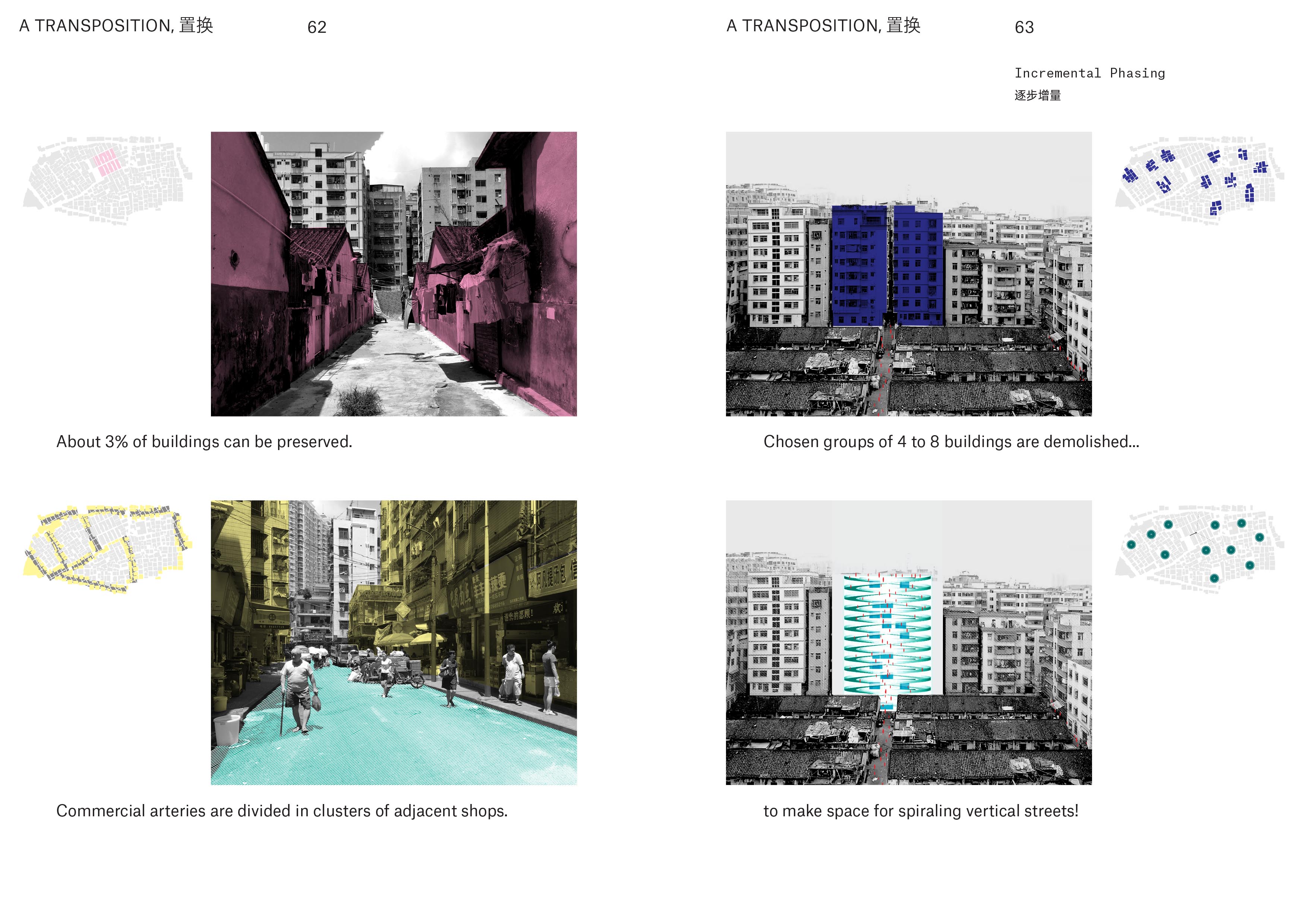
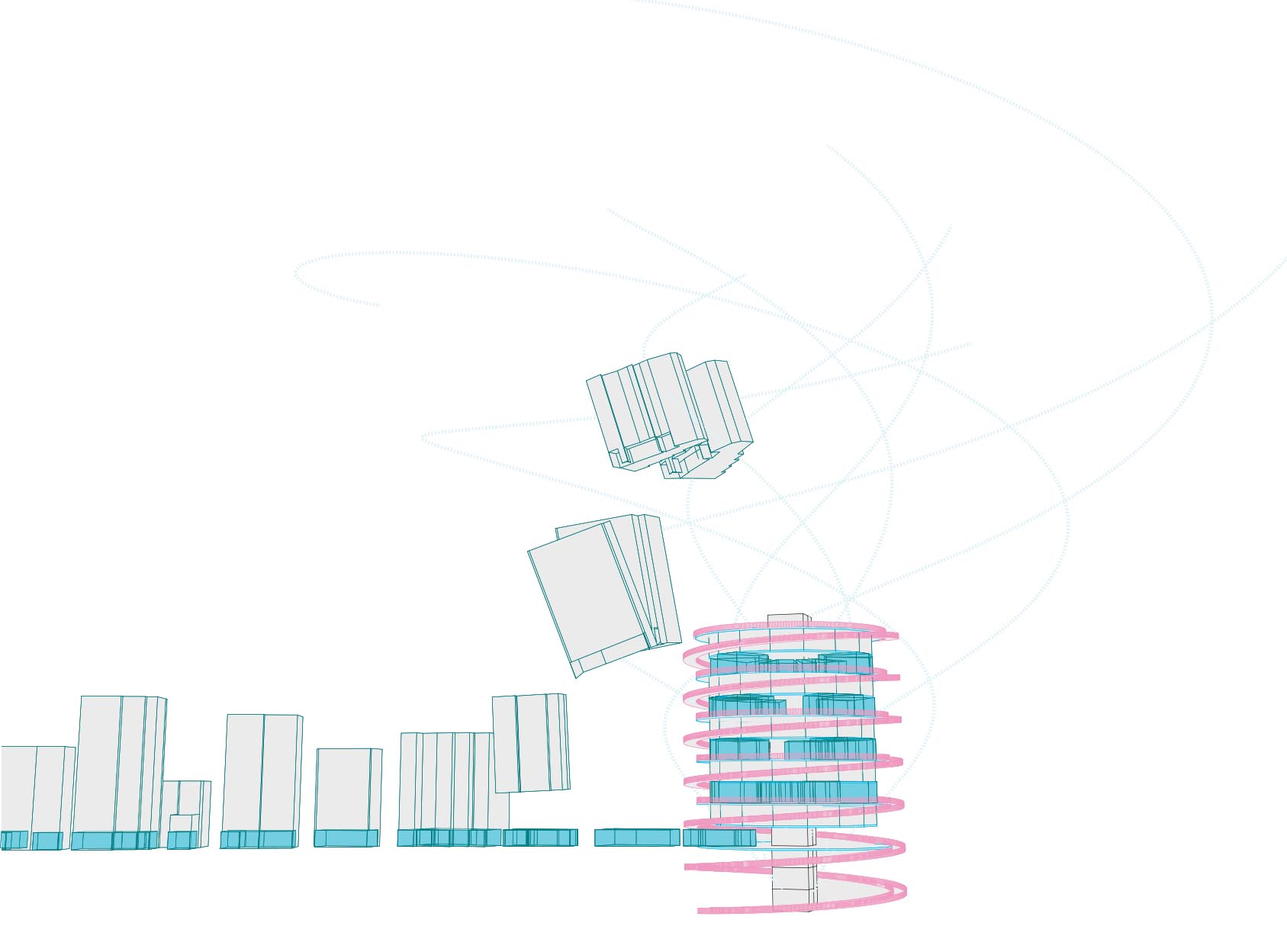
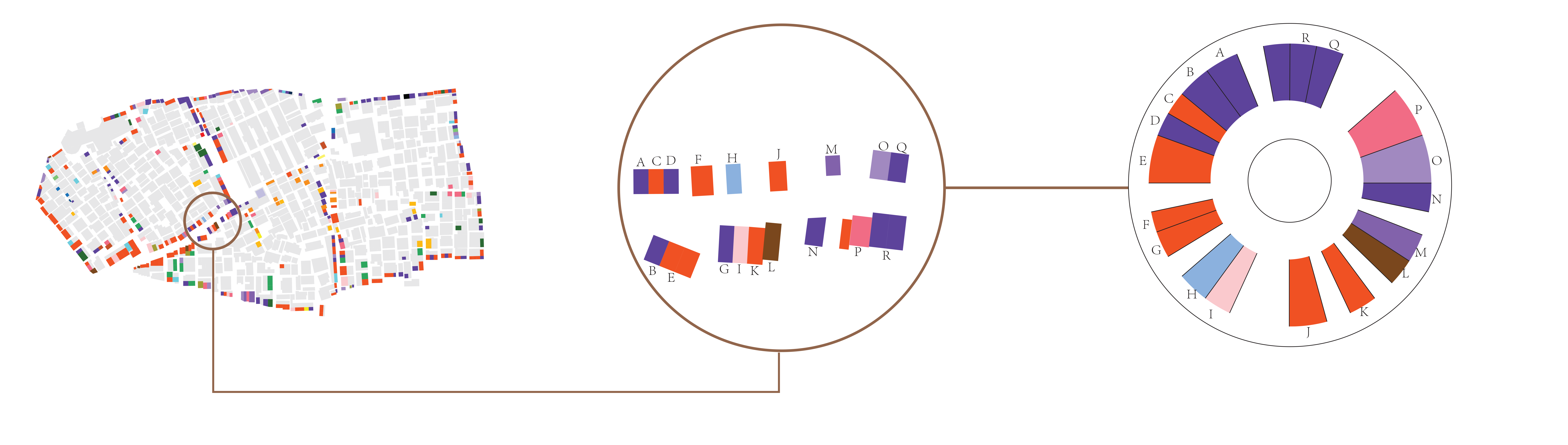
It cannot be denied: the urban village’s city fabric is highly unsanitary, unsafe and unpleasant. Baishizhou will unavoidably be demolished and replaced by new developments which address the land value’s steep increase. However, its current street culture is of irreplaceable worth for the city of Shenzhen. Historically, urban villages’ public spaces were crucial metropolitan catalysts that enabled the special economic zone to thrive. In the recent decades, Chinese people have been using the built environment as financial utensils to bypass the policies of Beijing’s unilateral government. As a result, it has designed its own shortcoming -- it is often the case that new developments are left empty and unused by their new owners. But in Shenzhen, the lively human networks formed in the streets of urban villages have transfigured this situation. The economy of exchange of Baishizhou and its aptitude to interface with anyone who walks its streets is a construct of inestimable value and unique sophistication, particularly as it was born from legal conditions which will never again be reproduced. Can the redevelopment of Baishizhou be designed such that street life incrementally overflows into new areas and remains active without interruption? Can micro-insertions of street food stands with maker-spaces enable continuity in the collective life of Baishizhou as its fabric incrementally transforms?
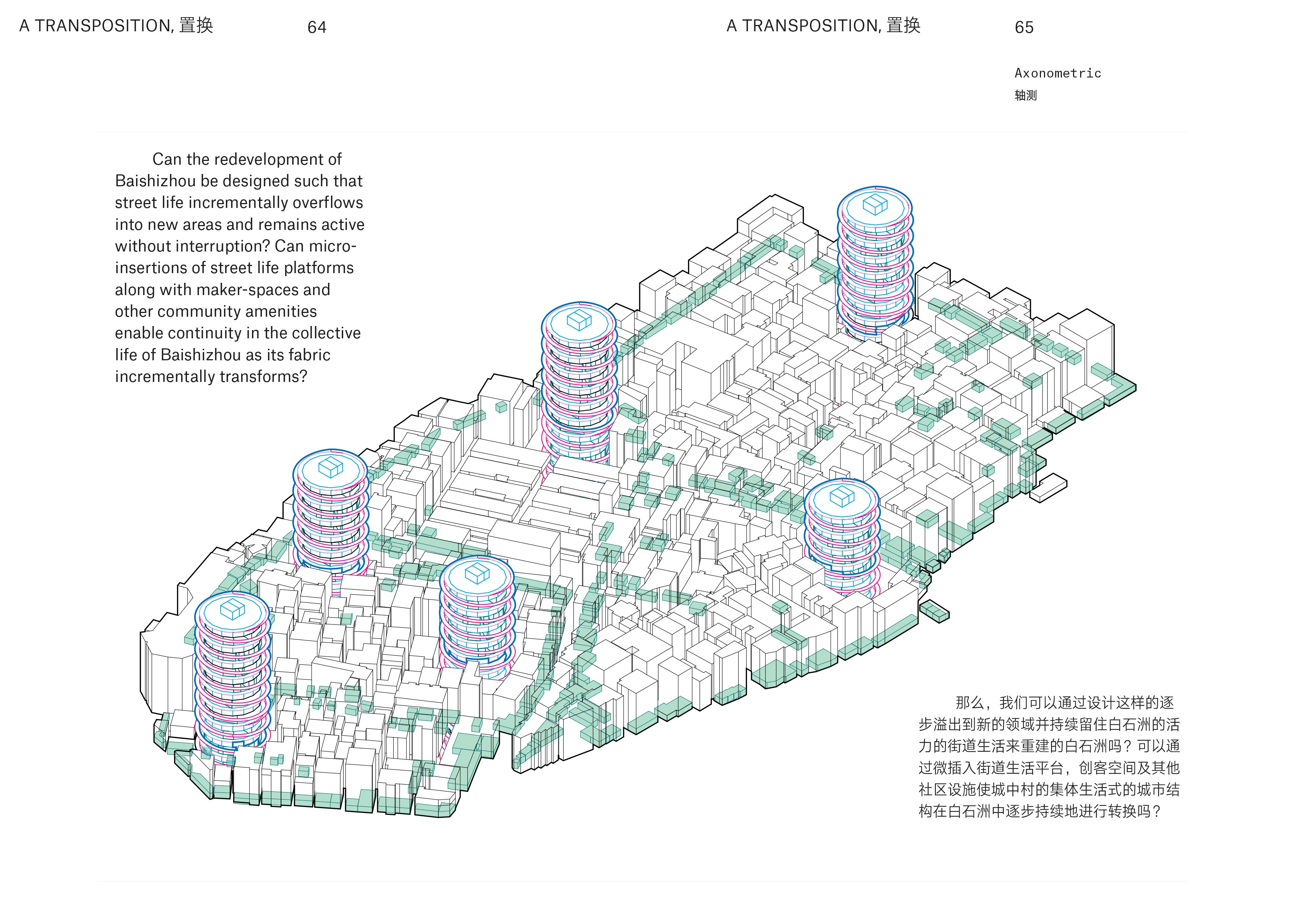
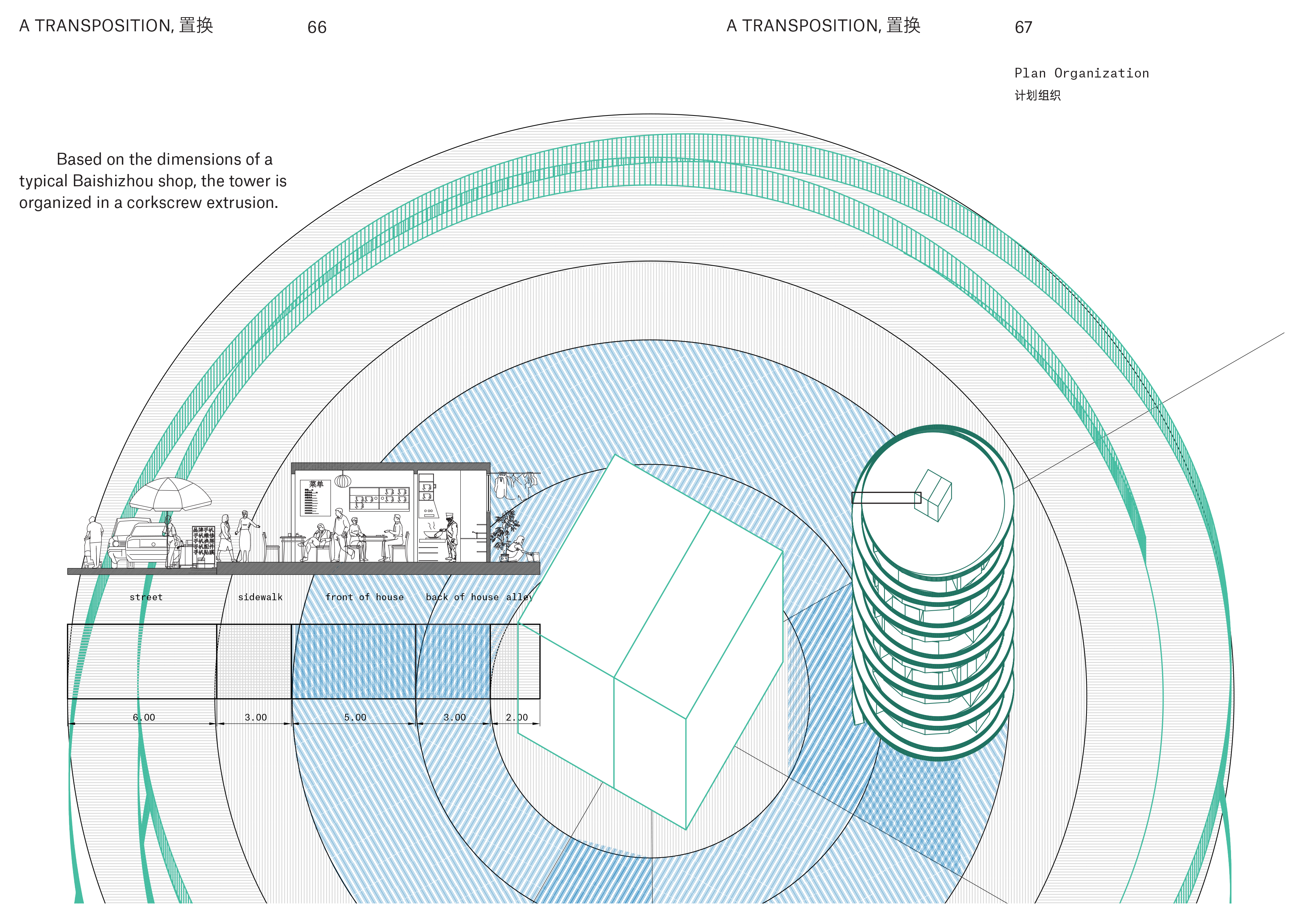
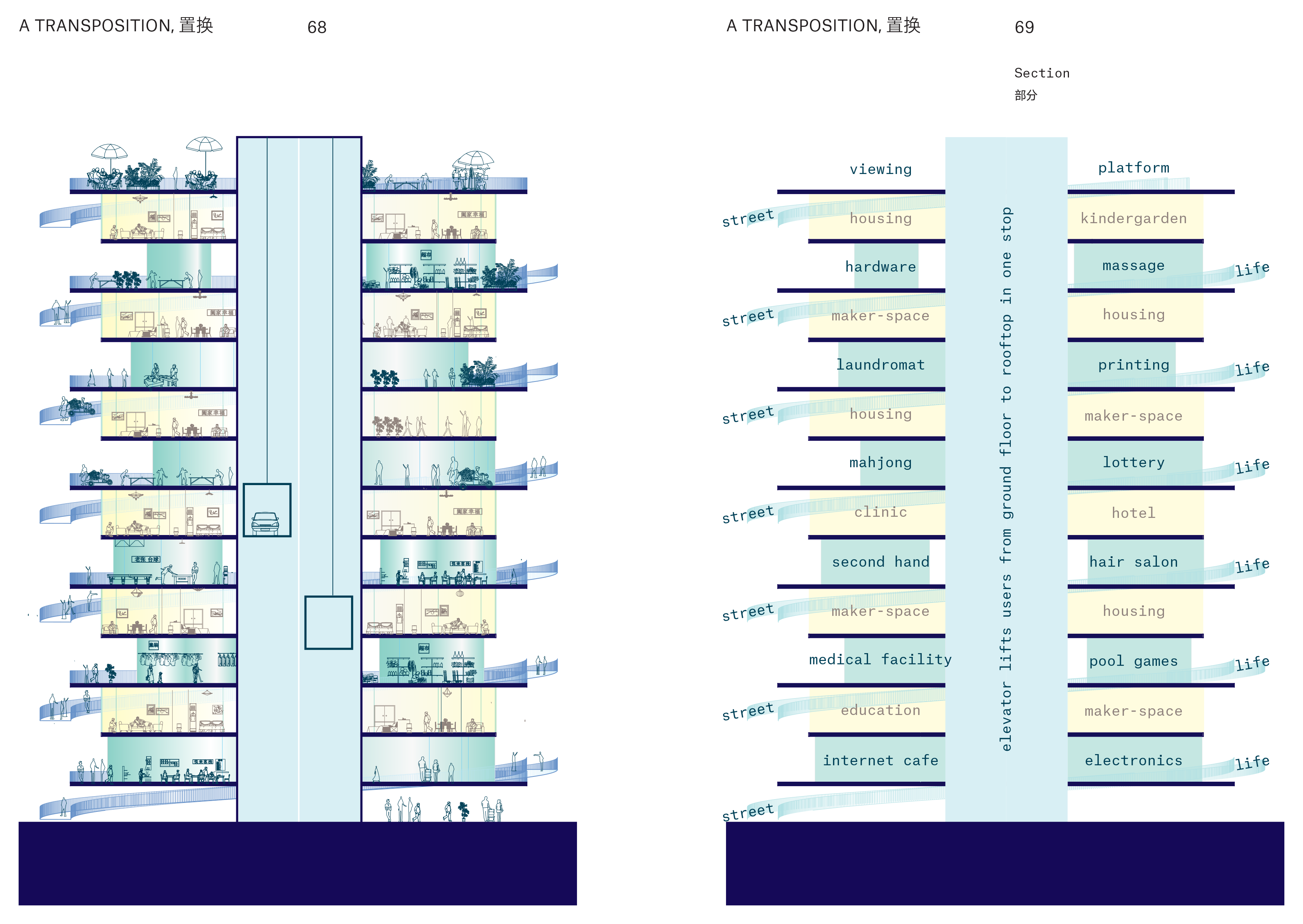
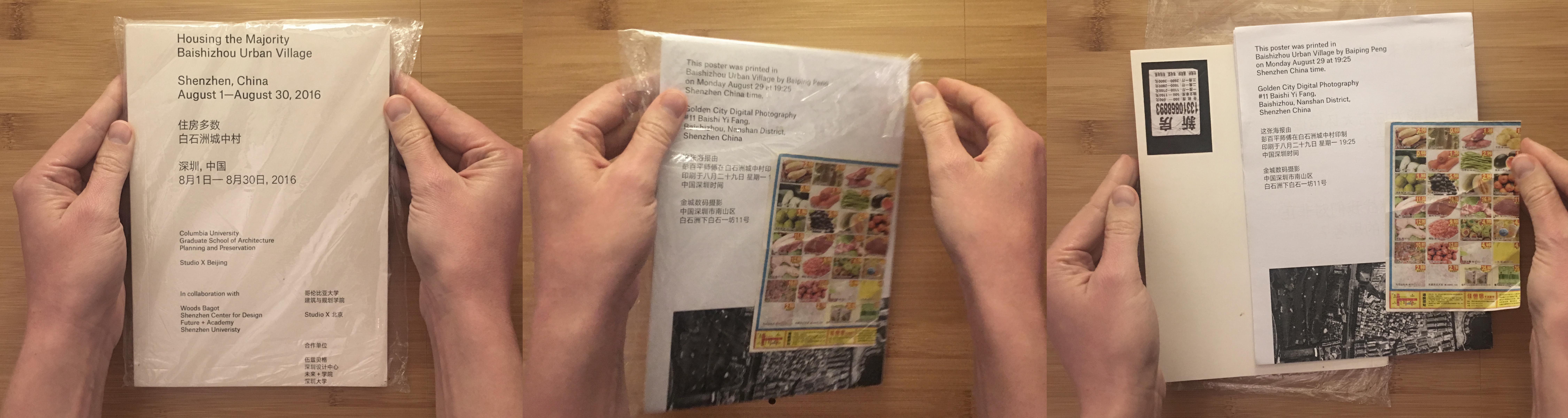
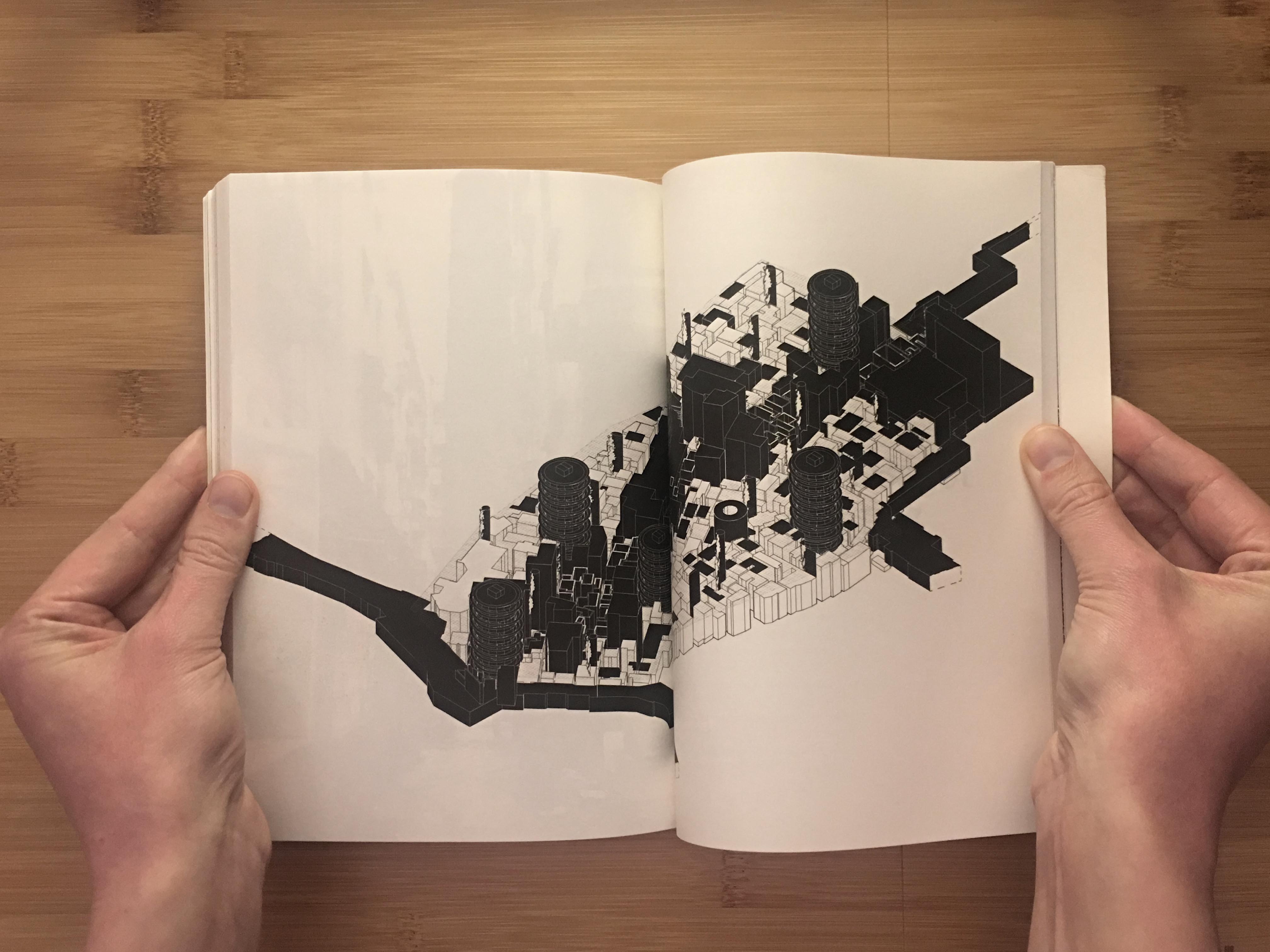
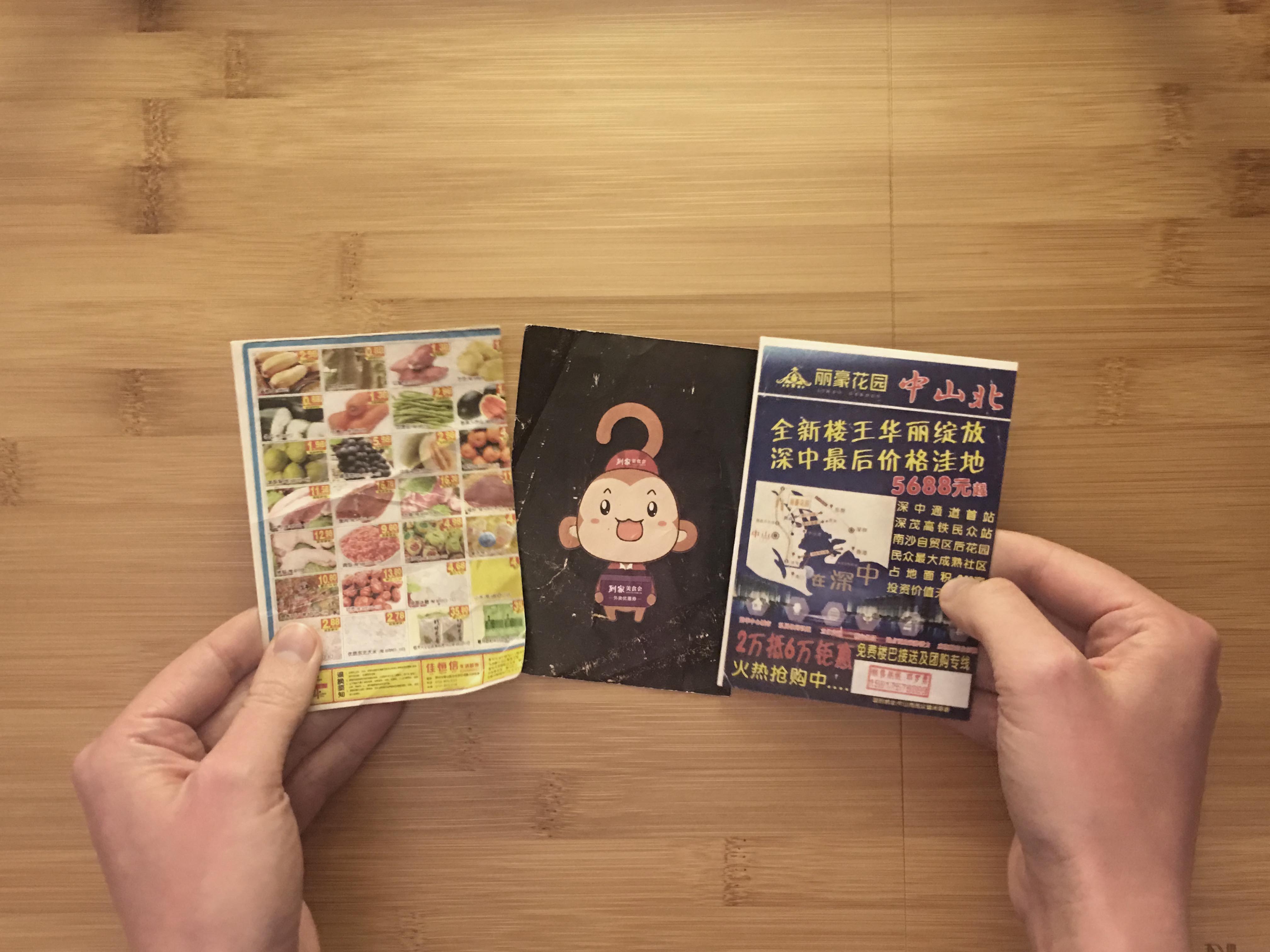
As an independent initiative, we assembled our research into a book format and printed two dozen copies at a local factory.
« "Ideally it would be a special economic zone," he said. "You know Shenzhen?" I knew Shenzhen: a high-gloss, highly surveilled city where rapid economic growth encouraged both luxury development and child-labor abuses; a citizenry partaking of modernity and progress, under dictatorial control. An epiphenomenon of authoritarian capitalism. Did he know Shenzhen? »
— Anna Wiener, Uncanny Valley, 2020

'Le chêne,' pronounced [leuh-sheh-n' means oak tree in French, my native language.