Design Research ● Spatial Design ● Construction
A preservation of change is an oxymoron.
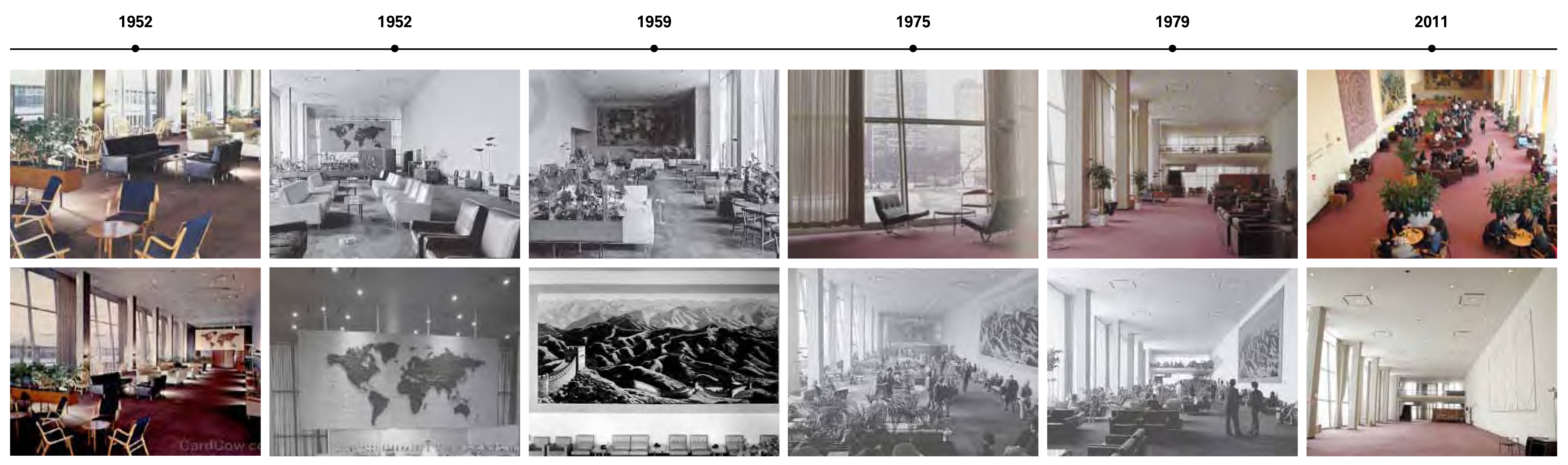
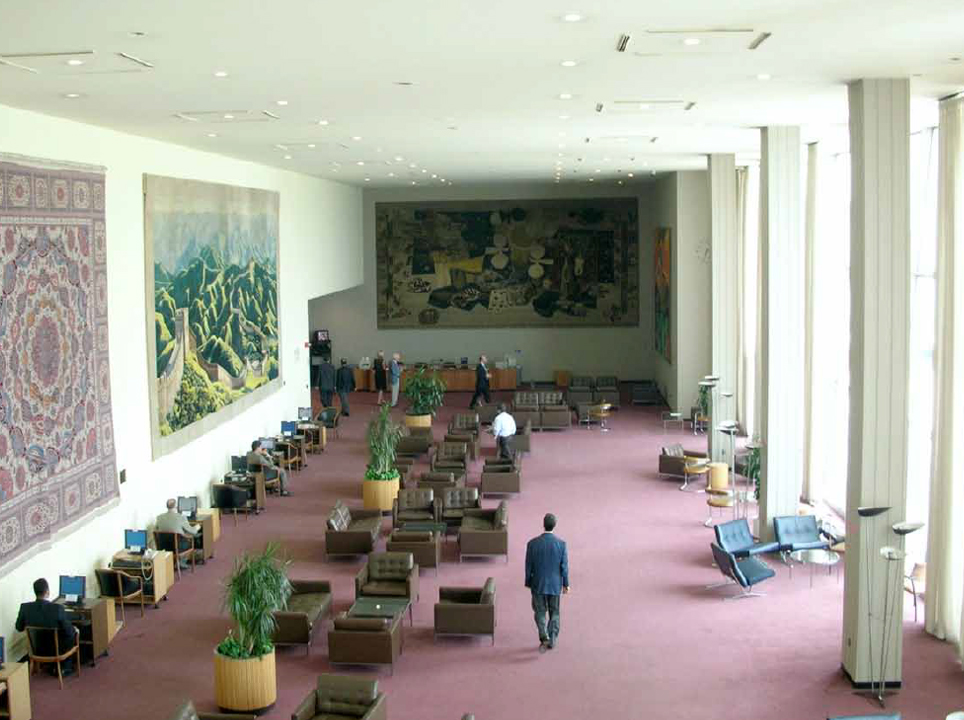
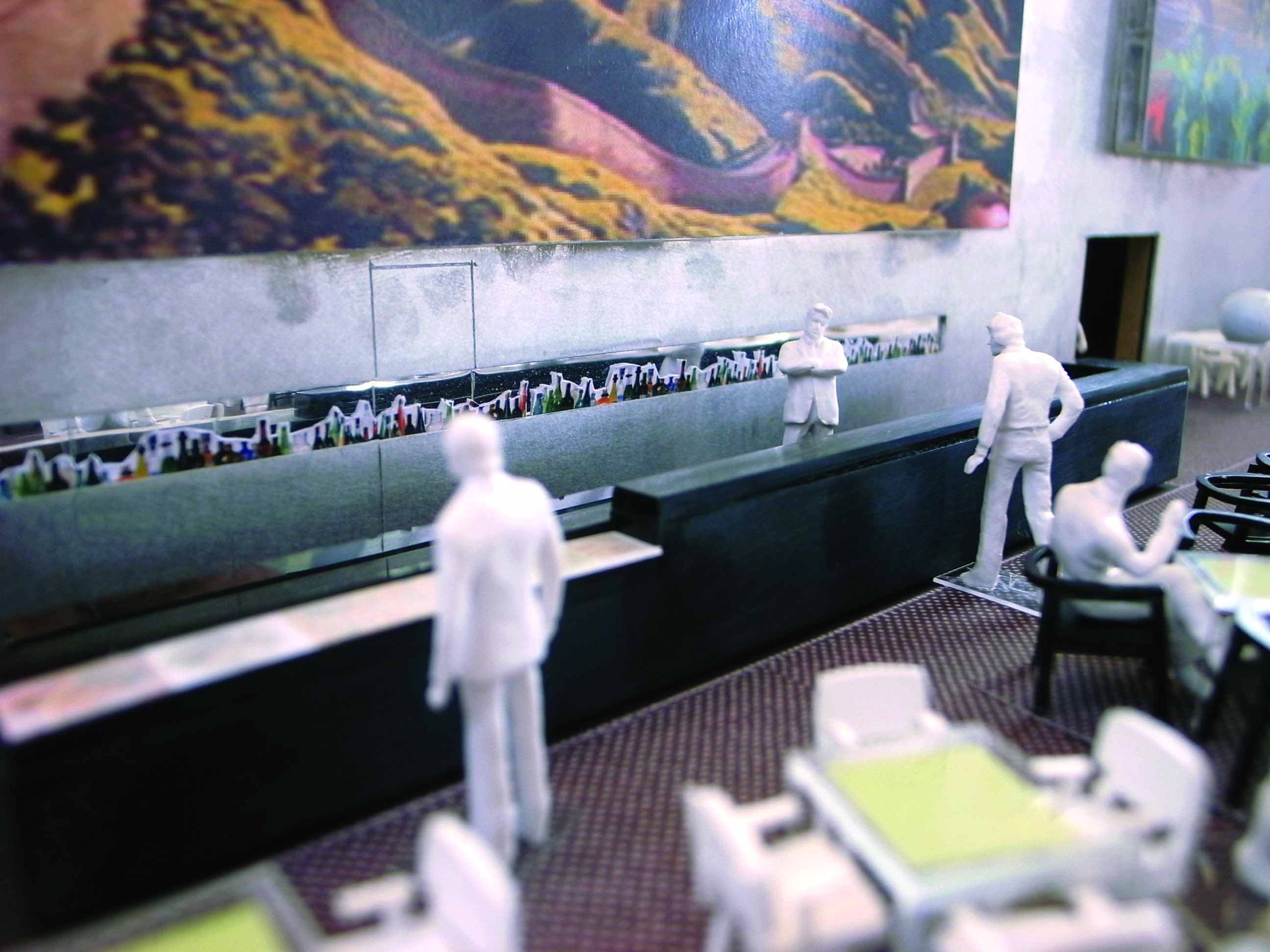
In 1952 the UN building opens. Above is the Delegates Lounge characterized by a rhythm of structure, a rigorous plan, and planters that create sections. At the far end of the linear plan is a curved bar. A monumental map of the globe hangs above it, blocking the view of the East River. The long wall is used to hang various gifts – in response, the seating changes. With the addition of Knoll club chair furniture and a revised seating arrangement the plan takes on a new more structured condition. Between 1978–79 the space undergoes a major transformation: the end bar and the map of the globe are removed to accommodate a mezzanine level which offers a more intimate condition. This space is all but devoid, through the sum of changes, of any character. Clusters of seating and planting are composed in an an almost ad-hoc fashion, the furniture a mere accumulation of survivors.
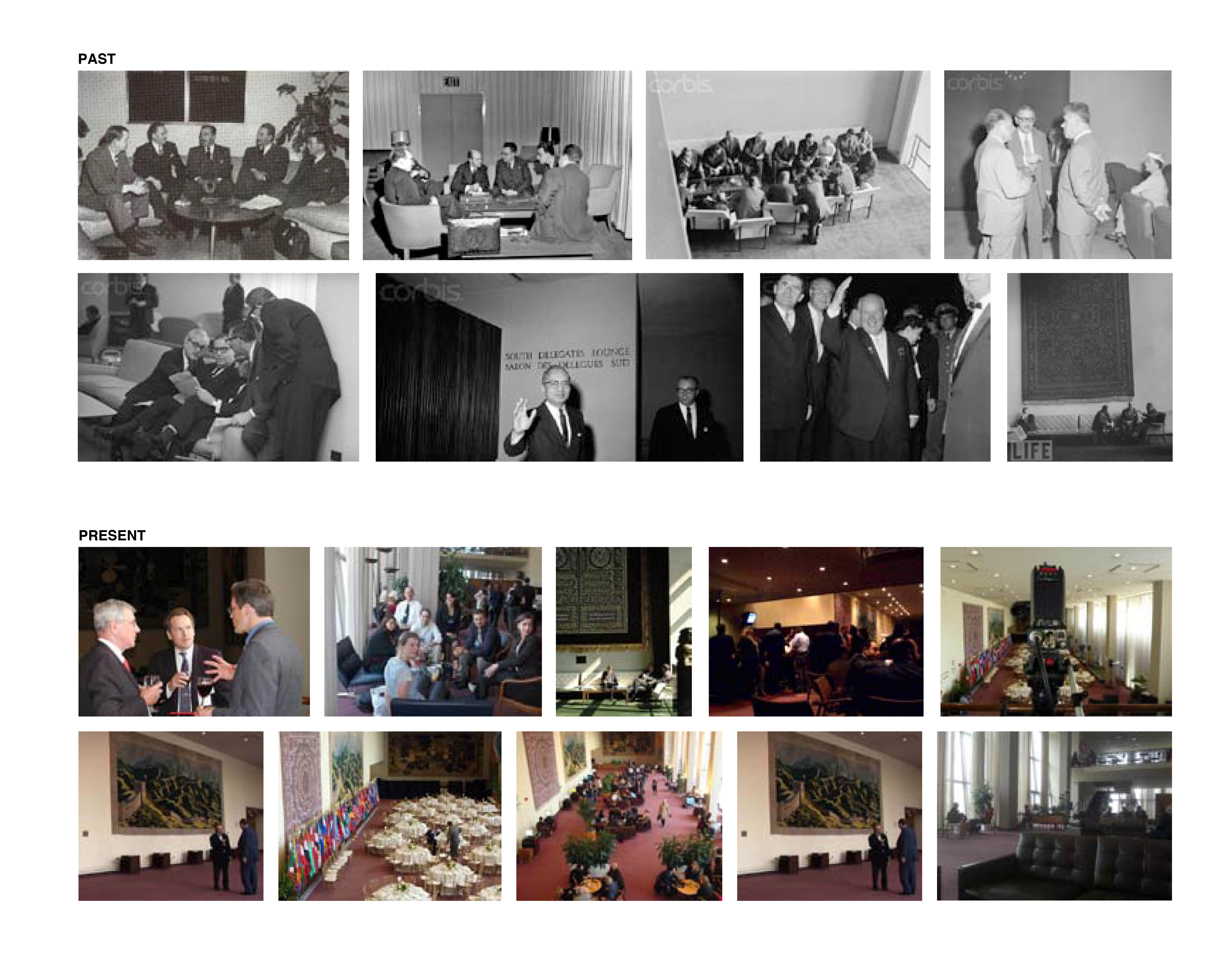
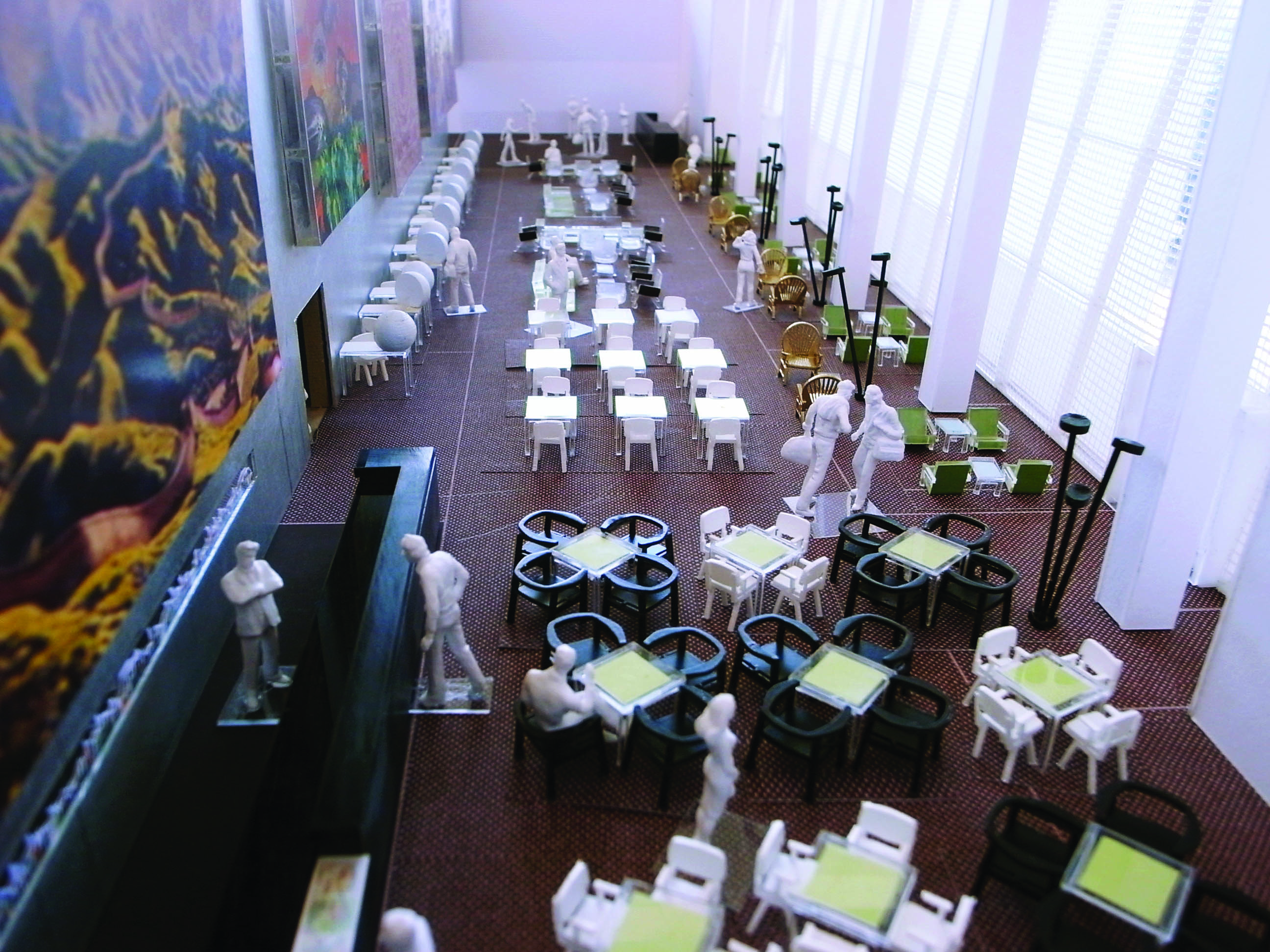

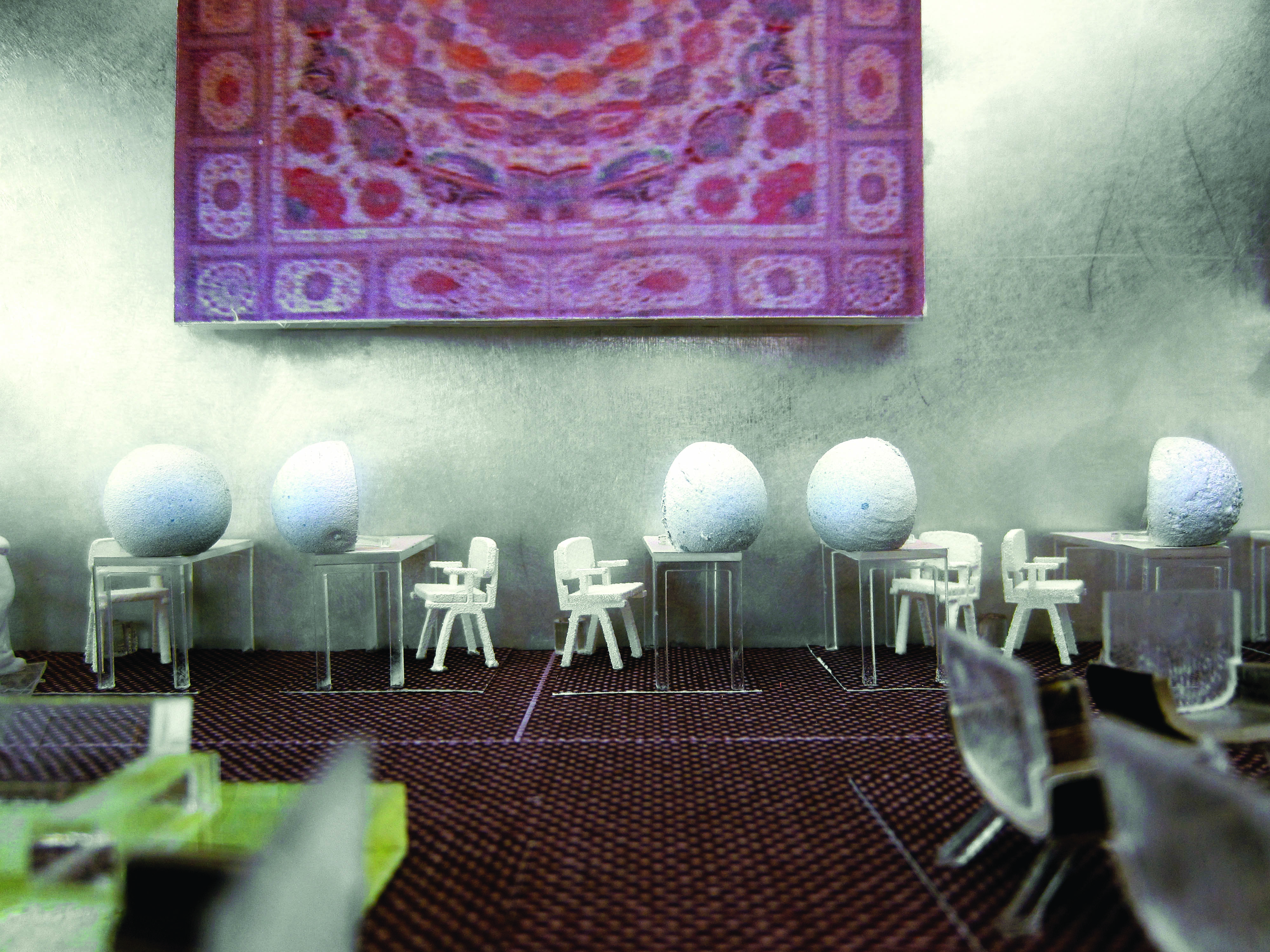
The North Delegate’s Lounge has a key role in the UN buildings. It’s an unofficial space where the conversation is unrecorded, informal. Here many ‘deals’ between nations are agreed upon. Friendships are born, or renewed, and animosities are soothed. In the course of time the North Delegate’s Lounge has undergone various modifications. The range of operations proposed by us might be considered as an instant evolution or a preservation of change. Some aspects remain important: safeguarding the privacy of the delegates while facilitating encounters; comfort; timelessness; calm; a few remarkable accents, references to the history of the buildings. The project captures the content of the interventions we propose. History is revisited. The past is rehabilitated. Artworks are repositioned and old crafts are reinterpreted. Existing artworks and initial furniture items are reinstalled, reused, restored. Various perspectives on reality are revealed. Original furniture items of the early years are combined with new designs, specially made for this context. Designs of Dutch designers are combined with those of their international colleagues.
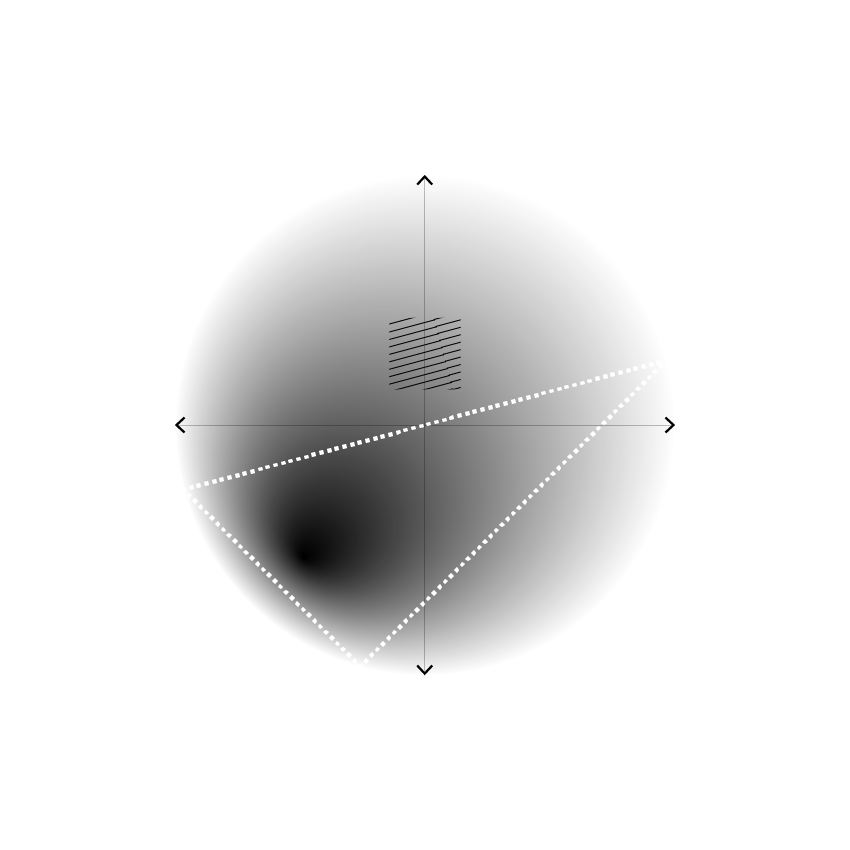
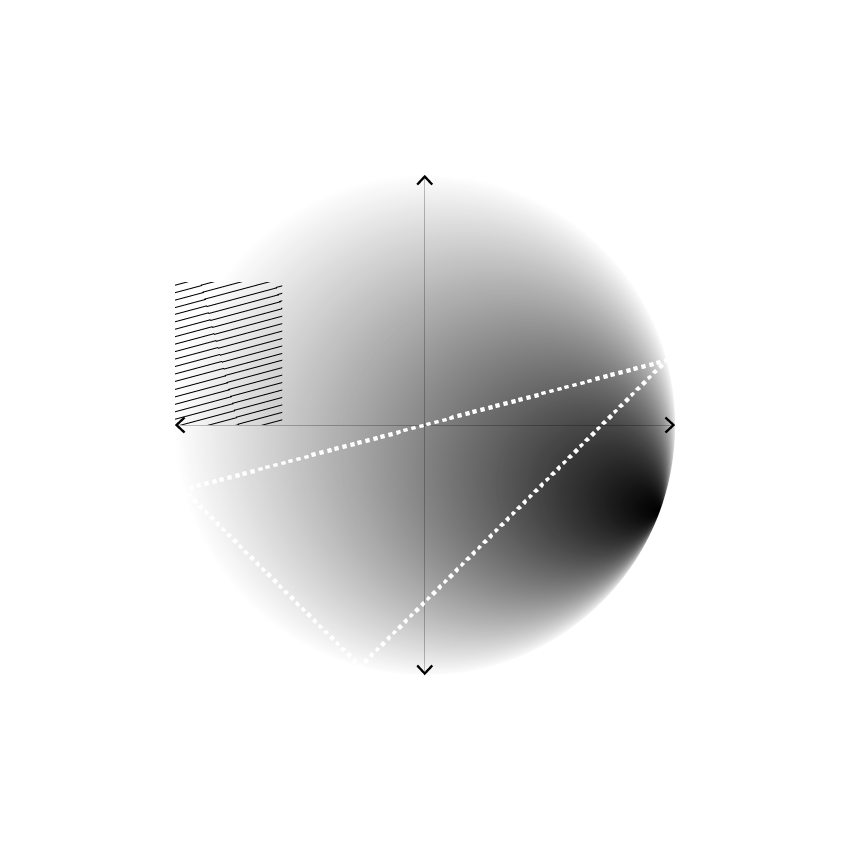
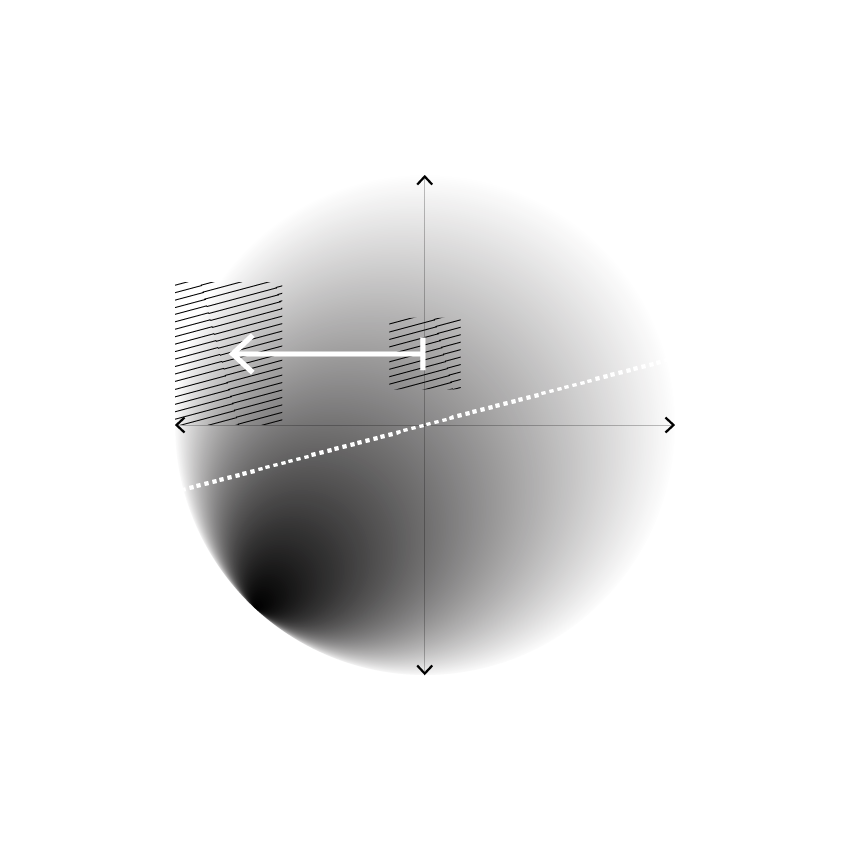
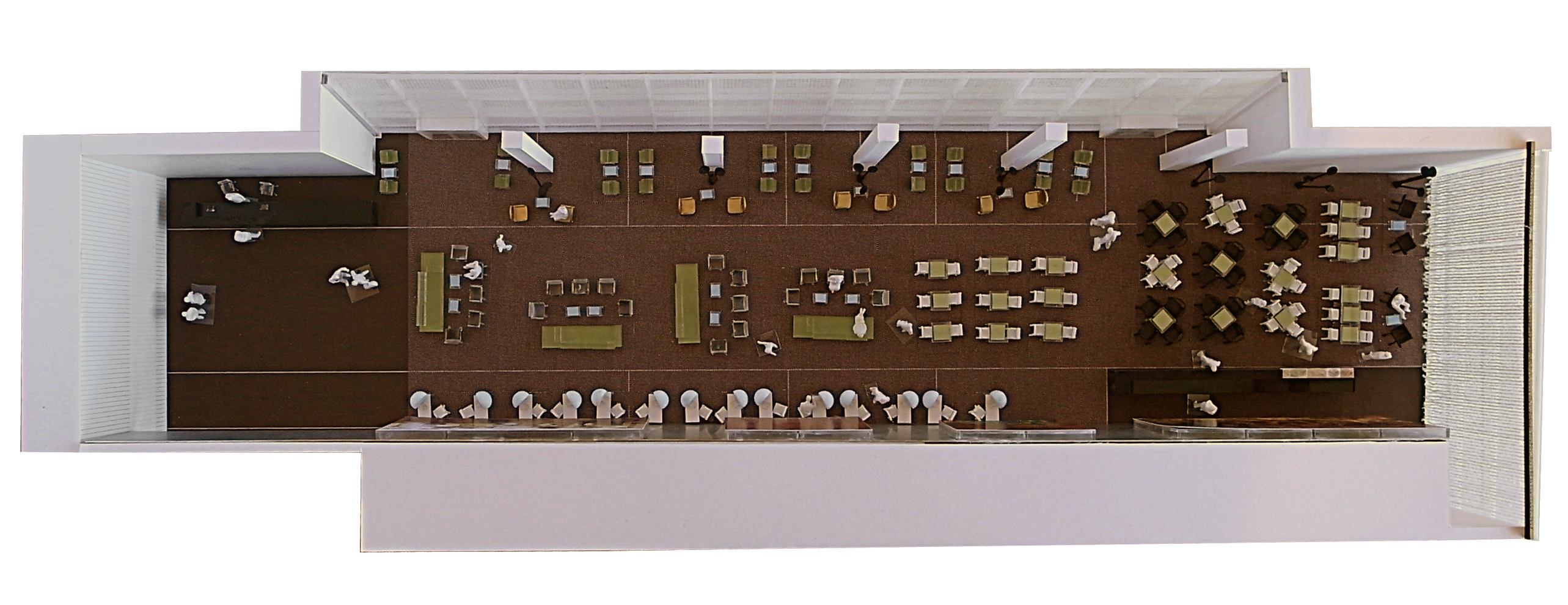
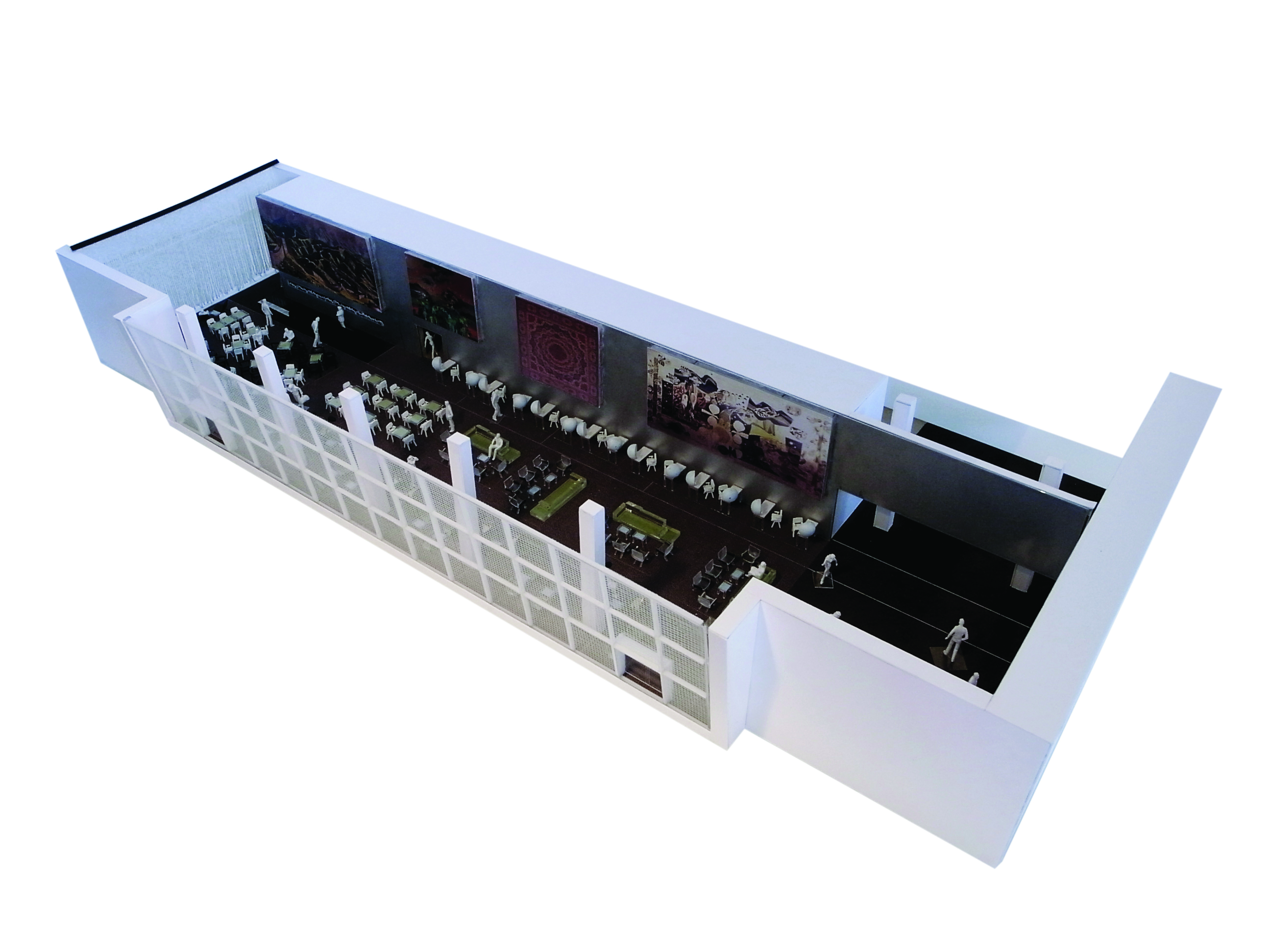
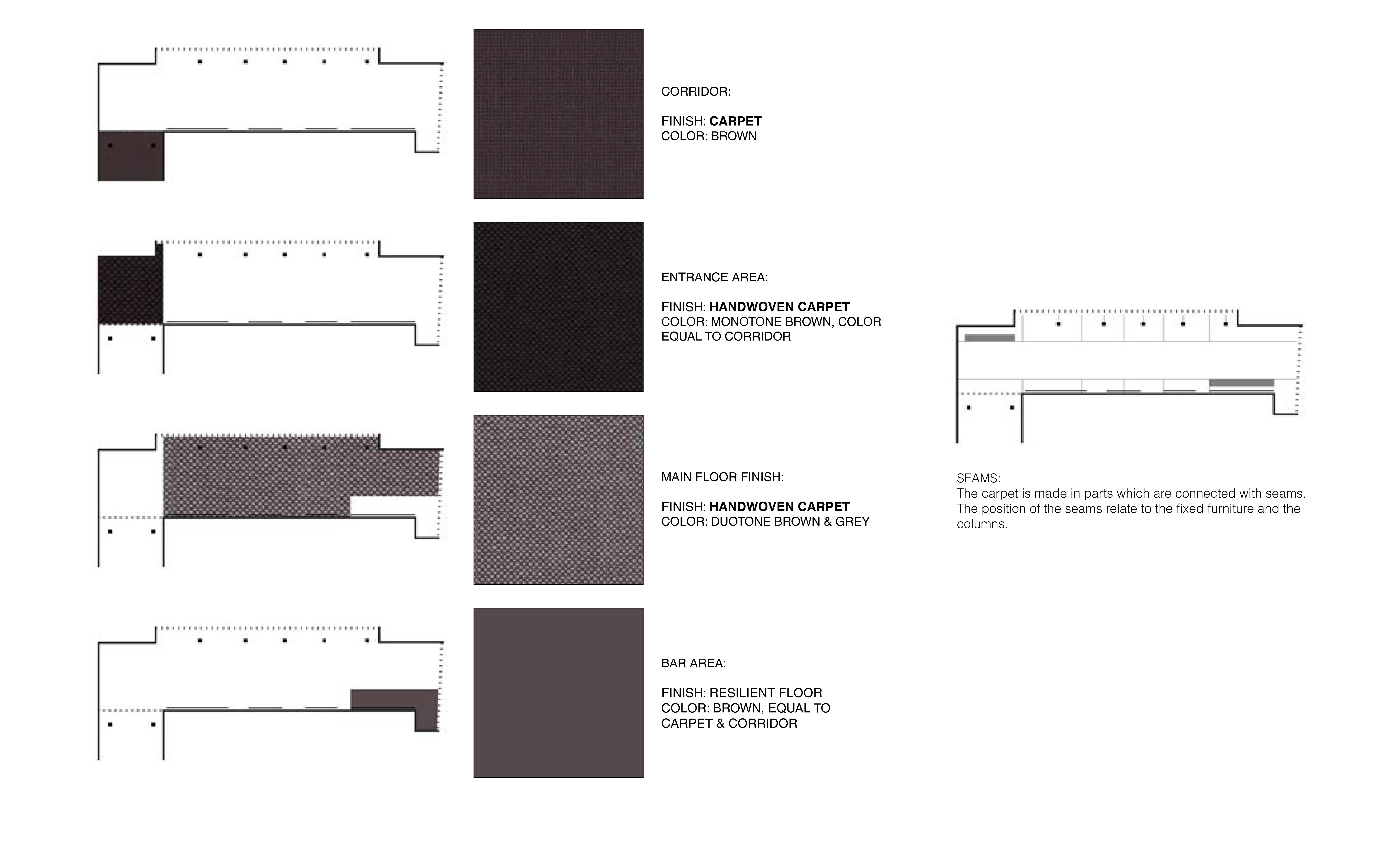
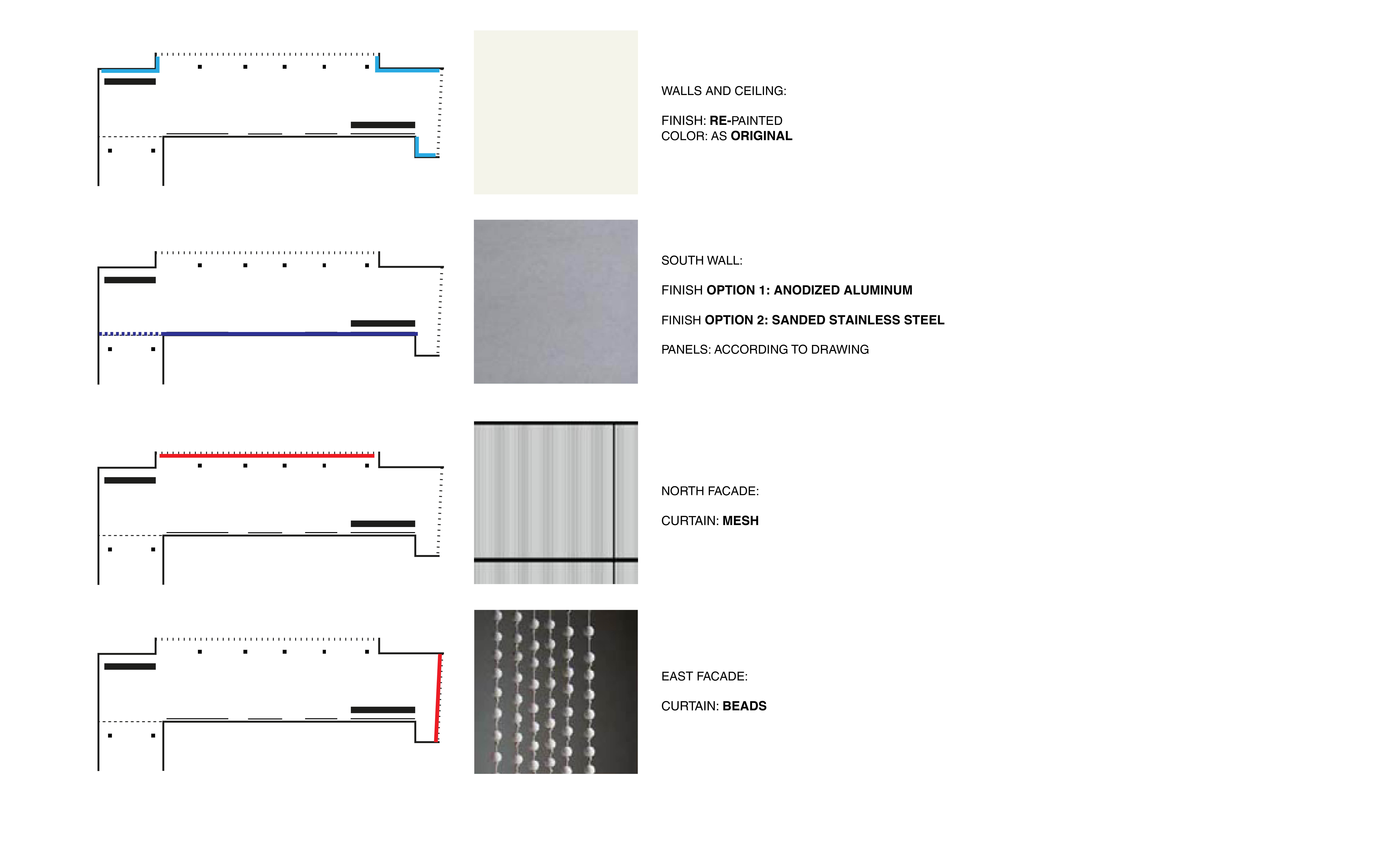
The diagrams below describe the intervention's spatial concept. The mezzanine is removed to open views to the East River. Two zones are defined: (1) a welcome area (overlap between corridor and lounge), and (2) a central area.



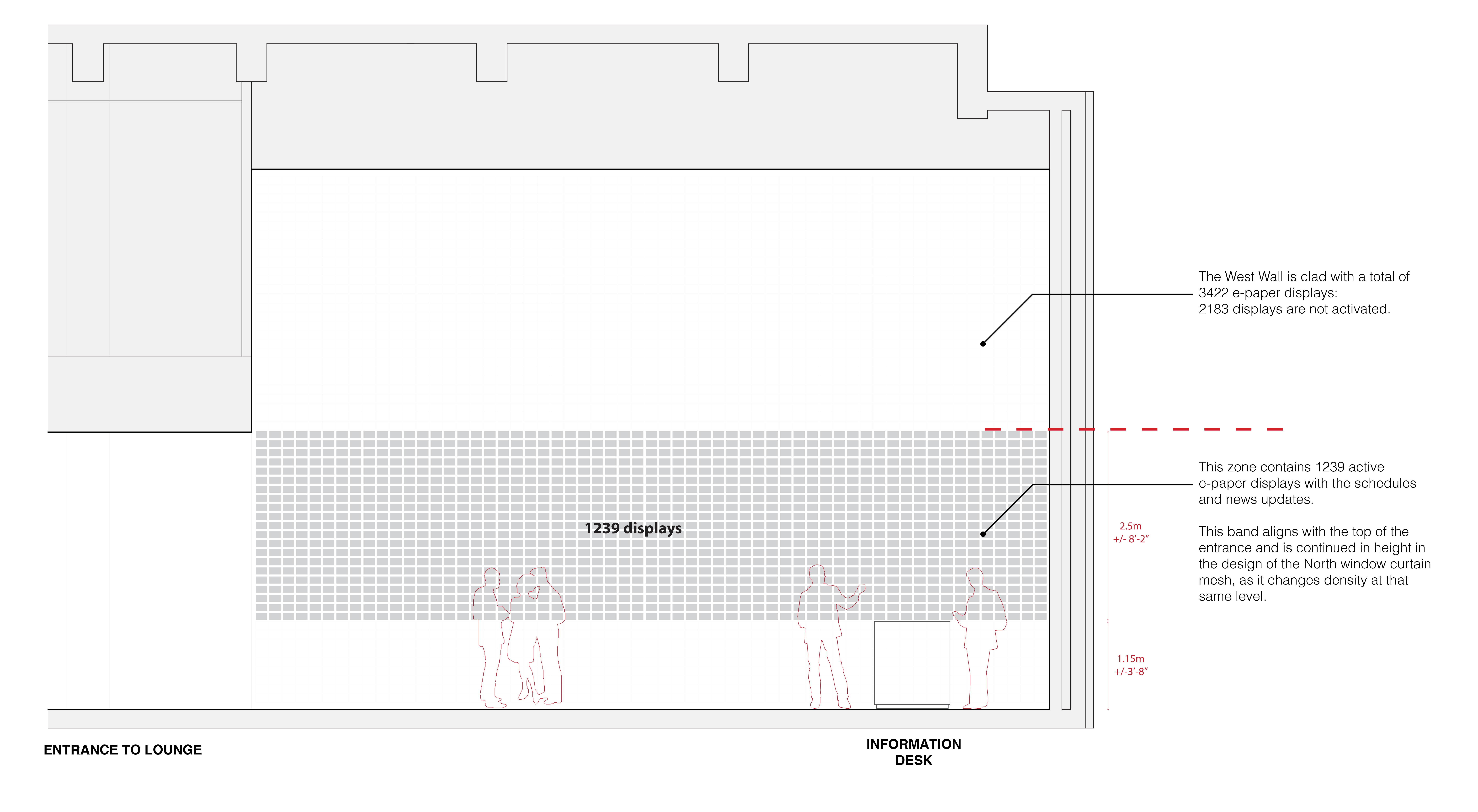
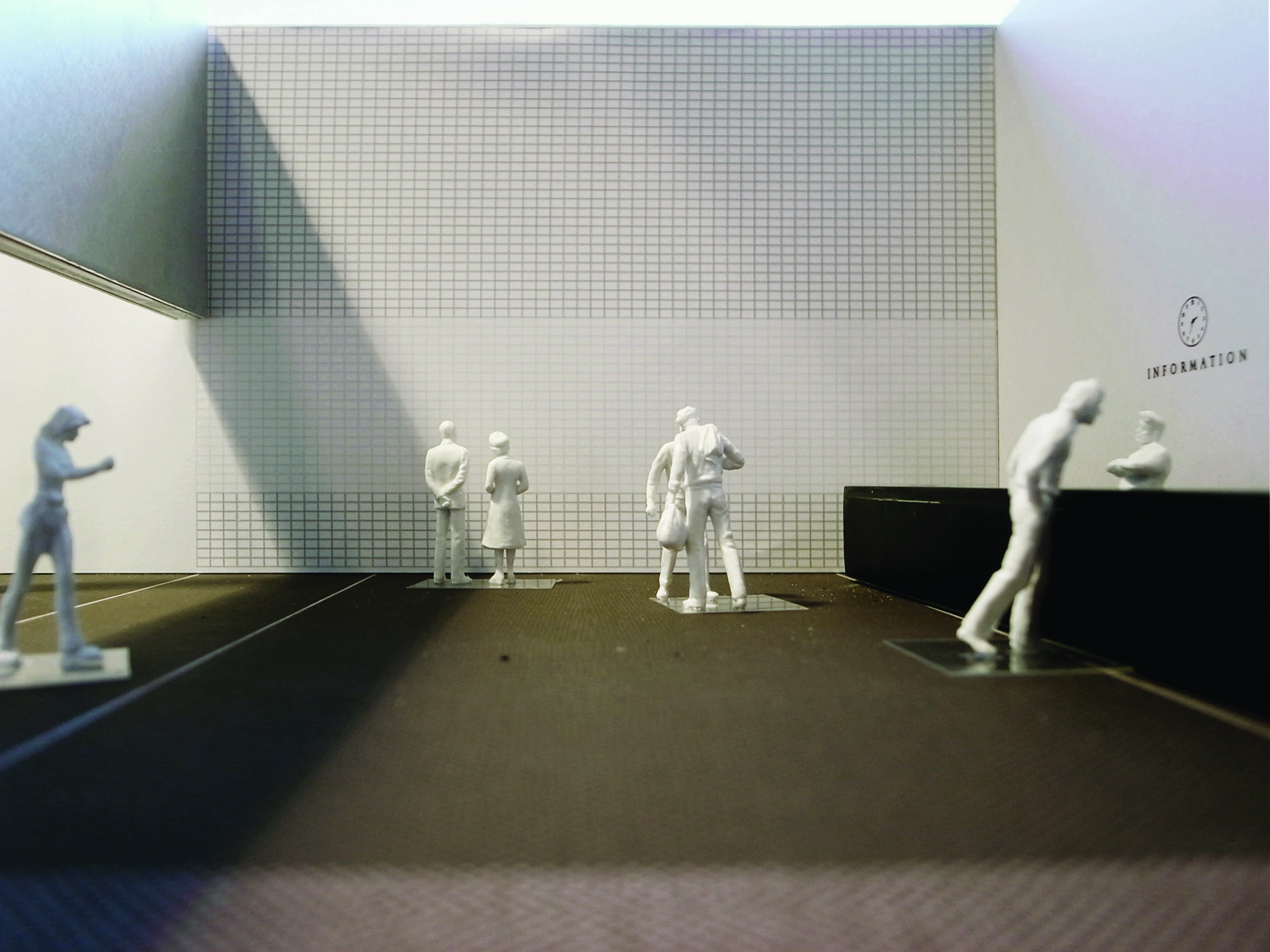
Our intention with the welcome area was to provide delegates and visitors with an opportunity for clarity. We formalized this intention with lines as simple as possible and mostly white and clear materials. It constitutes a palate refresher of sorts before the central space.
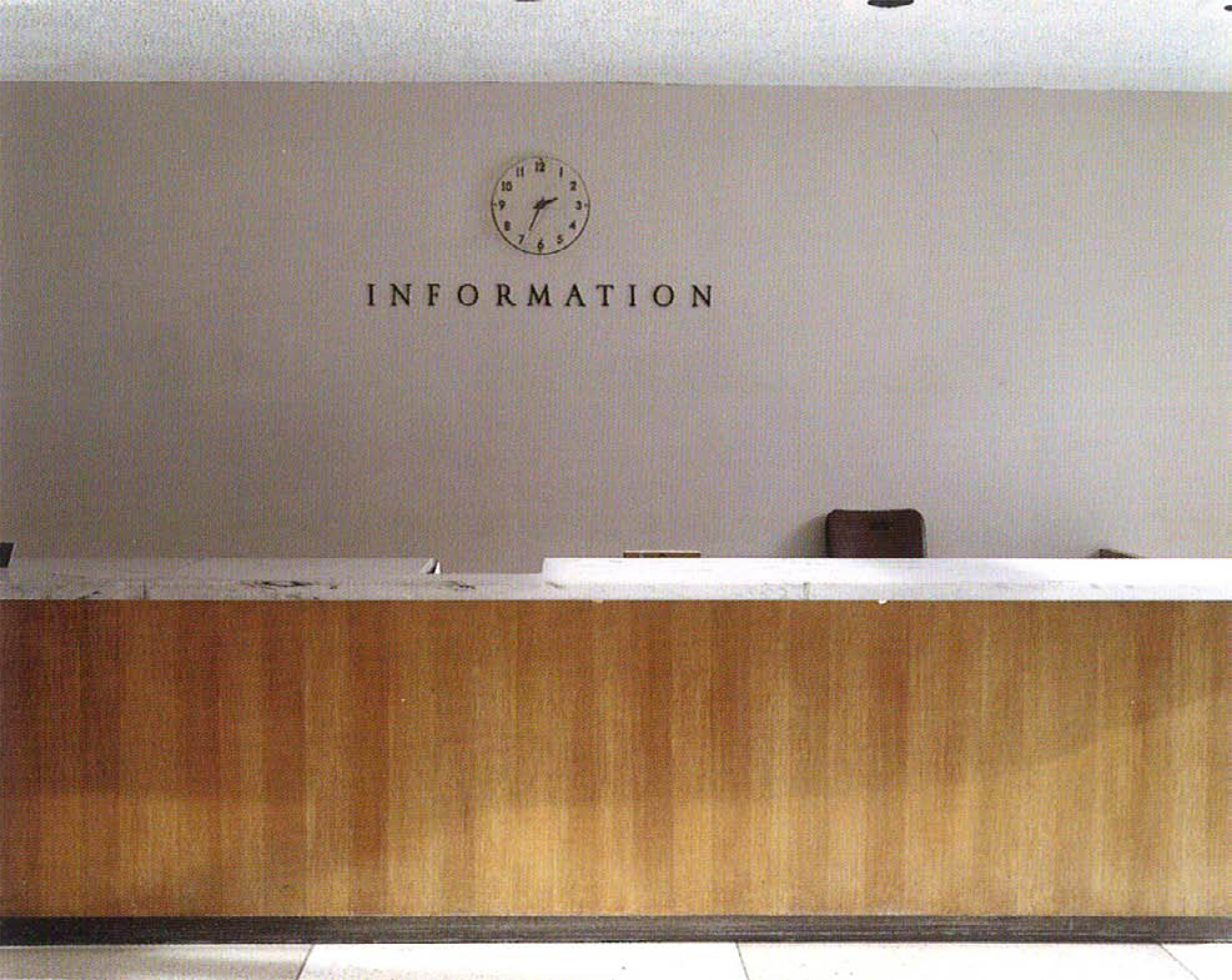
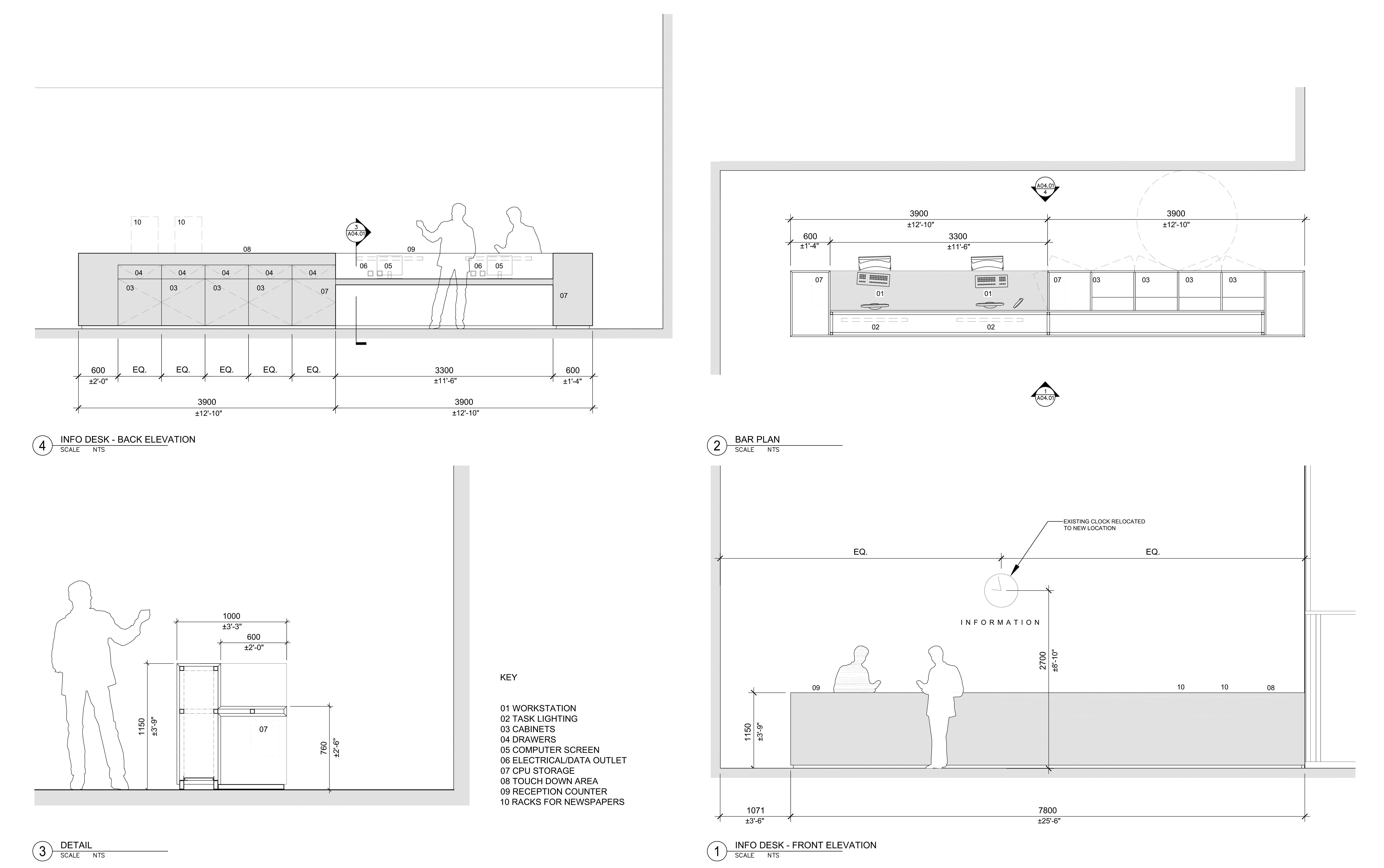
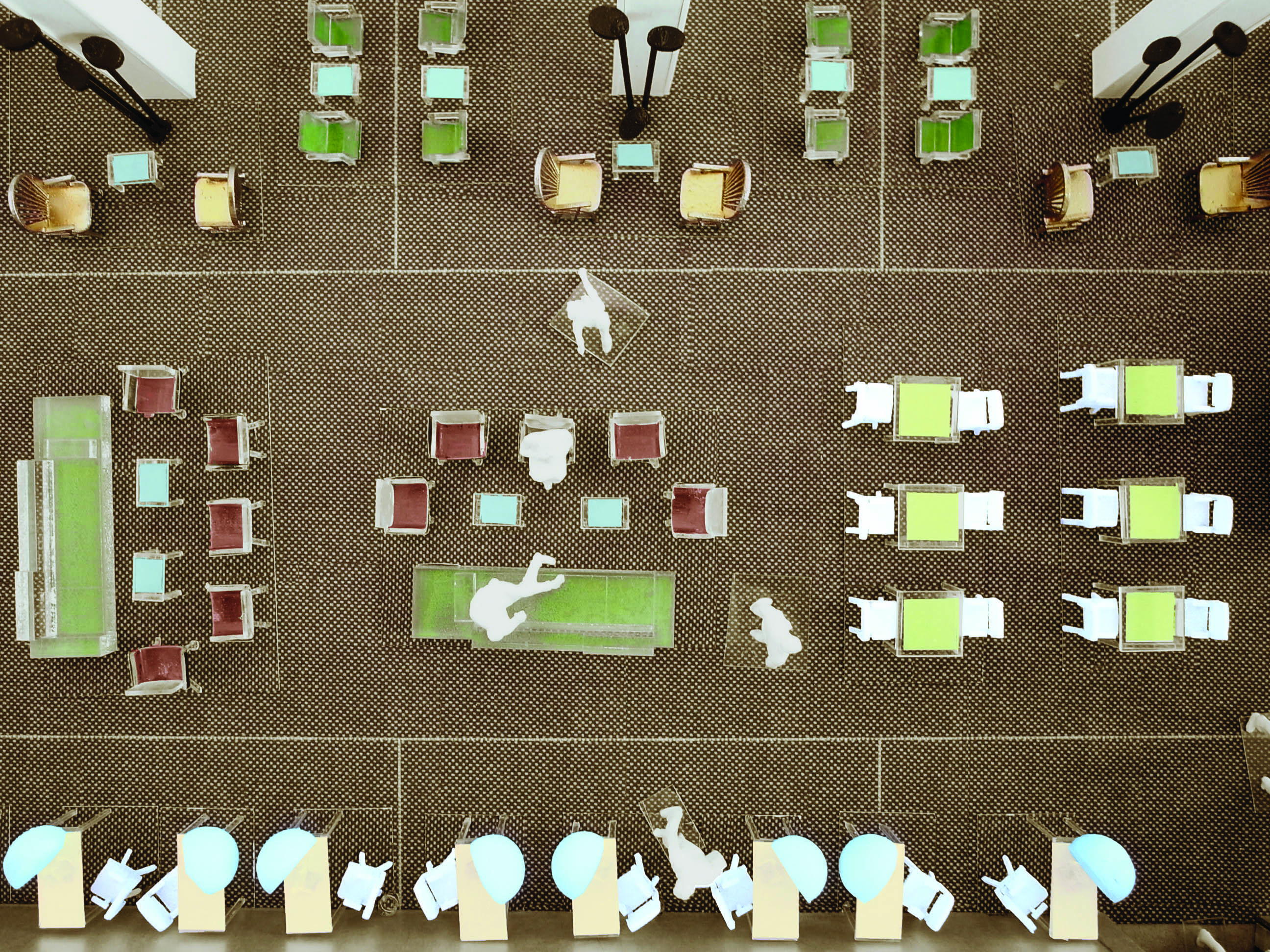
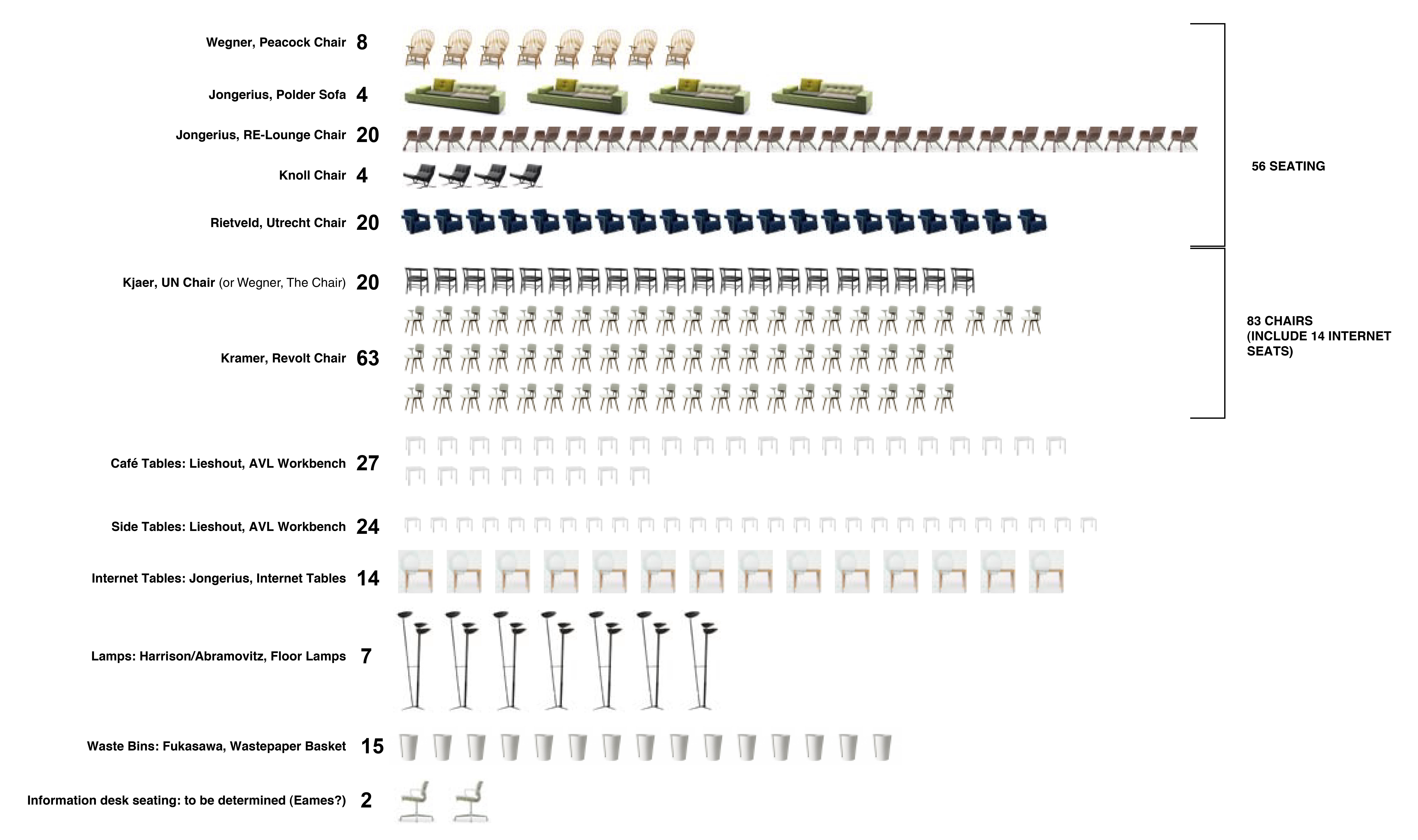
The lounge was already equipped with numerous legacy Dutch furniture pieces. An inventory was necessary to make intelligent decisions going forward. The furniture was assembled and curated to design a whole that felt open but cozy, creating privacy and opportunities for mingling and relaxing together.


.jpg)


Atlas Obscura: What happens here stays here – unless it affects the whole world.
UN Delegates' Lounge on OMA's website

'Le chêne,' pronounced [leuh-sheh-n' means oak tree in French, my native language.