Design Research ● Spatial Design ● Product Design
The software explores all the possible permutations of a solution, quickly generating design alternatives. It tests and learns from each iteration what works and what doesn’t.

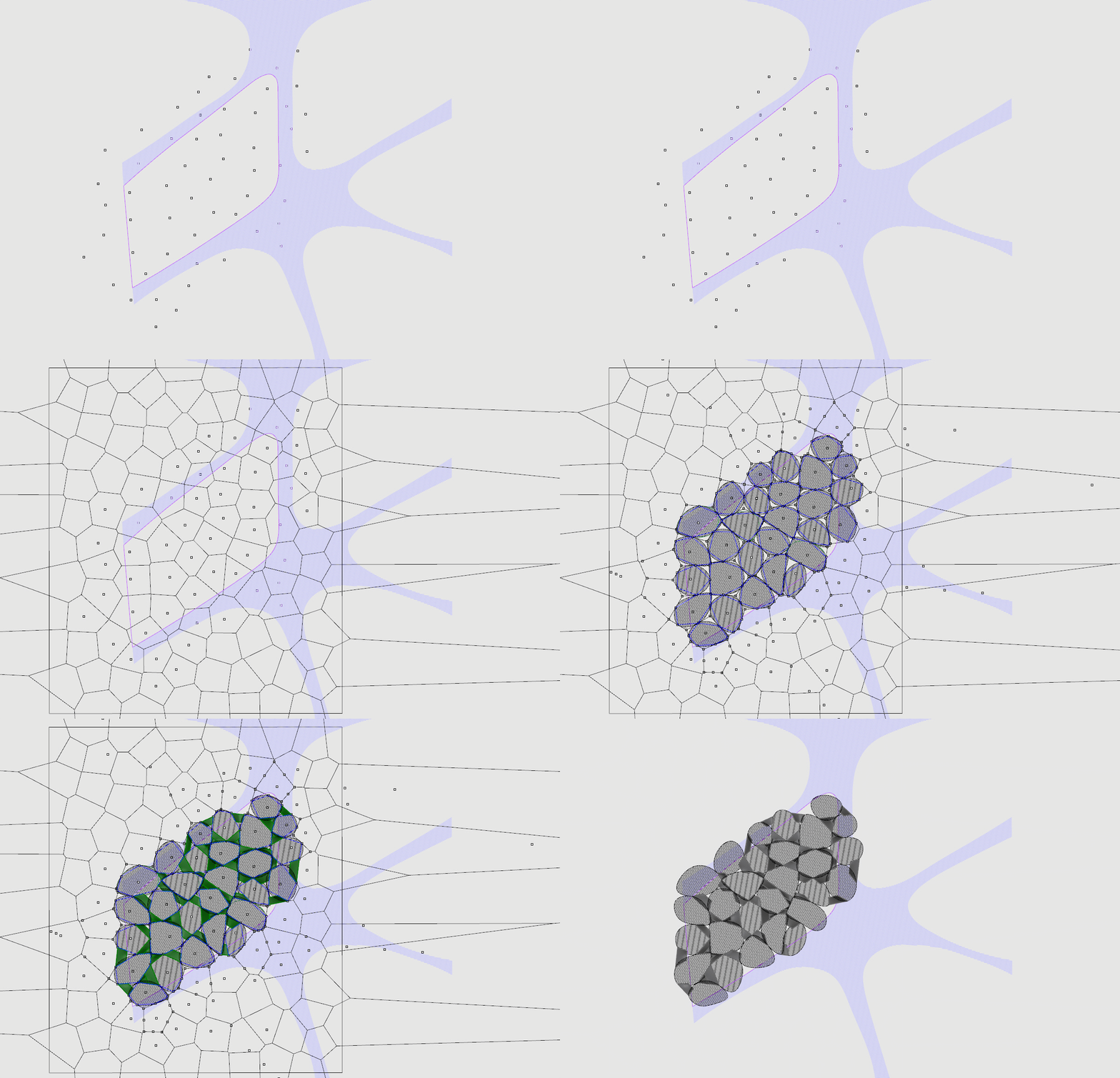
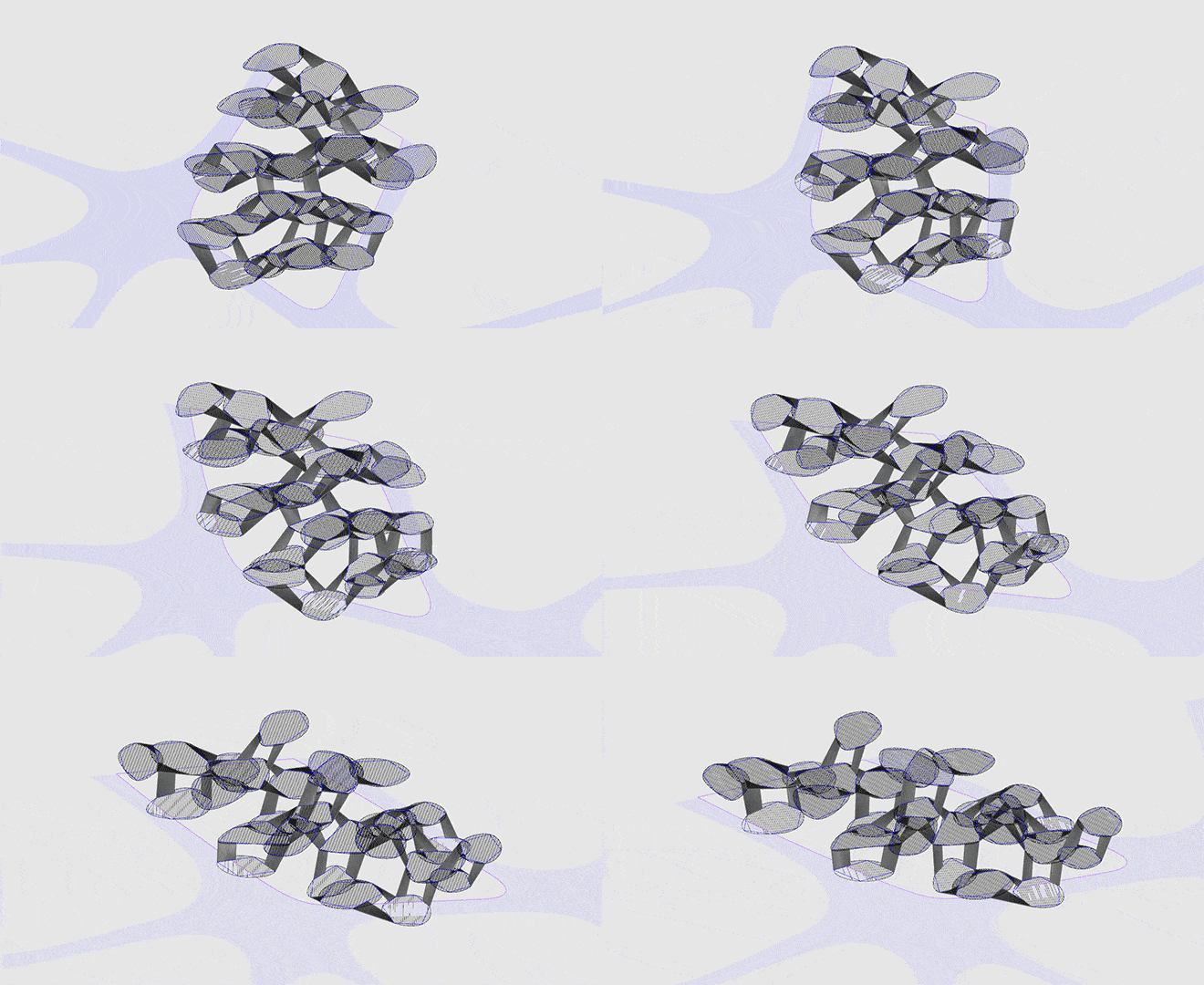
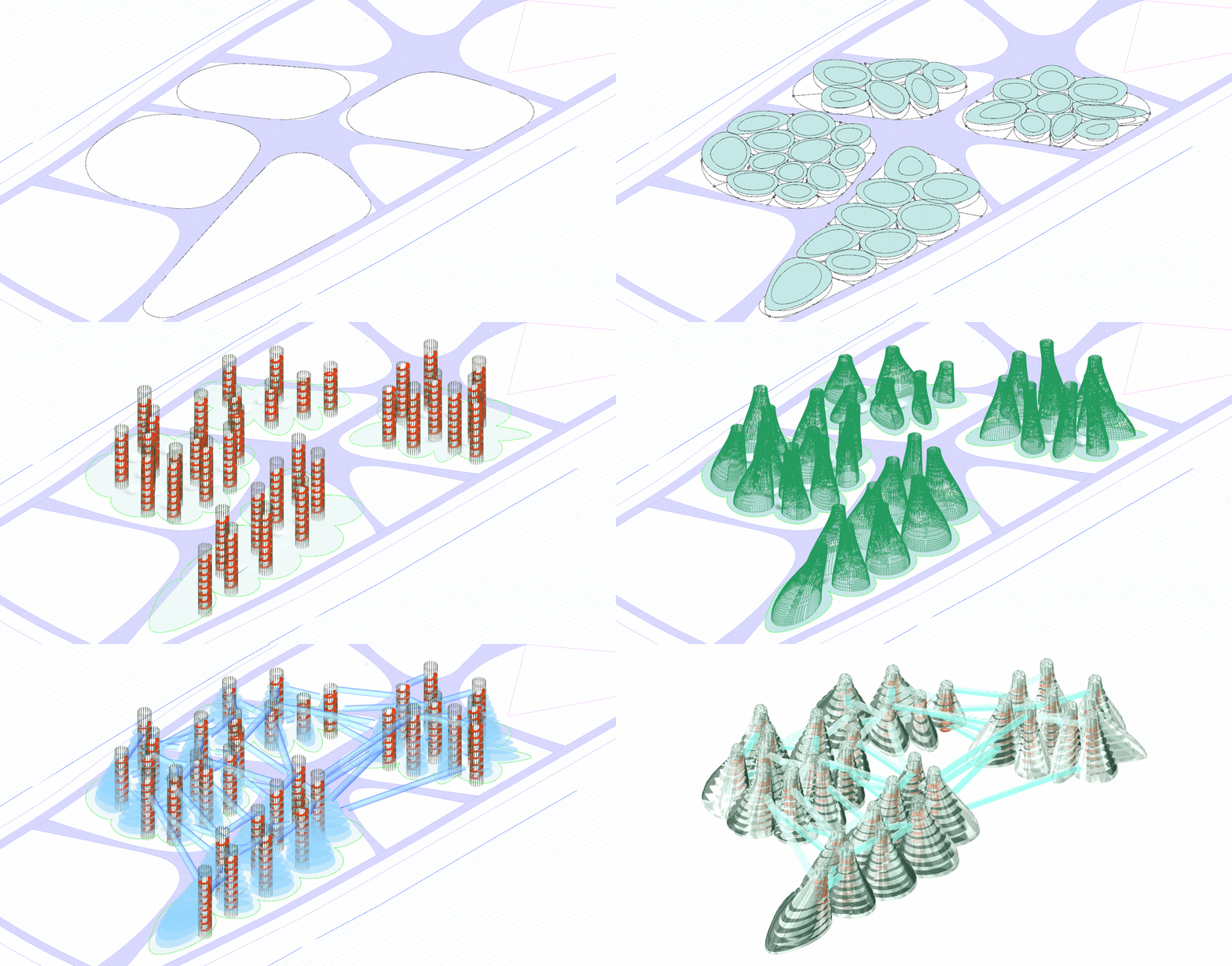
Pluriversity is a building system optimized with generative software. The overall massing is described by an aggregation of building units, forming a cluster. The units are defined by a vertical core. Around it, in plan view, is drawn a cell like circular edge. The vertical core and edge are joined by draping a facade following a curve like pattern when described in section.
The generative explores all the possible permutations of a solution, quickly generating design alternatives. It tests and learns from each iteration what works and what doesn’t. The building system is described by parametric definition built with Grasshopper for Rhinoceros. The Grasshopper script was optimized with Galapagos, a generative design plug-in. Two sets of two criteria were used:
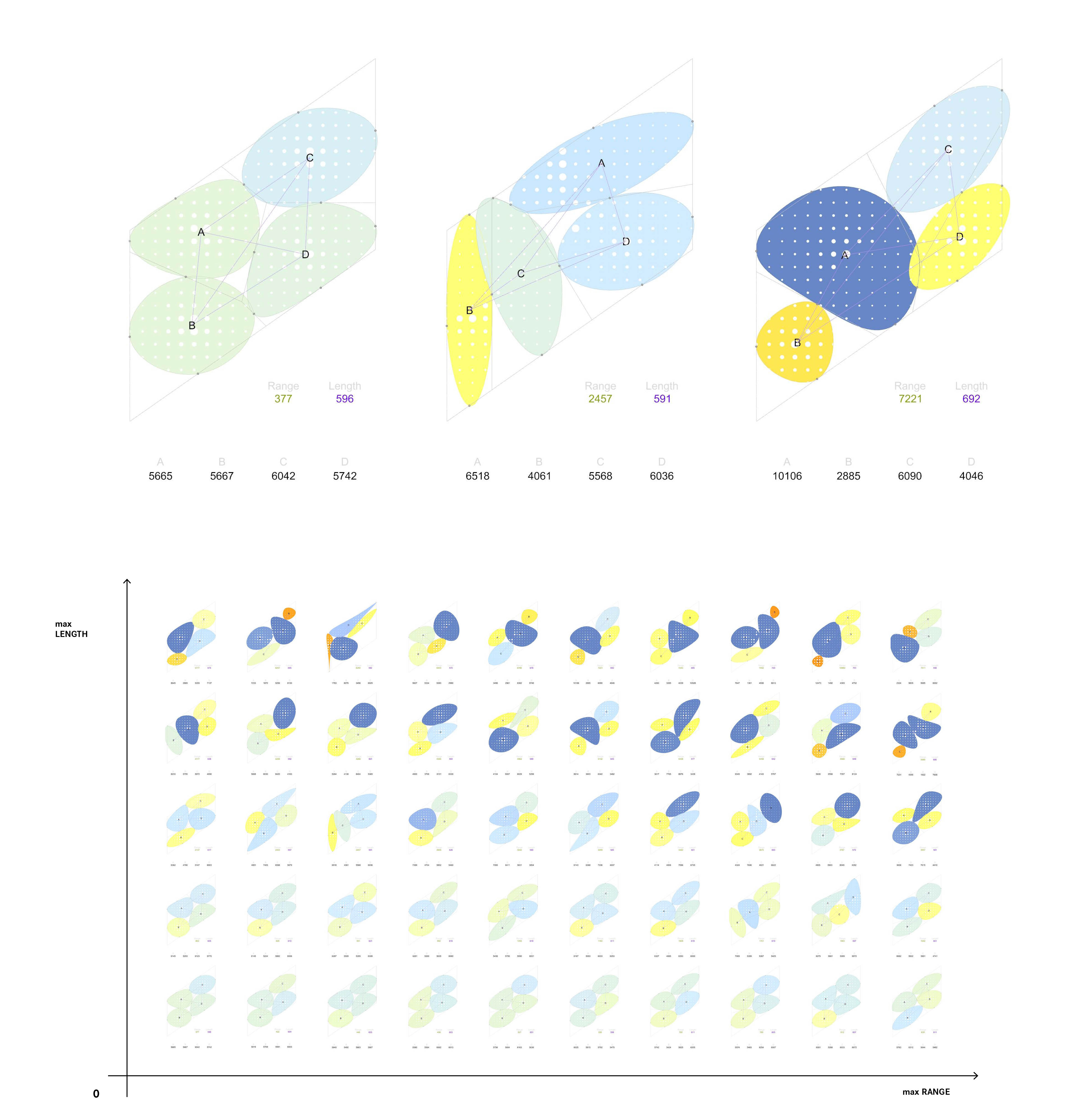
The unit area range parameter compares the area of each unit in a cluster. The range is a difference between the highest area value in a units and the lowest area value in a unit. Minimal range difference was preferred.
Each unit has an epicenter. Each epicenter is connected with a line. The circulation length is calculated by adding the length of each line. The preference of minimal length is indicated to the generative design software.
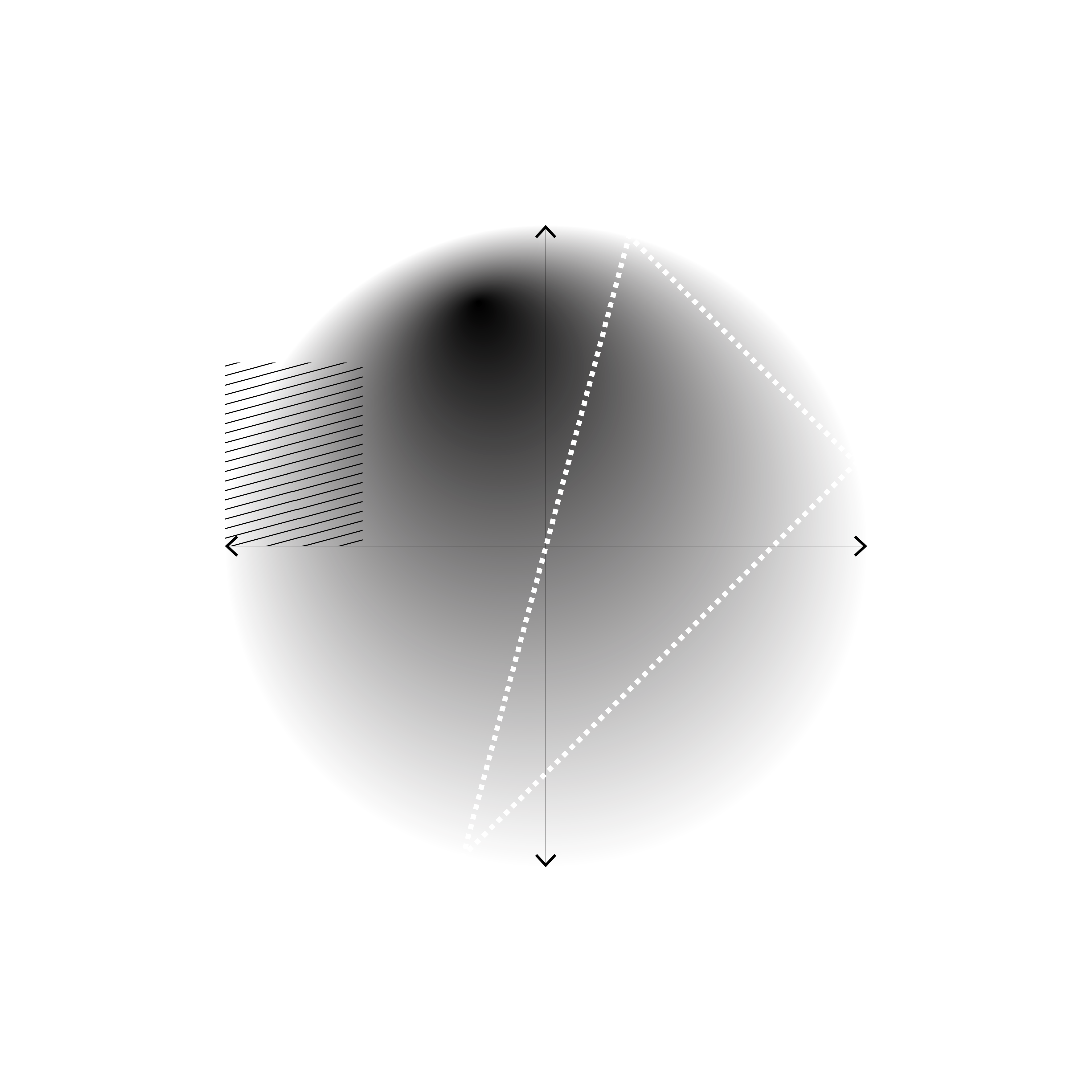
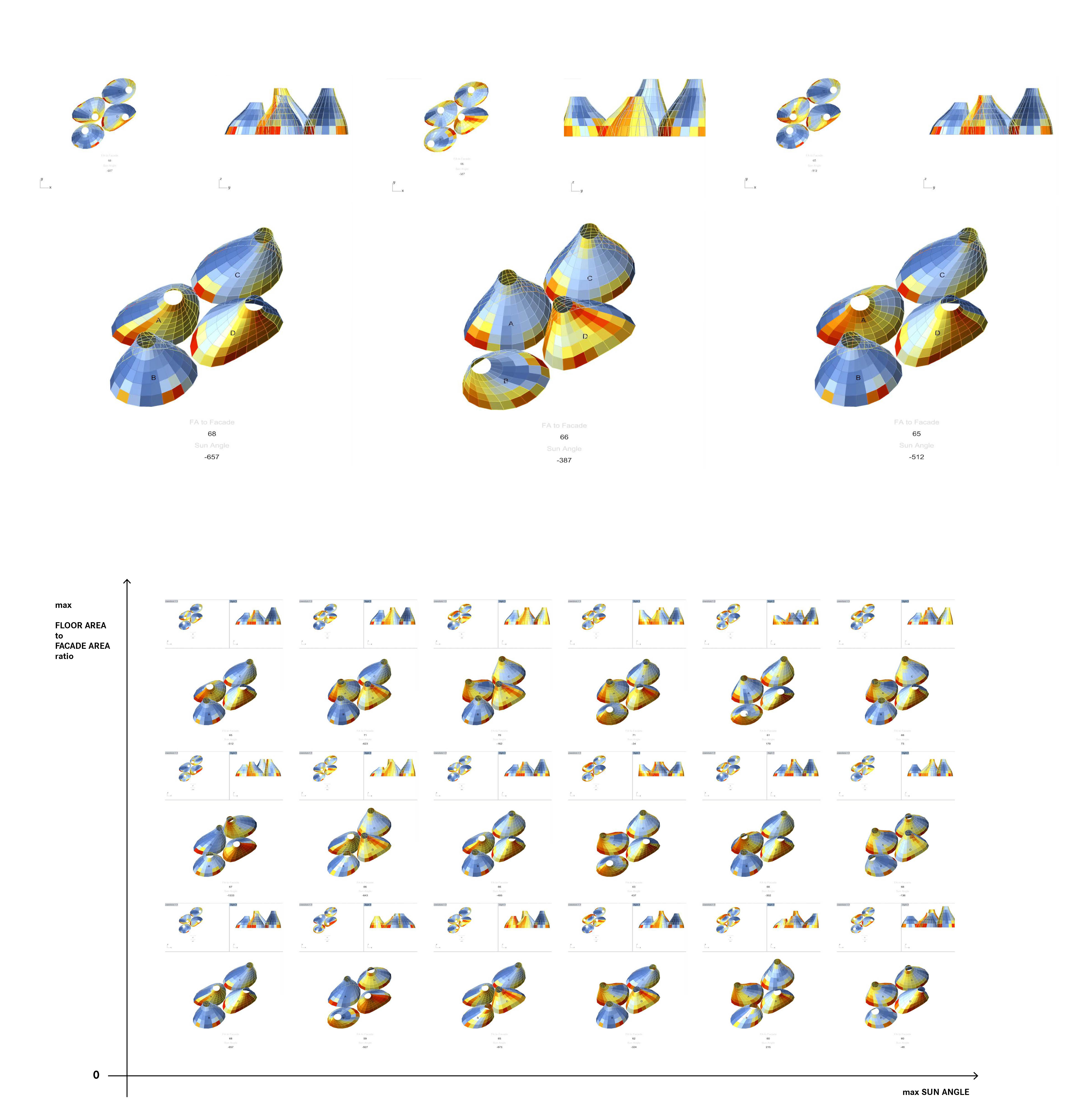
Three iterations are shown in a larger format. All various iterations produced by the software are visualized on a two axis matrix below. It enables the designer or client to choose from a variety of options. It's like shopping for vegetables!
The floor area & facade area ratio is calculated by comparing the floor area of a the units in a cluster with the facade ration. Developed tend to want to maximize floor area for facade ration, as it enables a higher return on investment. This parameter was designed with this logic in mind. A preference for a higher ratio is indicated to the software.
The sun exposure calculates the average direct sunlight exposure of a facade panel. A higher parameter is preferred.

'Le chêne,' pronounced [leuh-sheh-n' means oak tree in French, my native language.