UX Research ● Spatial Design ● Construction
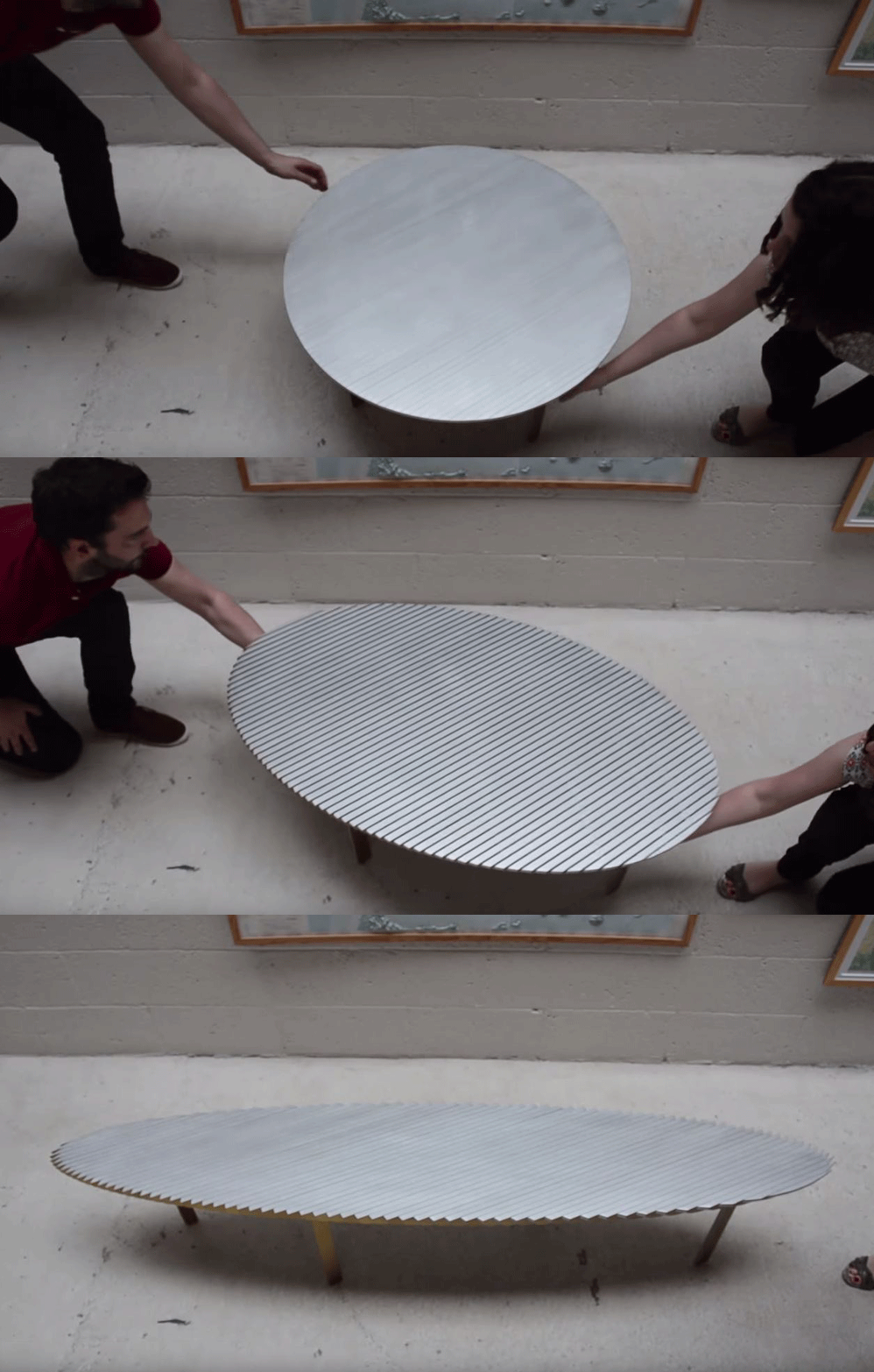
What if everyday objects transformed like clouds?

Inspired by Taylorism’s open-plan factories and designed to maximize productive efficiency, the open-plan office first appeared about a century ago, epitomized in Frank Lloyd Wright’s Larkin Administration Building inaugurated in 1906.
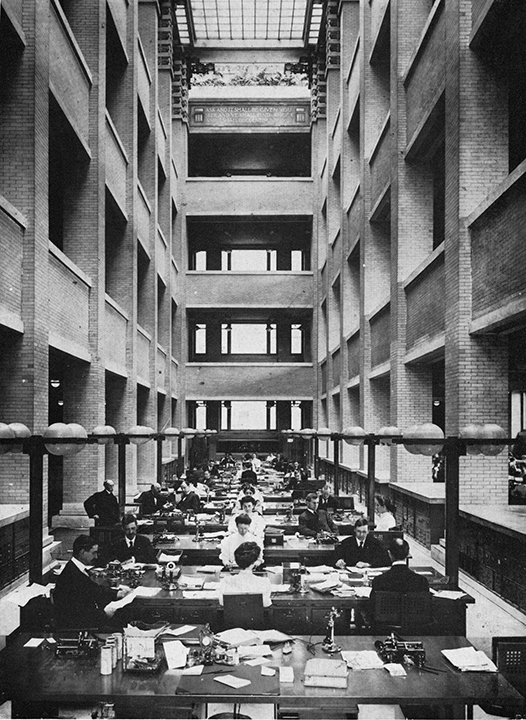
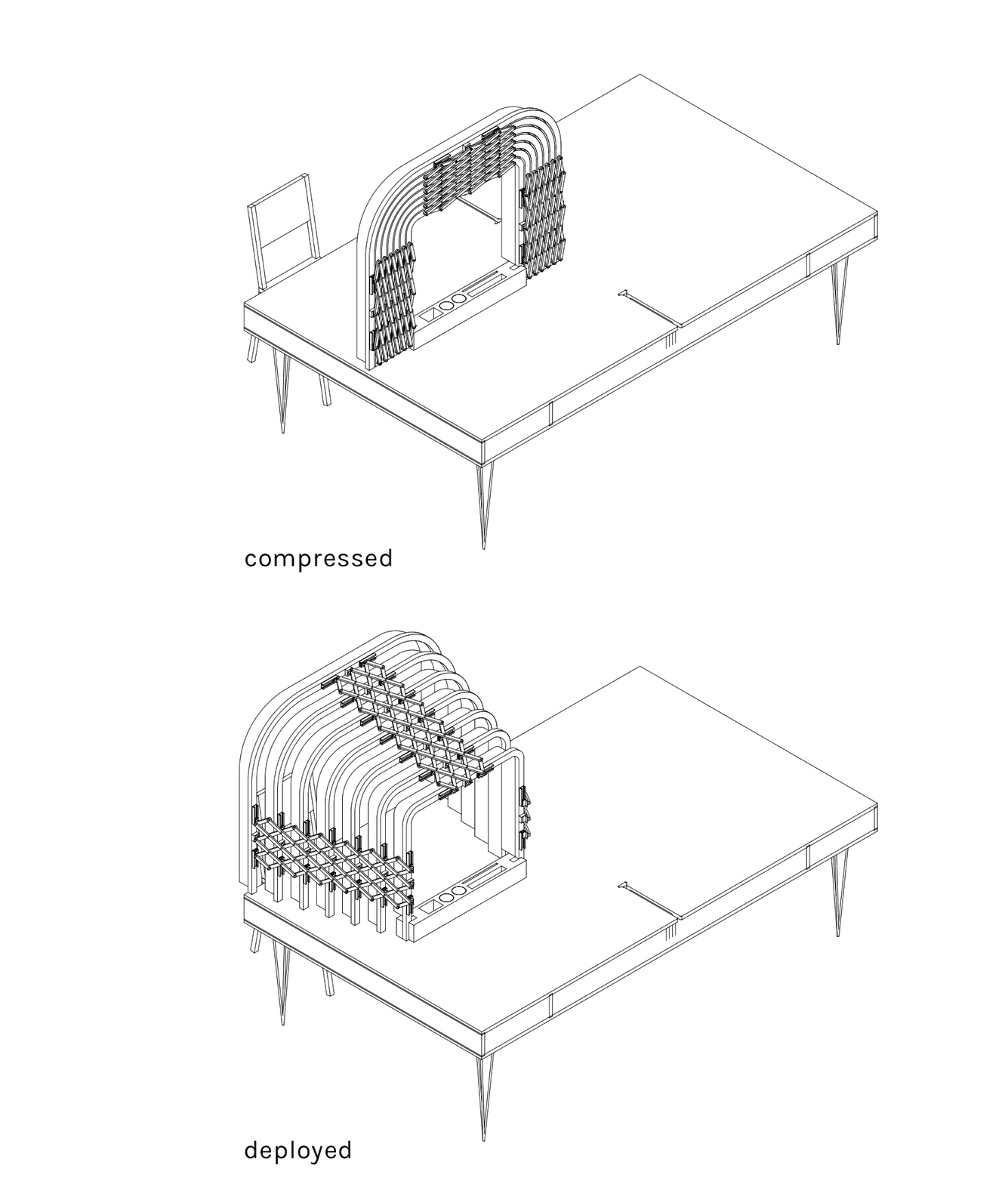
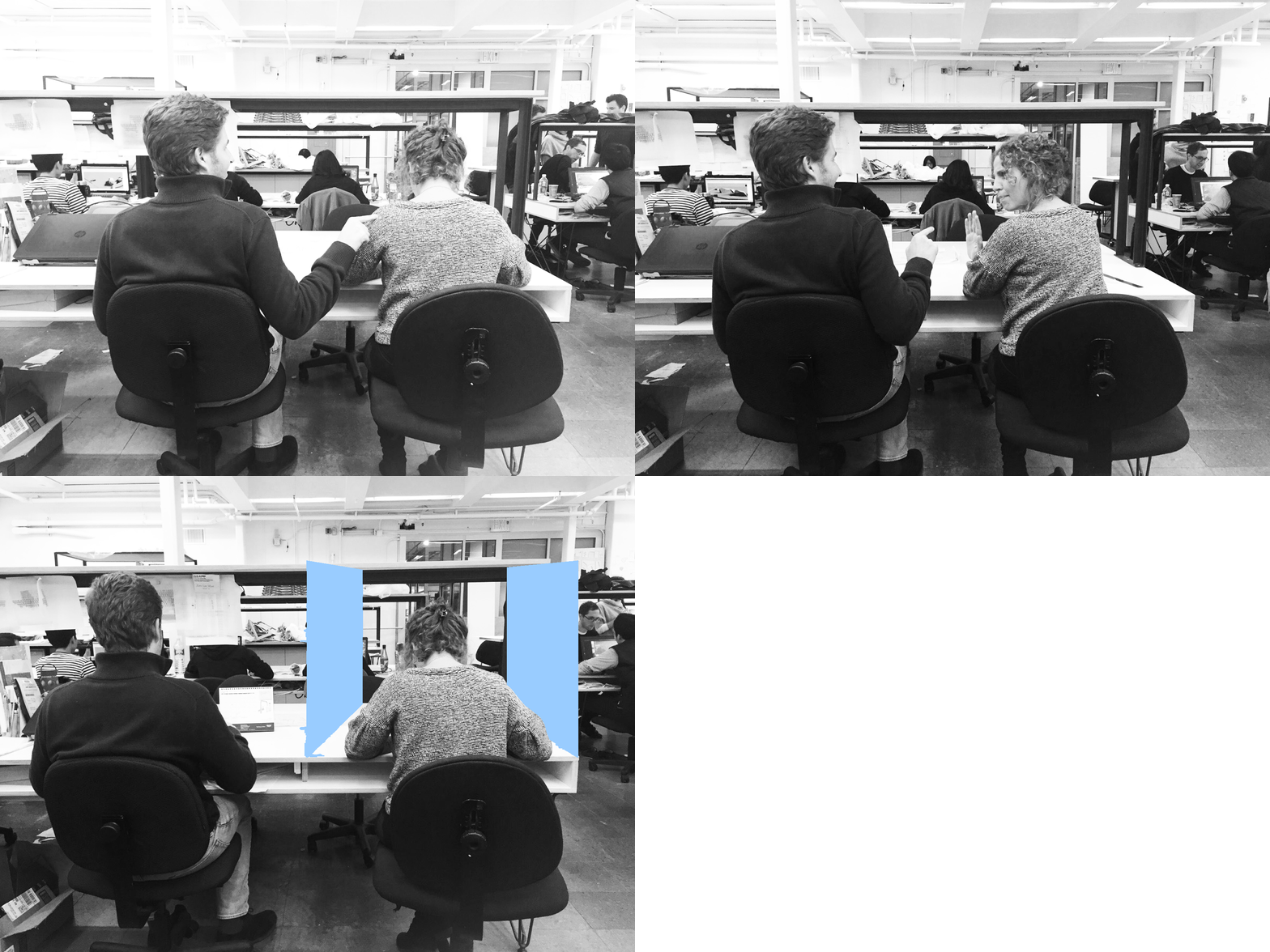
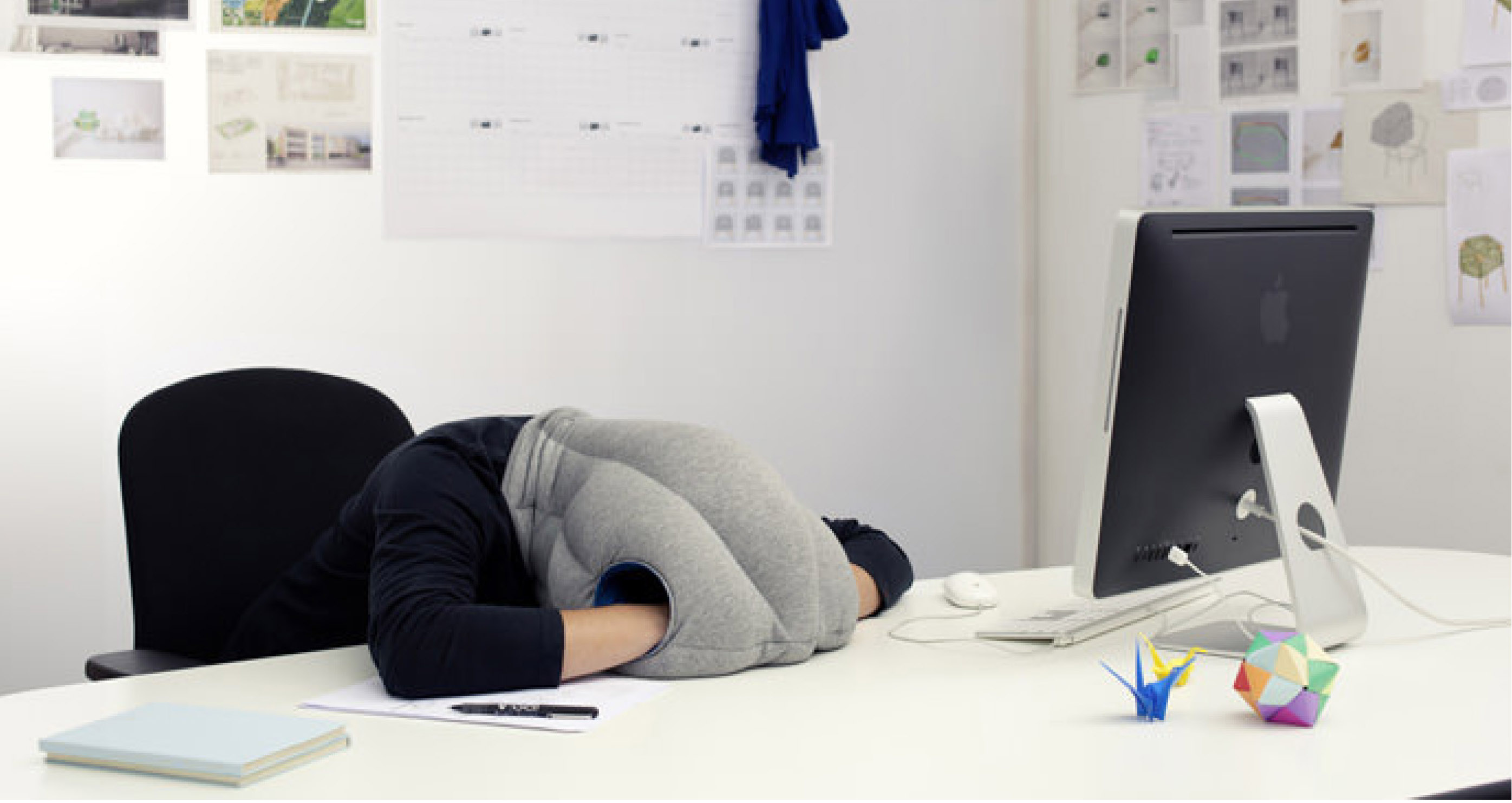
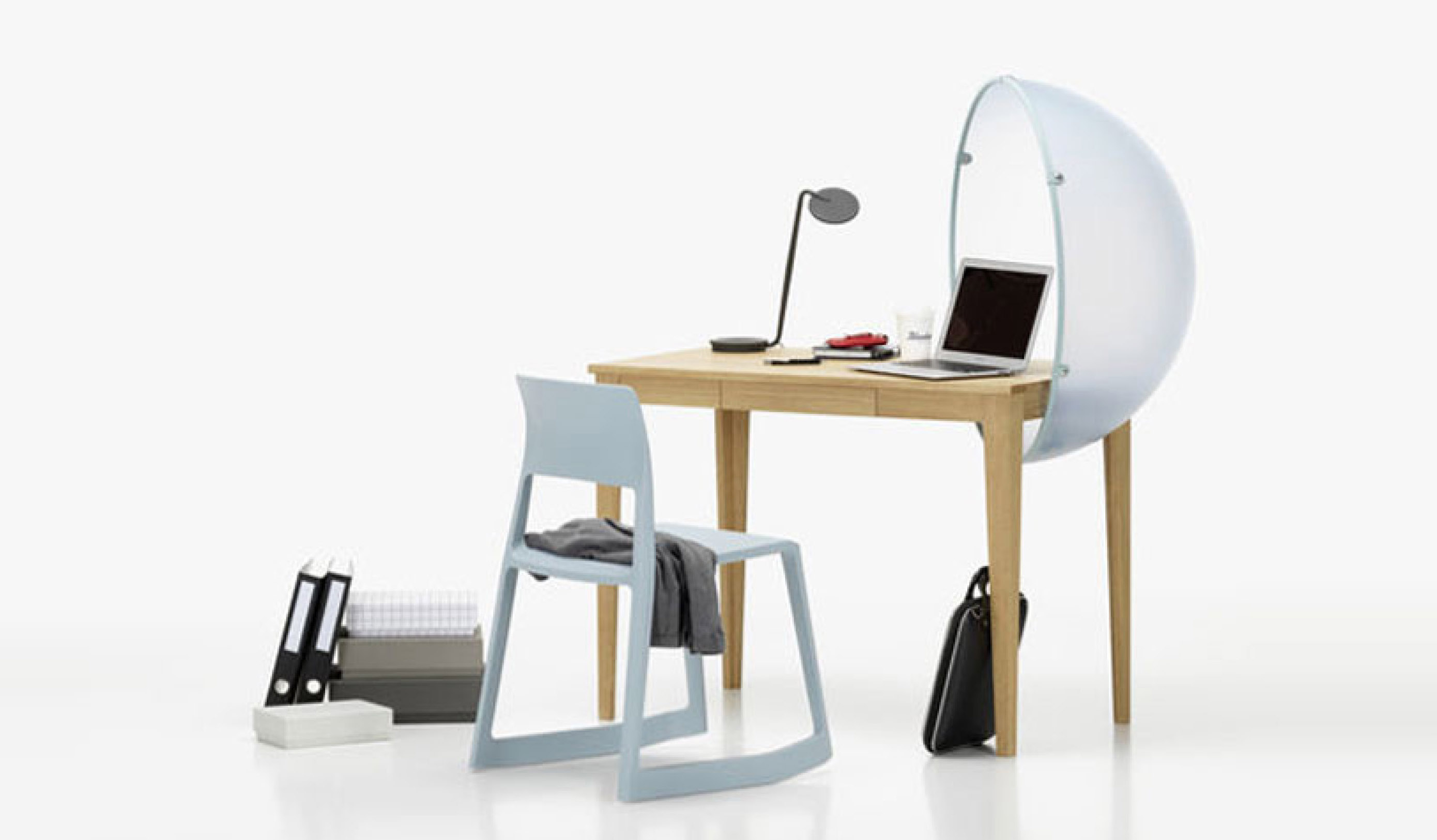
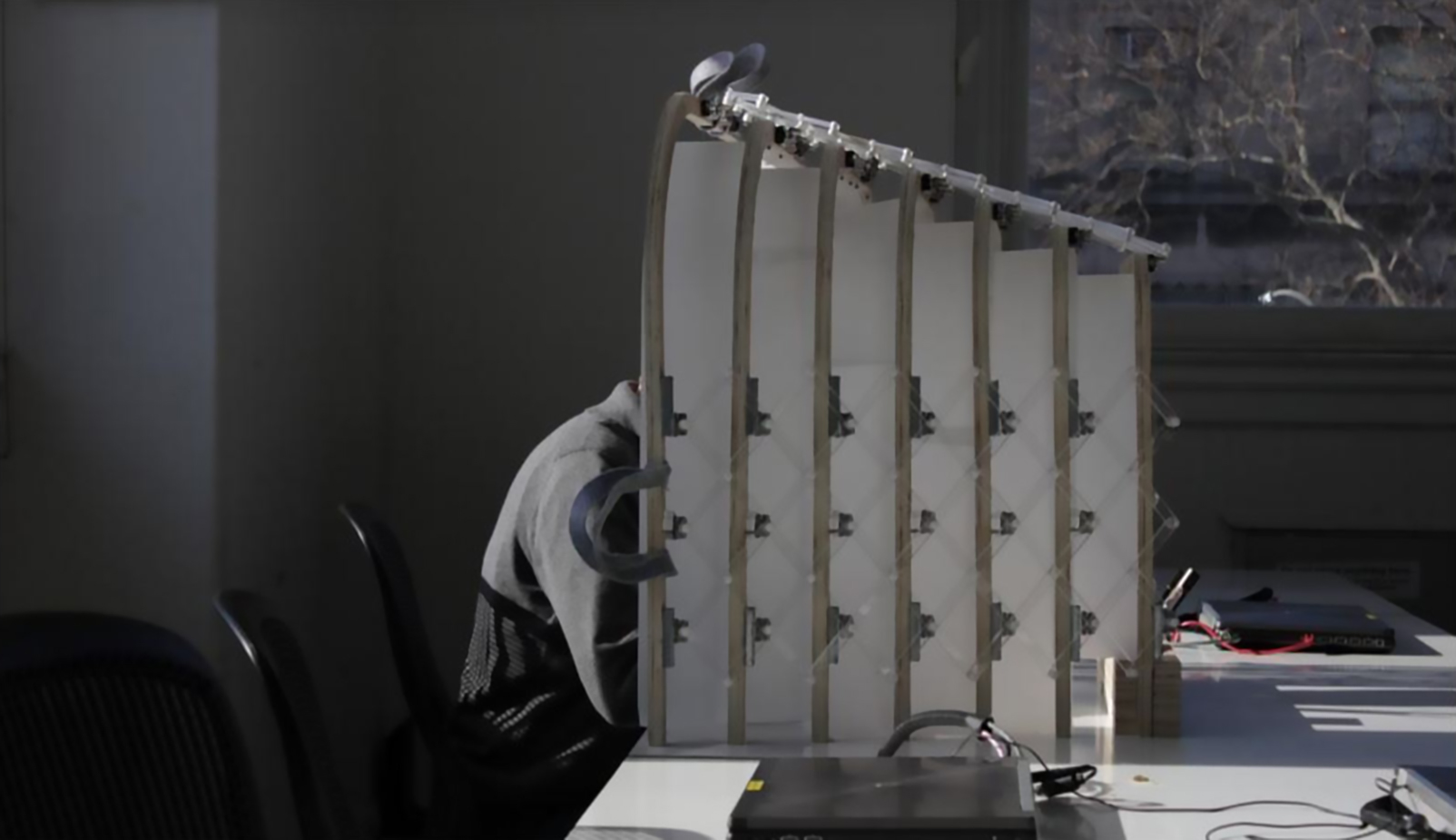
The open-plan office has since then grown in popularity to become the dominant workplace typology. Meanwhile, digital practices have transformed the nature of office work. Automation, shared spaces, and independent workers exemplify the need for flexible spatial arrangements. Toward this end, Unlinked makes the unique proposition of individual privacy for the open office. A desk-mounted screen deploys into a private enclosure with a simple hand movement.

Conceptualized as a mass-produced addition for the mainstream open-plan office, Unlinked was optimized for the open-plan studios of Avery Hall at Columbia University. A dozen interviews were conducted with peers within the studios to yield the following data:
- 100% of peers wish they could finding calm and quiet without having to step away from their studio desk
- 83% of peers have trouble reading and writing in the open studios
- 75% of peers would like the overhead lighting to be adjustable
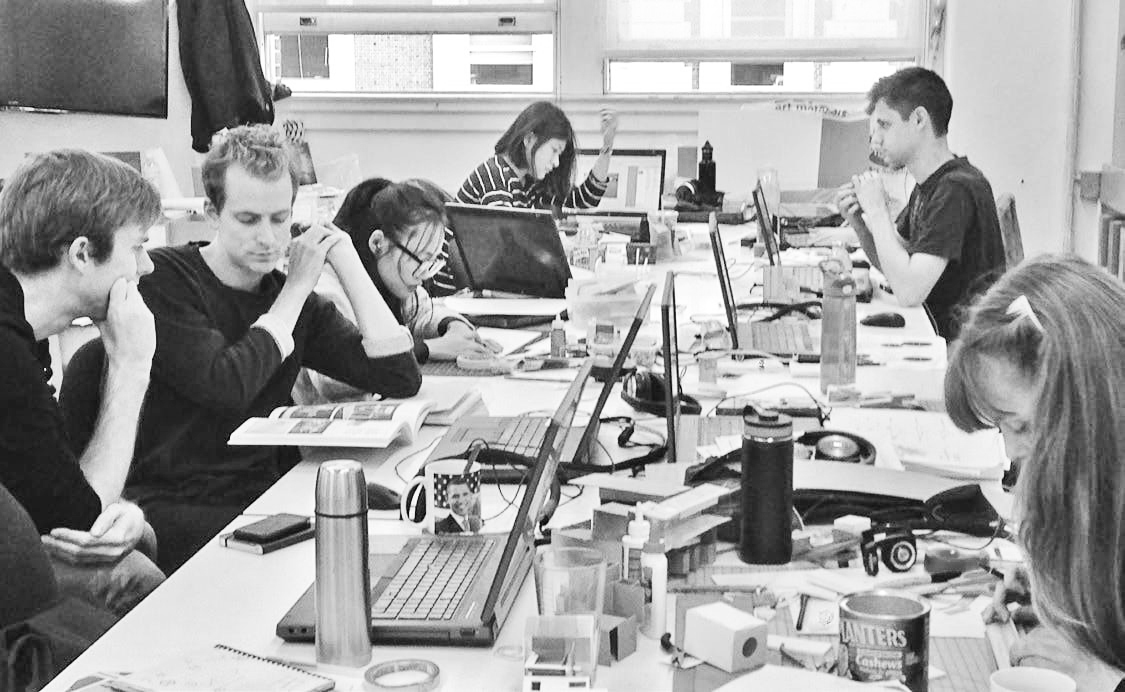
Within our team, my role focused on strategically positioning the project through precedent research, schematic design, and narrative construction. My secondary role was managing execution to ensure deadline is met.
The seminar only required that we design a structure that transforms. I lead our team's initiative to put those skills towards solving specific users' problems instead of simply staying within the artistic scope of the seminar project.
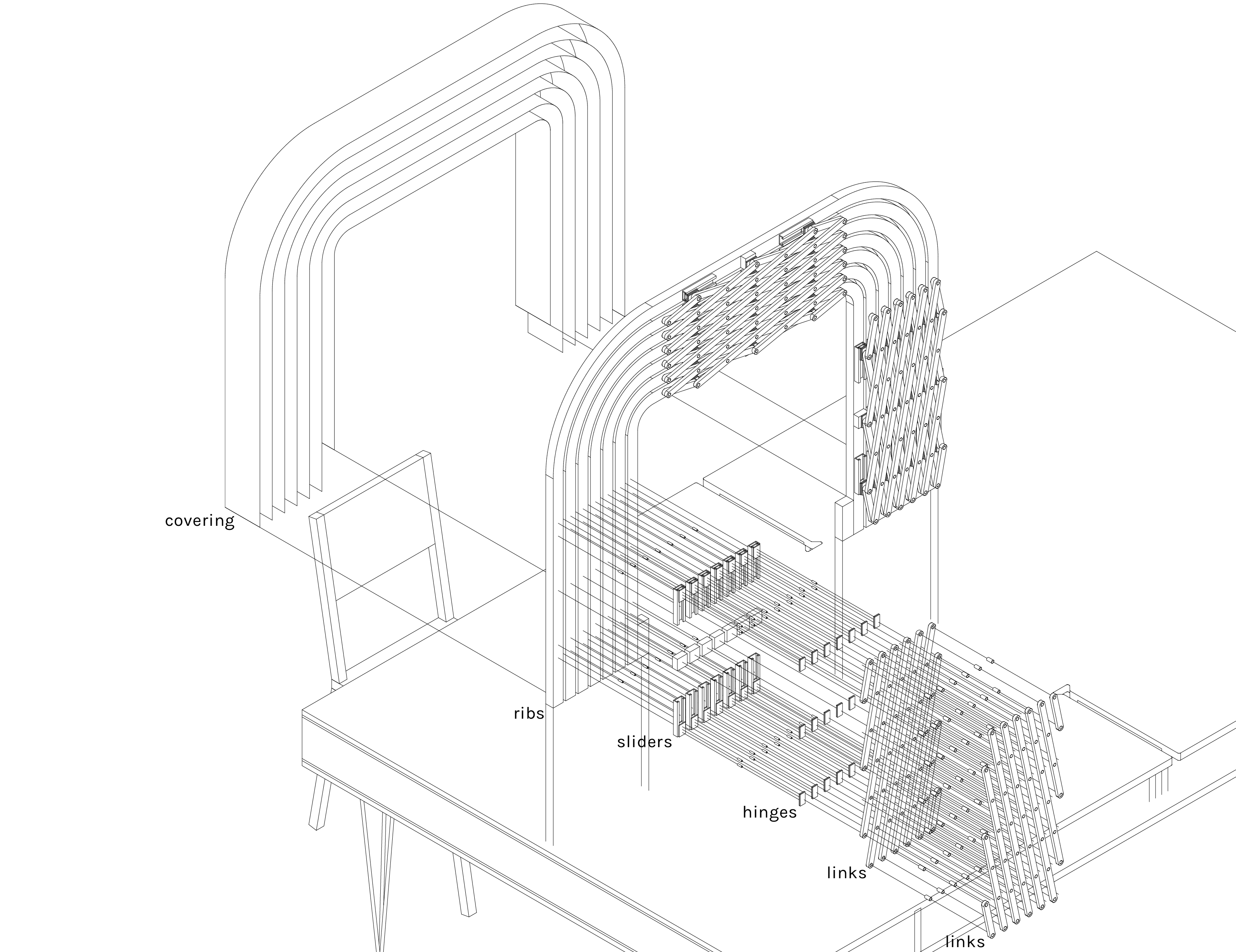
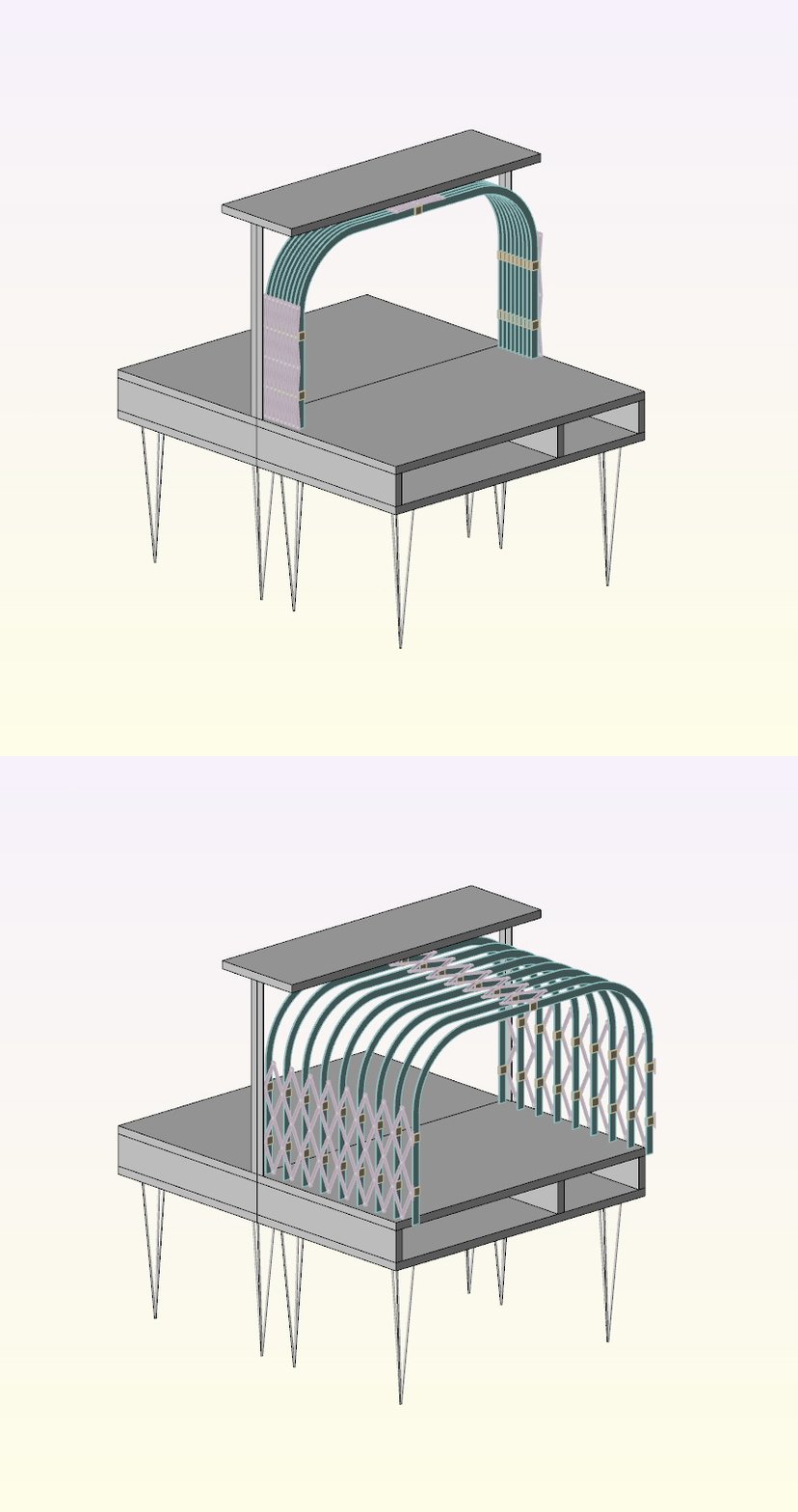
The system developed for the project features three sets of 1⁄4" plexi scissor links bridging seven ribs that form a large canopy while extended, and a ¾" wooden plane while retracted. It can be slit in and out of its anchor by a single person.
Some of the challenging engineering problems we encountered and were:
- how to anchor the system on the desk
- how to make the system as minimal as possible when folded
We solved them with the following strategies:
- minimal but heavy pen holder and phone charger
- incremental sizing of ribs such that it fits onto a single plywood sheet and makes efficient use of material
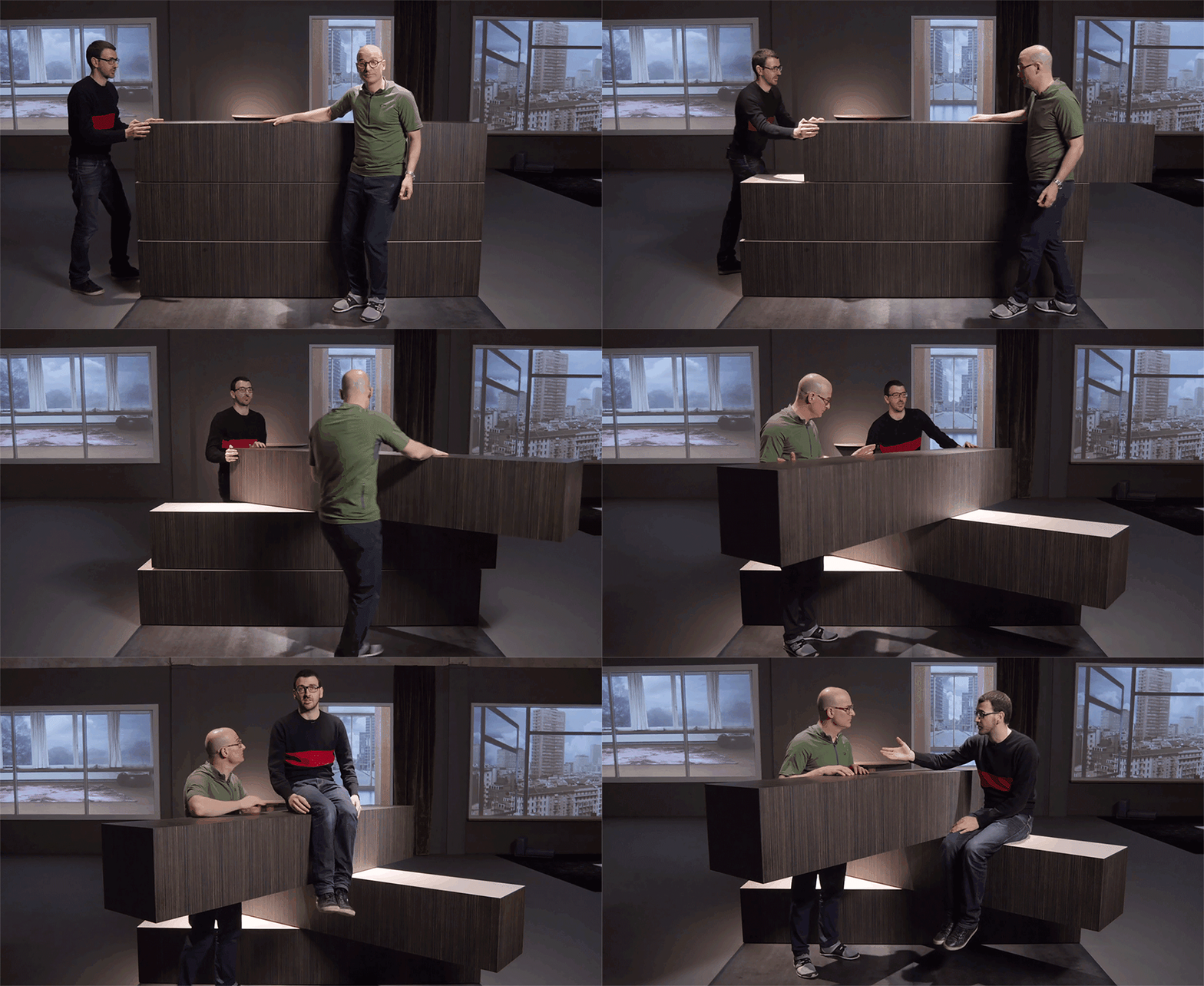
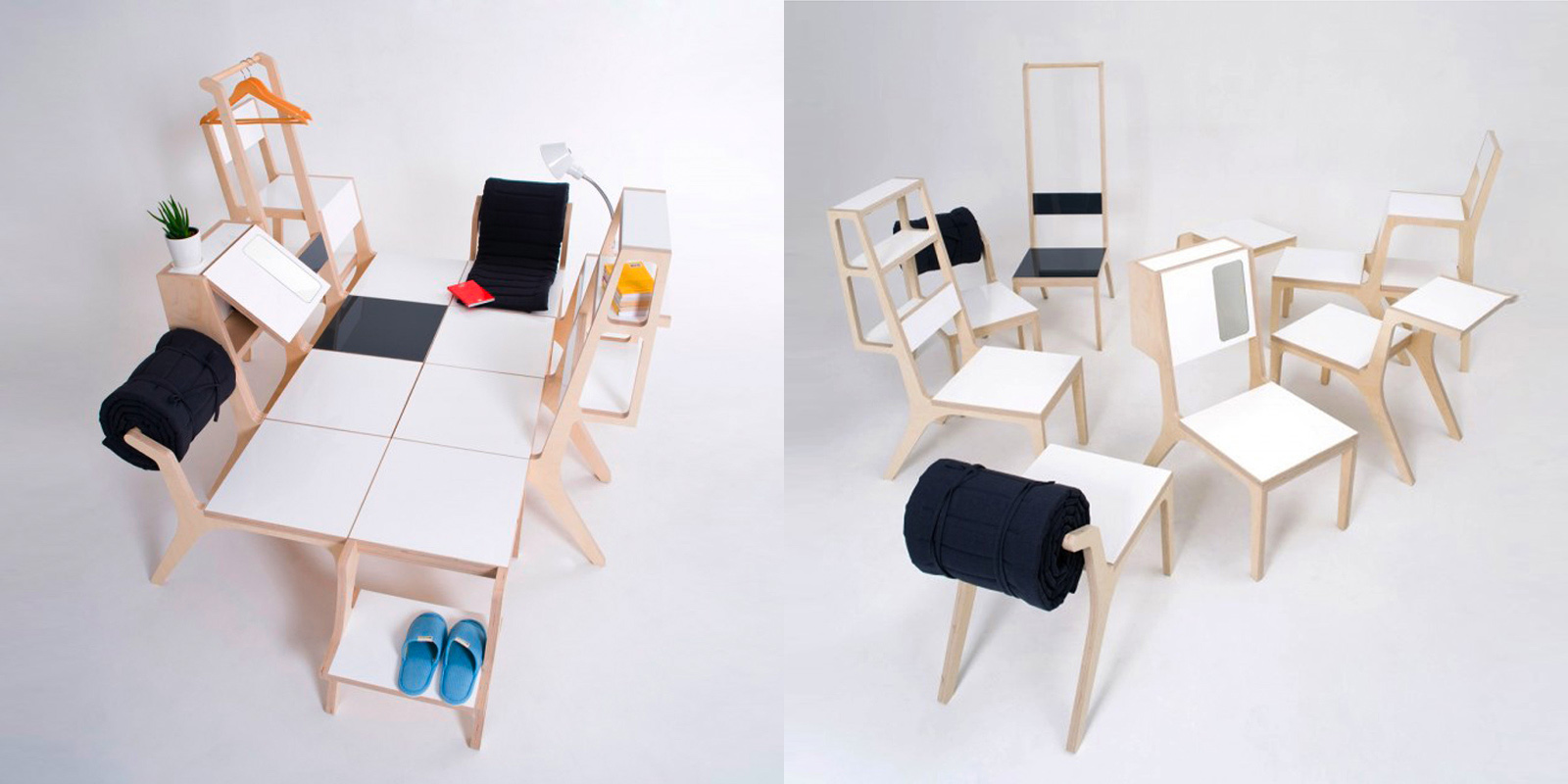
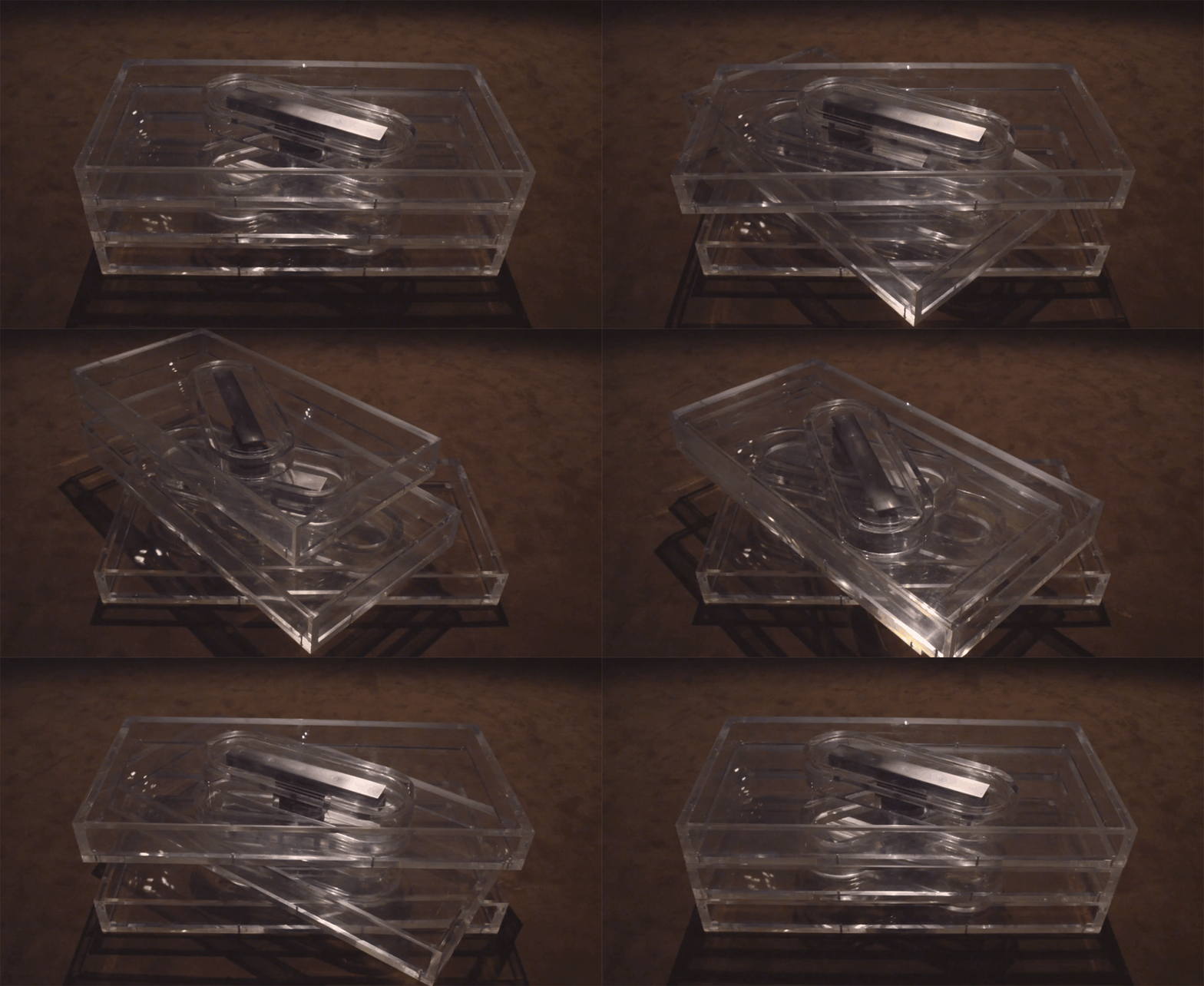
The early iterations allowed to develop a gestural language. Modeling these early ideas allowed to identify the key performance criteria:
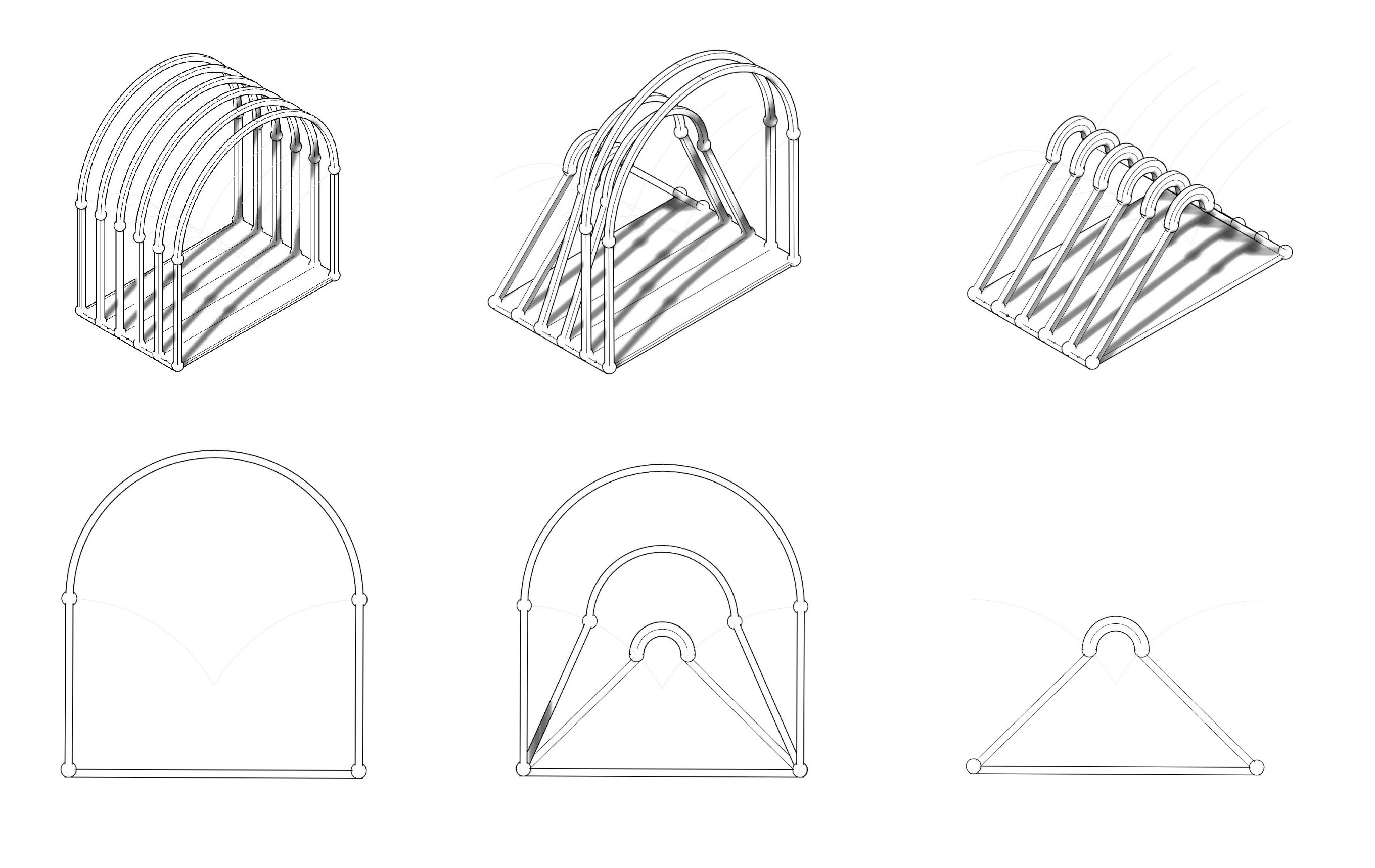
A pin-jointed triangulated truss system supported by a shelve was explored in detail...
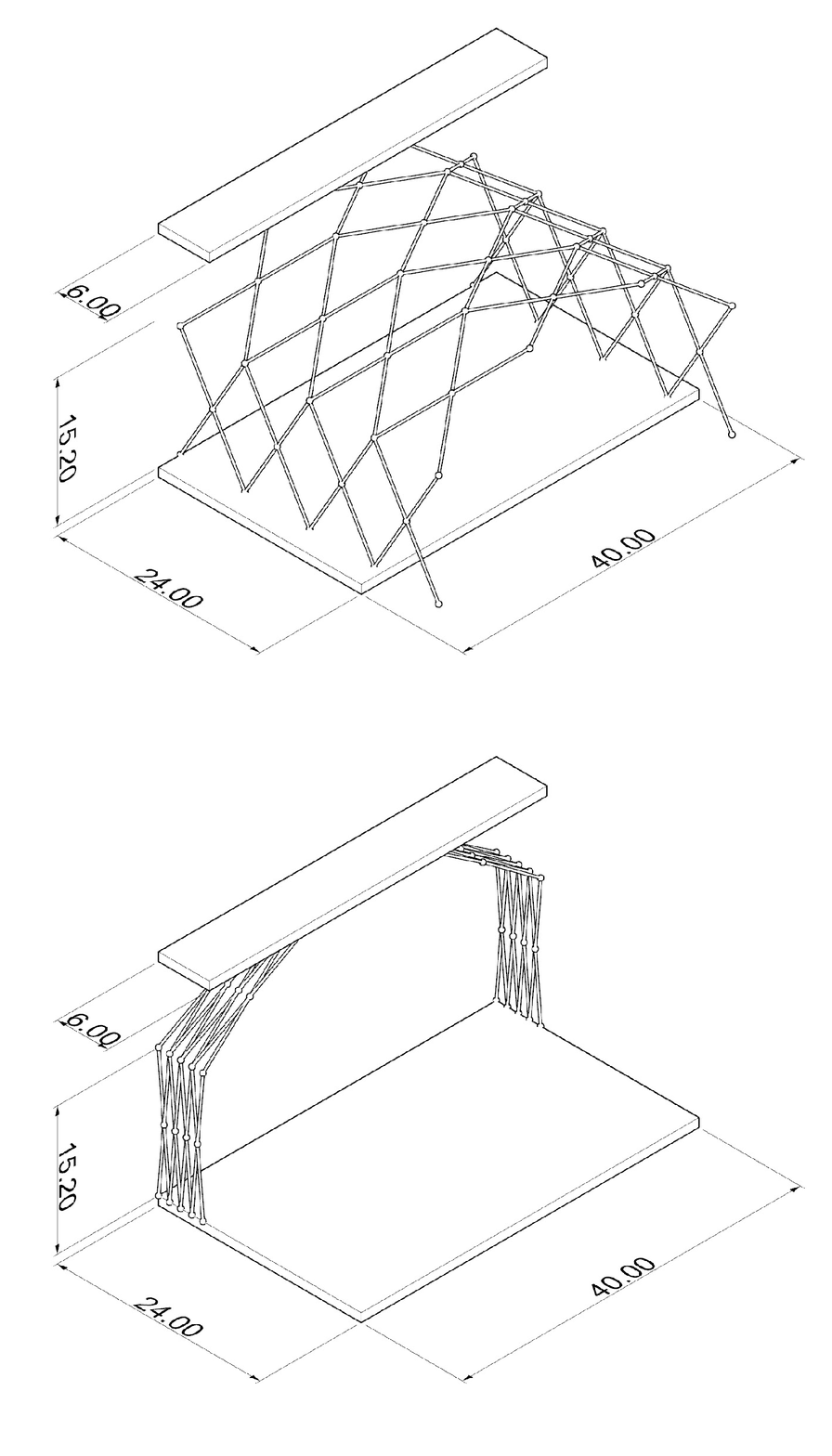
A rib system supported by a classic expandable trellis manifested as a valuable
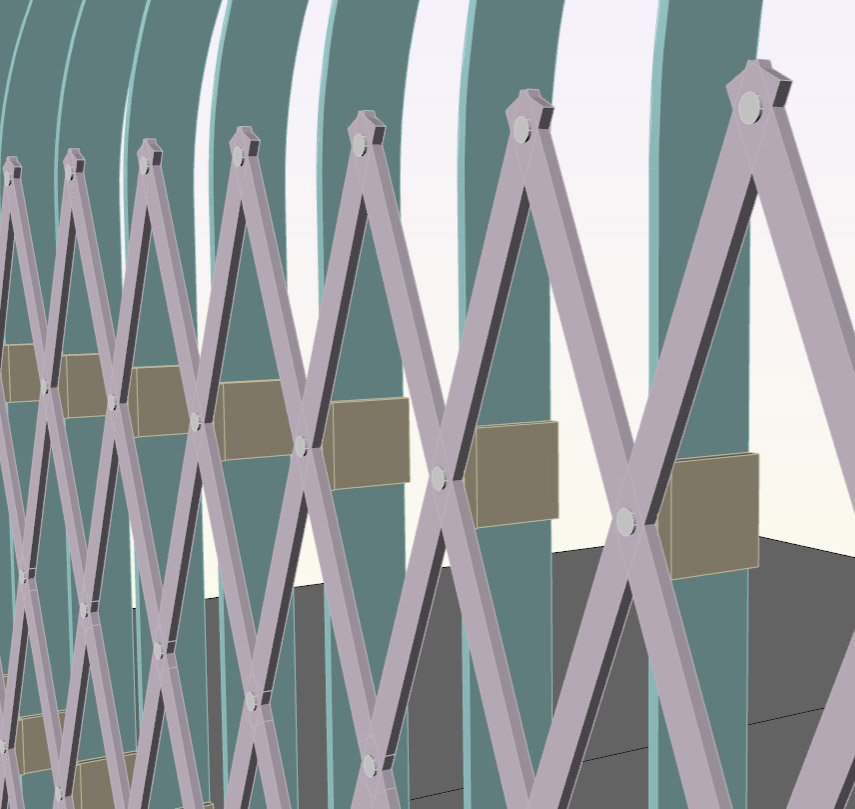
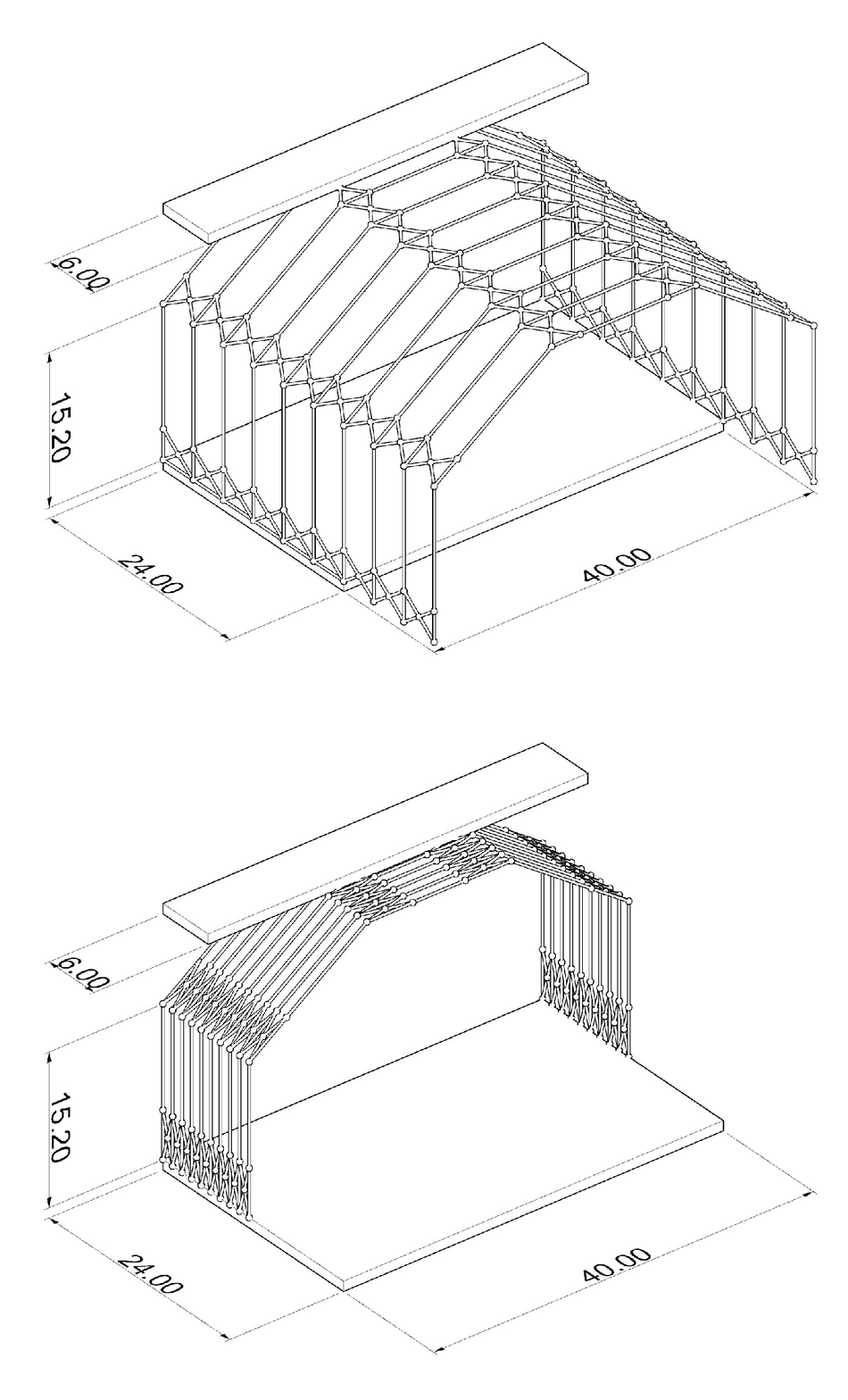
However, the stacked ribbed system occupied too much space when retracted. It also wastes a lot of material as the trusses need to be milled from hardwood.
These various shortcomings made way for the exploration of a growing rib framework. It is extremely material efficient as the ribs all fit within each other like Russian dolls. In addition, it allows for the piece to retract into a perfectly flat, very compact volume when not used.
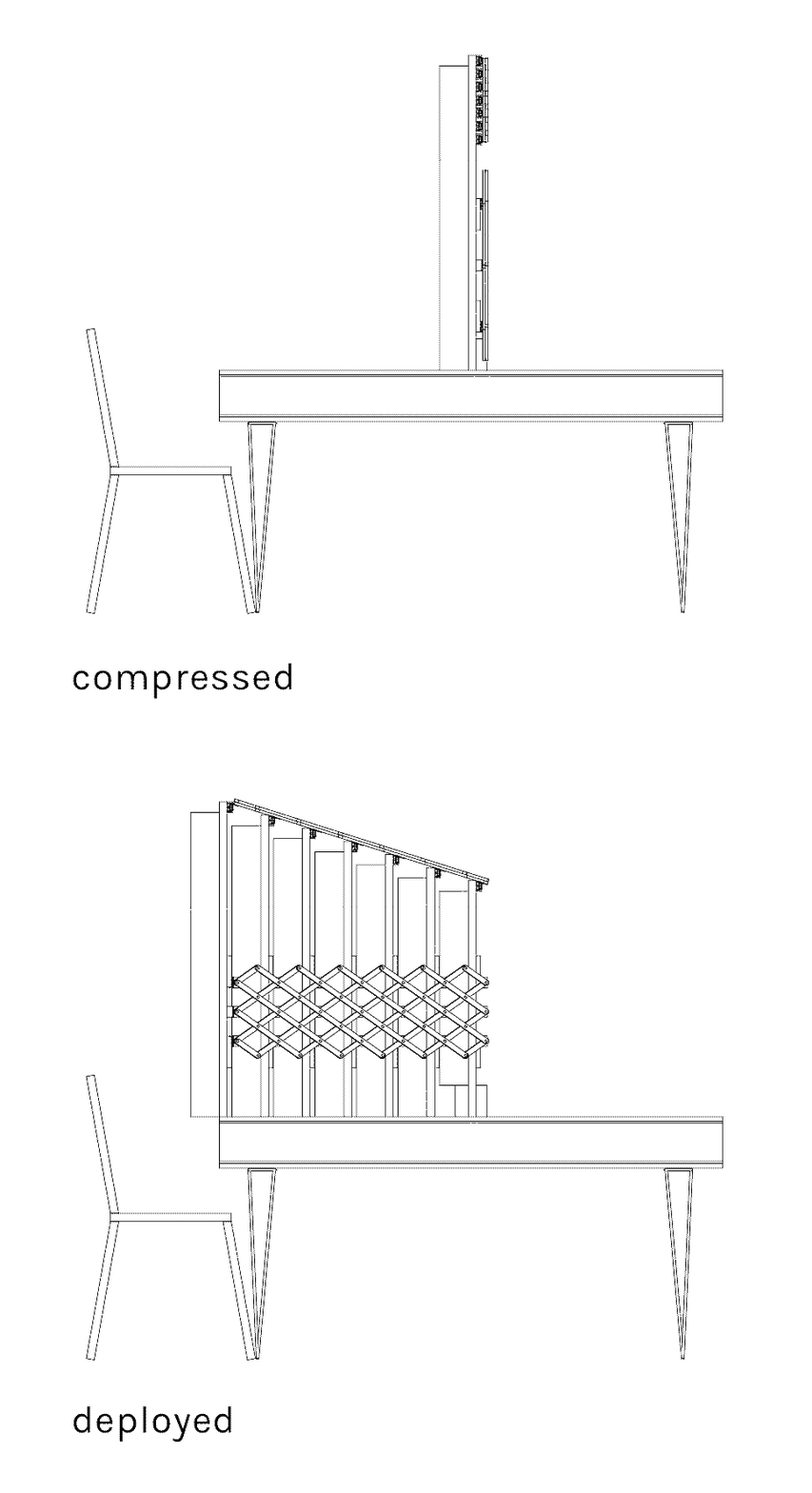
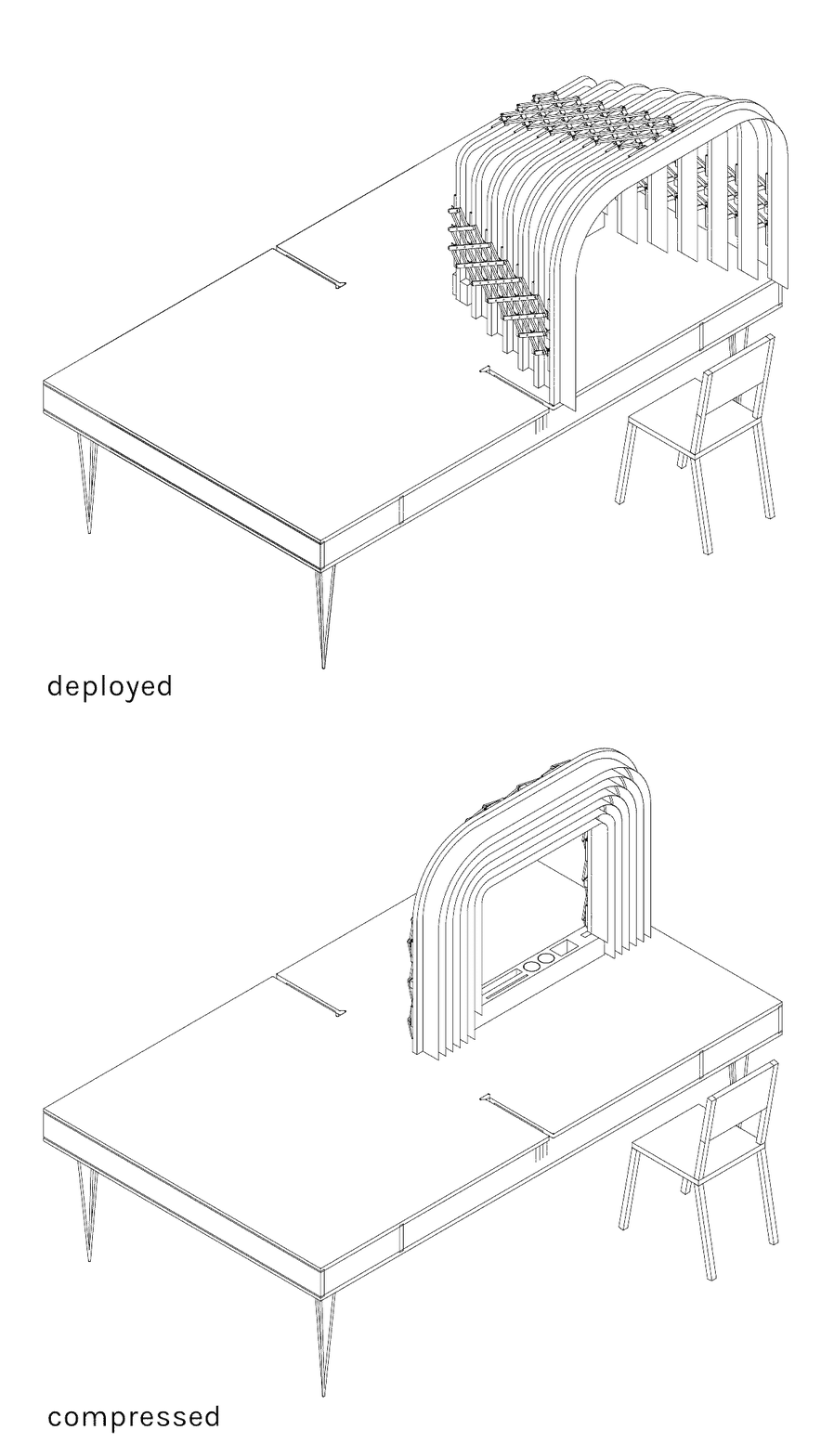
The anchor volume serves a dual purpose of securing the deployable frame to the table and holding objects such as pens and stationery.
The work desk becomes a social space while the canopy is retracted.

'Le chêne,' pronounced [leuh-sheh-n' means oak tree in French, my native language.