Interior
OMA — Rotterdam

NAi Treasury — let me in on a secret.

Can a museum's artifacts be staged as objects of desire?

Designer ● 6 months

Design Research ● Spatial Design ● Construction

Overview

NAI Treasury presents architectural models as objects of desire. The project's key goal is to display 100 of the most prized objects from the Netherlands Architecture Institute's archive in a 250 square meter exhibition space such that they appeal to a wide audience.

I worked under the mentorship of Saskia Simon and Rem Koolhaas at the Office for Metropolian Architecture in Rotterdam, Netherlands. I worked on every aspect of the project, advising and coordination decisions across architecture, curatorial, graphic, and construction aspects. I managed the project for several weeks including during construction.

NAi Treasury was developed over a period of 16 weeks following each of the standard architectural phases: Schematic Design, Design Development, Construction Documents, Construction Administration.

N.B.

The Netherlands' Architecture Institute (Nederlands Architectuurinstituut — NAi) was rebranded in 2013 and became Het Nieuwe Instituut.

detailed case study — 4 minutes
OverviewProject StatementScope & ConstraintsProcess & What I DidOutcomes & Lessons
It is the curse of museums that so many of their treasures appear insignificant at first sight.
Project Statement

ARCHIVE FEVER

The Netherlands Architecture Institute holds a vast archive of artifacts considered to be jewels by architectural historians. However the archive was exclusively consulted by matured experts, and remained invisible to the Netherlands' diver design community. NAi director Ole Bouman decided to exhibit 100 of the NAi’s archive most interesting artifacts in a non-permanent gallery designed to appeal to a public of non-experts. A space located in a subterranean room previously inaccesible to the public. OMA, the architectural firm at which I worked was hired to design the new gallery.
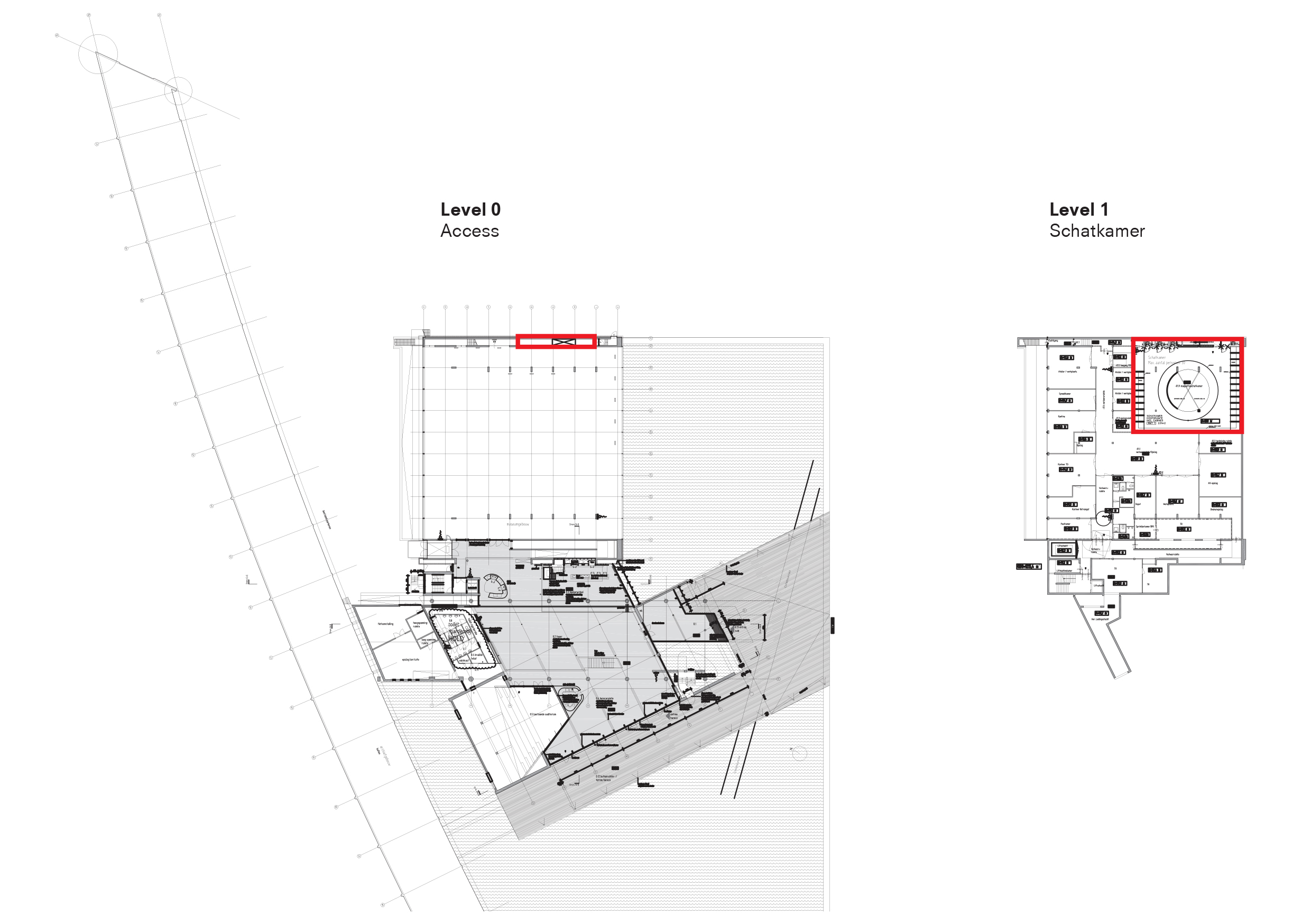
Location of the Treasury within the NAi

VOYEURISM

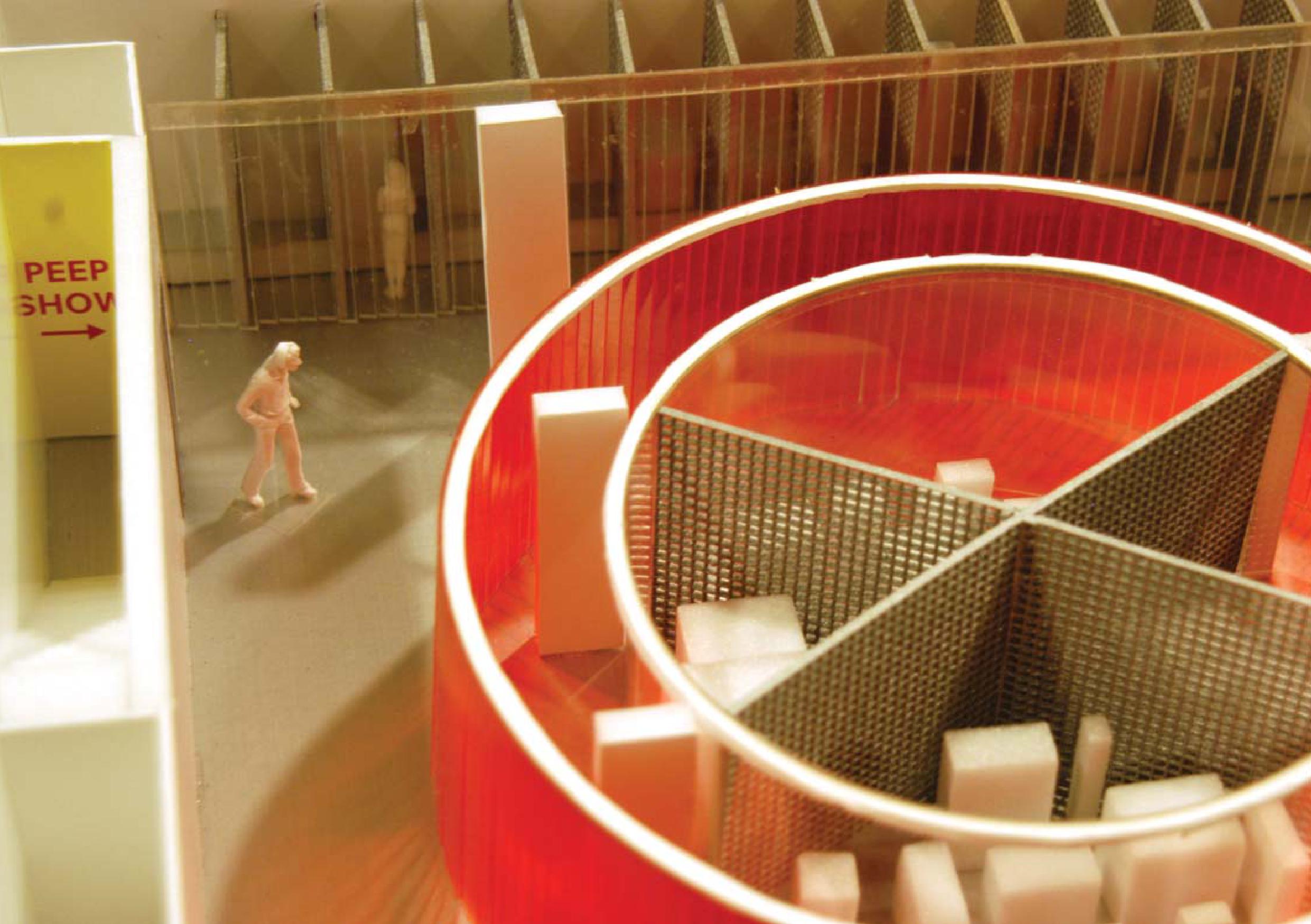
Following an iterative research process, the retained project retained to trigger curiosity was to setup a process of voyeurism. Such process works on a close and secret relationship between viewer and artifact that is made visible to other people to generate the desire to see.
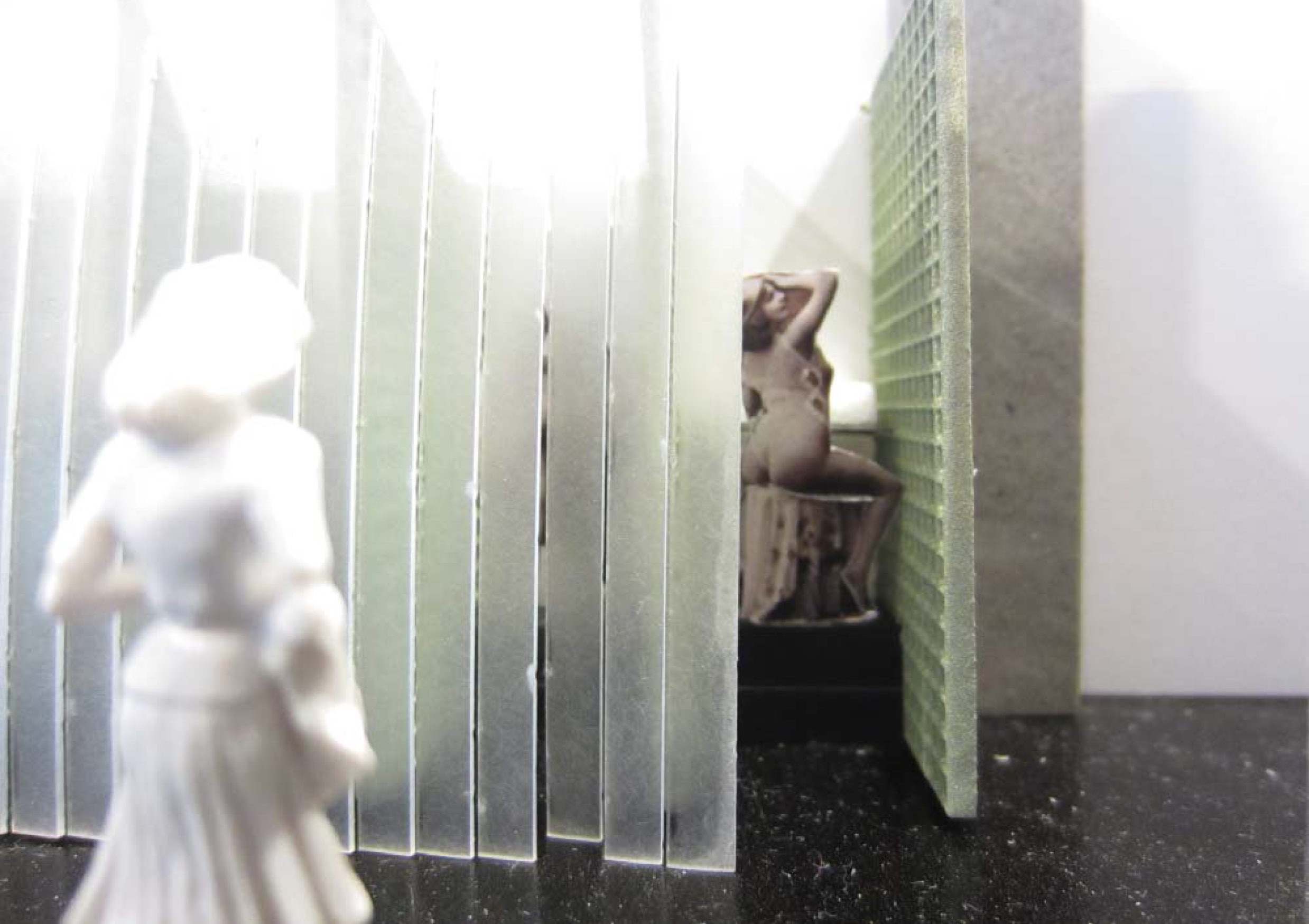
Staged voyeurism

SIX THEMES / TWO SYSTEMS

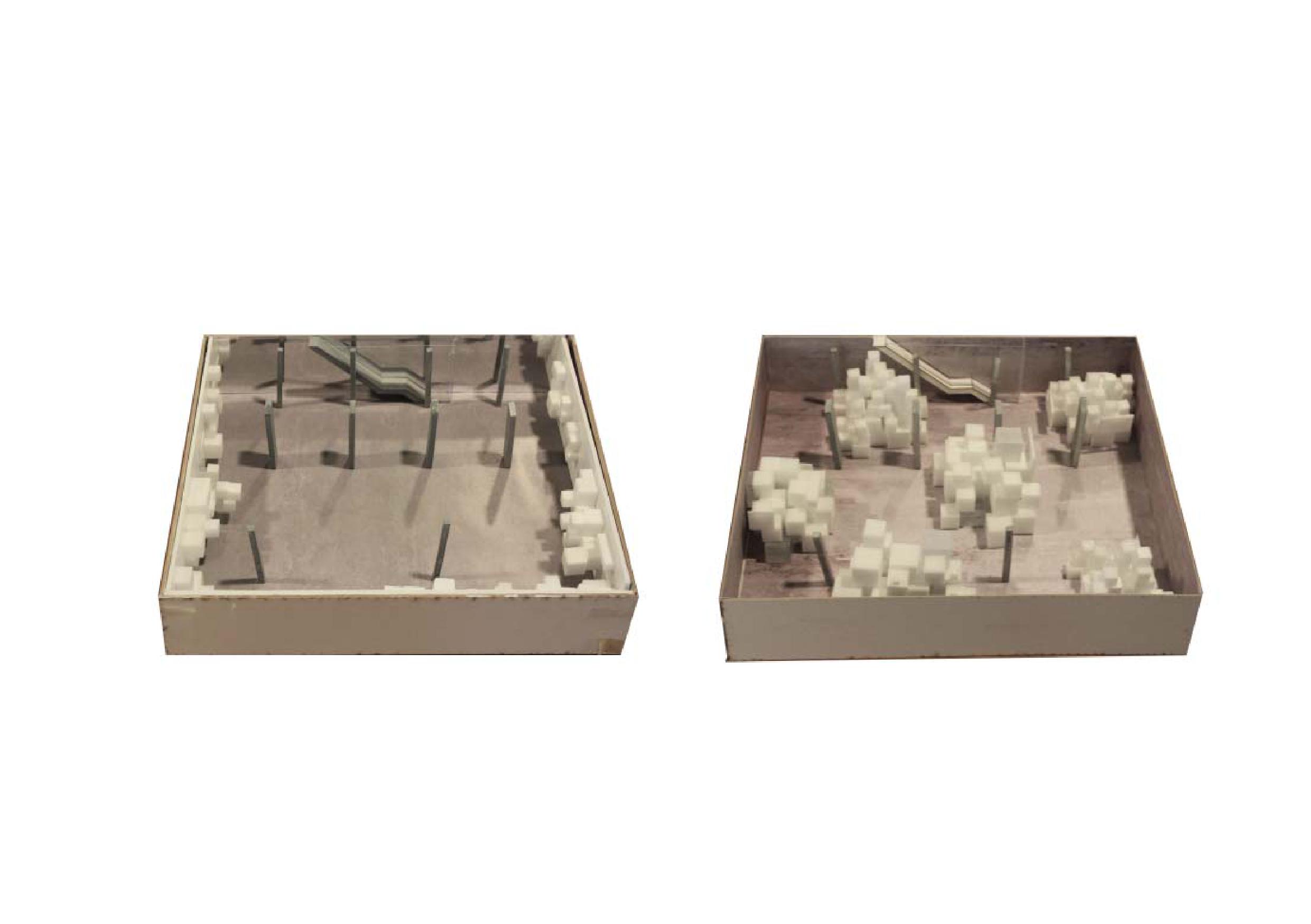
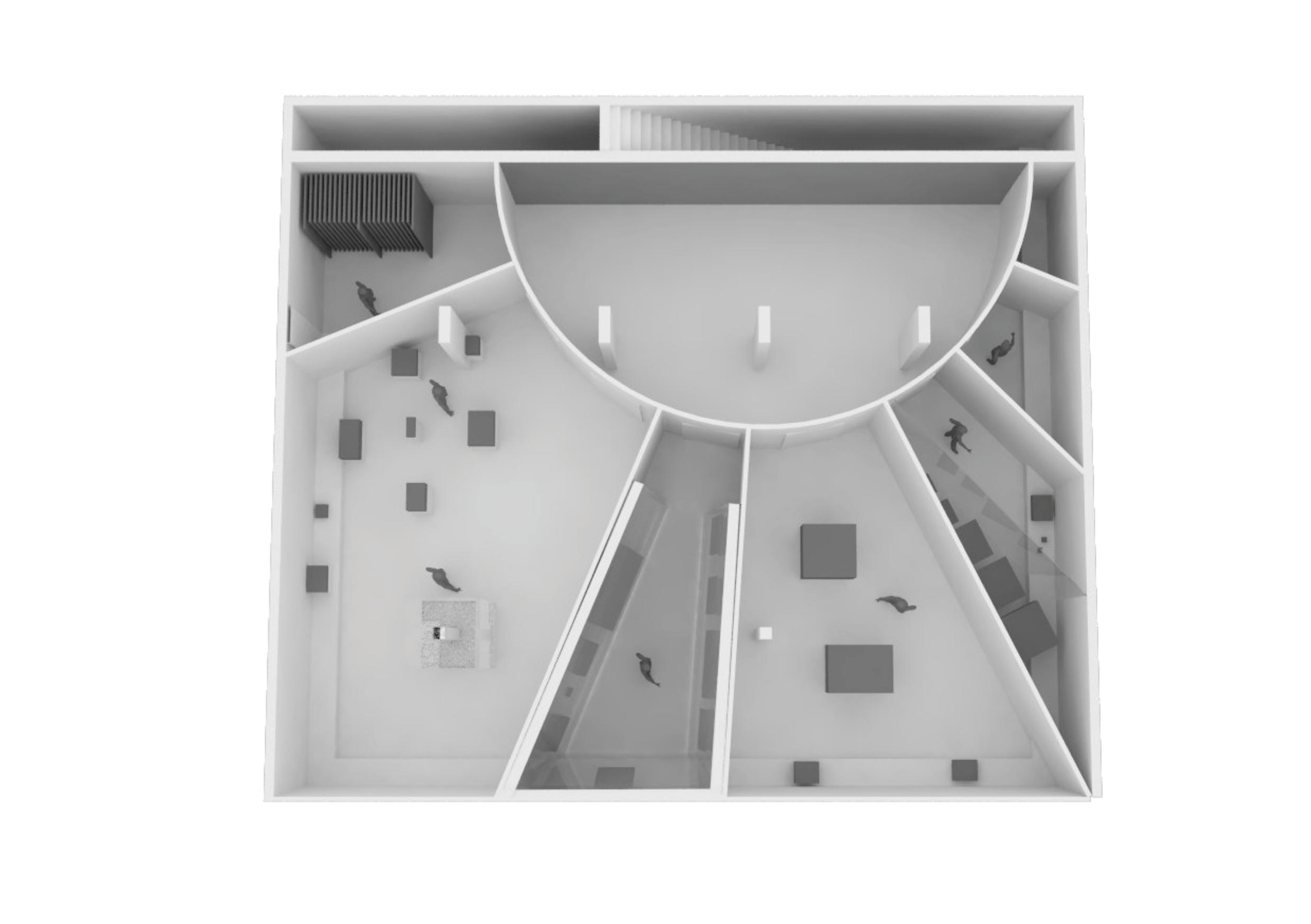
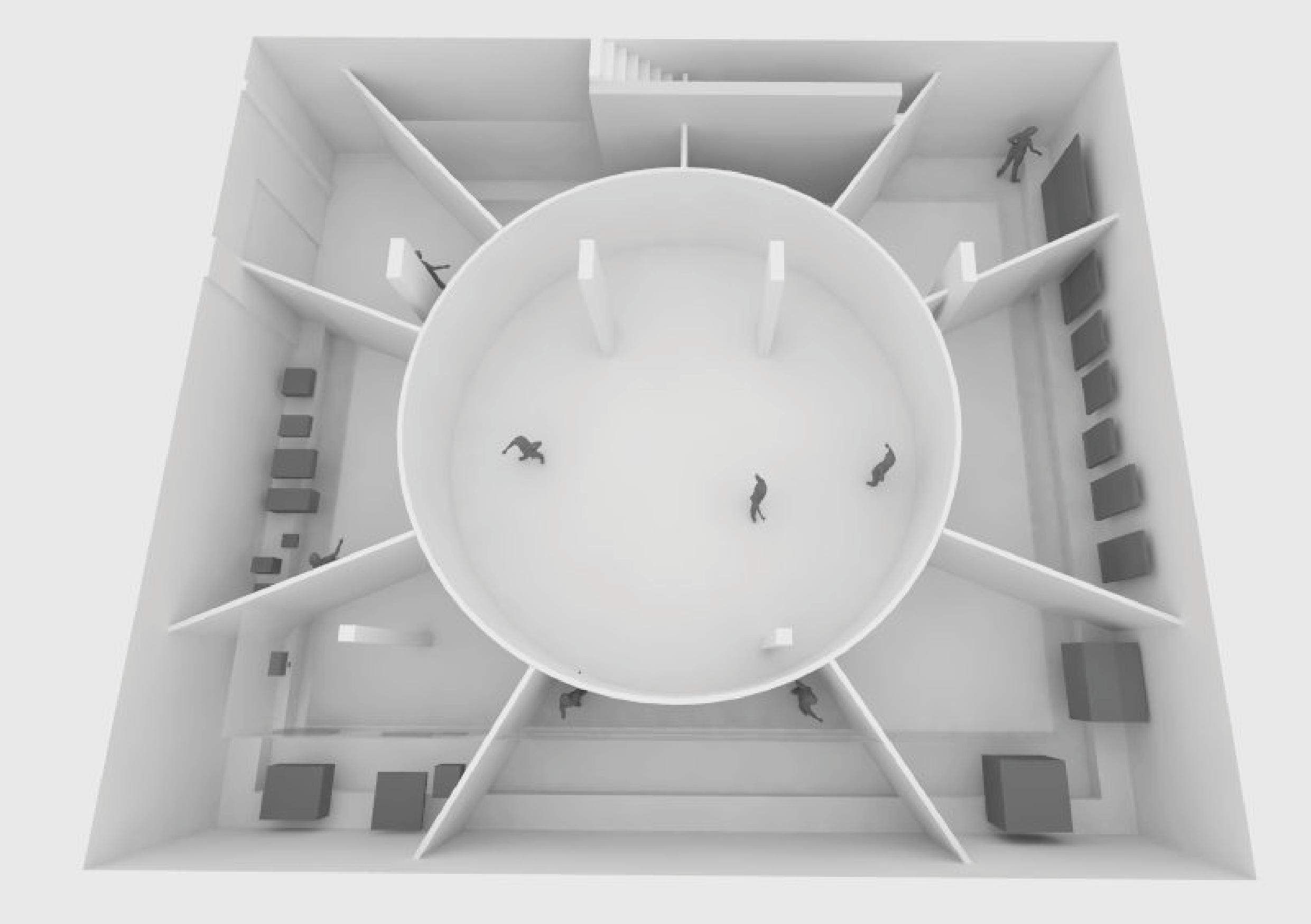
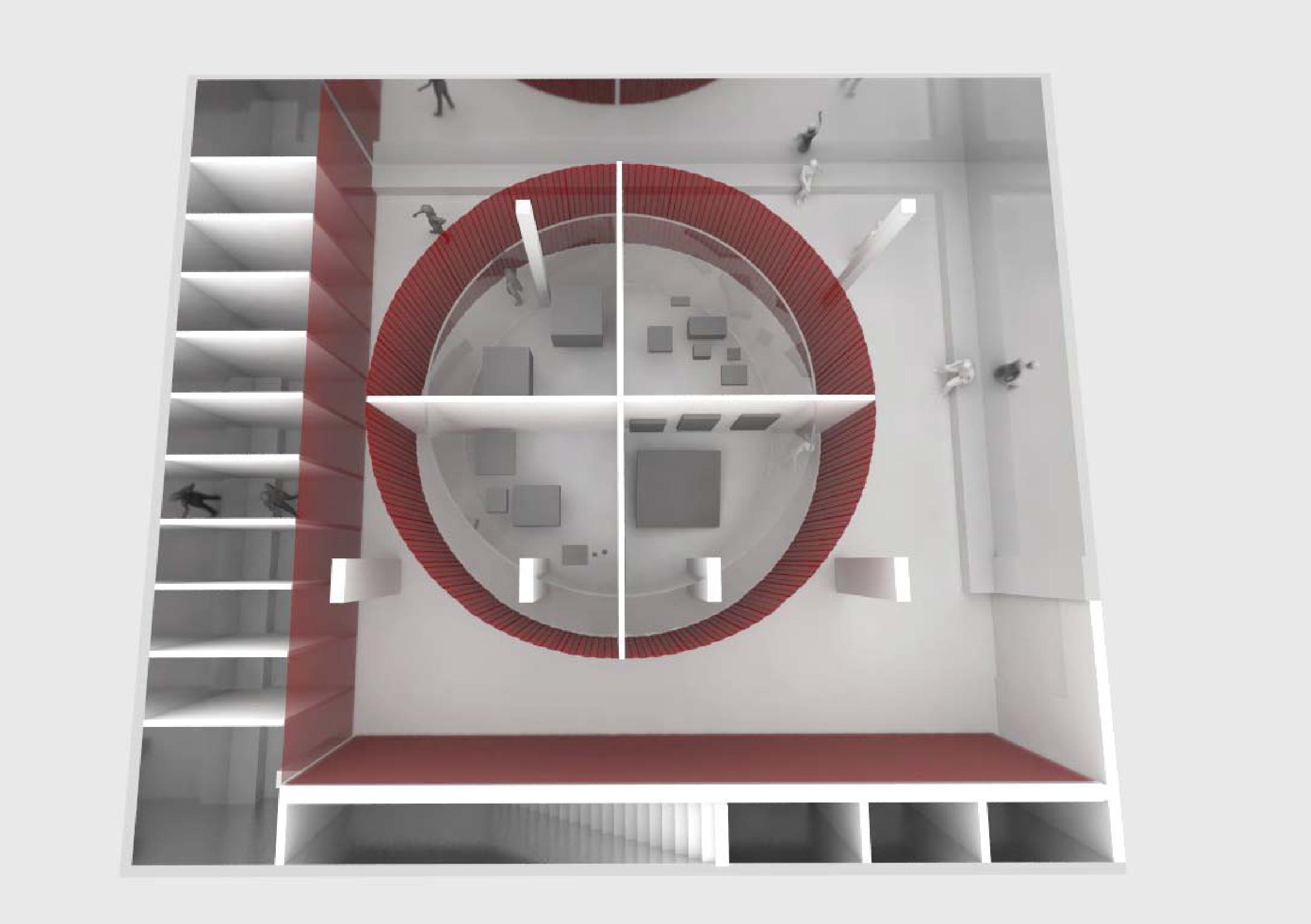
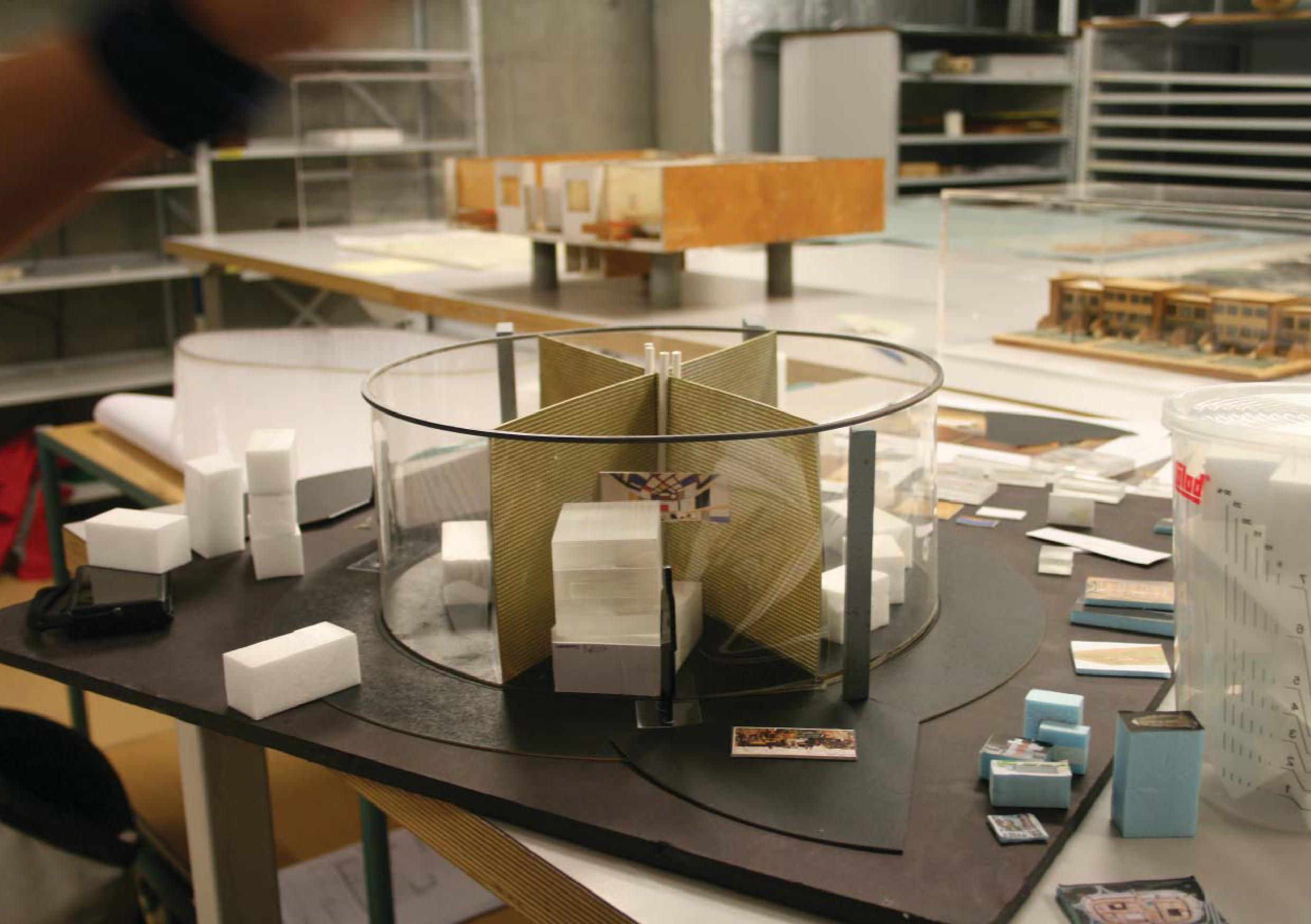
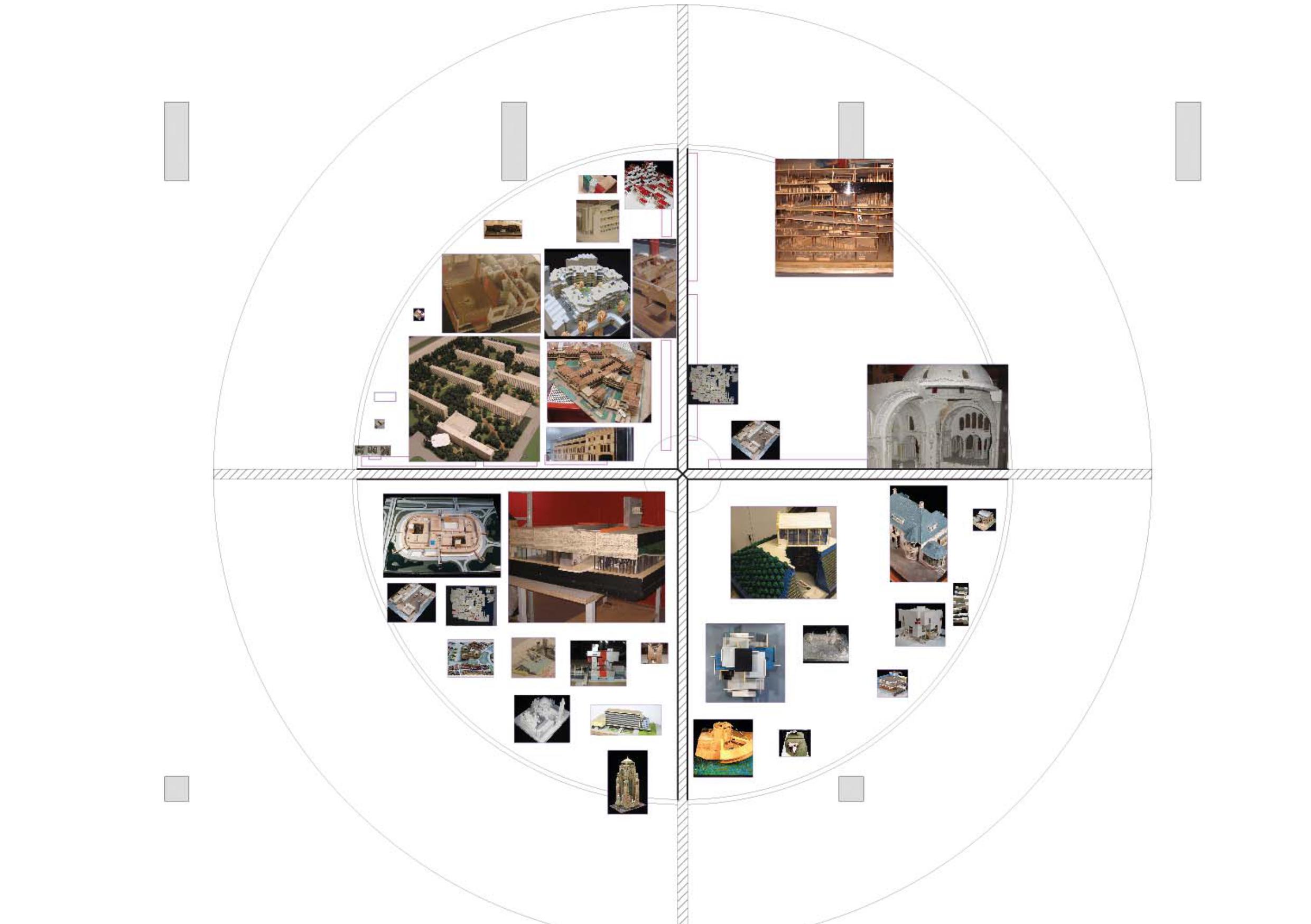
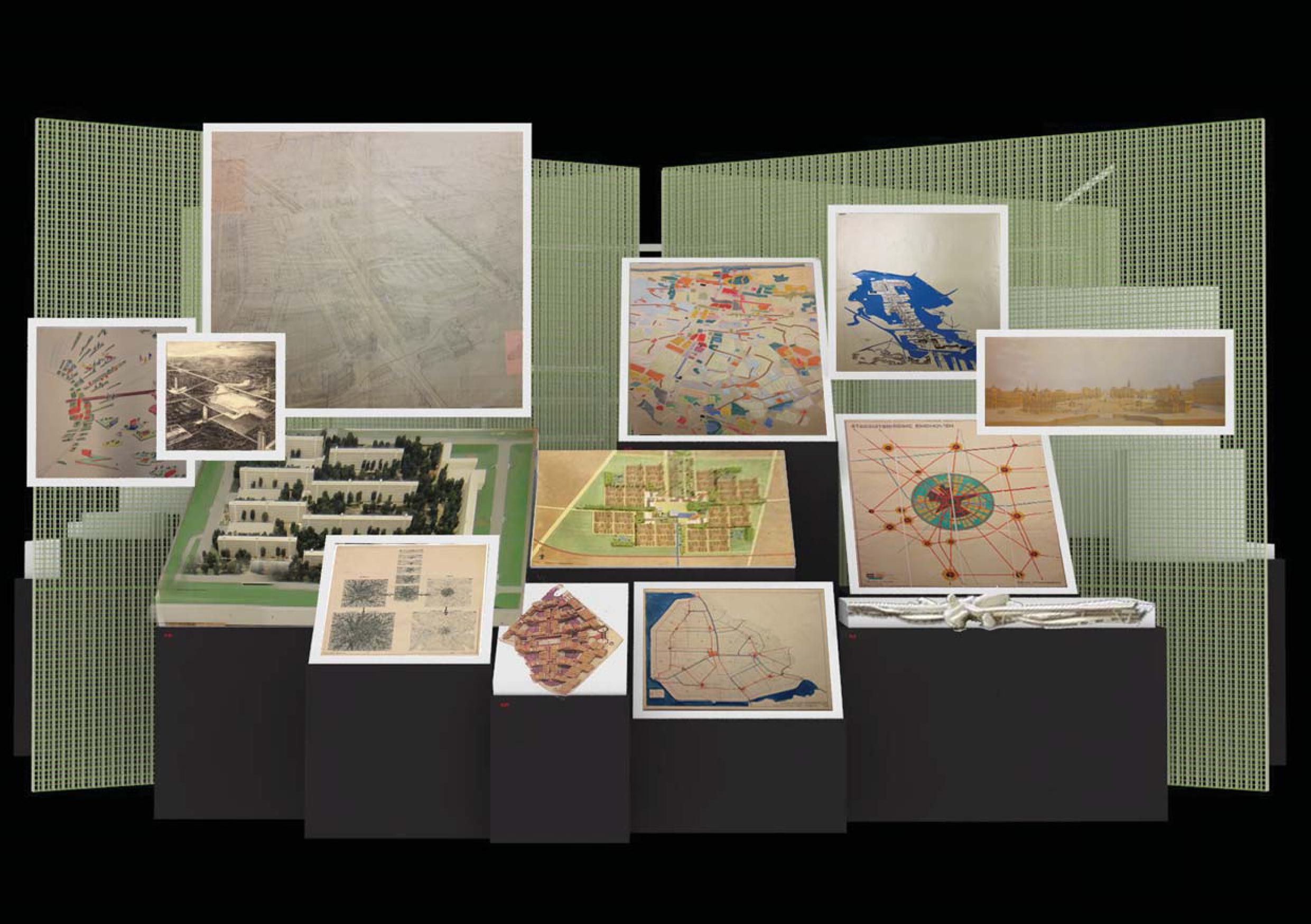
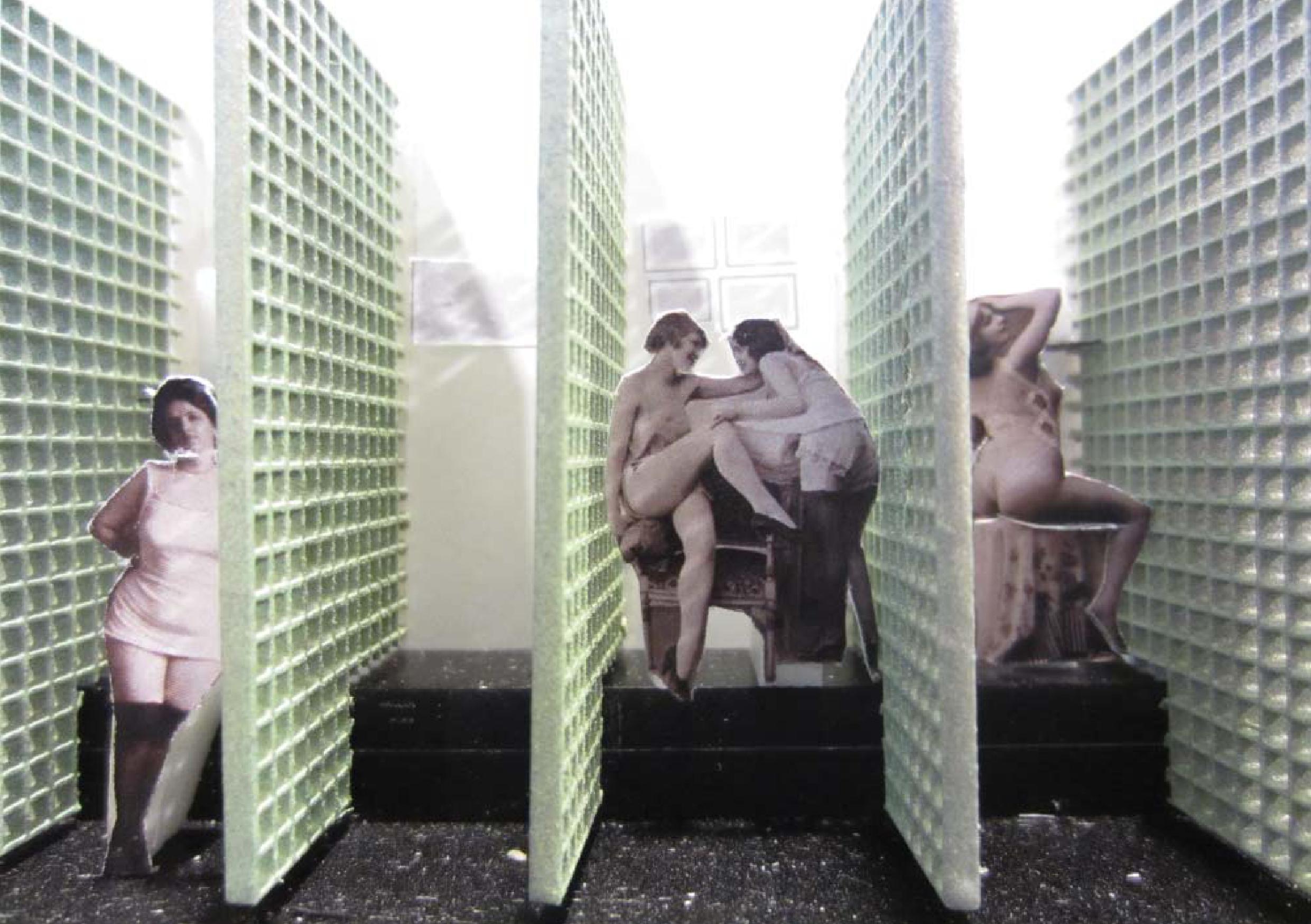
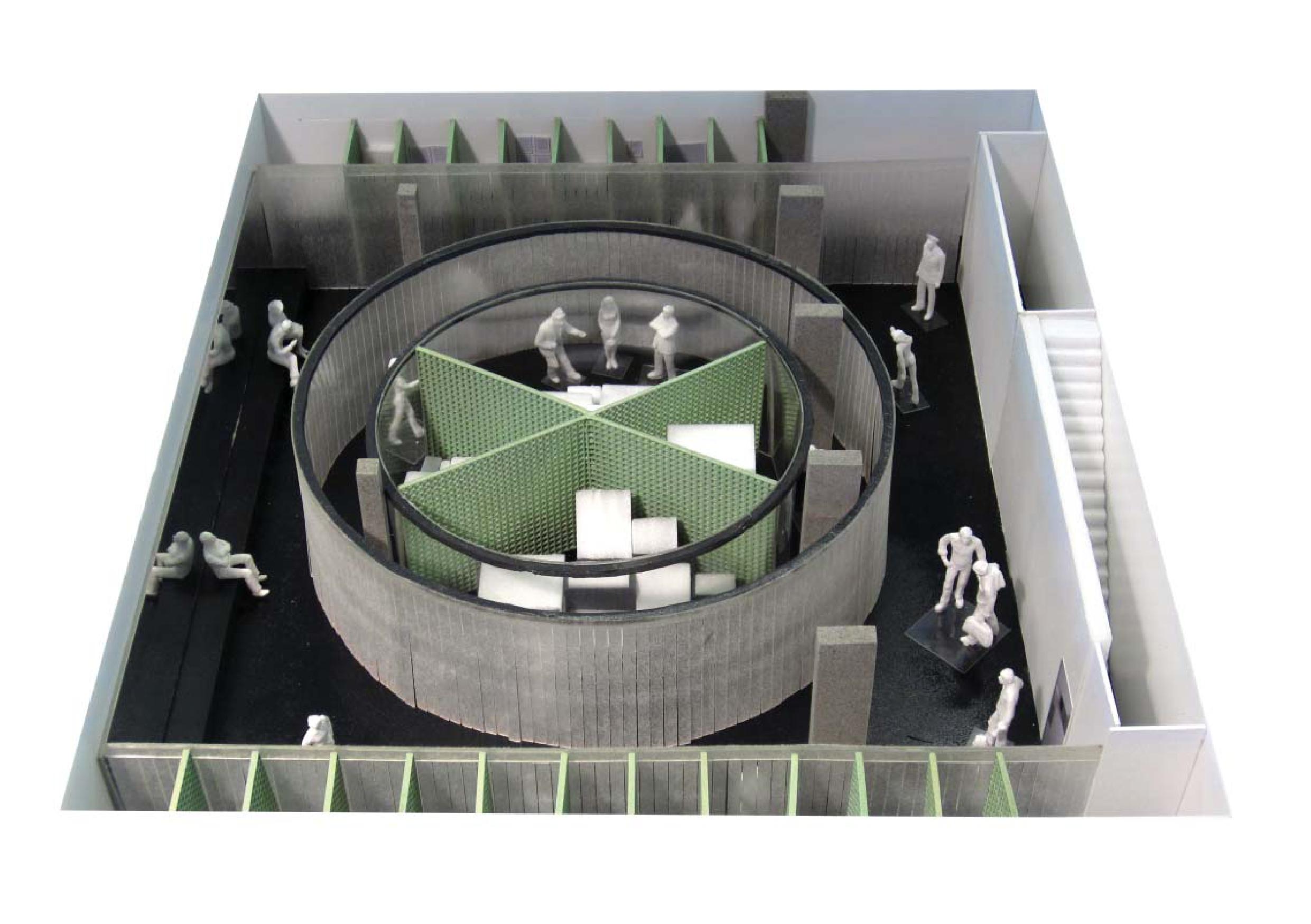
The Treasury is organized across two display systems: a circular area in which an assertive curatorial approach fosters an overall understanding of the collection; and small private booths at the perimeter, where single pieces are shown to the individual visitor.
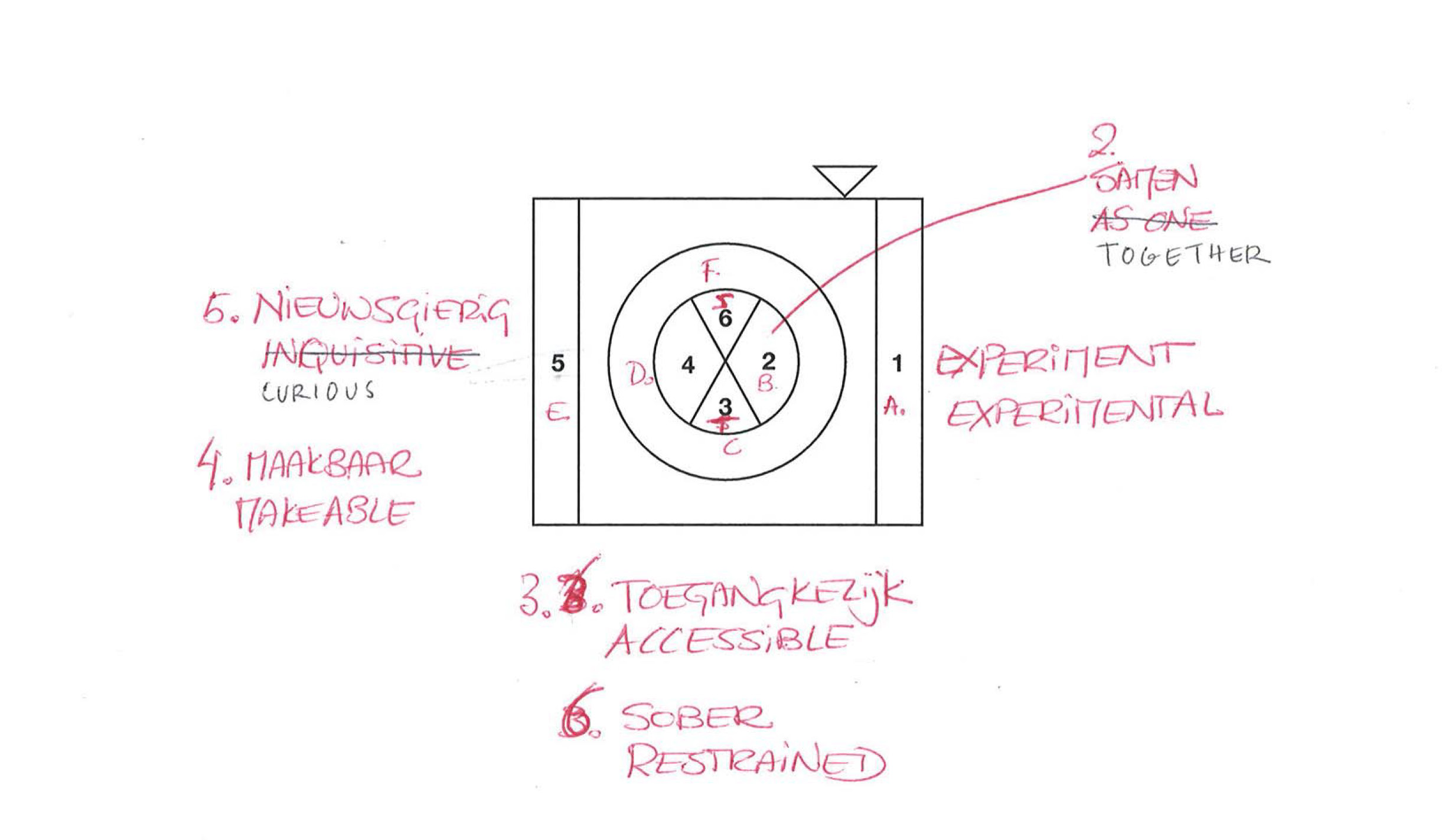
The contrast between circular and linear displays creates a distinctive experiential dynamic.

BLURRED VISION

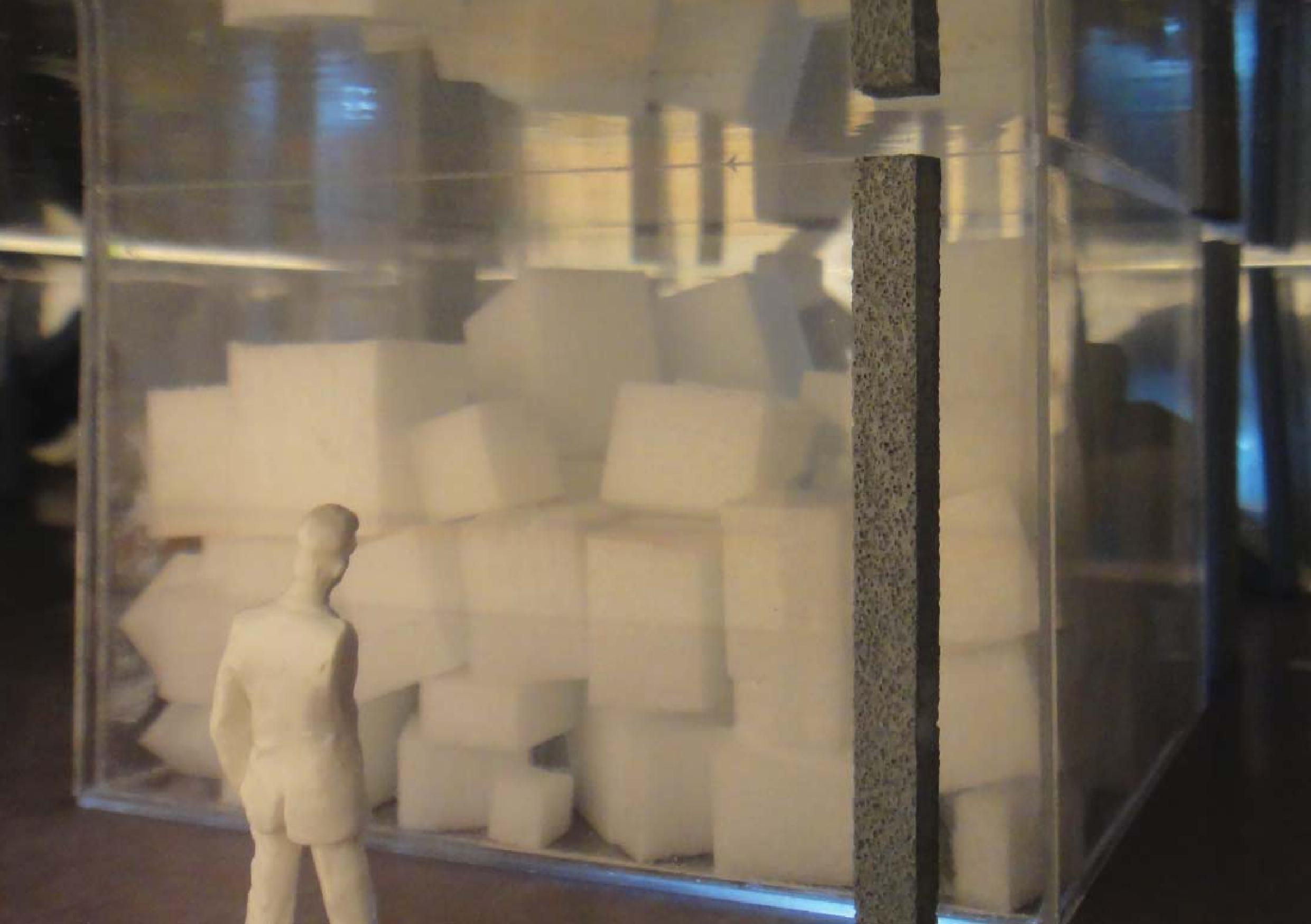
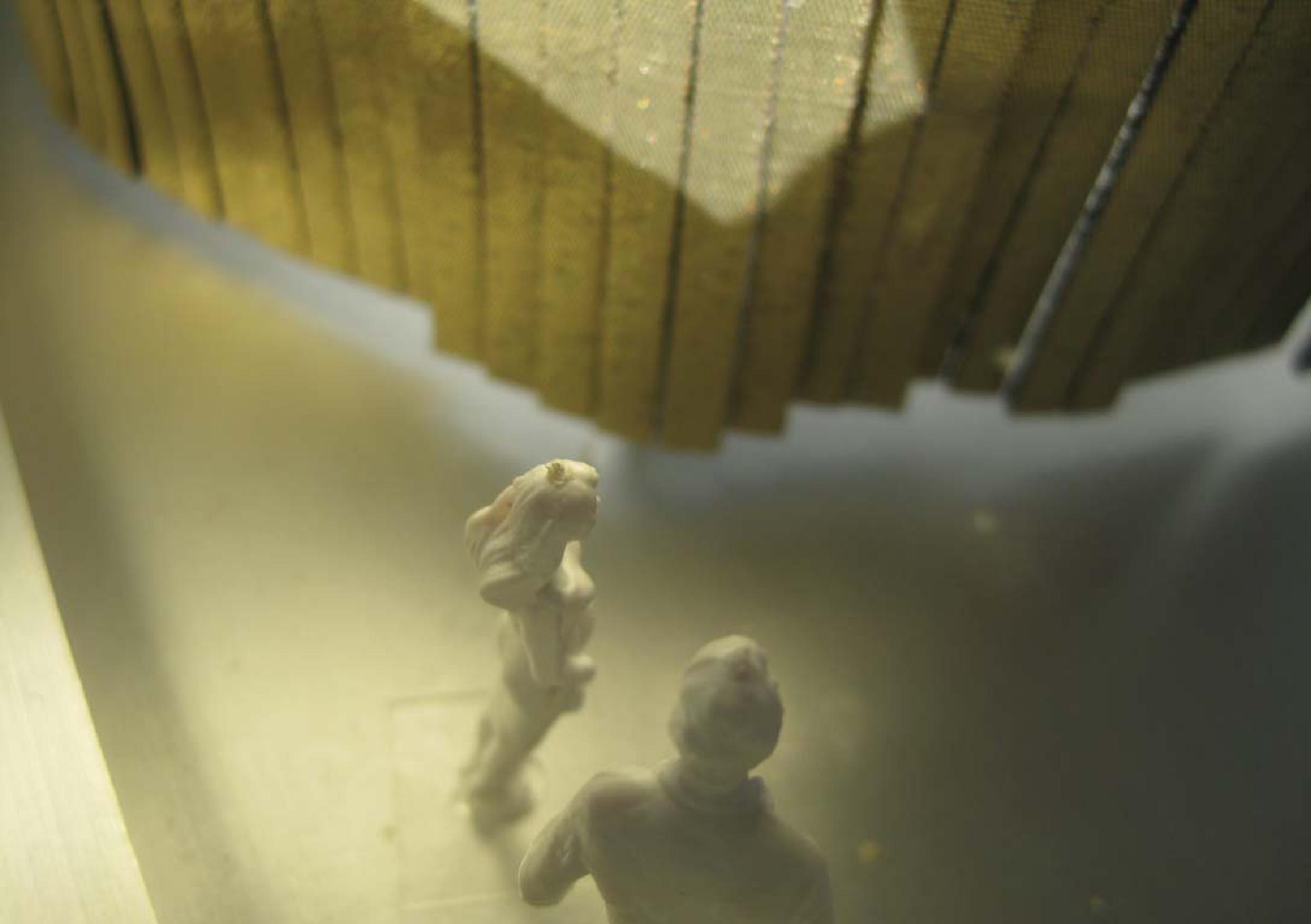
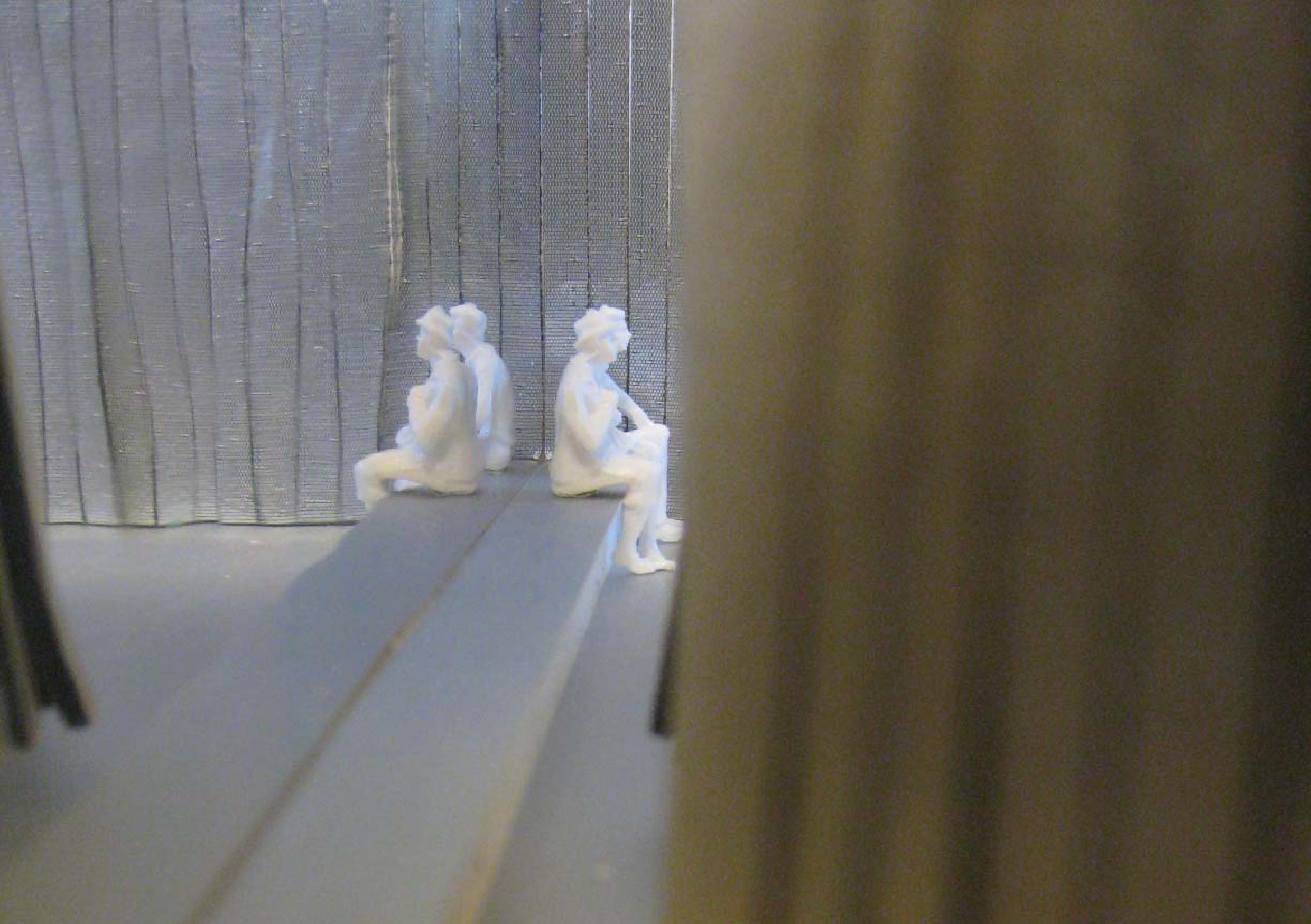
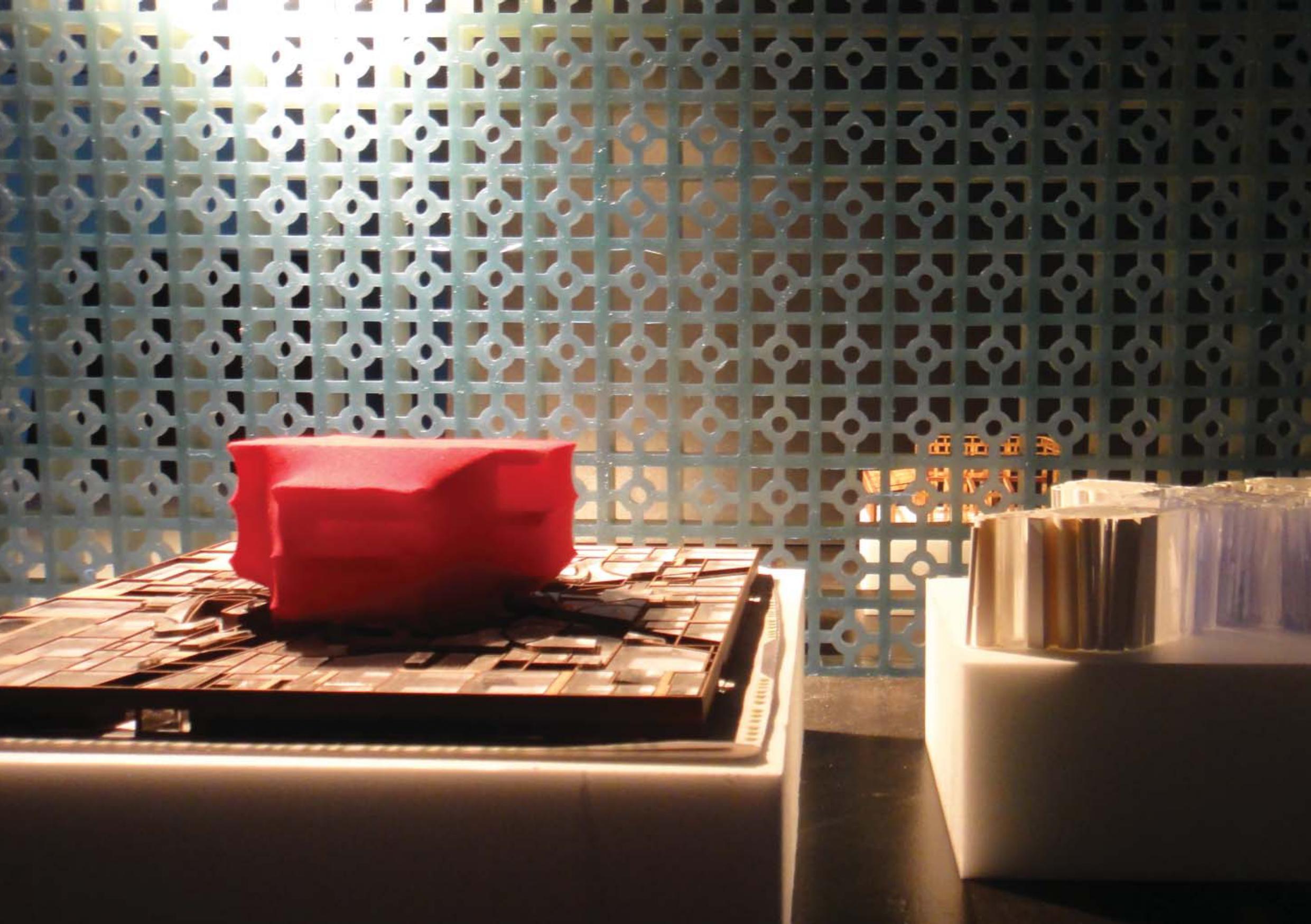
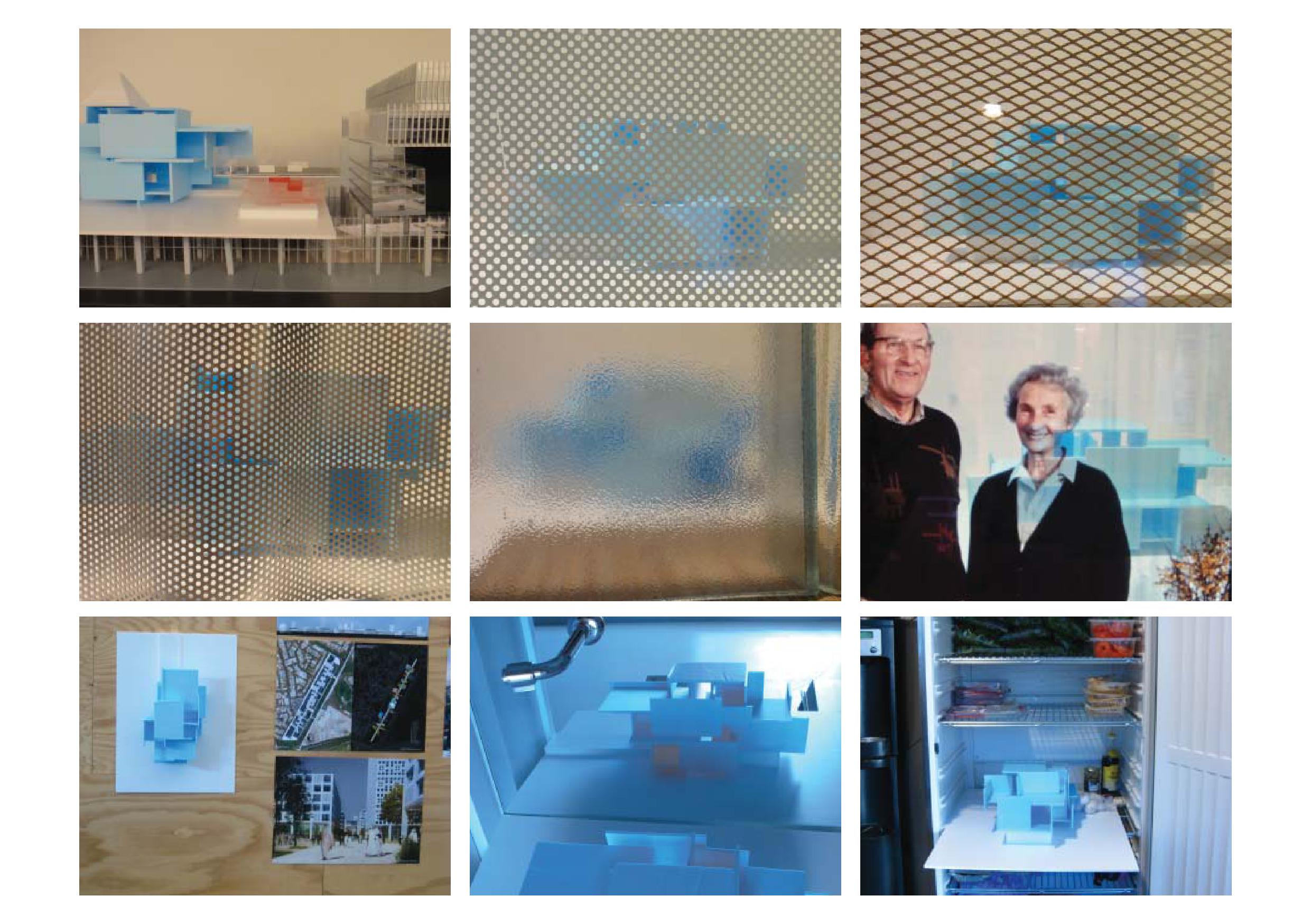
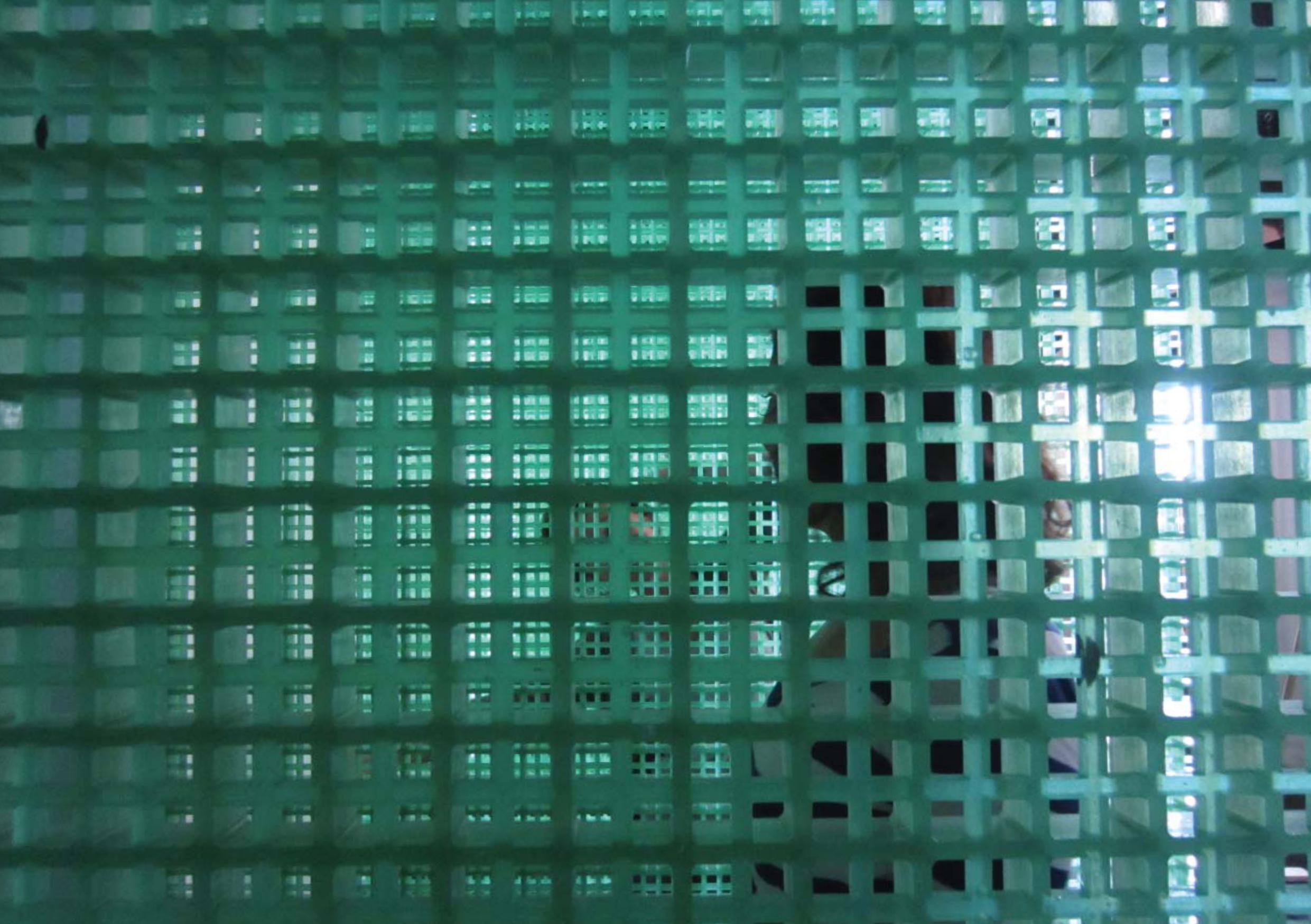
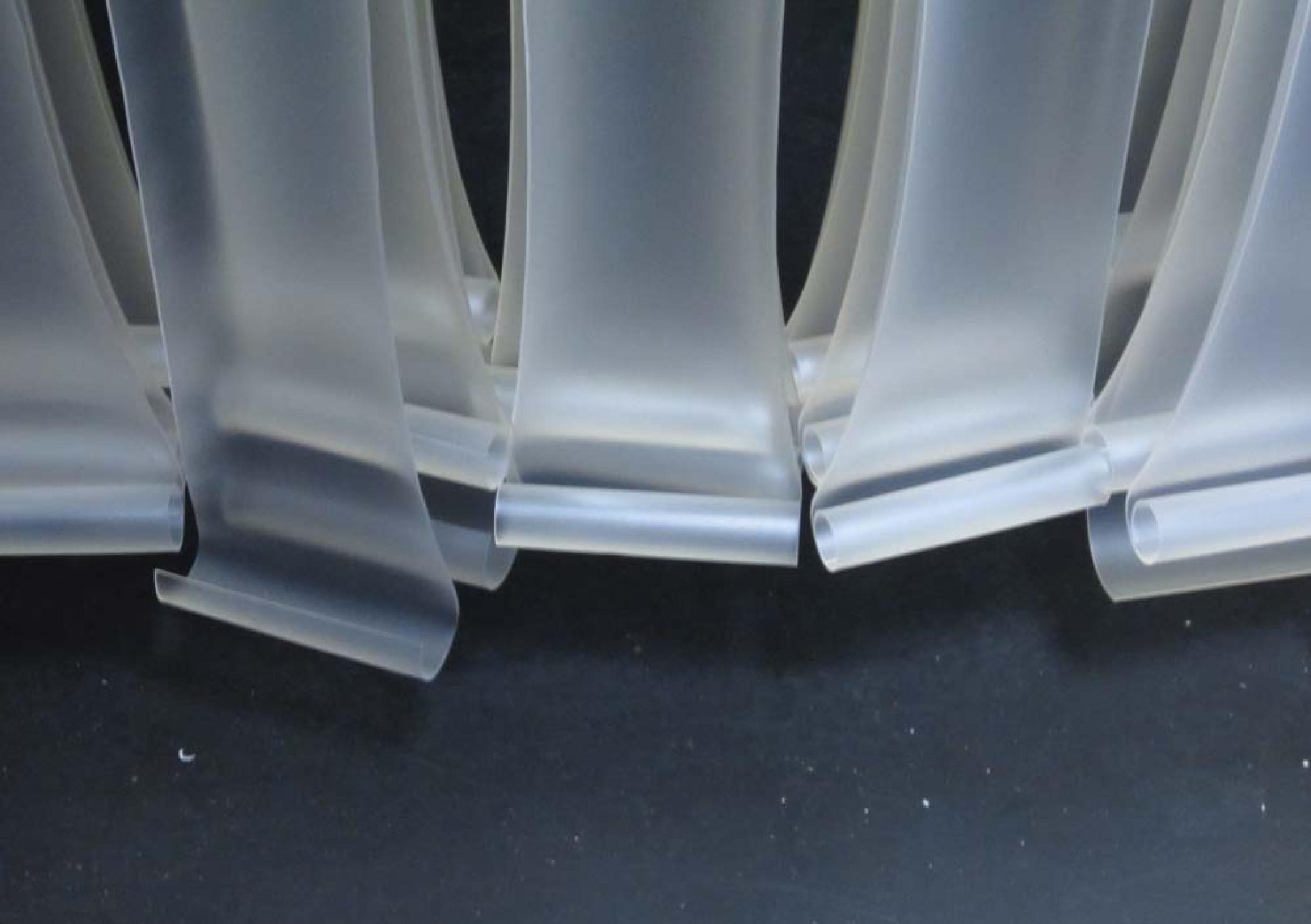
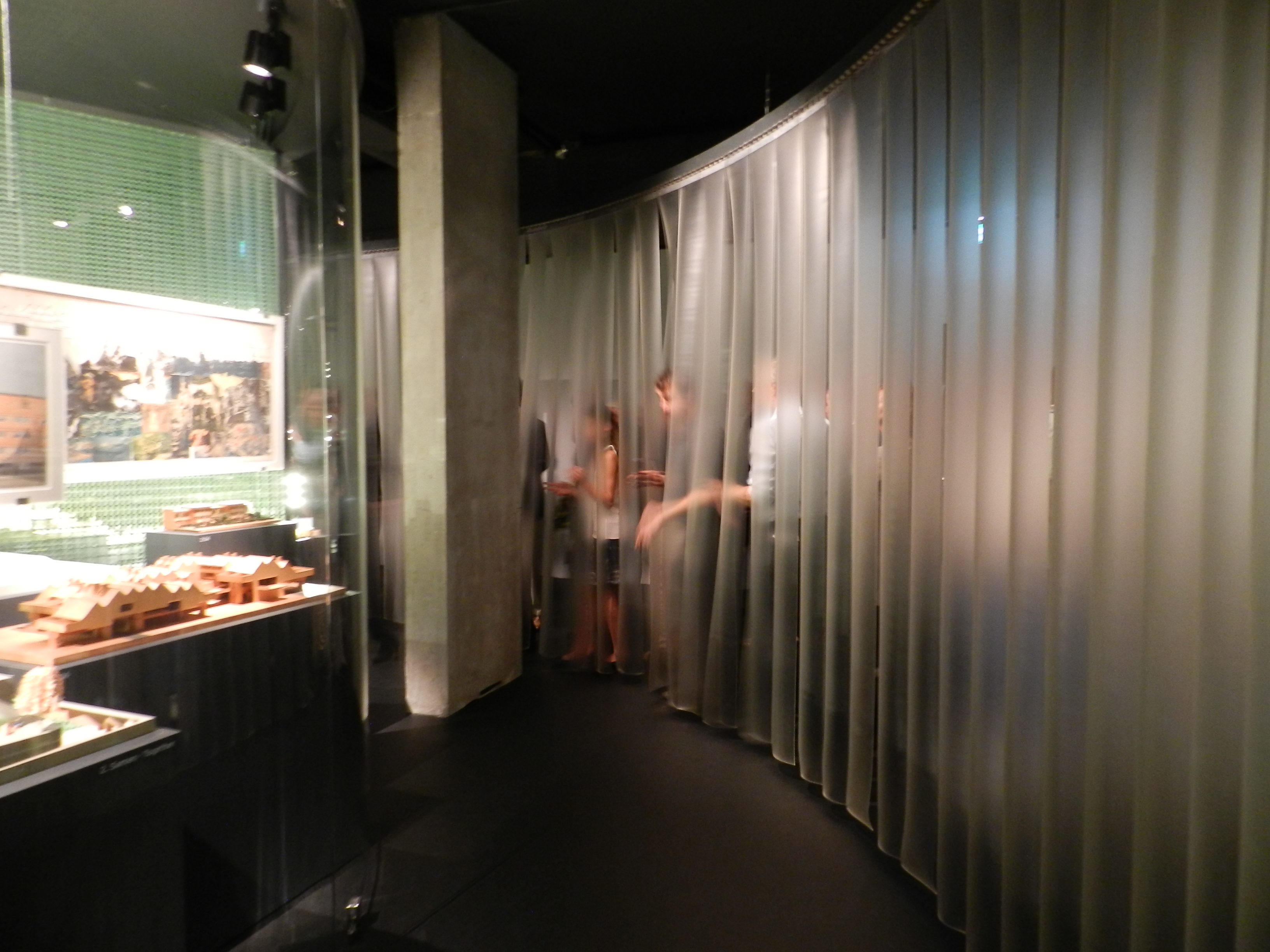
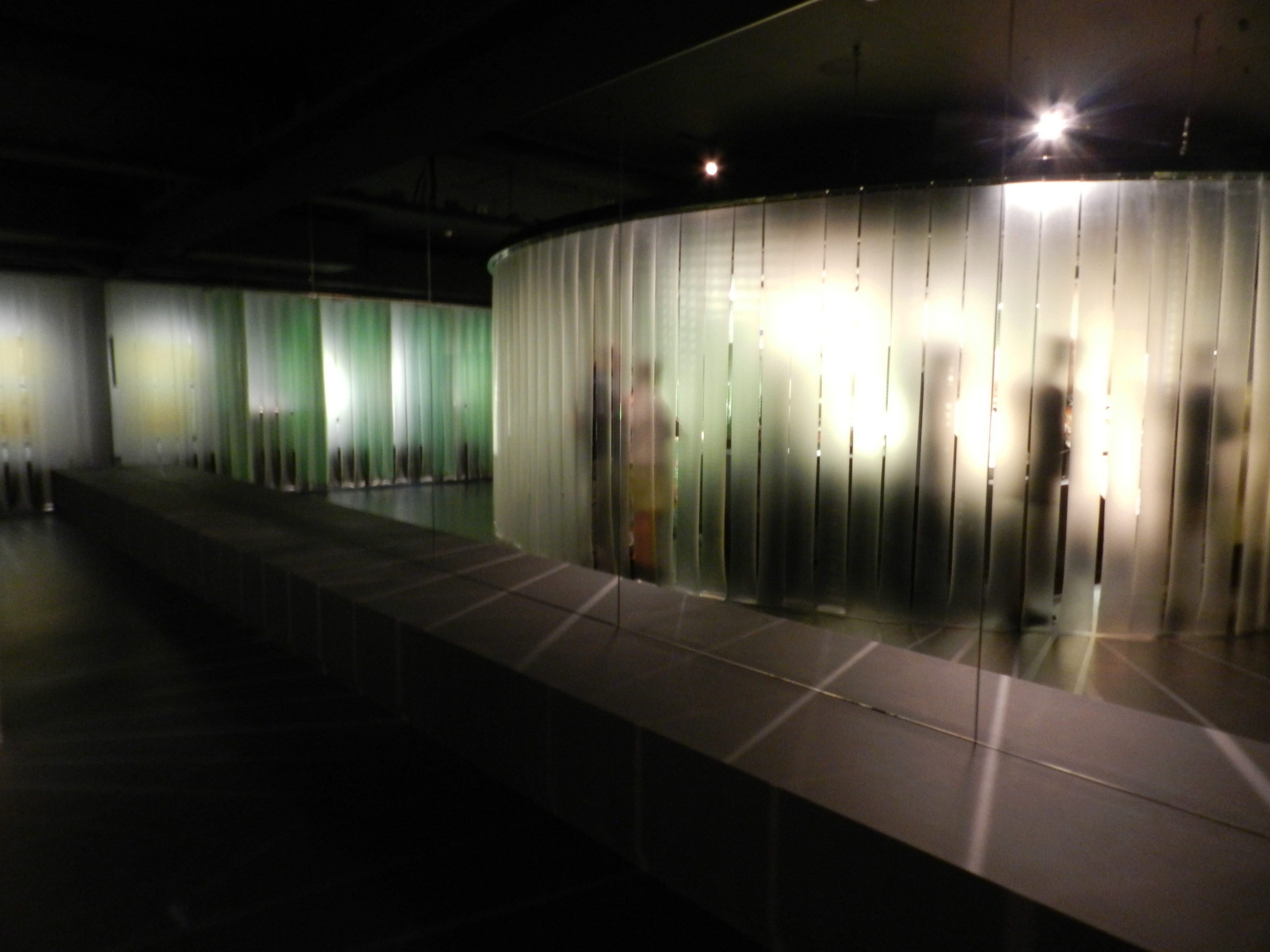
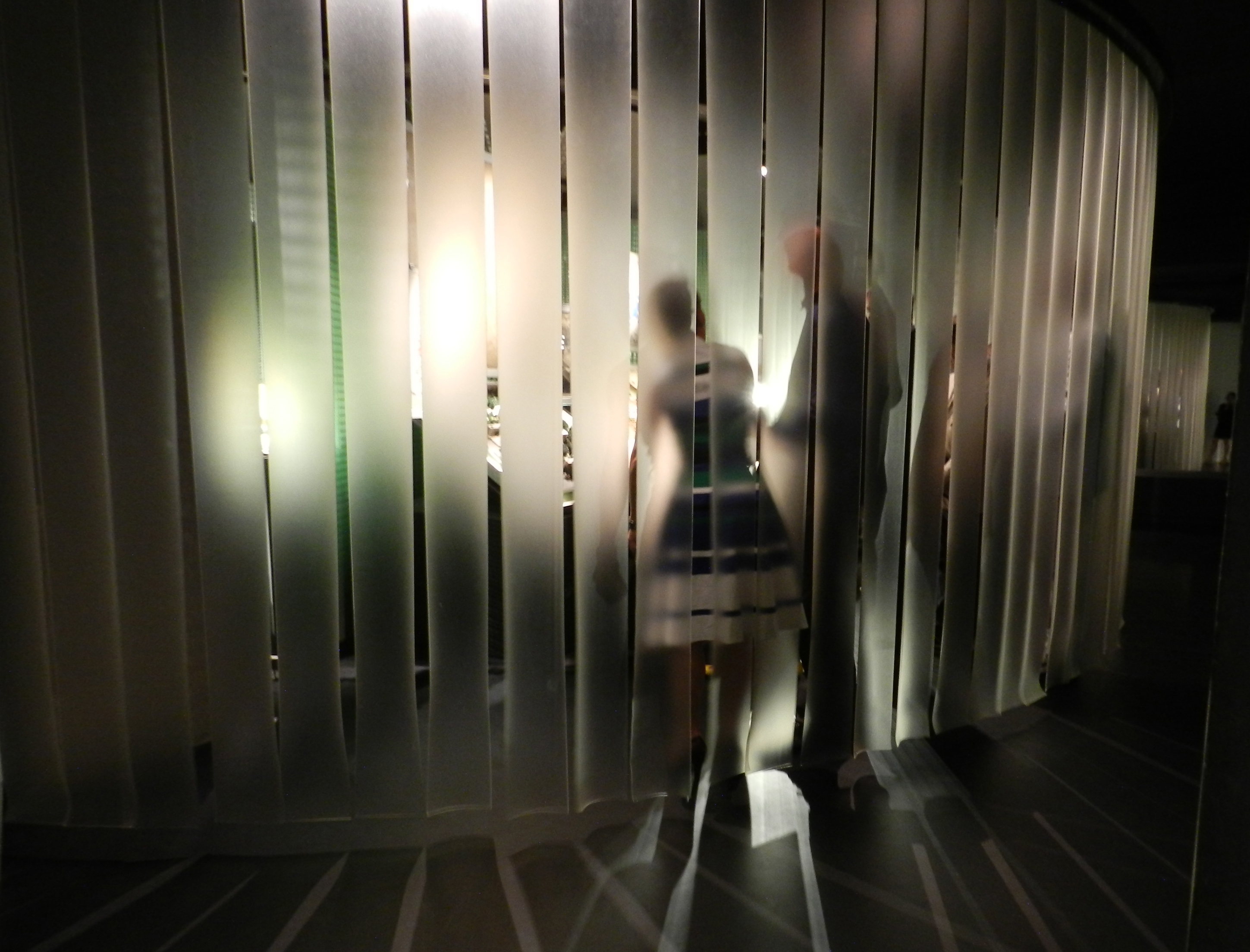
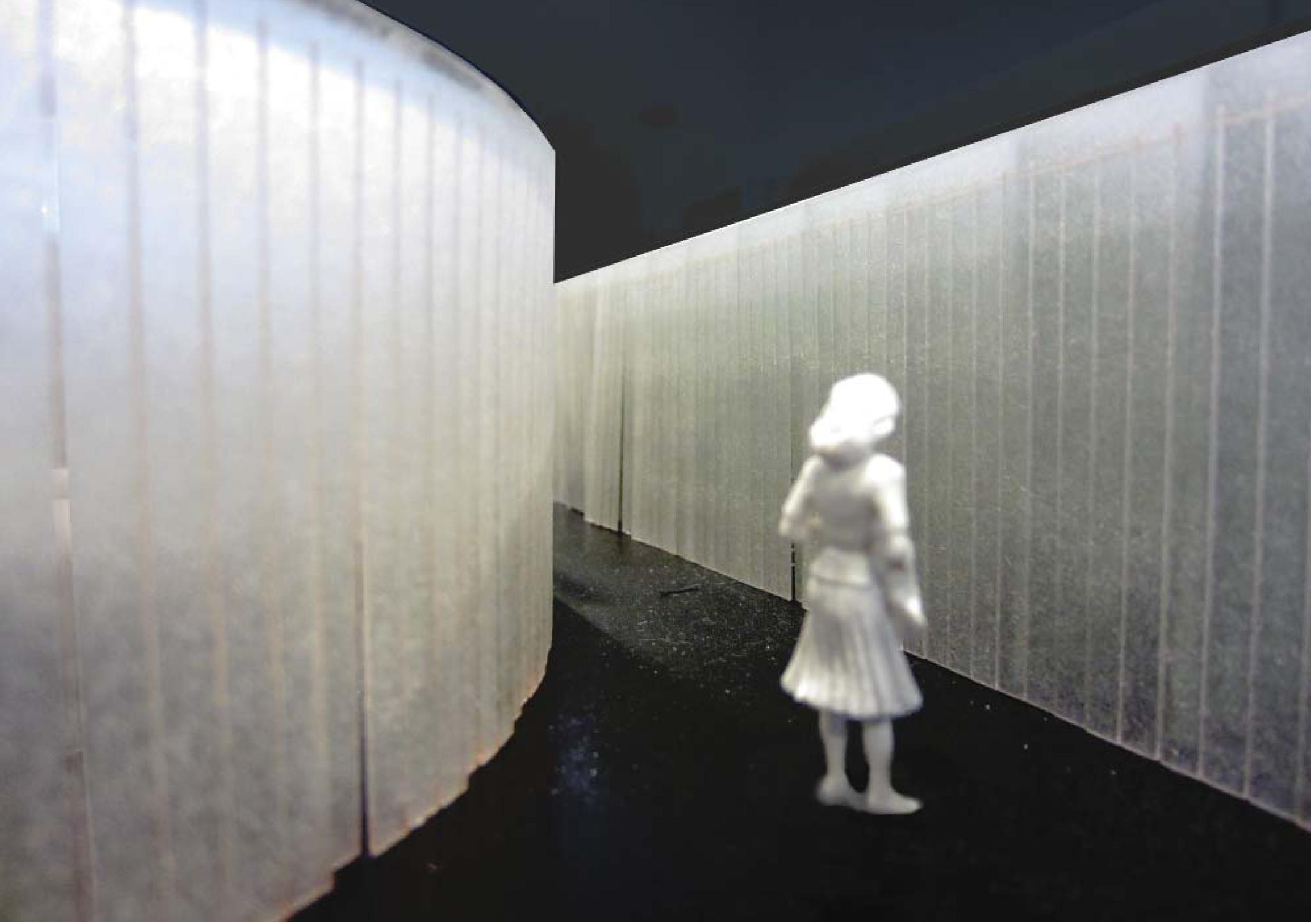
The objects are exhibited behind translucent curtains, which leaves the intermediate space free of information, but not without the sense of the presence of treasures. Within the cabinets and within the circular center, the sense of space is never lost as the semi-transparent walls reveal the presence of the adjacent treasures.
The translucency of materials creates curiosity and intrigue.
Scope & Constraints

DISCURSIVE RIGOR

The NAi Treasury's scope was small in architectural size but large in discursive terms. The project was constrained with the necessity of a high conceptual rigor generating narratives that would make design appealing to experts as much as those uninitiated in the field.
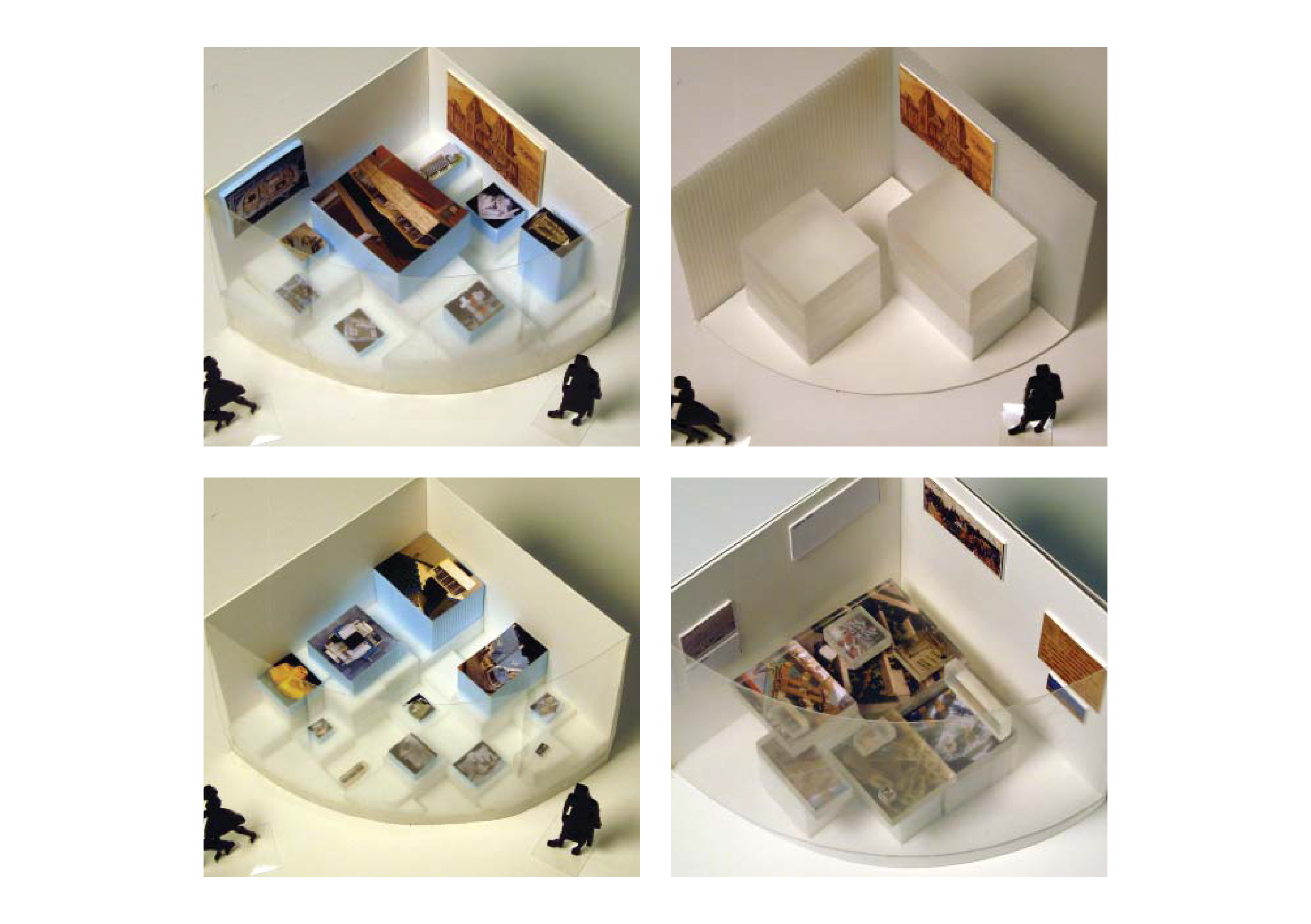
Curatorial studies for the circular display.

STRATEGIC ITERATION

One of the project's main challenges was finding a concept both discursive and architectural that OMA's internal team would be convinced by. Our team decided to work with OMA's famous design process of quick and strategic iterations, generating many options

Once that concept was outlined, the architectural detailing had to translate the concepts allure into material and spatial frameworks.
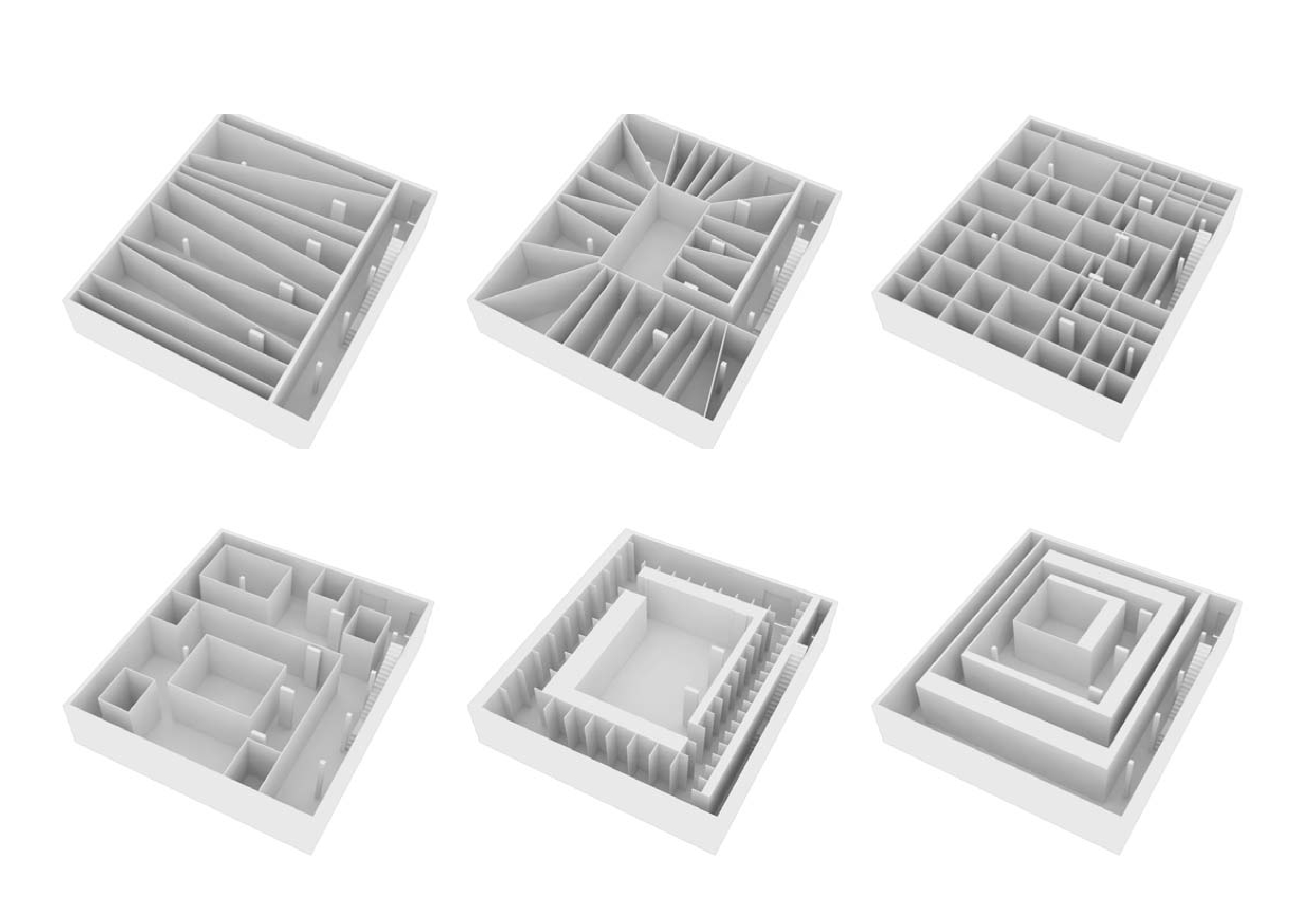
Partition iterations.
Process & What I Did

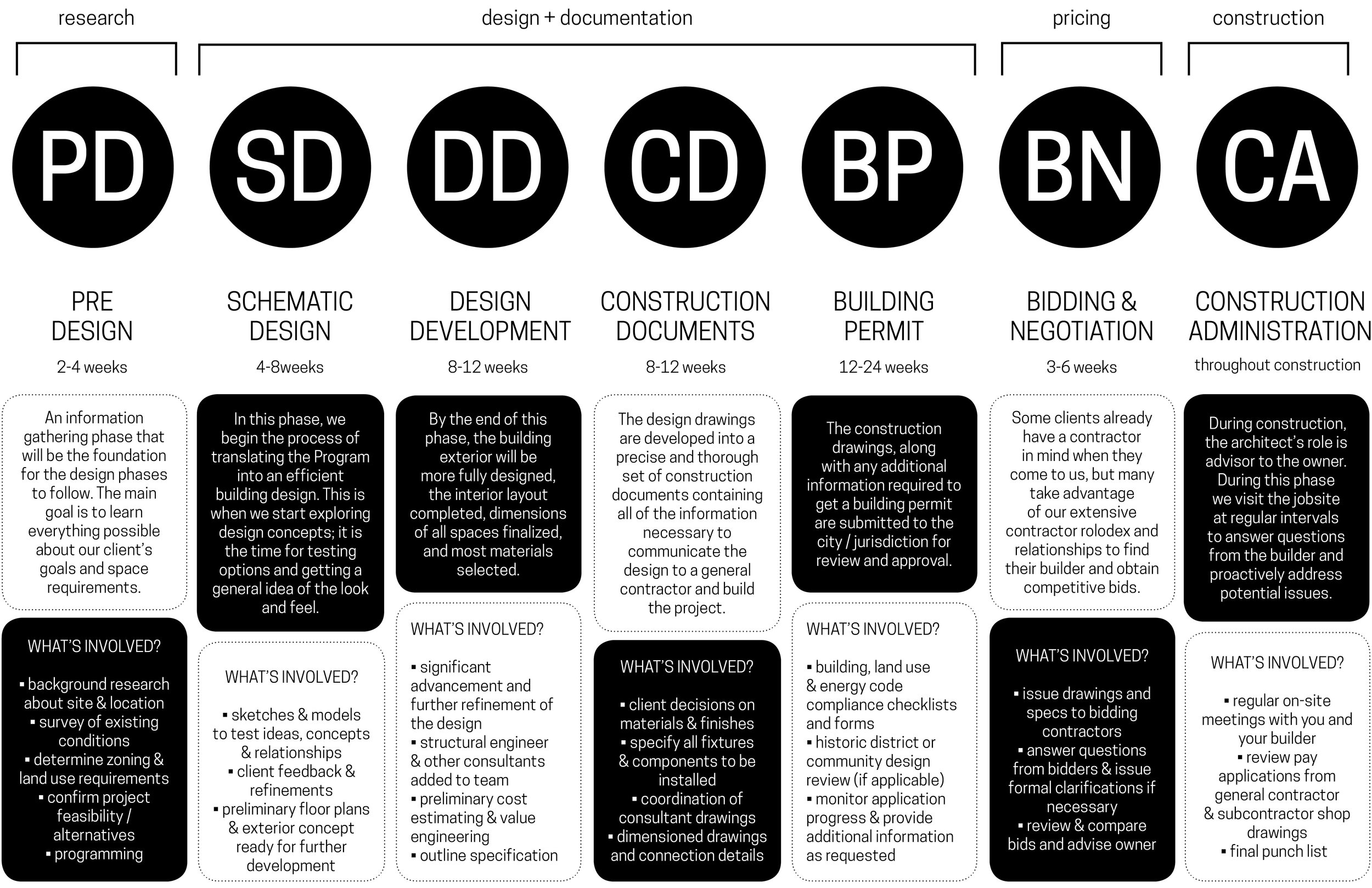
THE PHASES OF DESIGNING & BUILDING AN ARCHITECTURE PROJECT

The architectural process if typically divided in a handful of phases. WC studio authored the diagram below summarizing these steps. I entered this project in Schematic Design and carried it o the end of Construction Administration (CA). As a side note, architecture practices are increasingly working through an addition phase after CA called Post-Occupancy Evaluation (POE) in which "the process of evaluating buildings in a systematic and rigorous manner after they have been built and occupied for some time" (Preiser and colleagues ).
Pre-Design (PD)

Business Development

In the case of NAi Treasury, the pre-design phased was worked through by the Business Development department (which I worked in for several months, but not on this specific project) . The contractual terms of architecture projects are the ones in which the foundations of for the design process of an architecture project are usually laid.
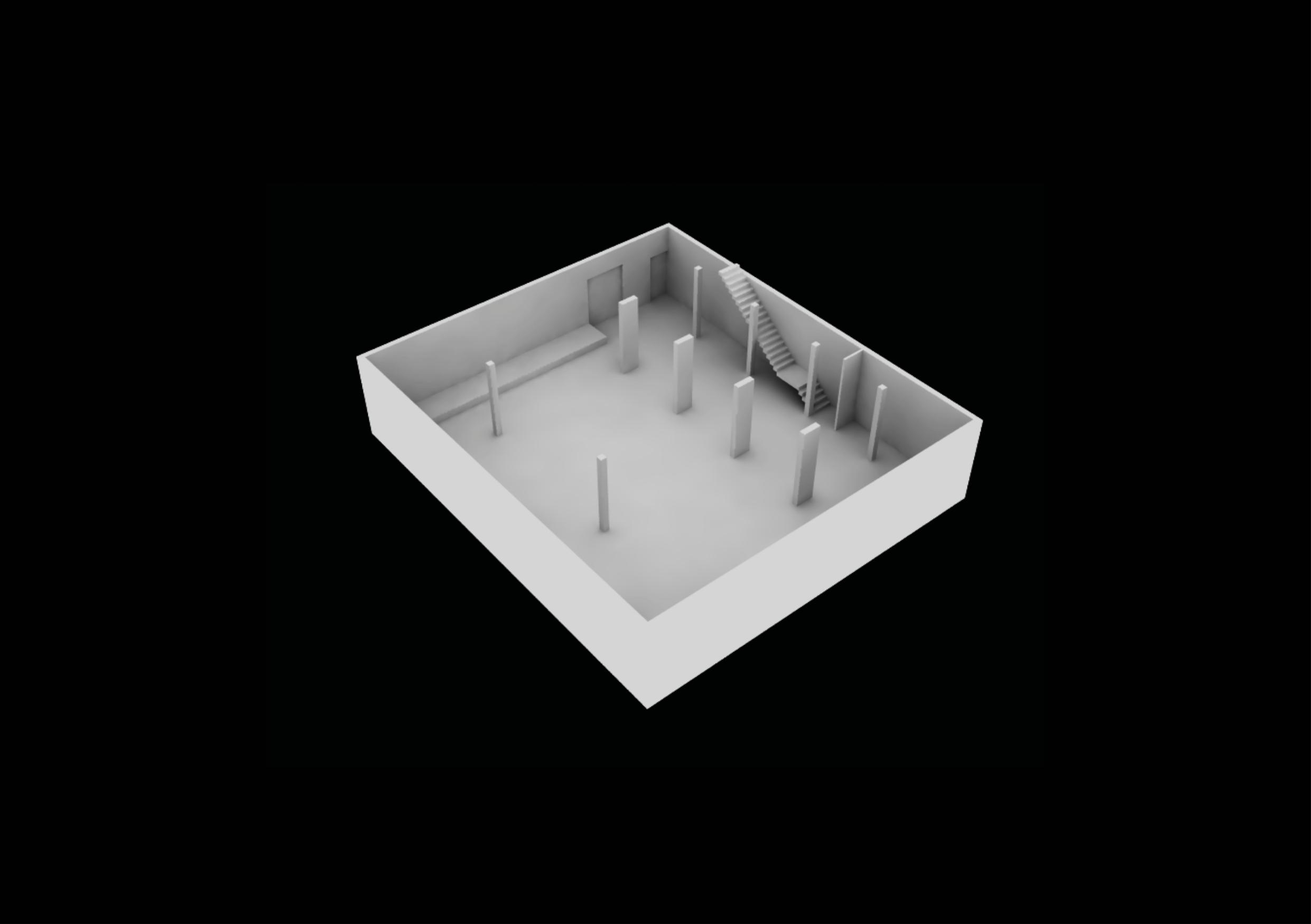
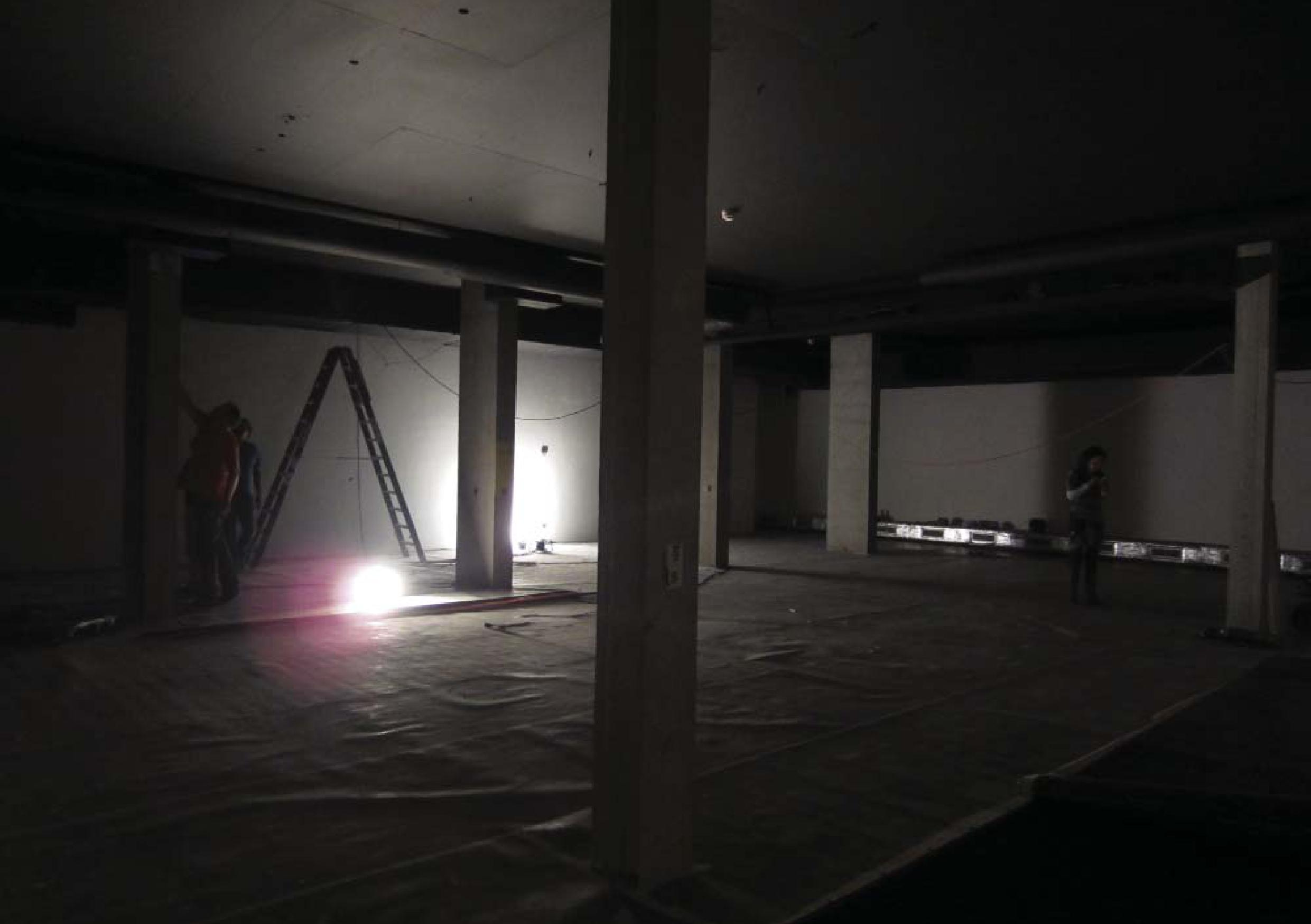
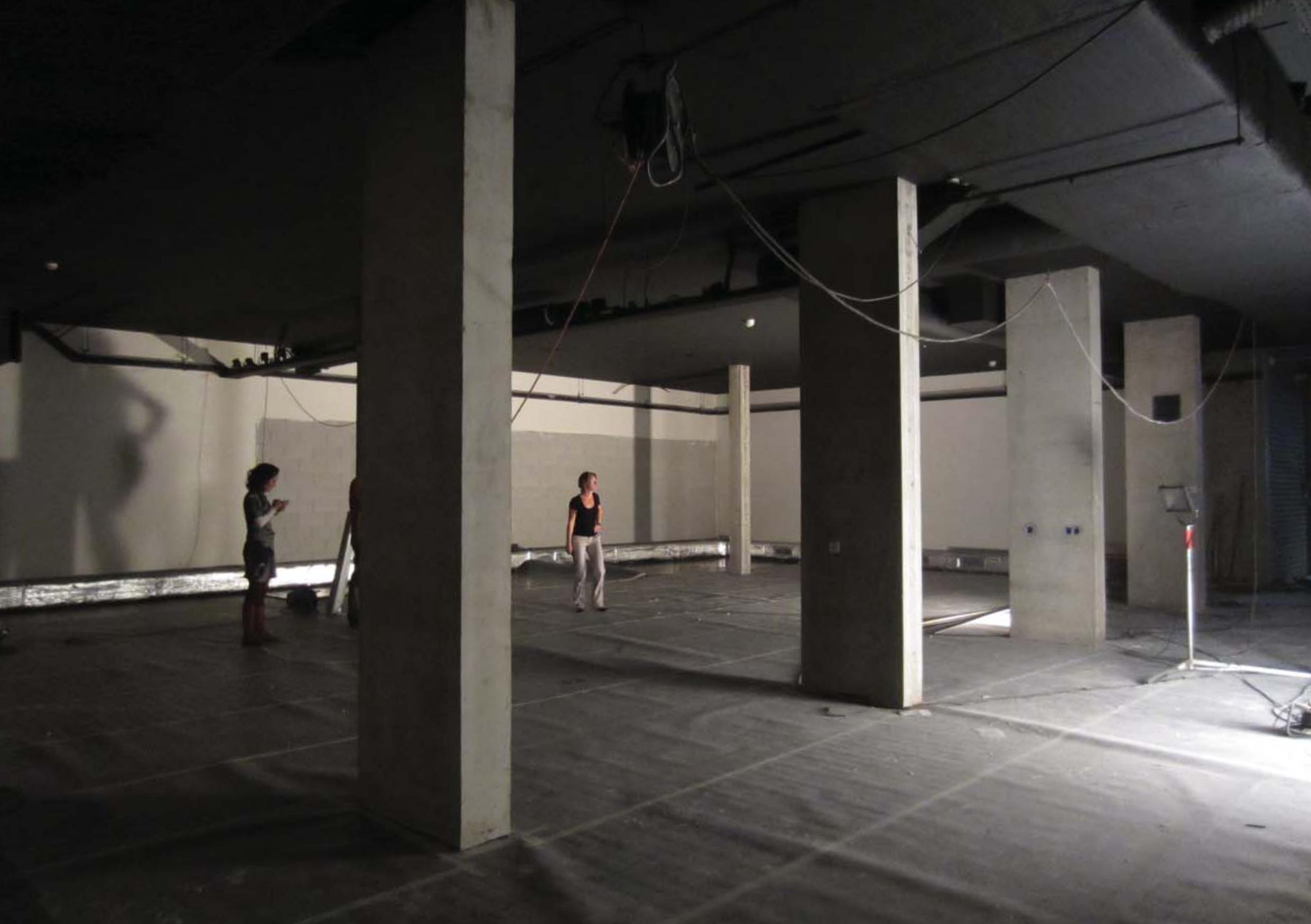
Rendering of the empty space.

Schematic Design (SD)

CONCEPT SEARCH WITH REFERENCE IMAGES

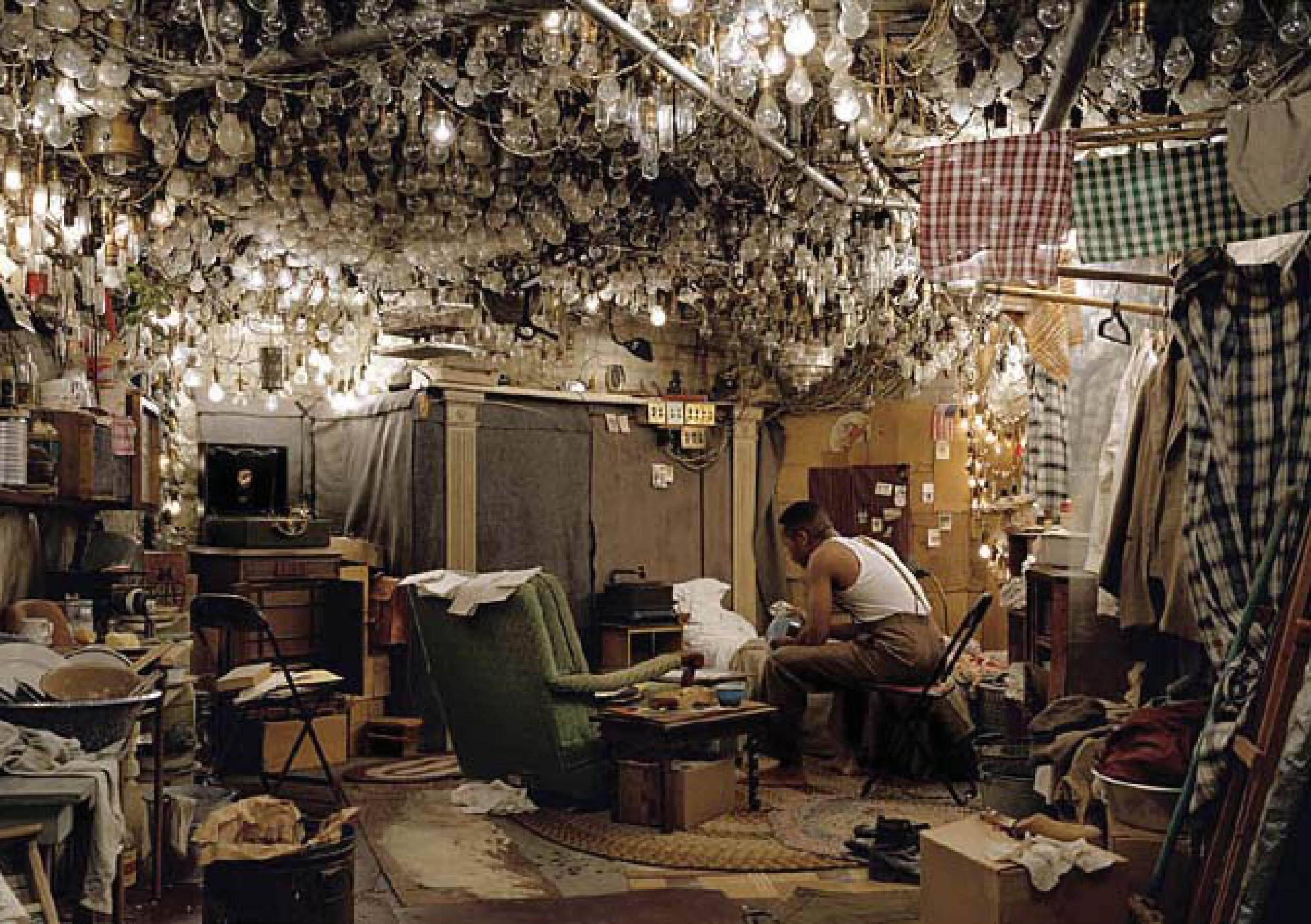
The Schematic Design phase is arguably the most exciting for architects. During SD ideas are browsed through with an editorial lens, and narratives are built. For this project, images references were a crucial tool in researching and tuning into a most relevant atmosphere for the space, as well as think about staging, role play for visitors, and materials. Reference images were used to come up with design proposals. These two sets of images -- references and proposals -- are weaved together below.

Defining the problem

The space allocated is small compared to the wealth of models present in the NAi archives. At the beginning of the project, the NAi curators and project client are also extremely vague about the curatorial program and express the desires to show as many models as possible at once, while maintaining a sense of editorial relevance and order. A requirement is also to use the staging to make the models attractive and interesting to an audience of non-designers and non-architects. How to make architectural models and drawings appear dramatically significant becomes the problem driving the work.

Ideating the Solution

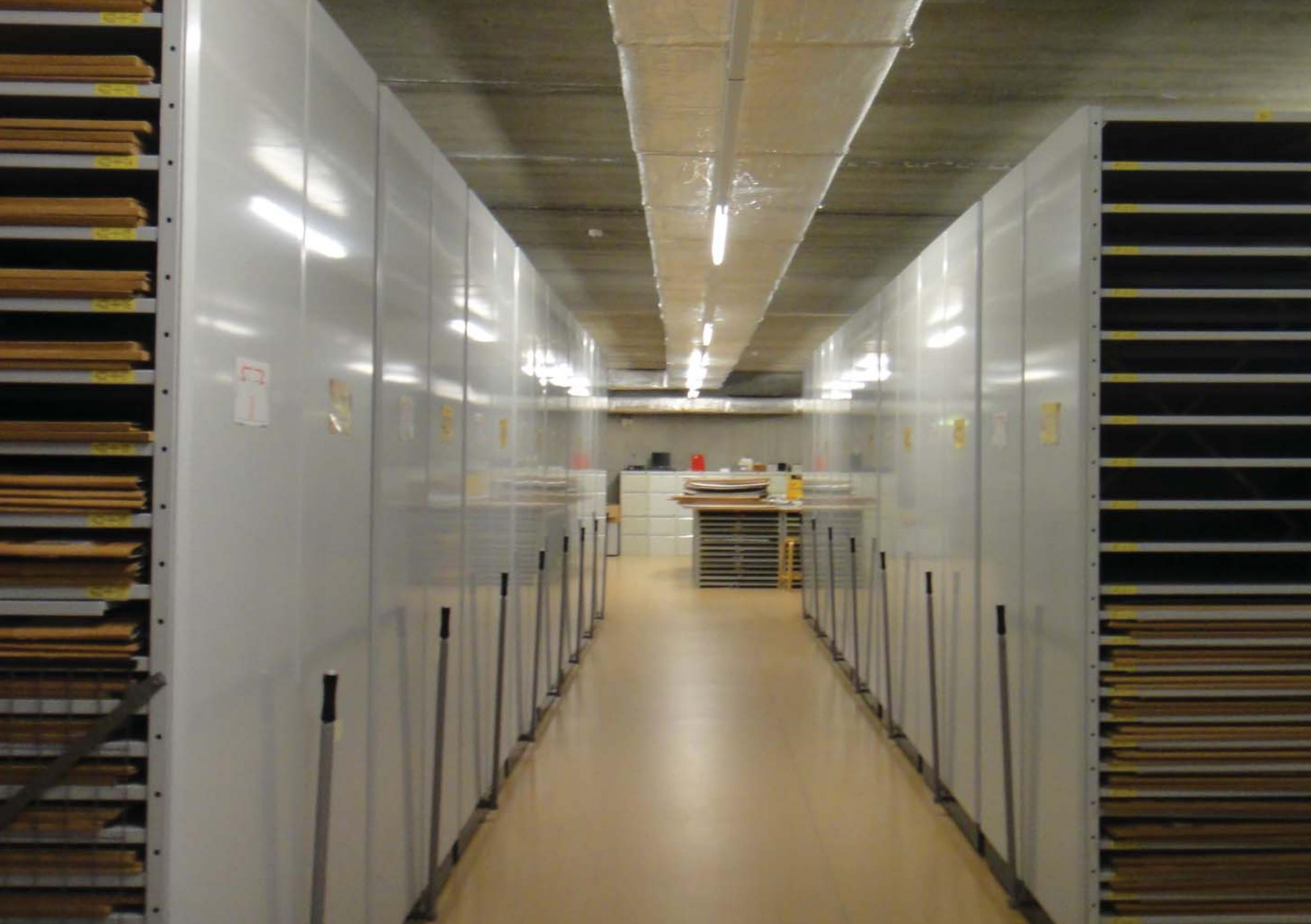
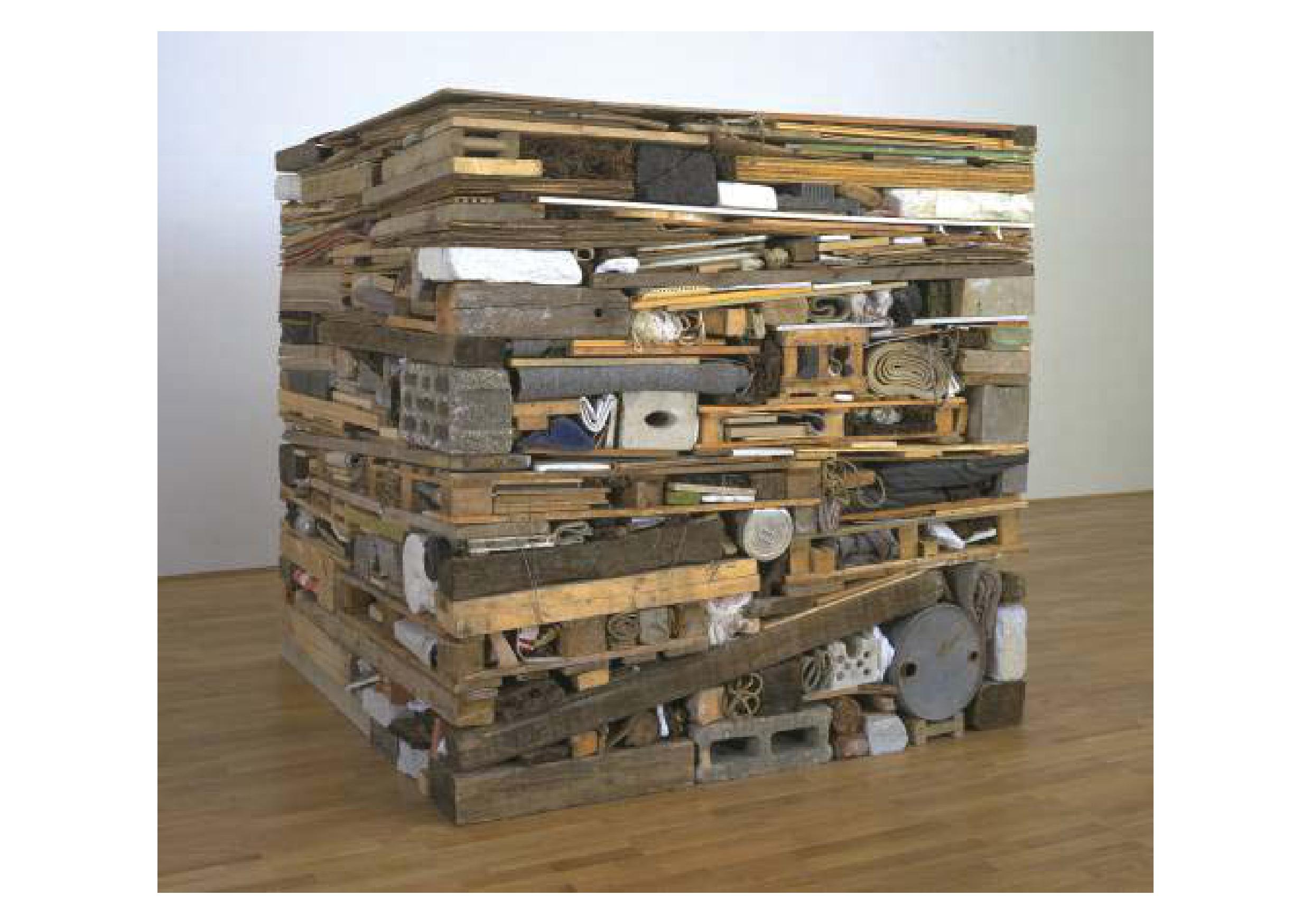
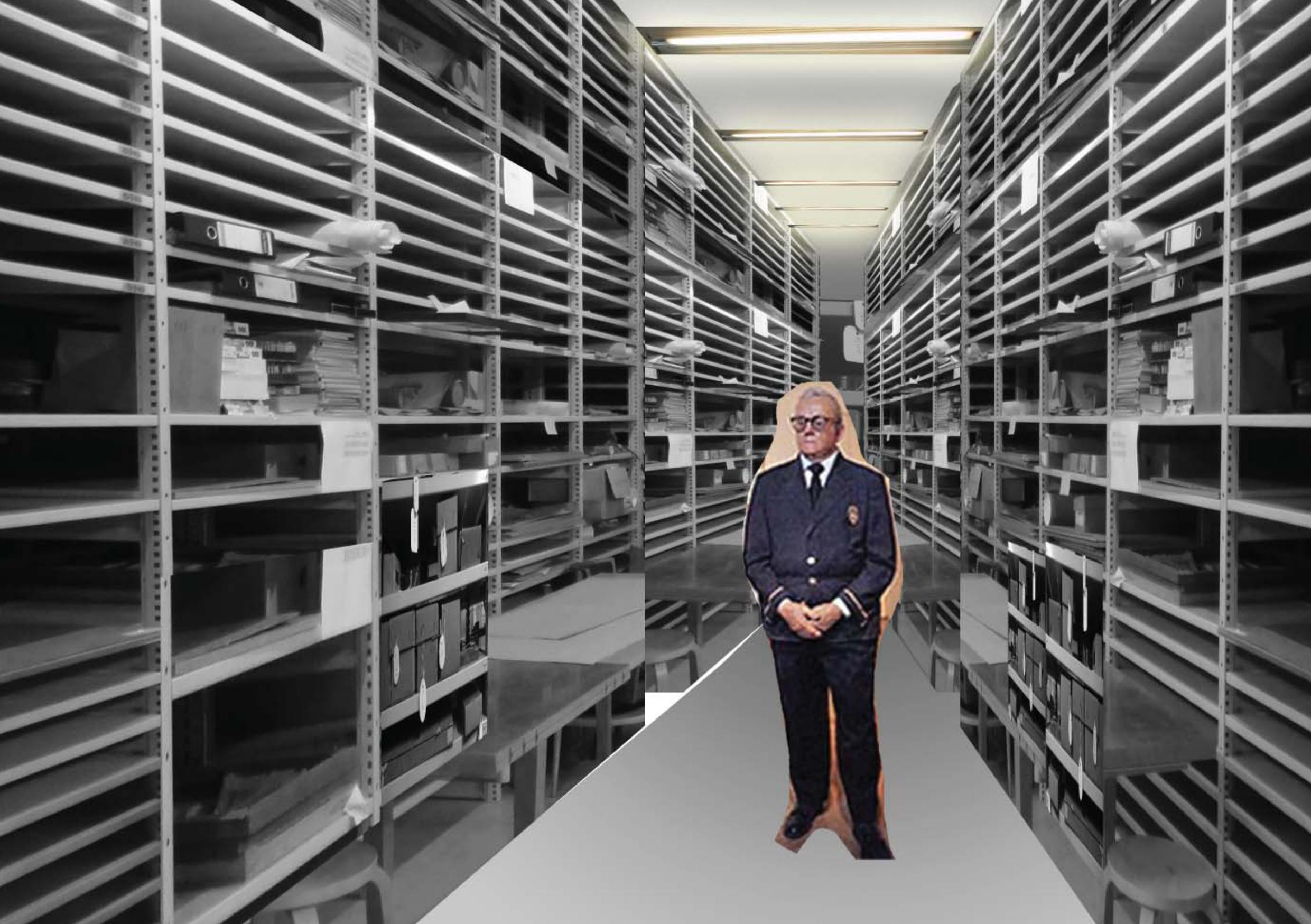
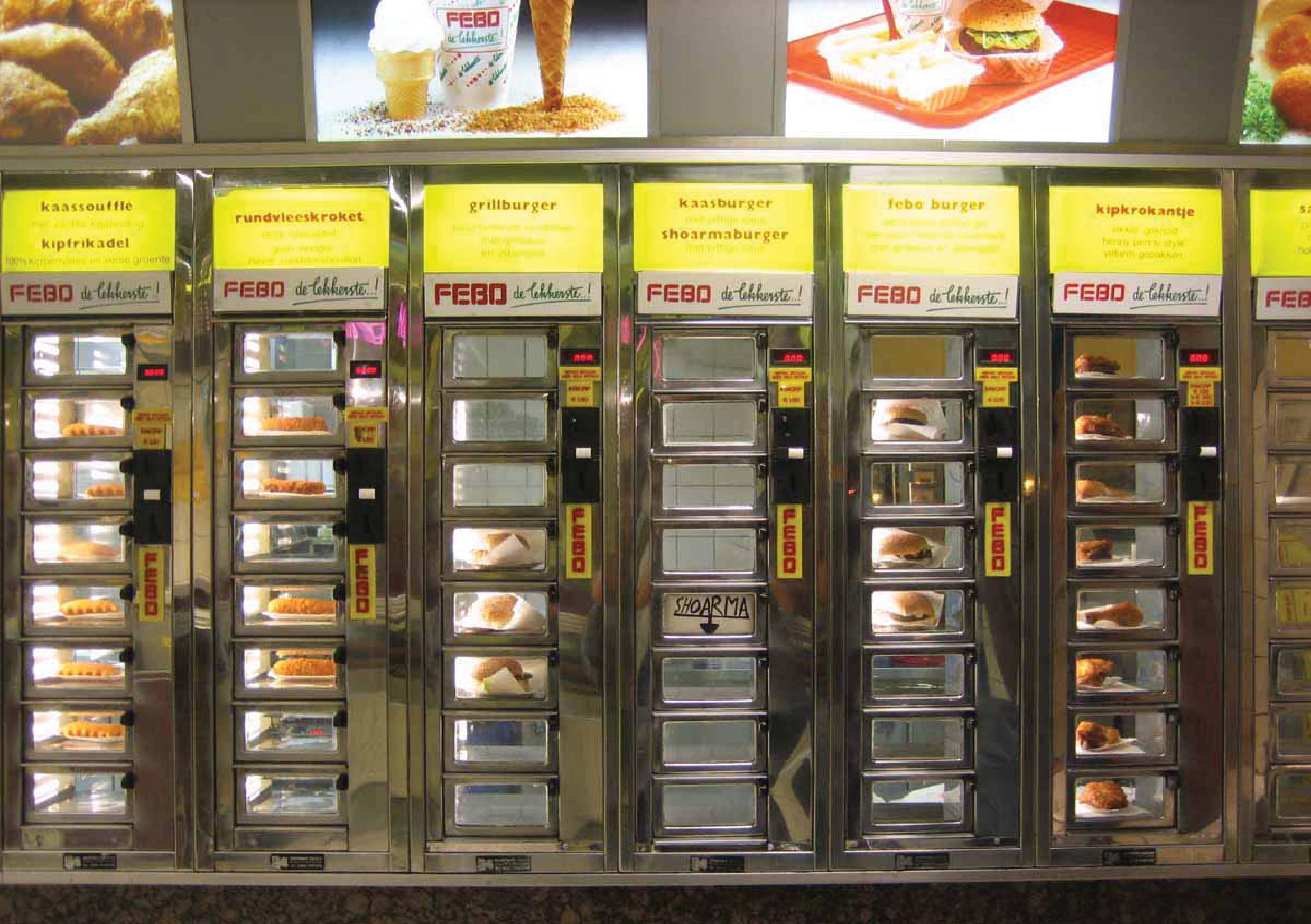
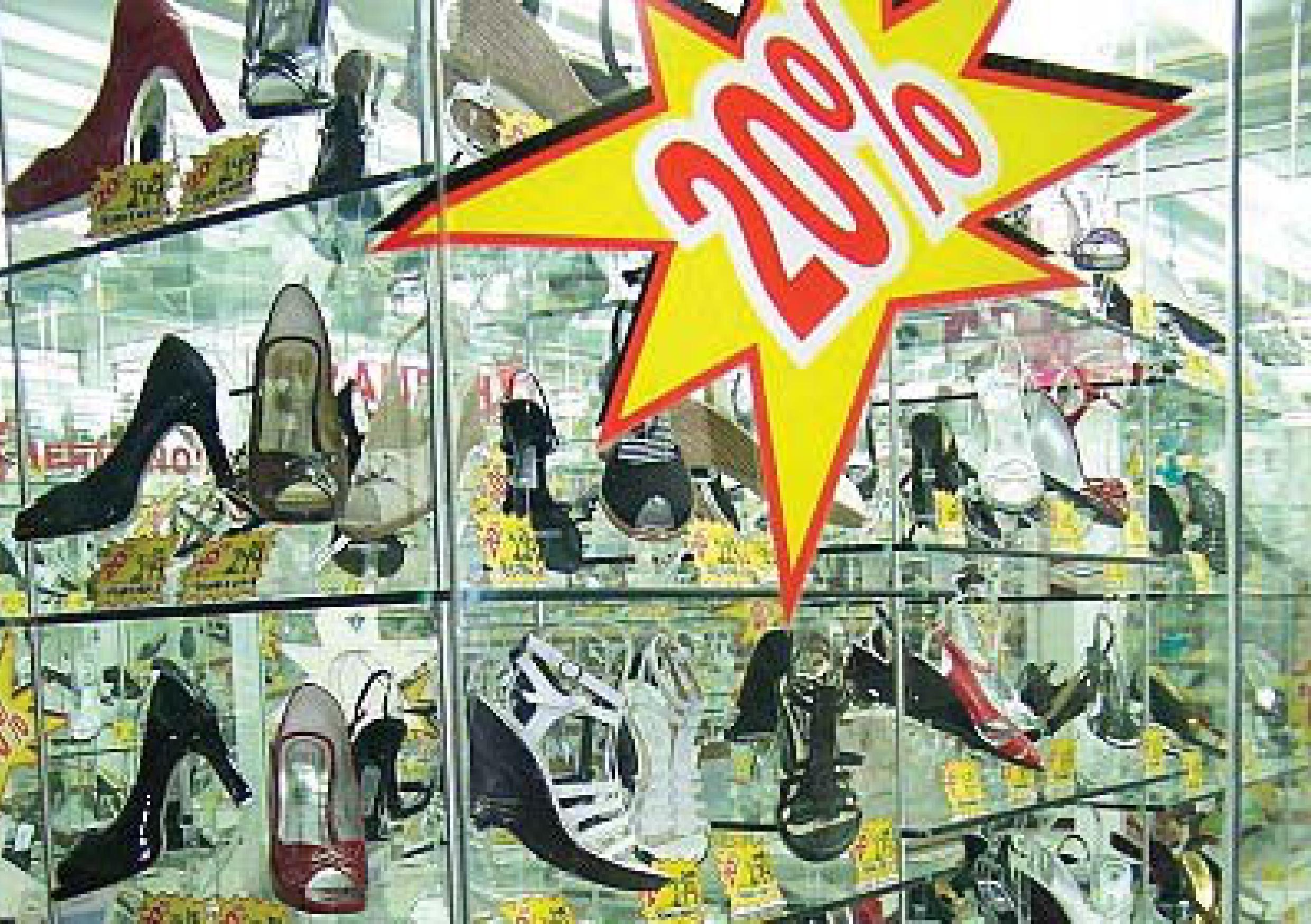
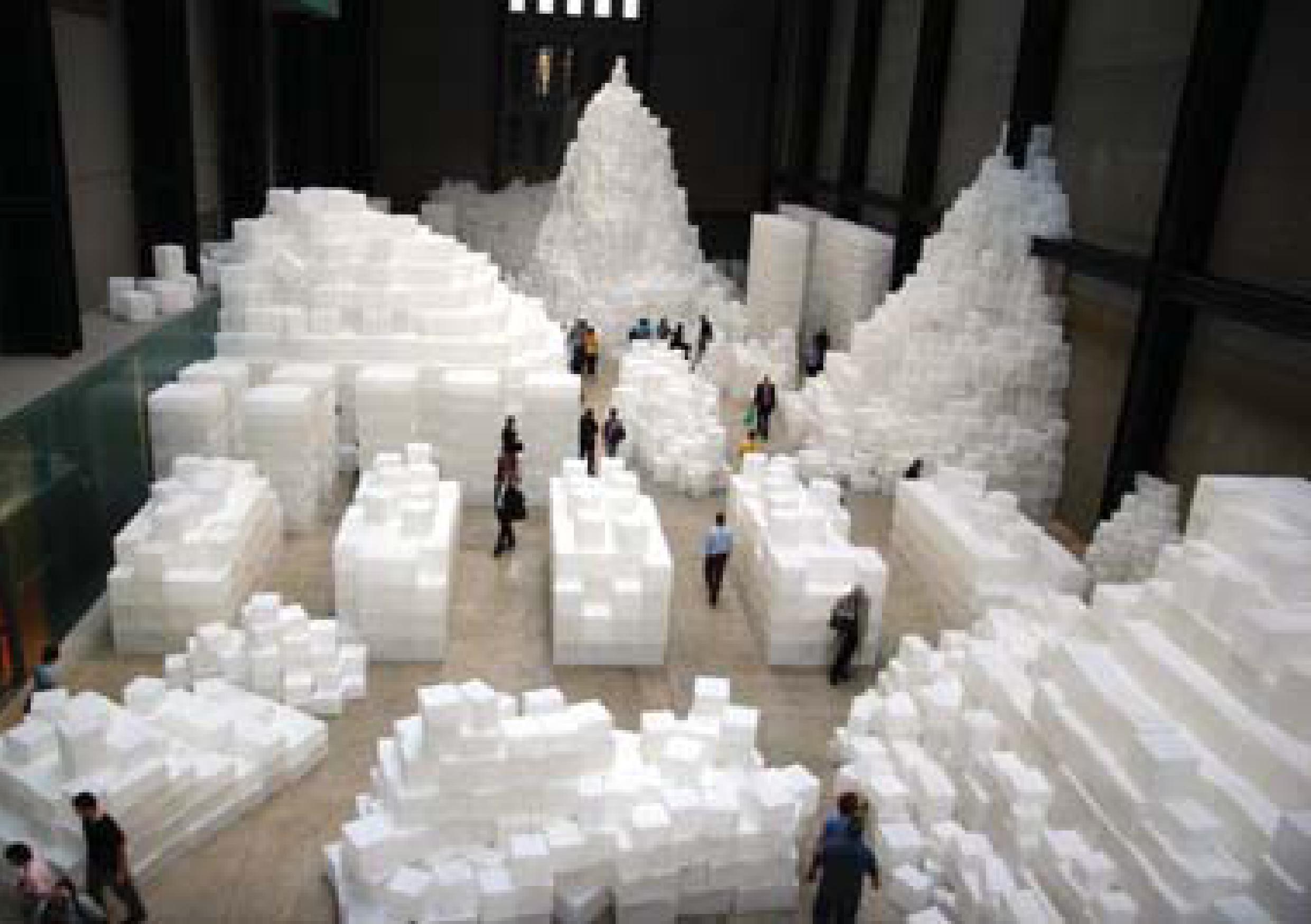
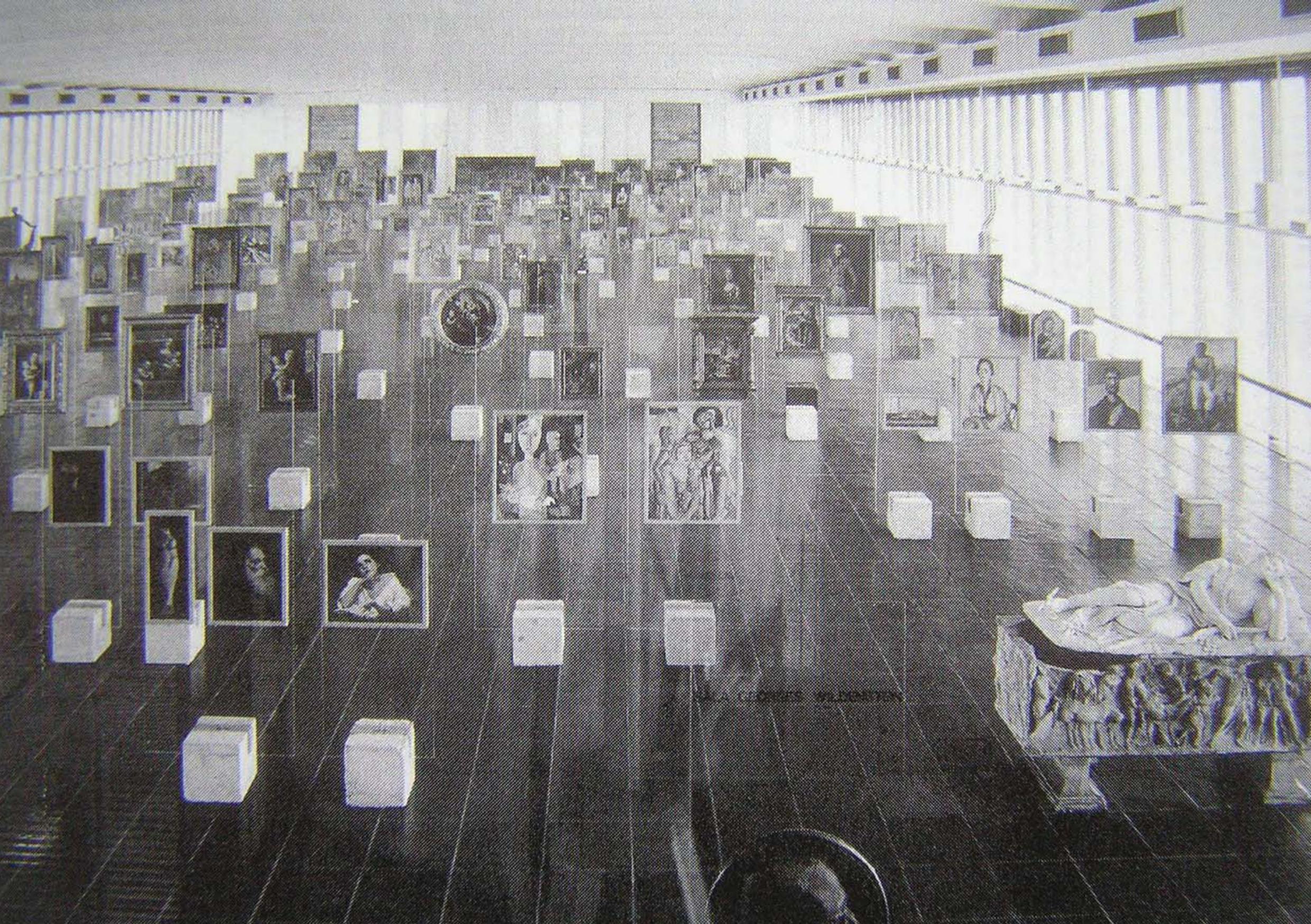
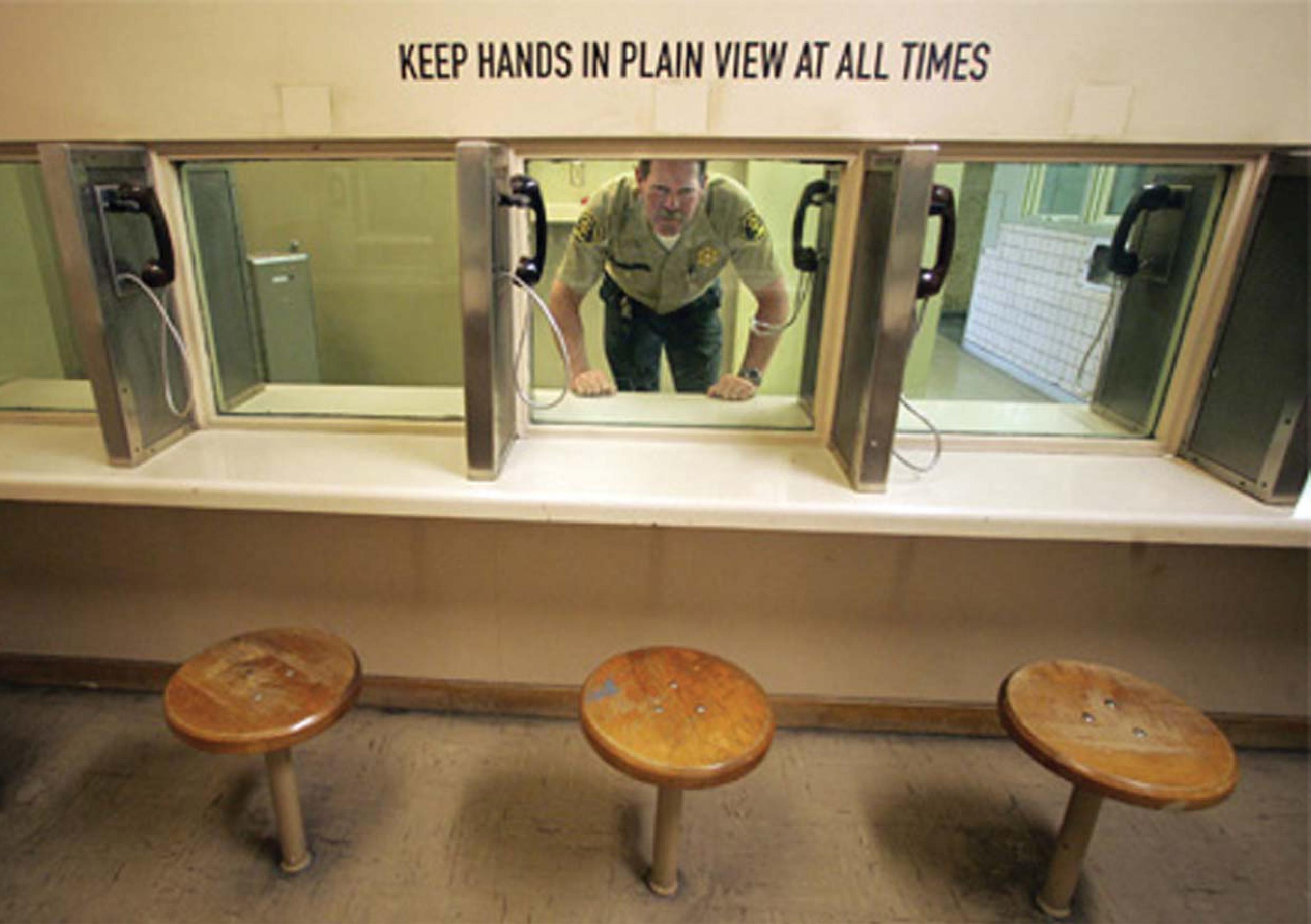
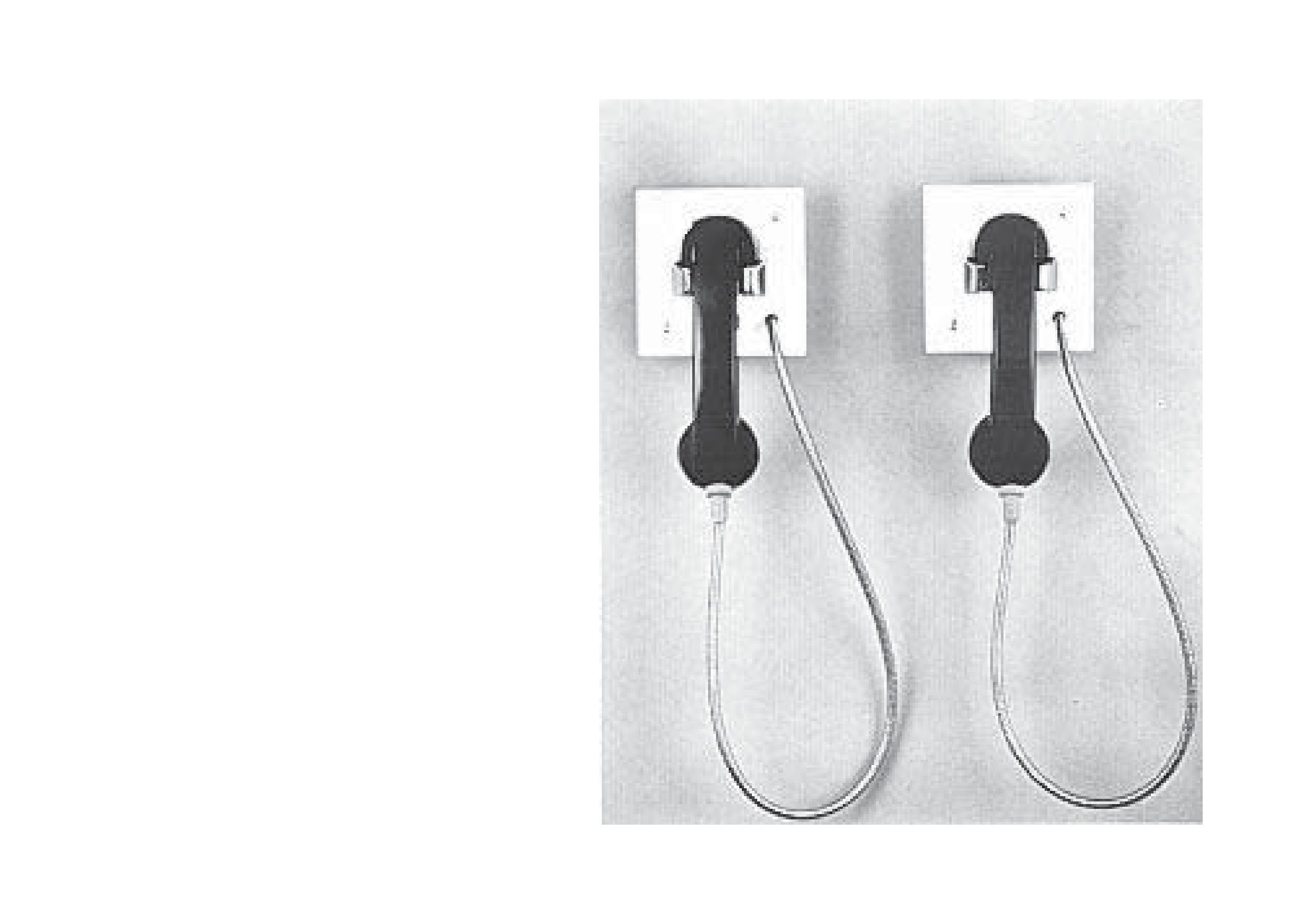
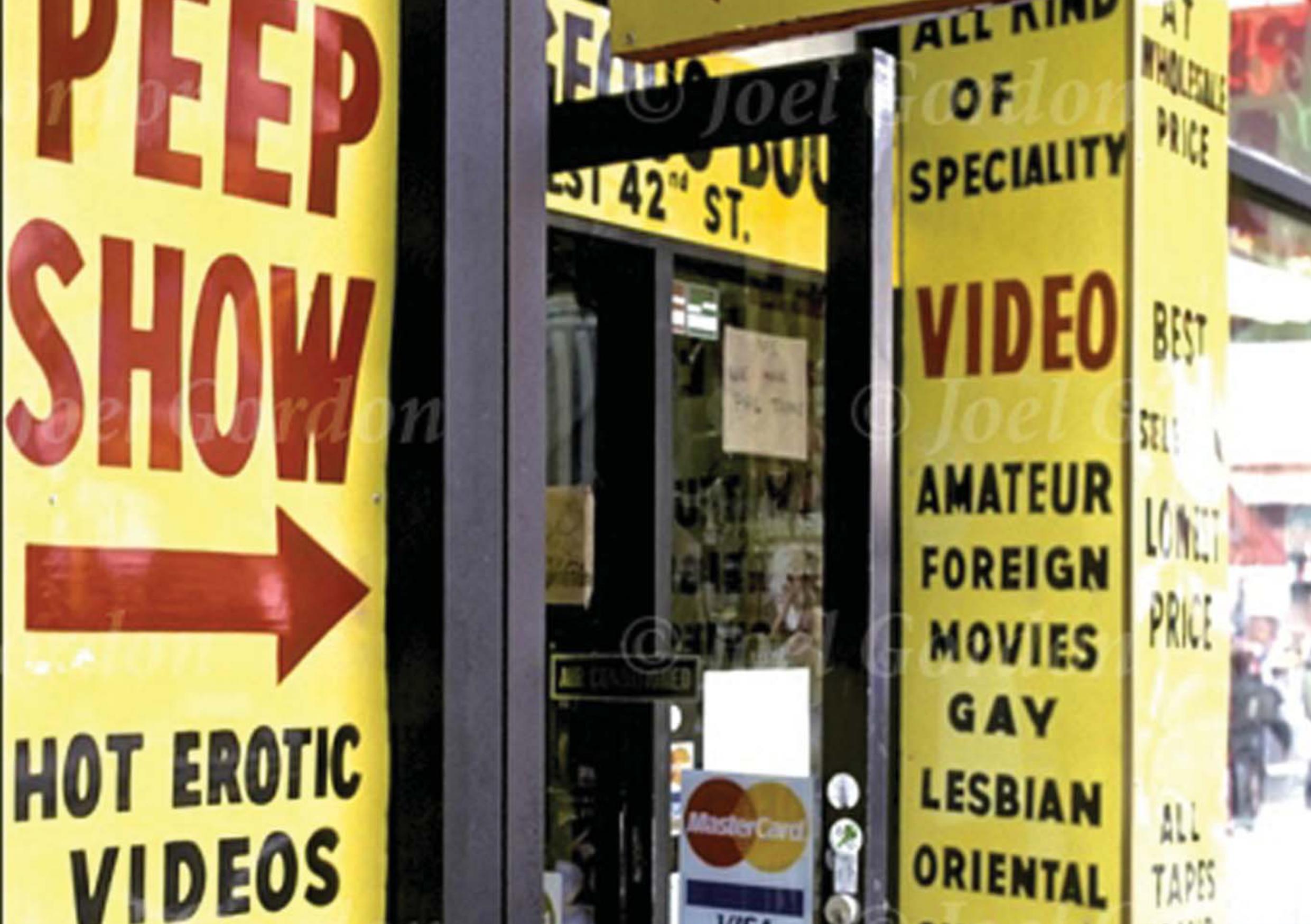
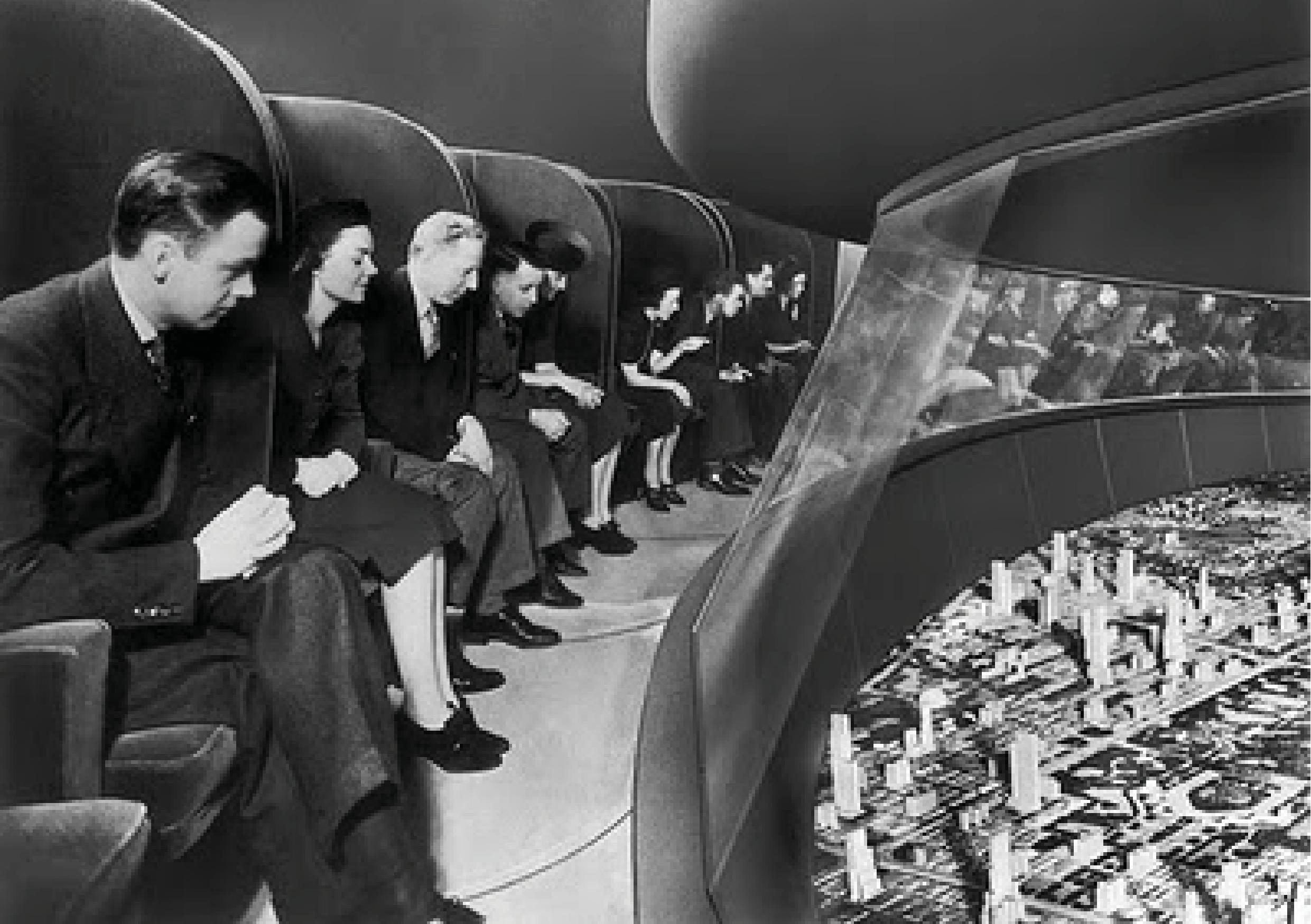
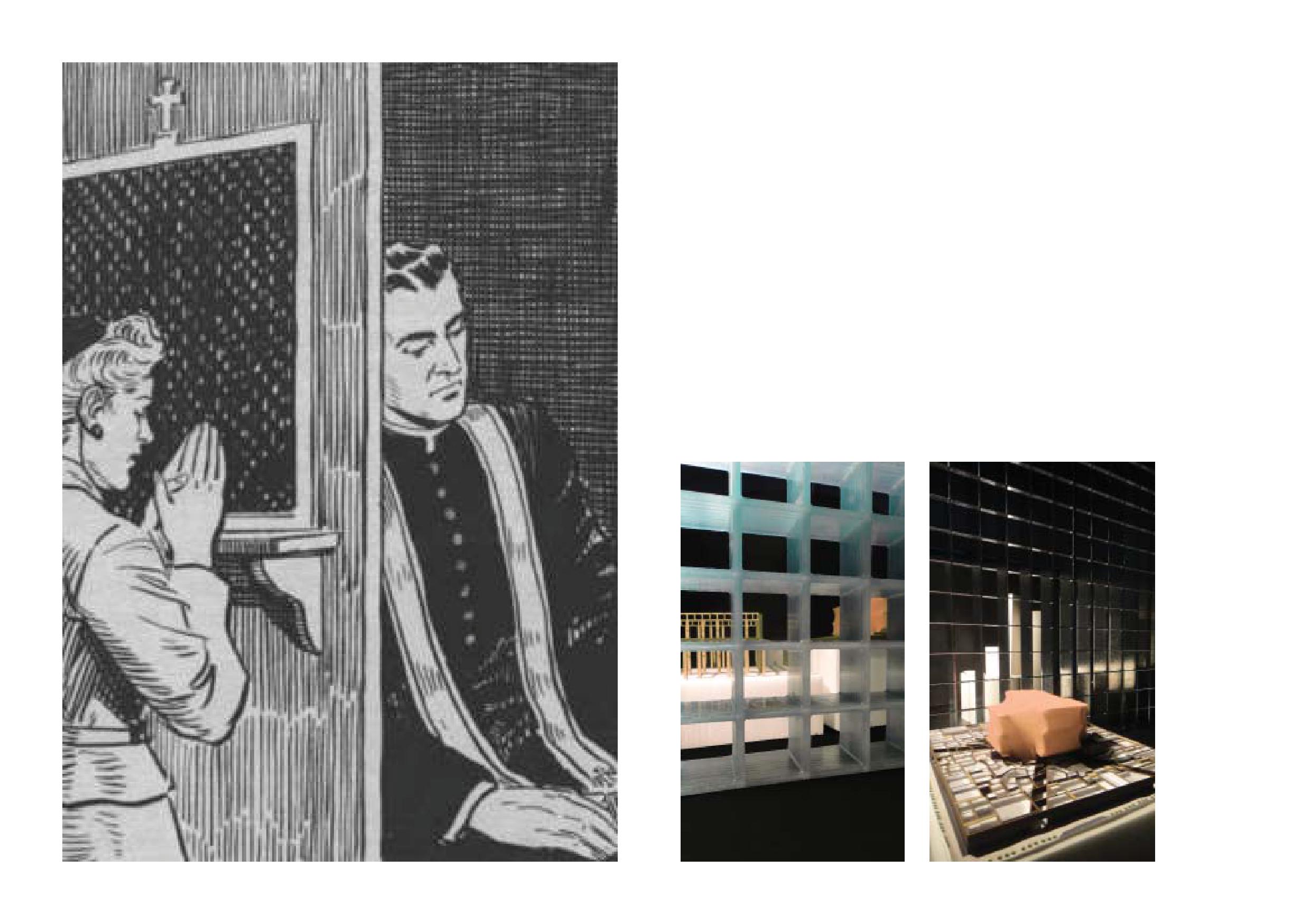
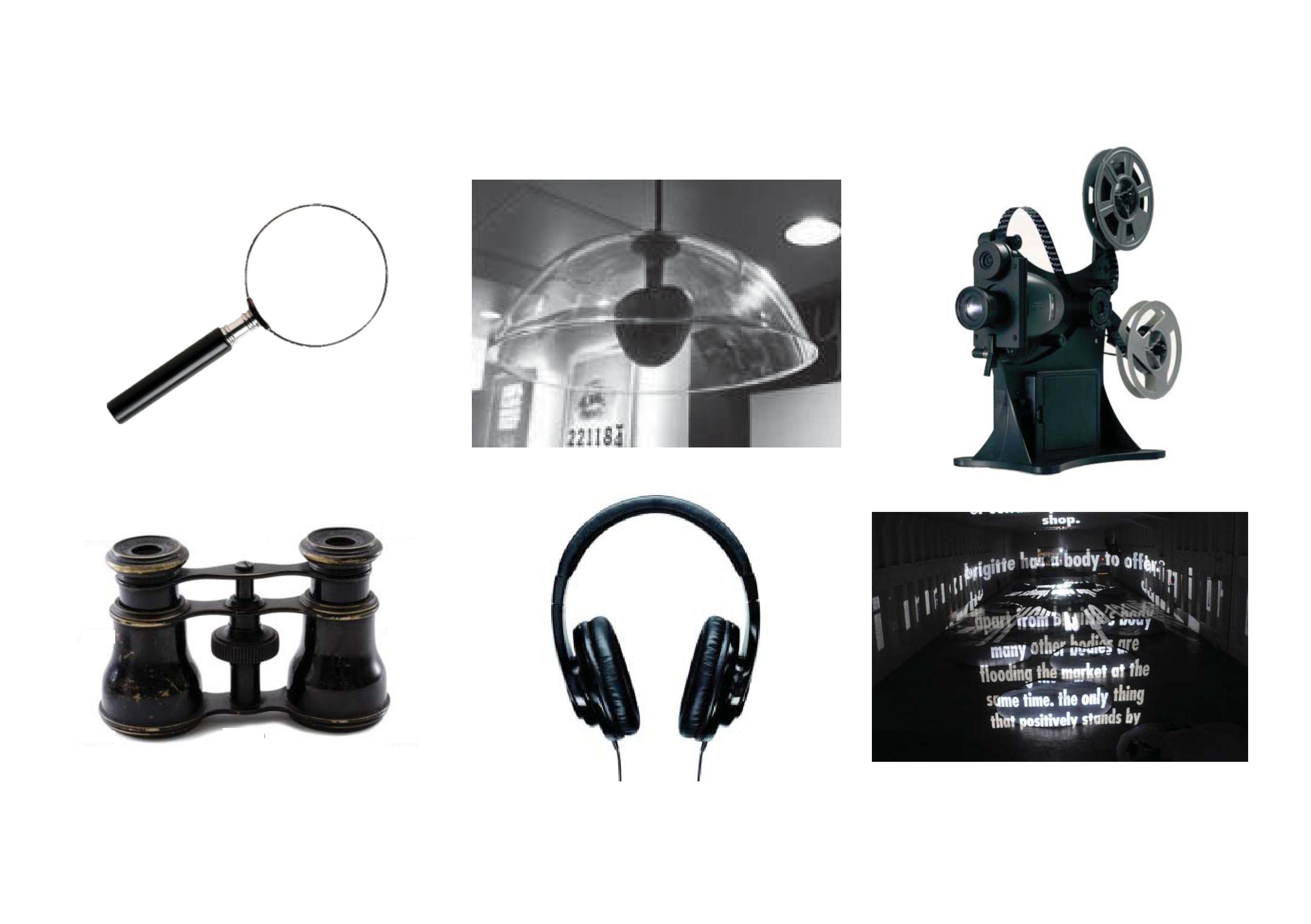
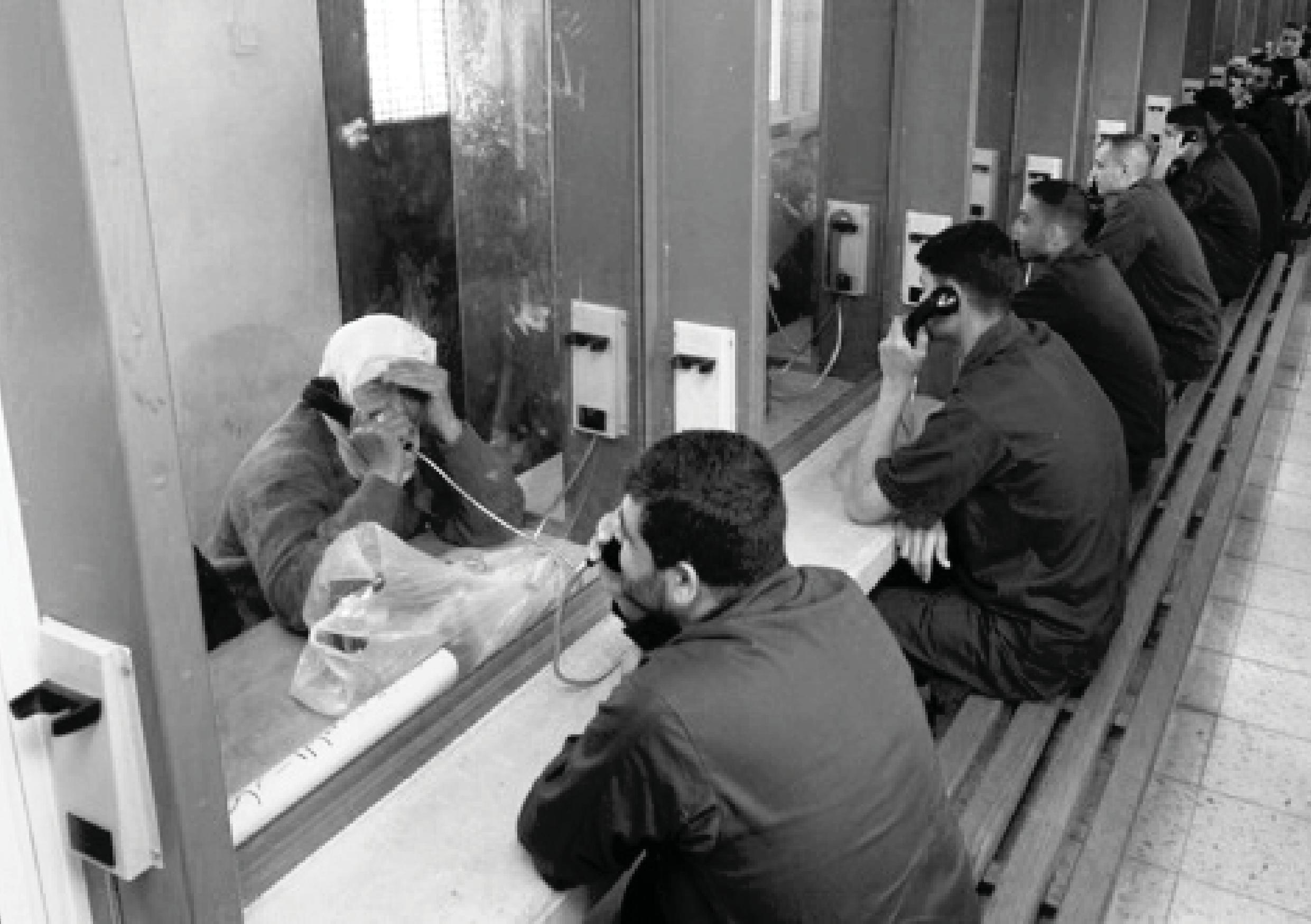
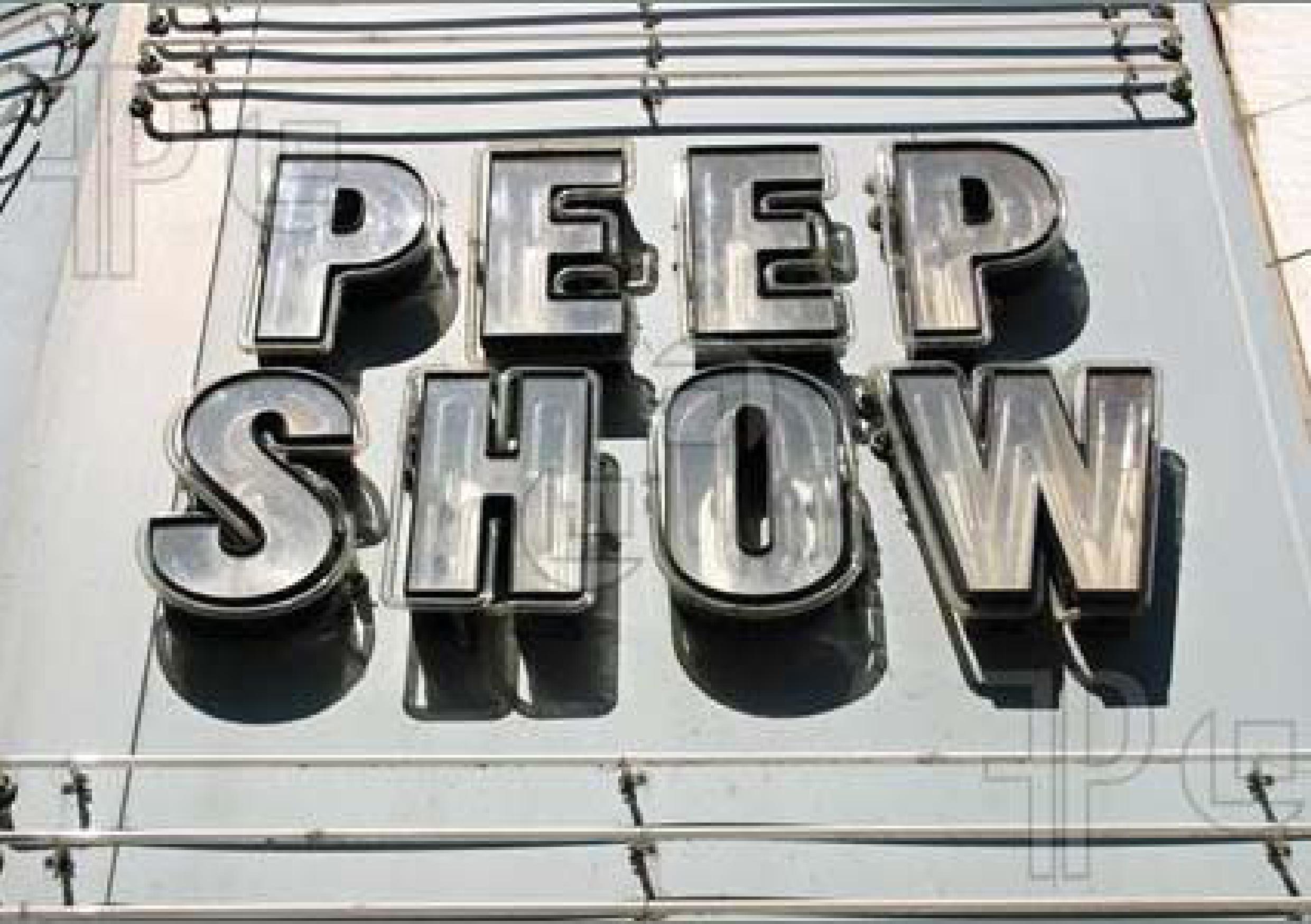
A challenge in finding the solution therefore became how to display a wide variety of objects in a confined space to appeal to a wide audience and allow exploration. The archive inspired us, while we were aware that we needed to make them less alienating. Other references became important, such as the peep show, the prison phone interface, and marketing techniques pertaining to shopping in dense urban environments. The design process is displayed with a succession of images below.
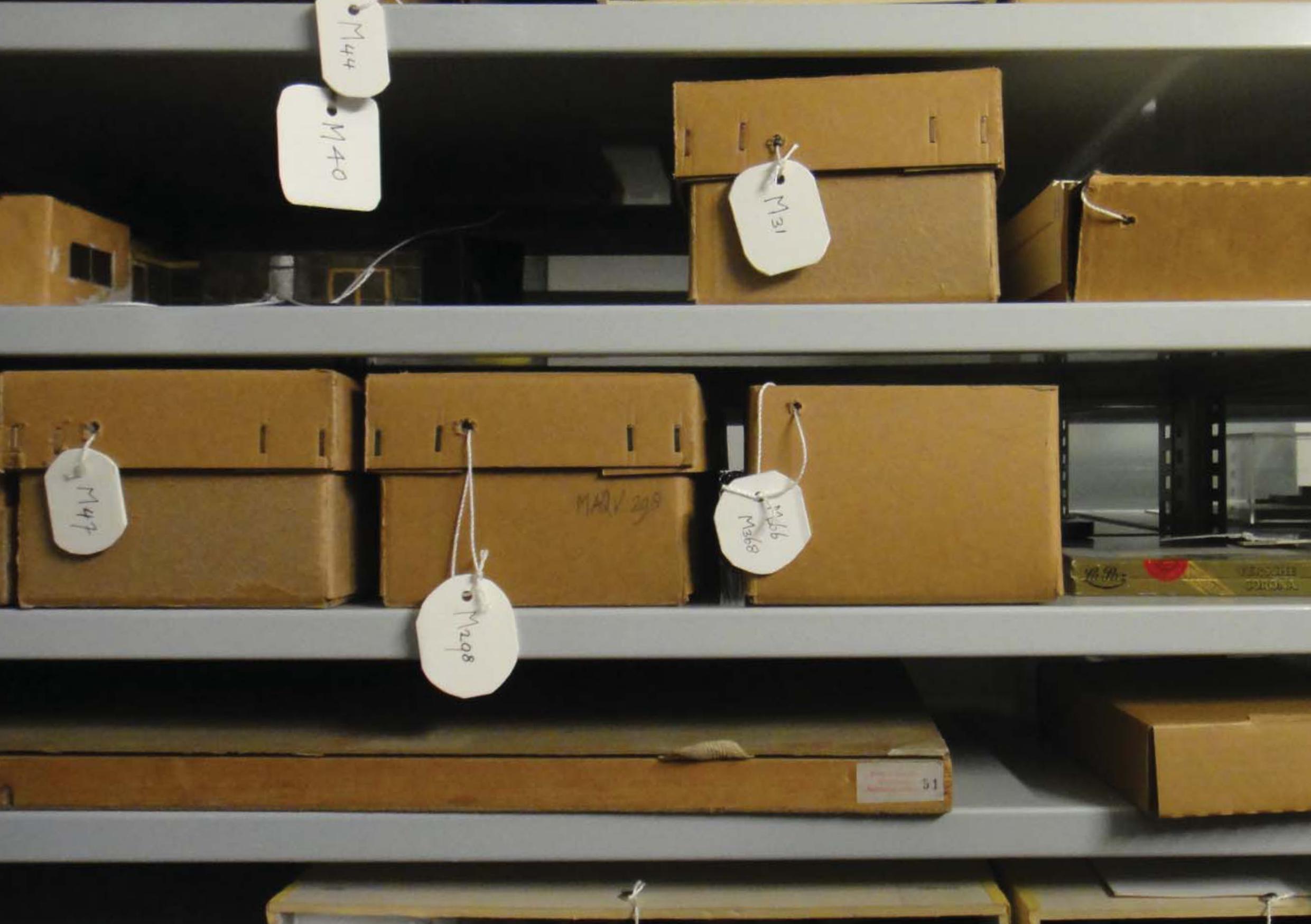
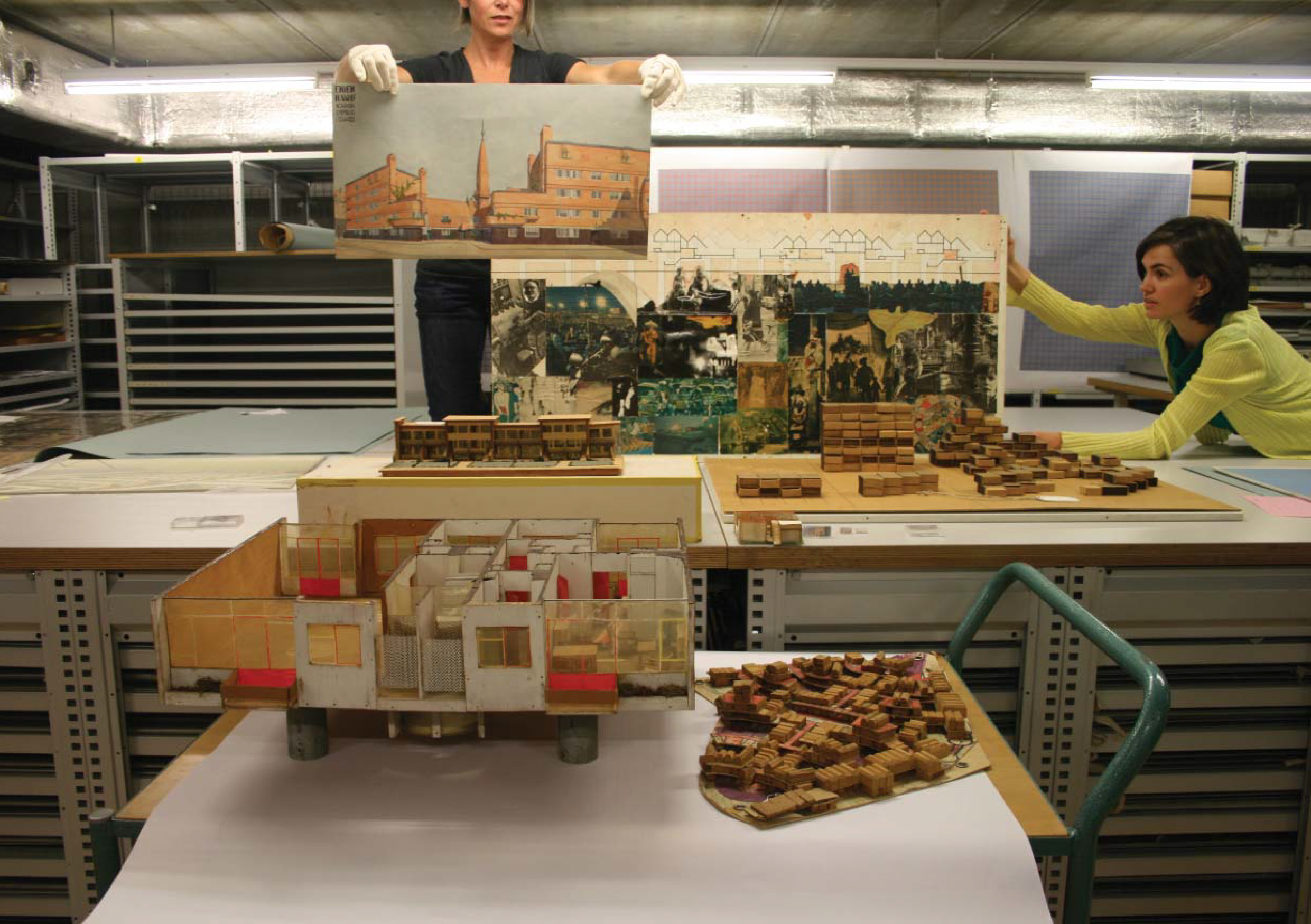
Archive image reference.
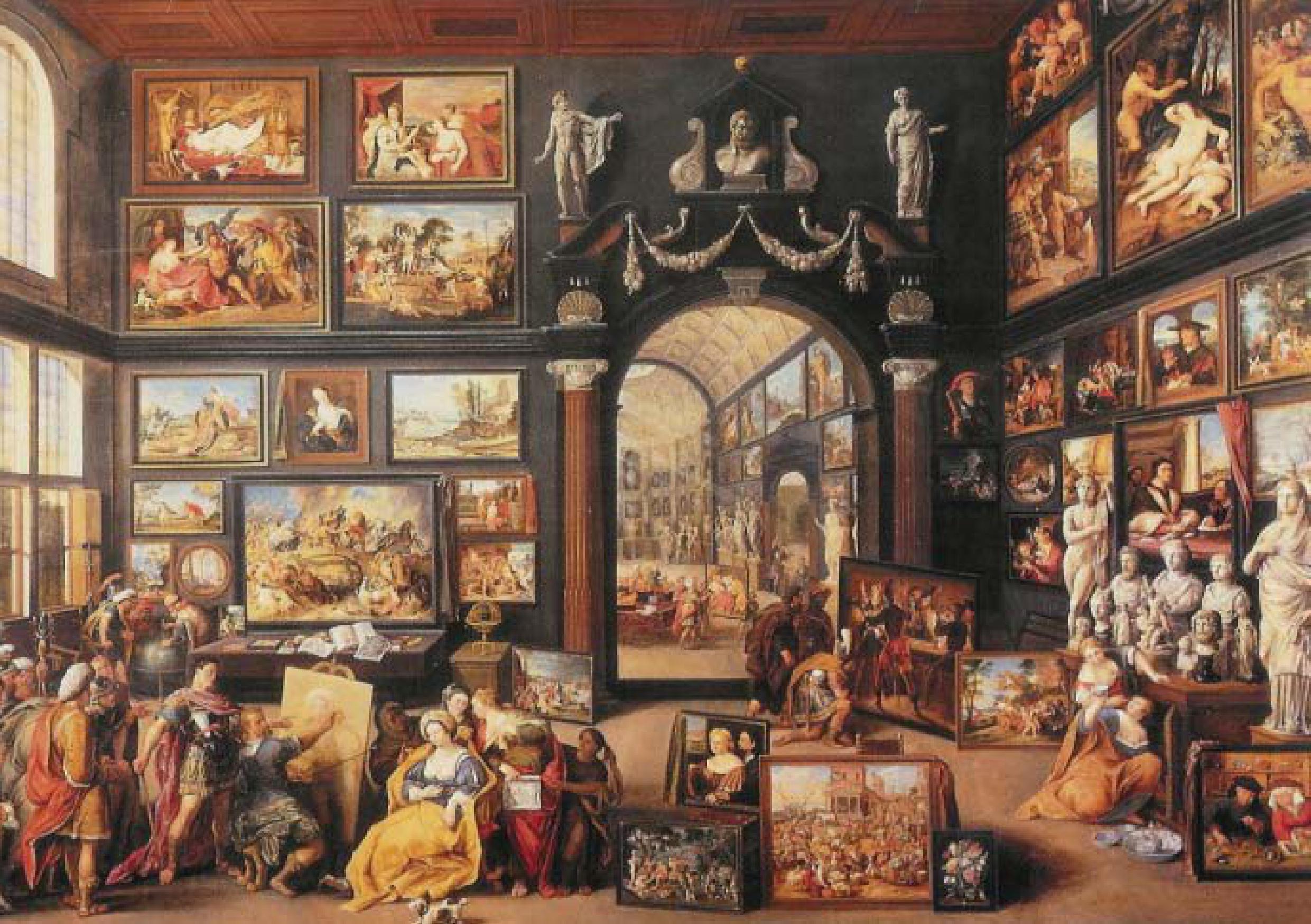
Art image reference.

Archive collage.

Netherlands train station food image reference.
Old-time image reference.
Shopping image reference.
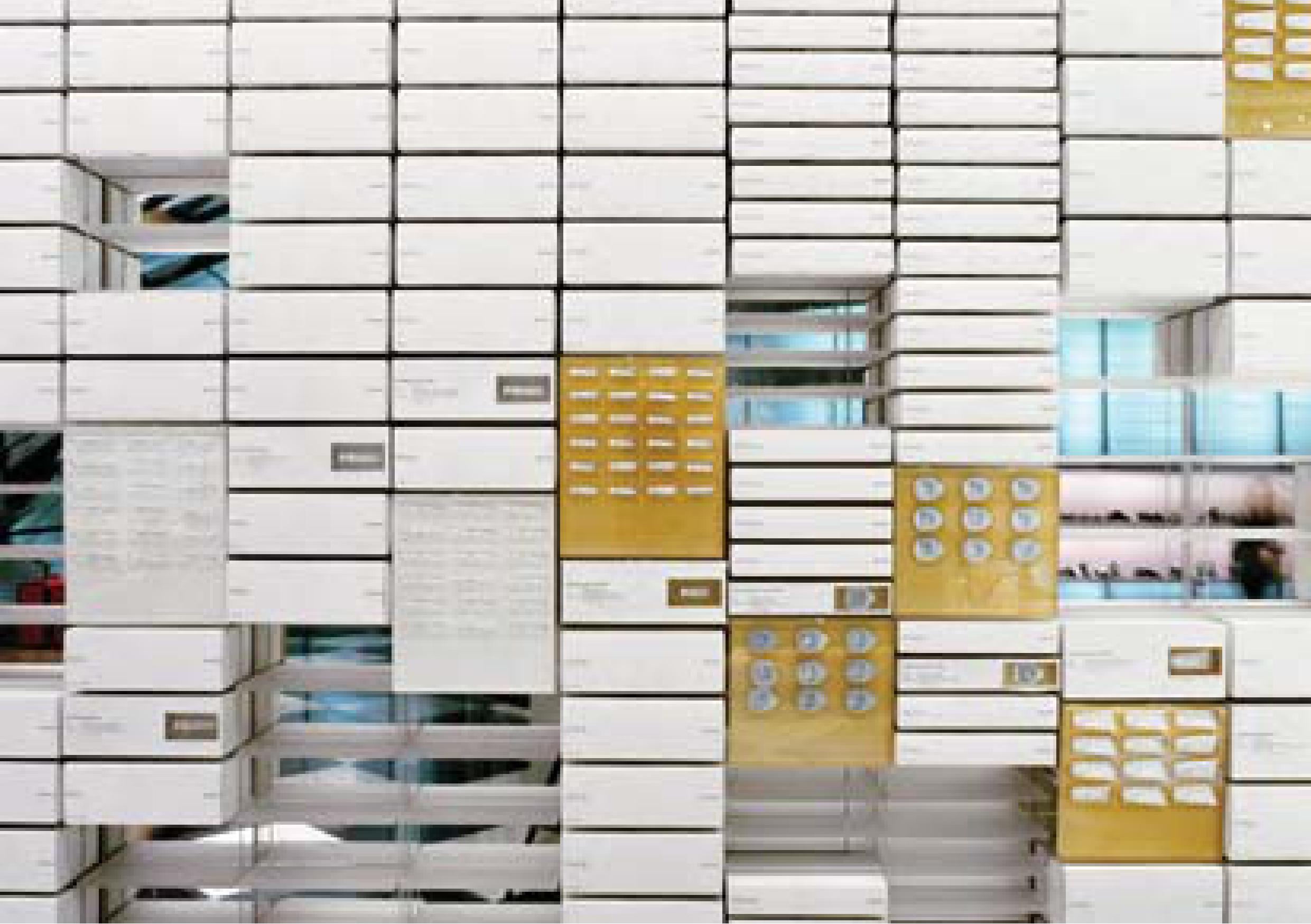
Smart wall image reference.
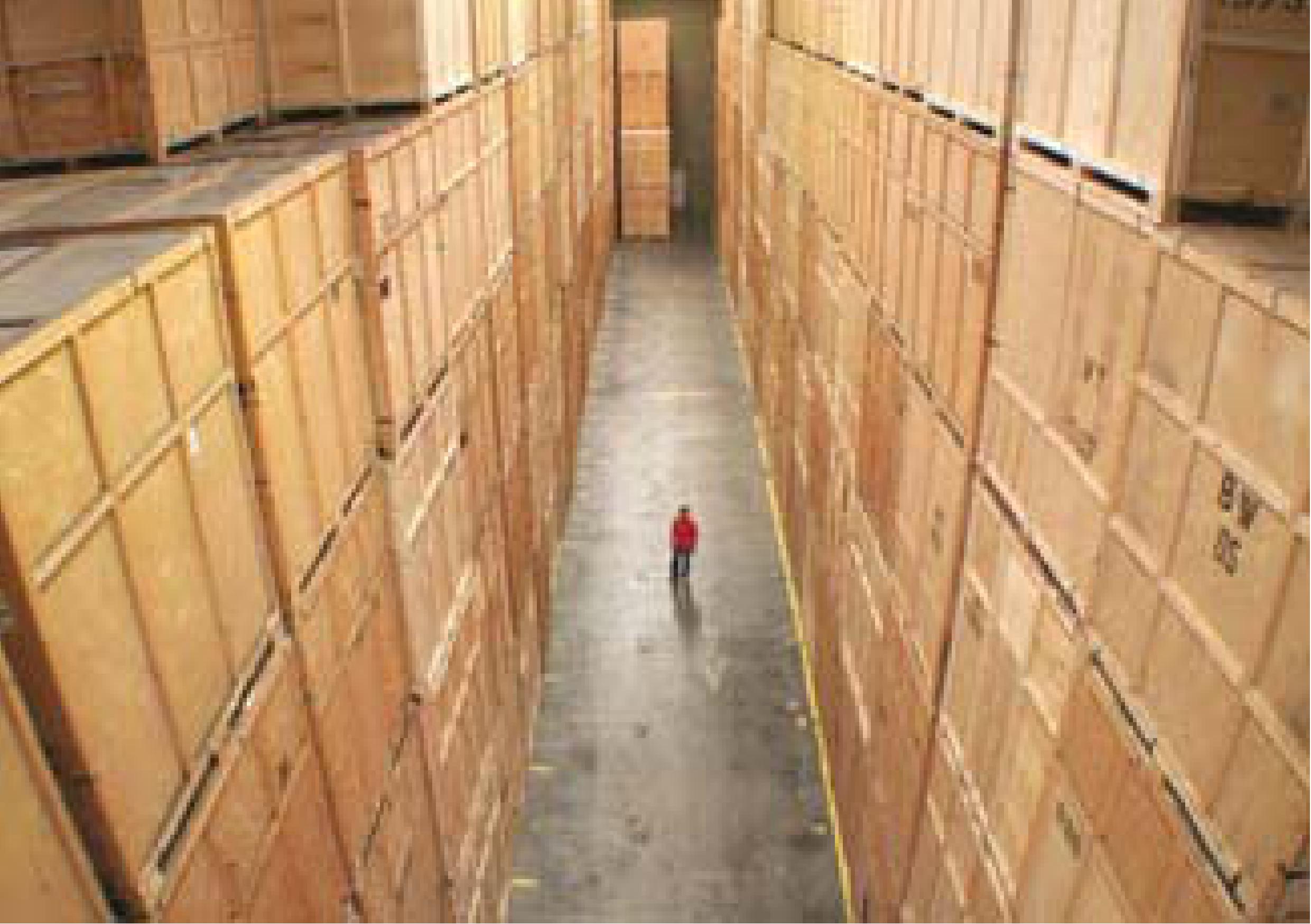
Warehouse image reference.

Exhibition image reference.

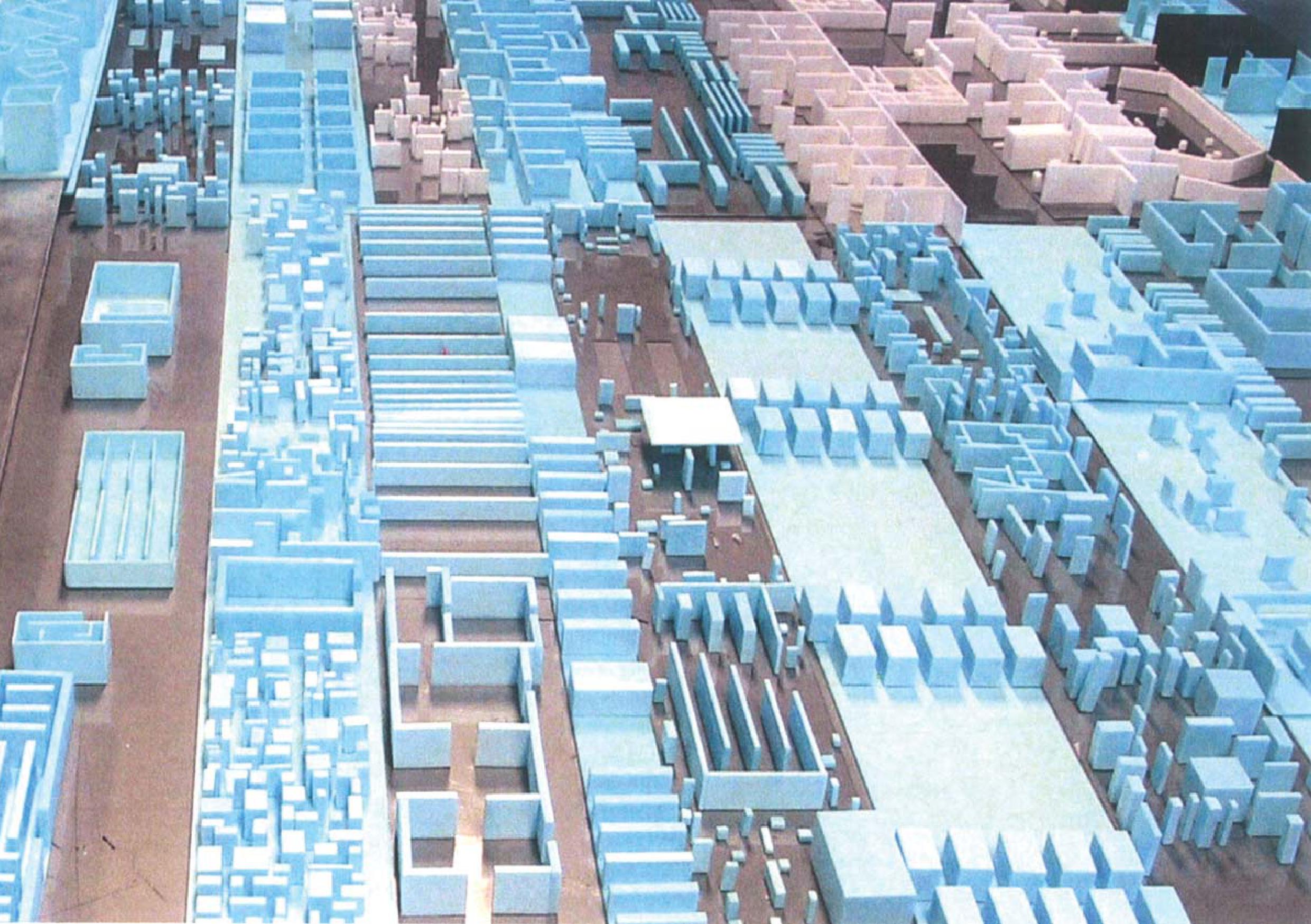
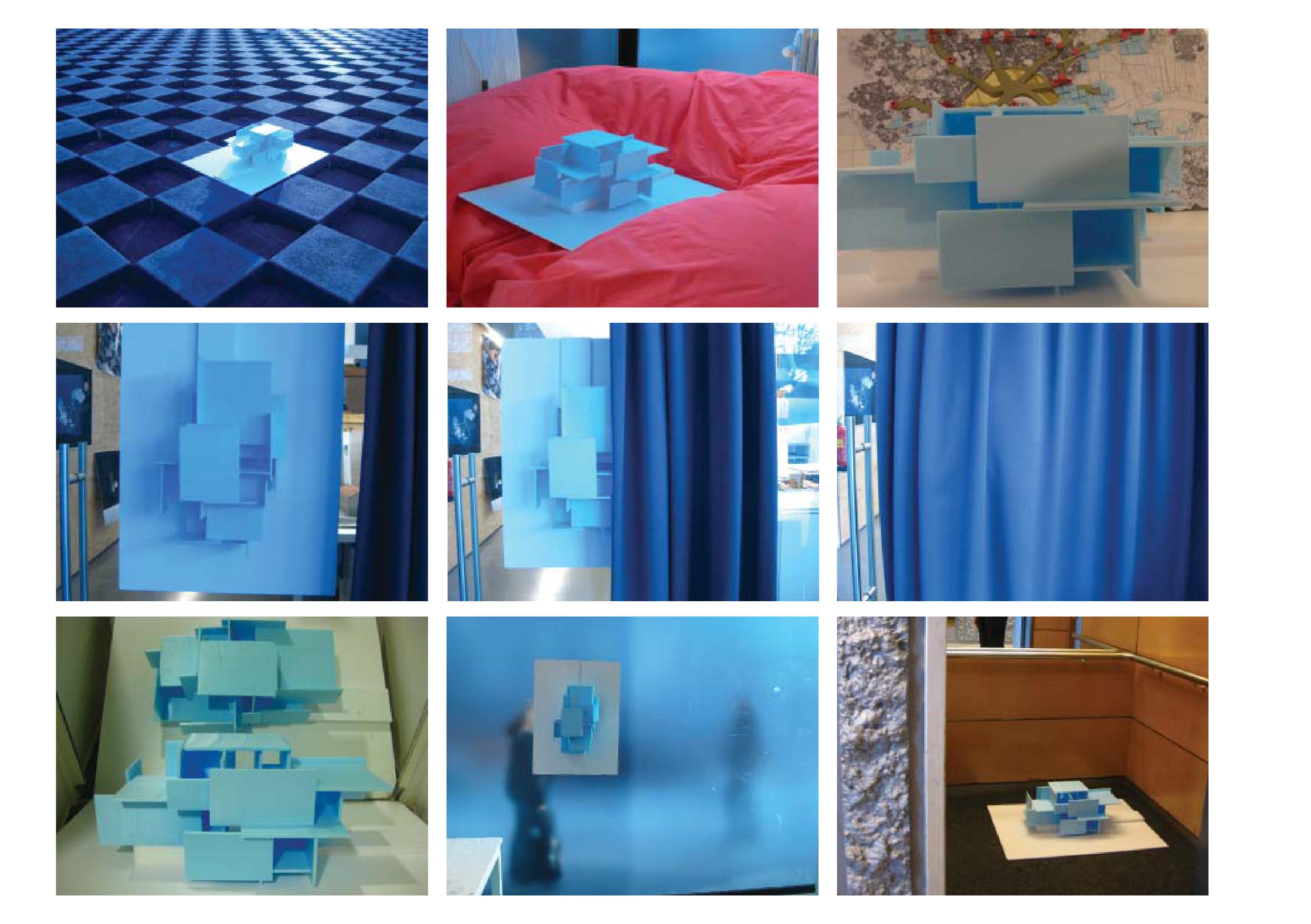
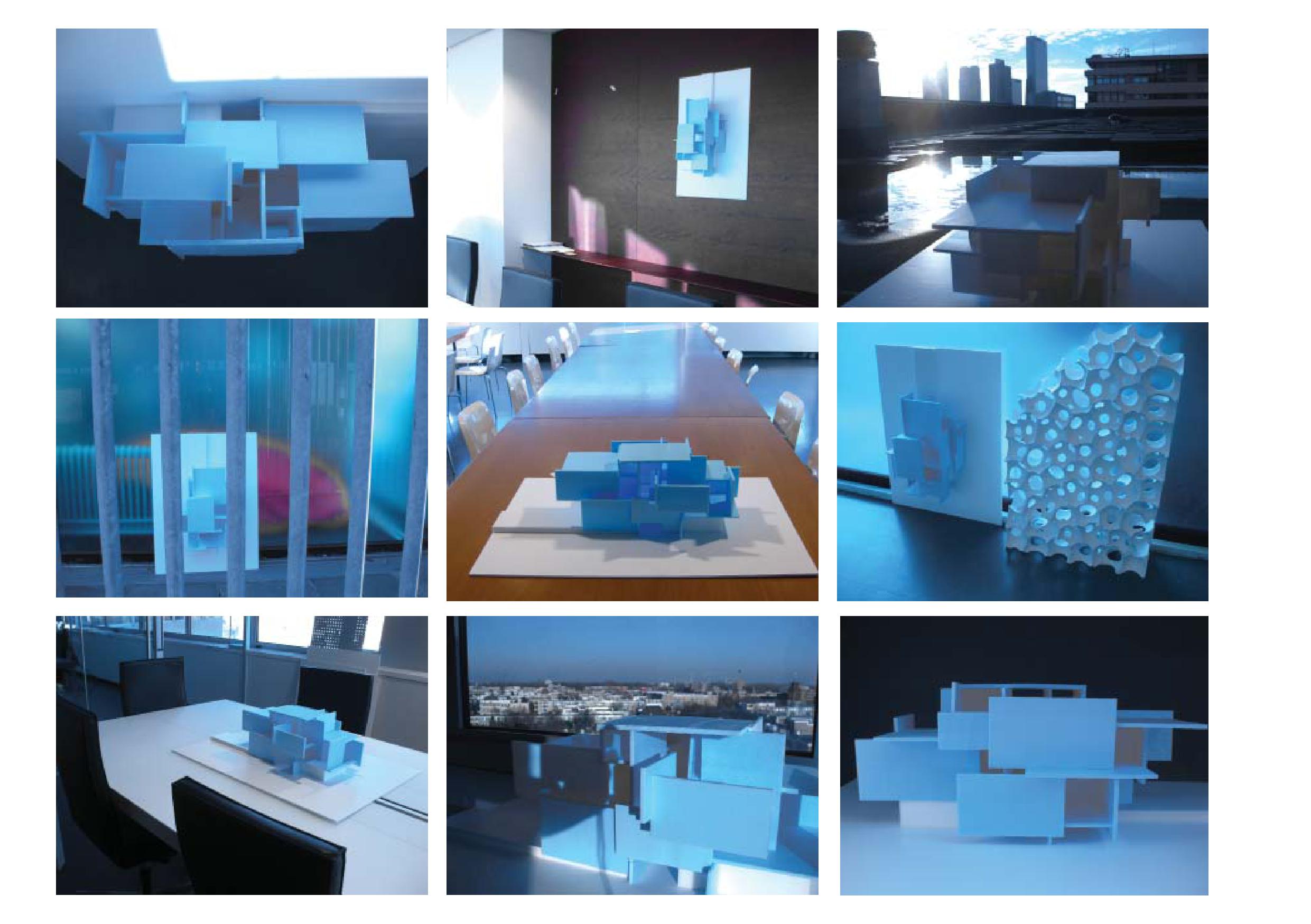
Blue foam reference image.

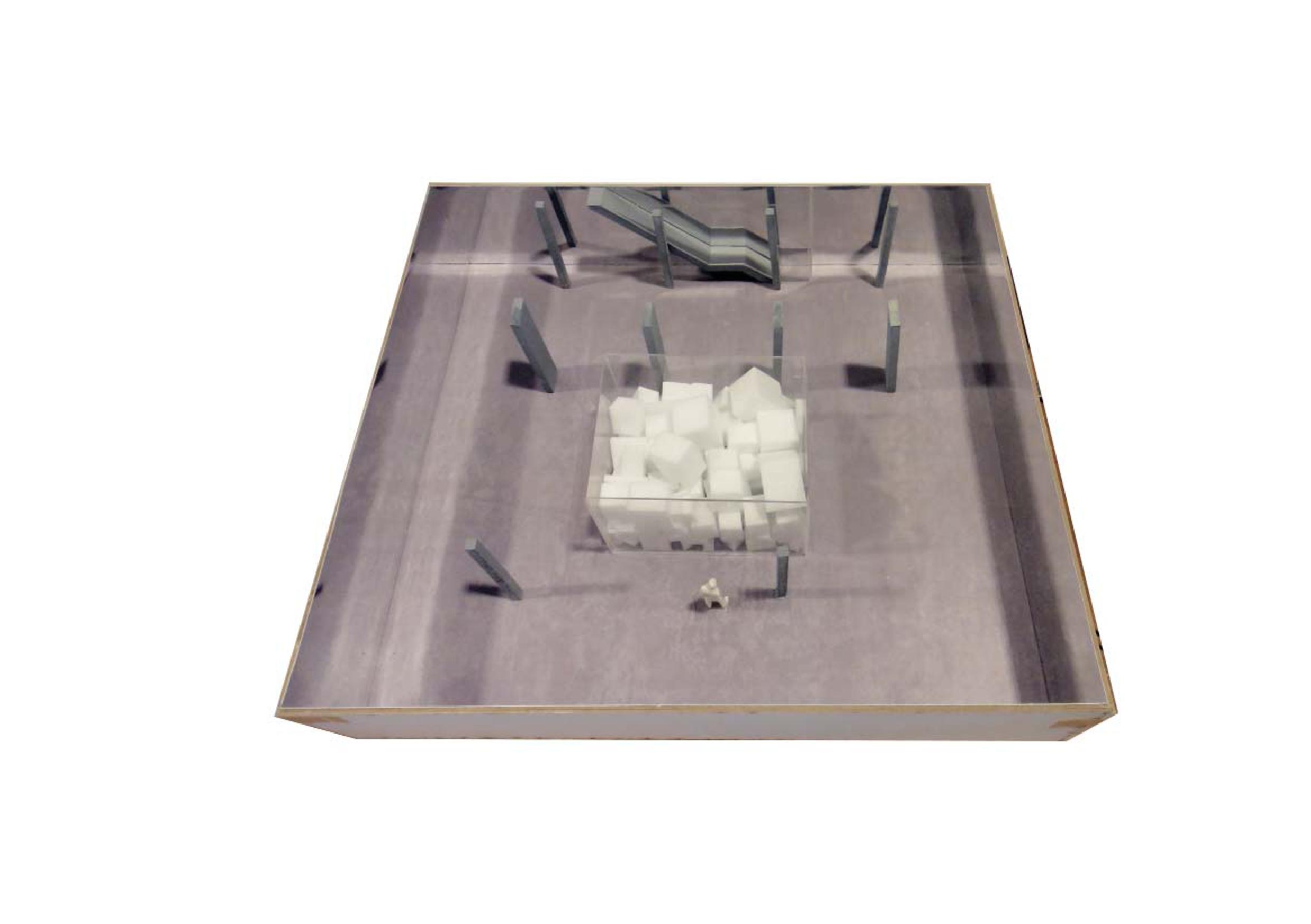
PD proposal overall view.
PD proposal perspective view.
Two PD iteration proposals.
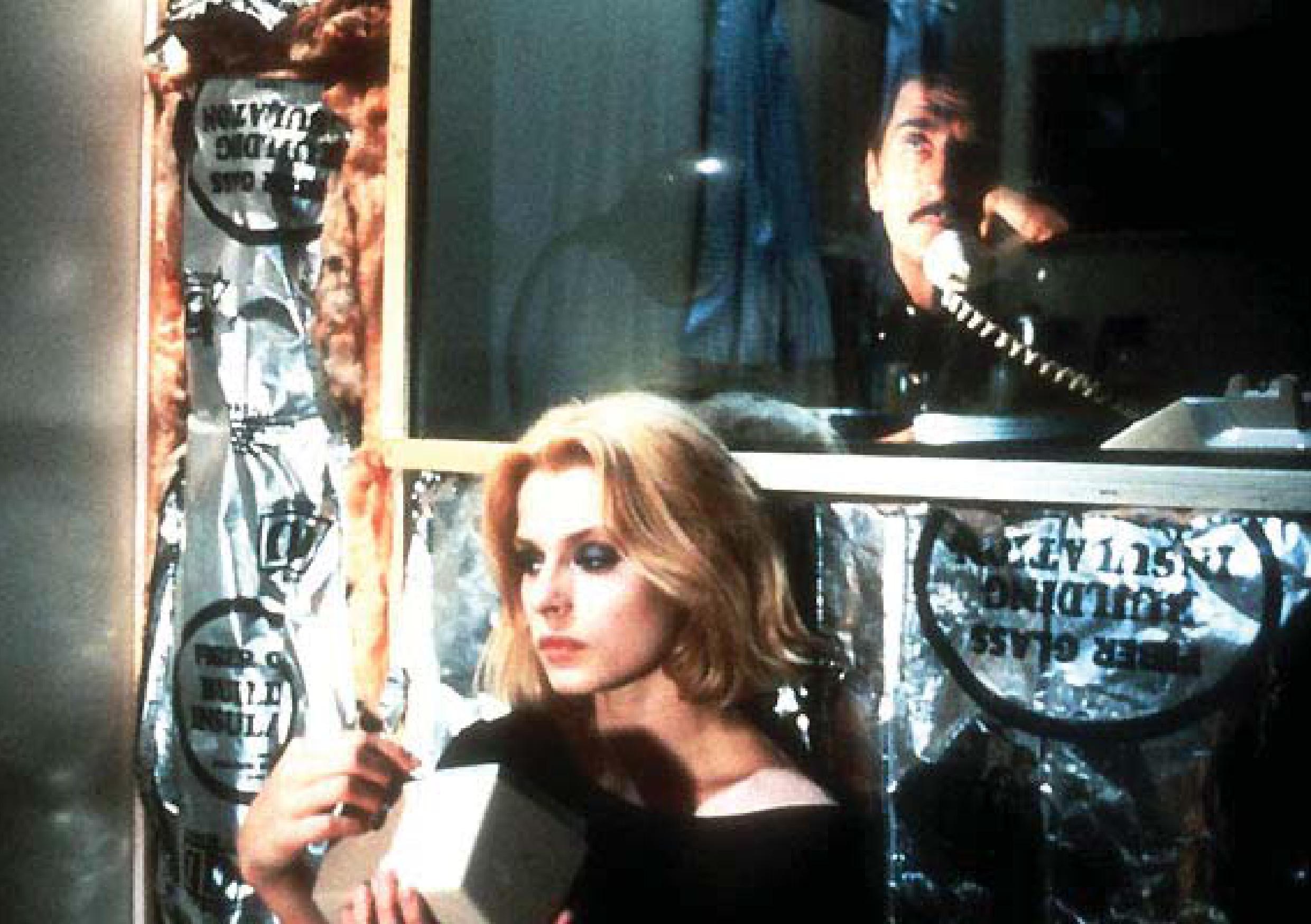
Prison image reference.
Image reference.
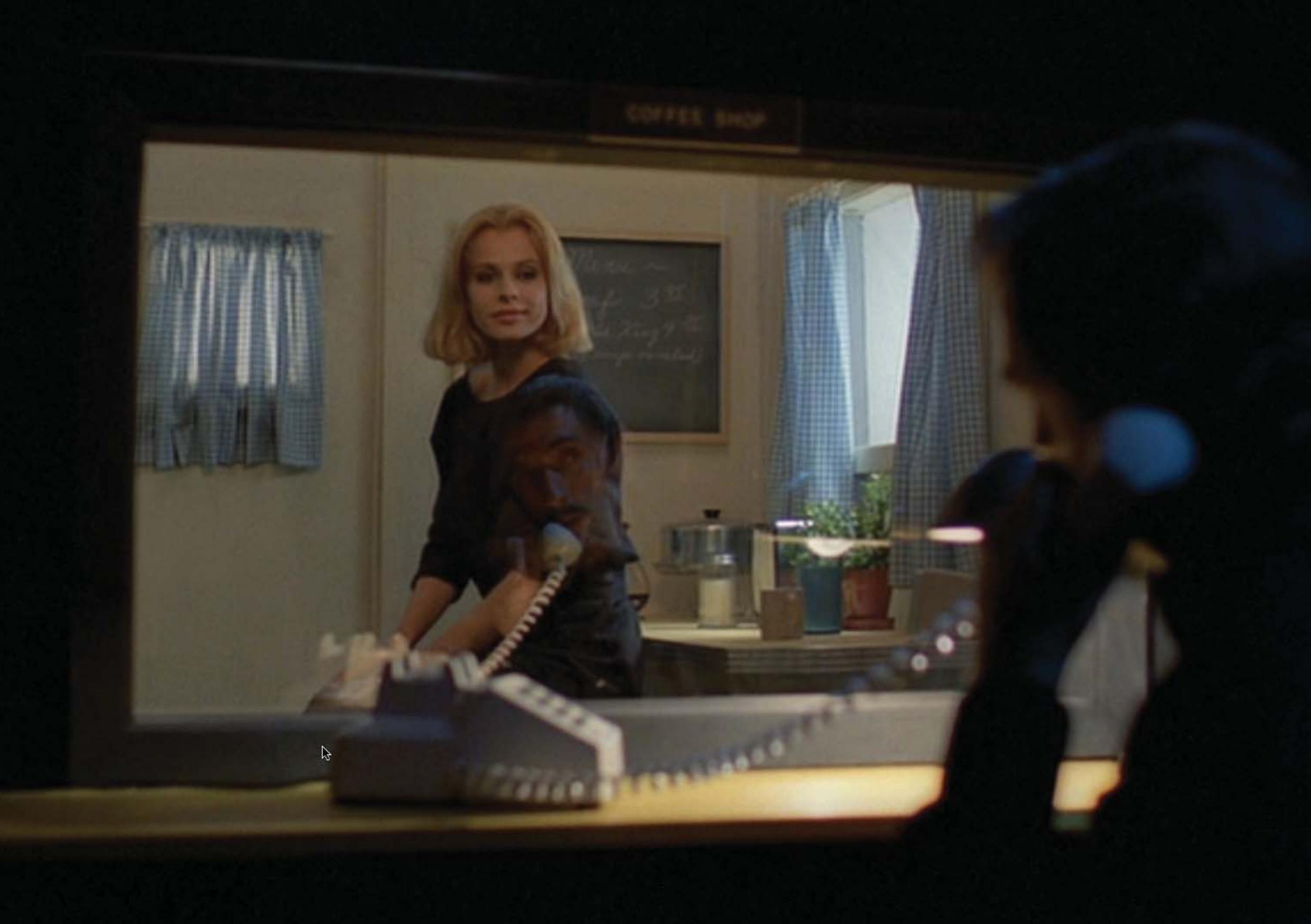
Paris, Texas (1984) movie by Wim Wenders.
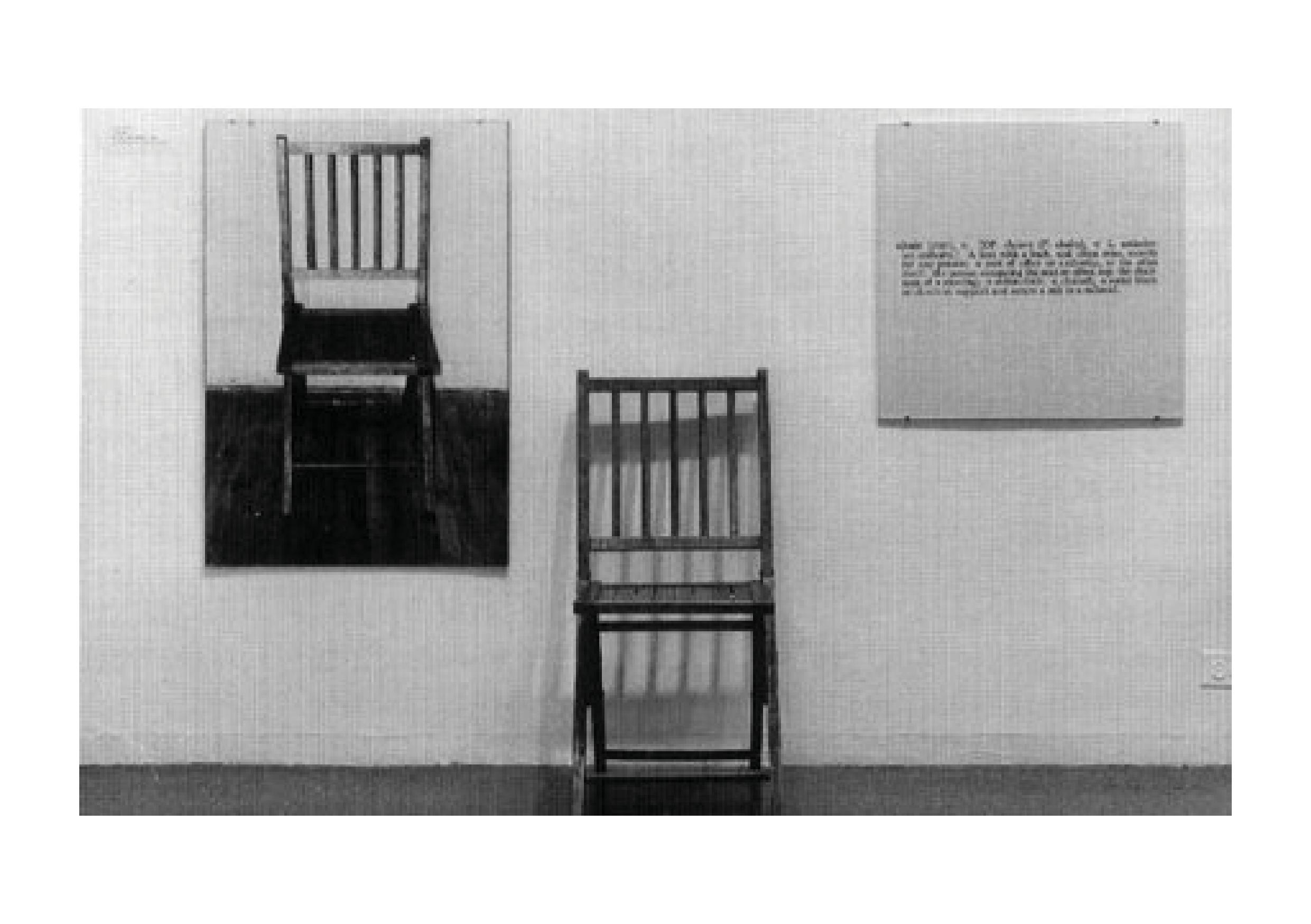
Object, Representation, Narrative - reference image.
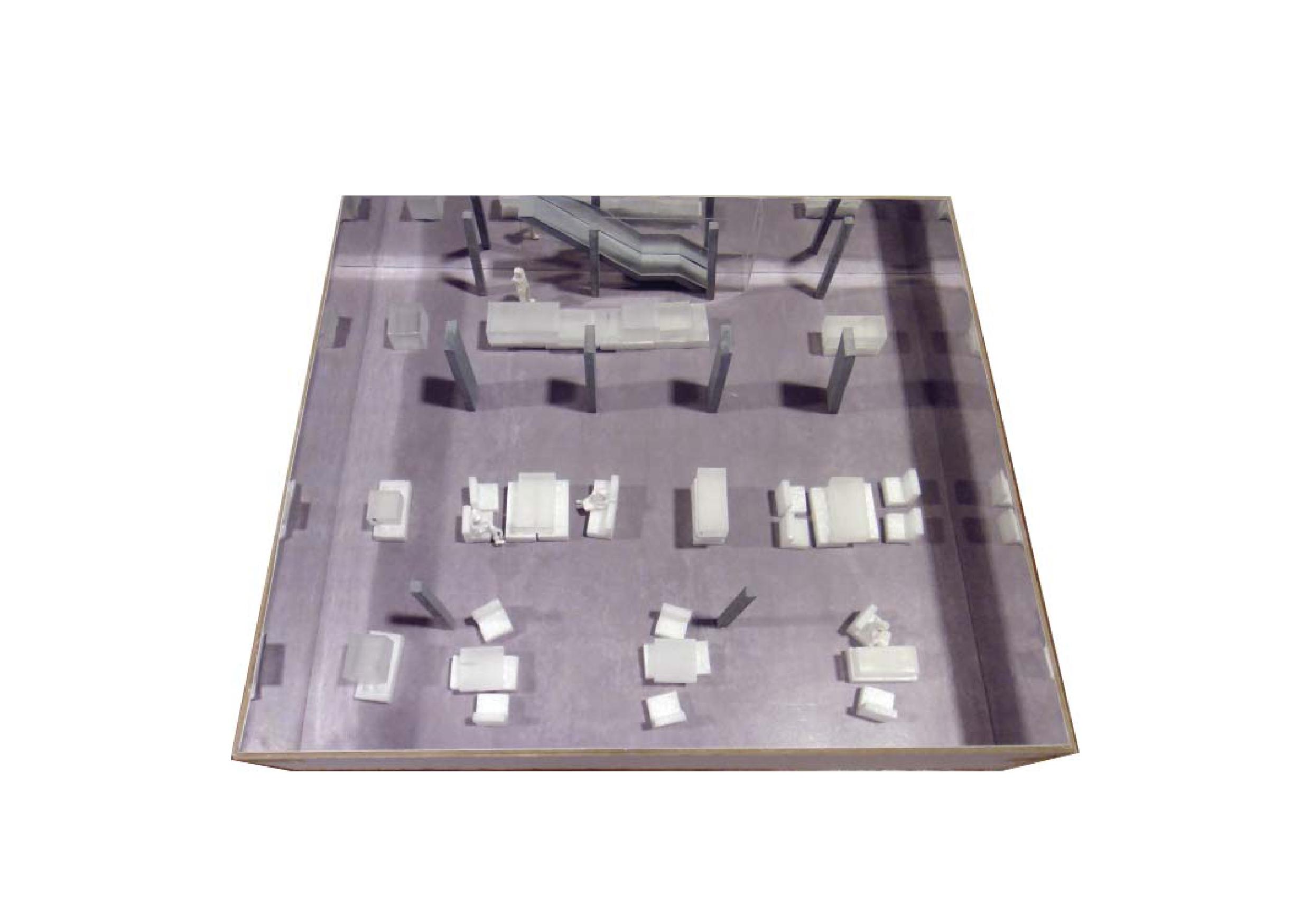
SD iteration proposal overall view.
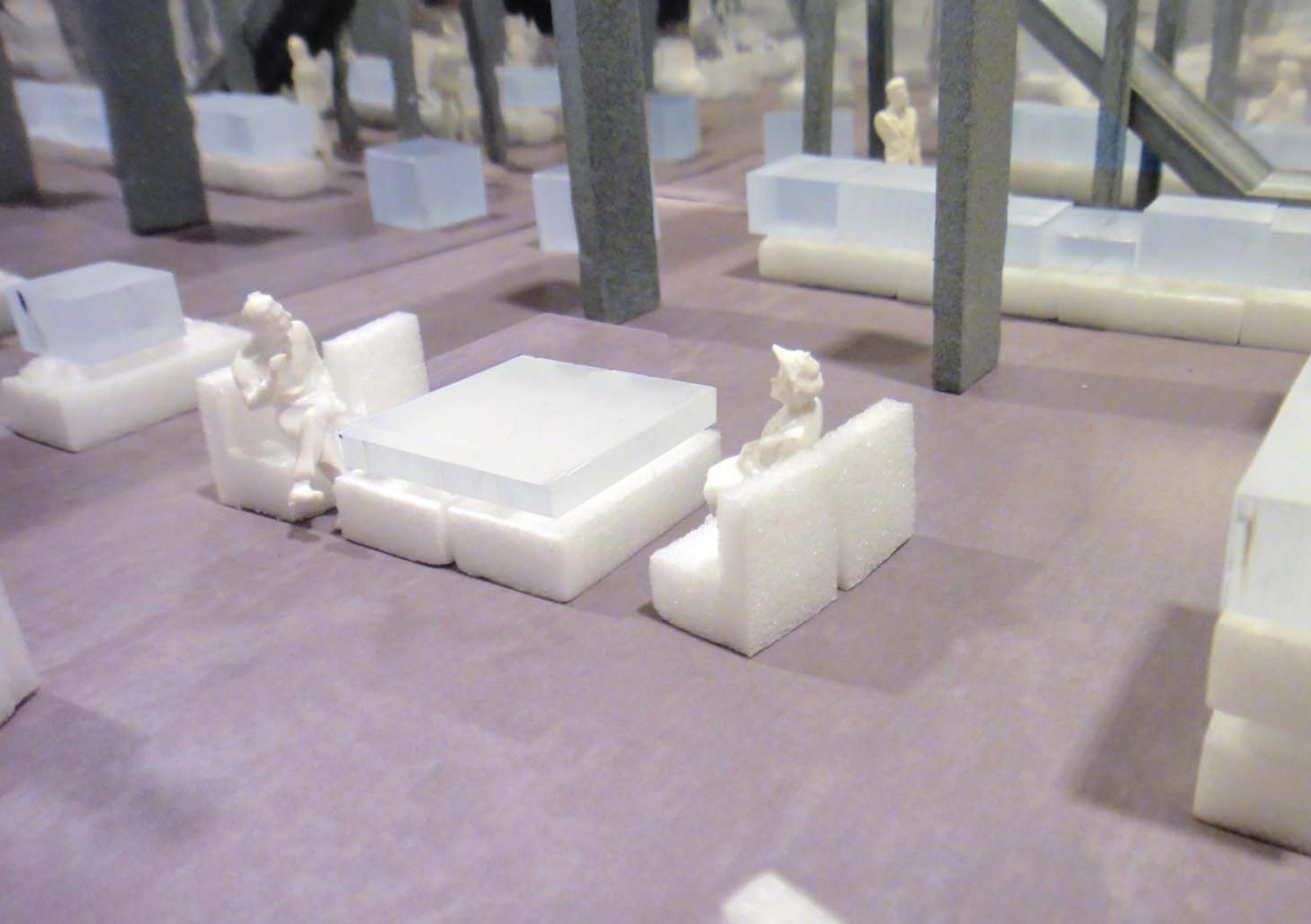
SD iteration proposal perspective view.

Design Development (DD)

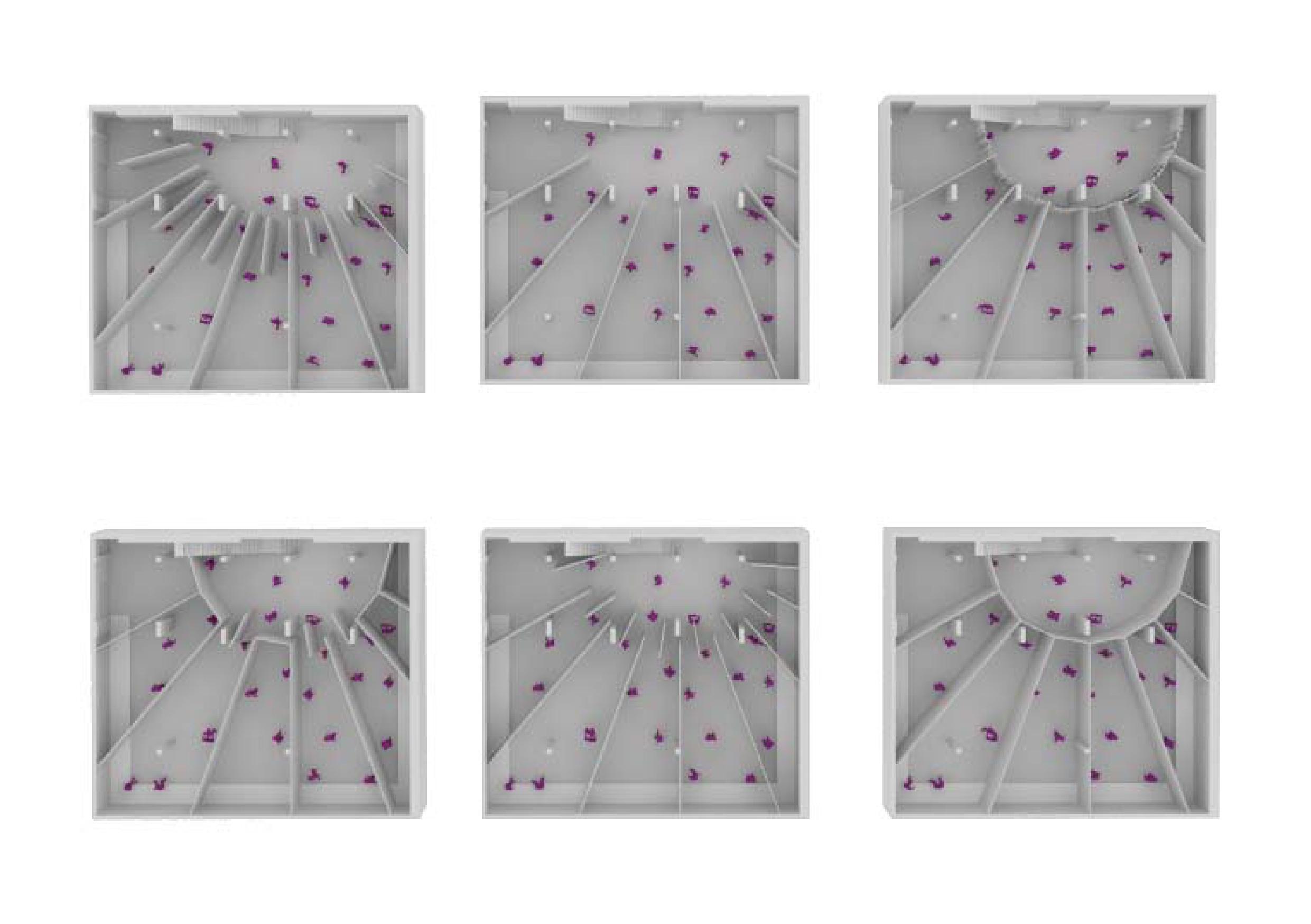
STRATEGIC ITERATION

One of the project's main challenges was finding a concept both discursive and architectural that OMA's internal team would be convinced by. Our team decided to work with OMA's famous design process of quick and strategic iterations, generating many options.

Once that concept was outlined, the architectural detailing had to translate the concepts allure into material and spatial frameworks.
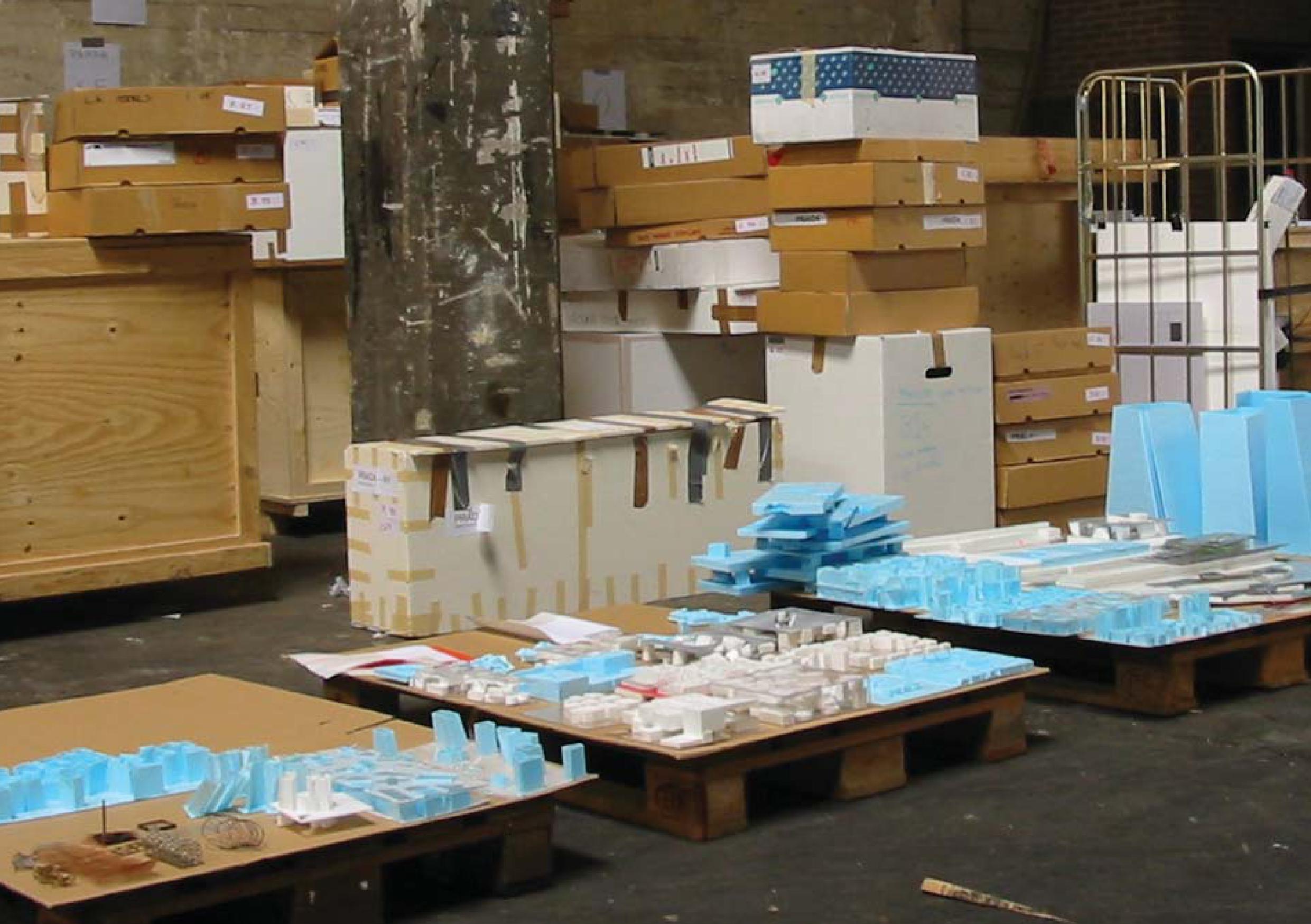
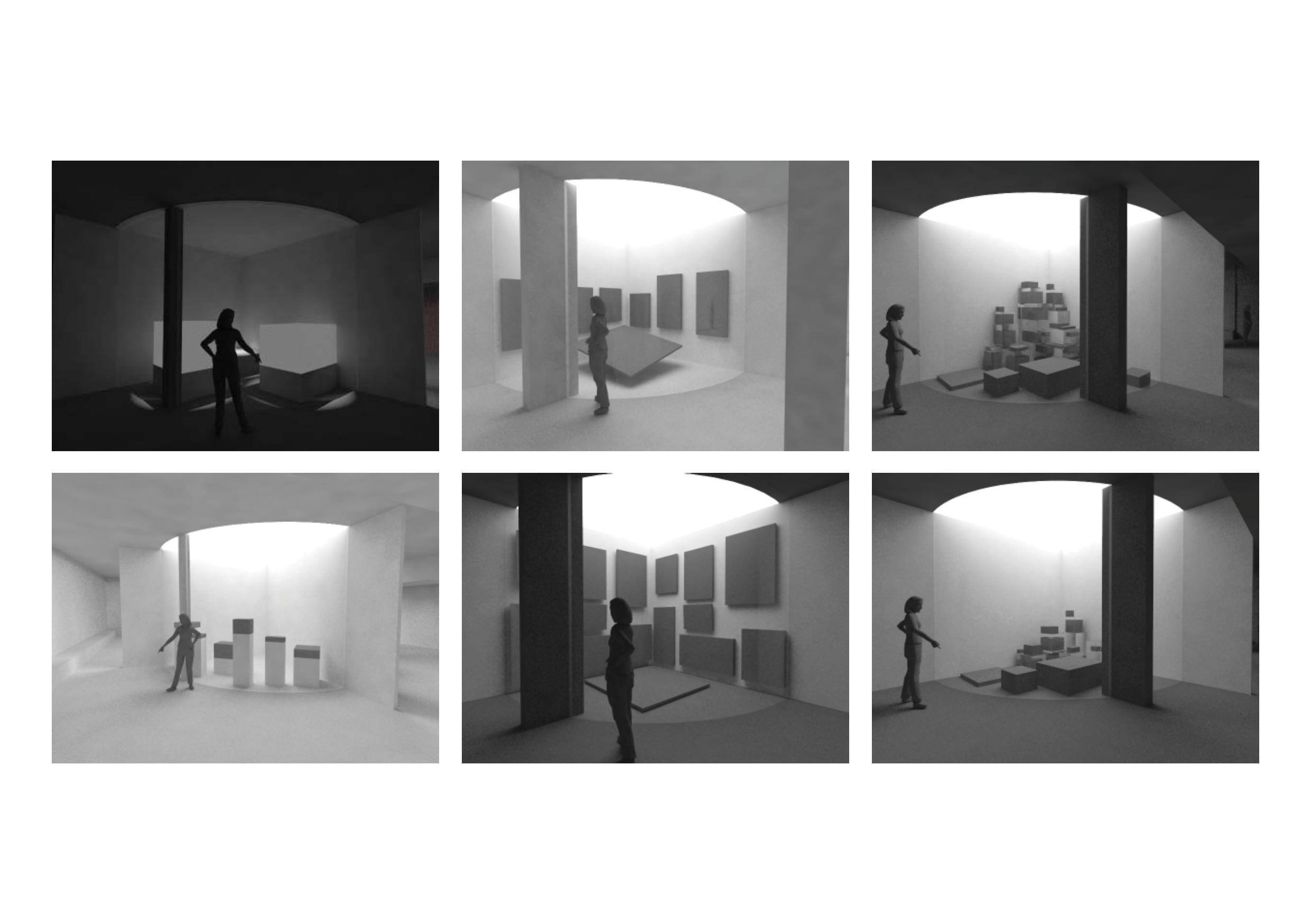
Six DD iteration proposals, overall view.
Interative architecture models reference image.
Paris, Texas (1984) movie by Wim Wender.
Informational phones, reference image.
Peep Show in New York City, referenace image.
DD proposal, overall view.
DD proposal with rotating doors, timeline.
DD proposal, overall view.
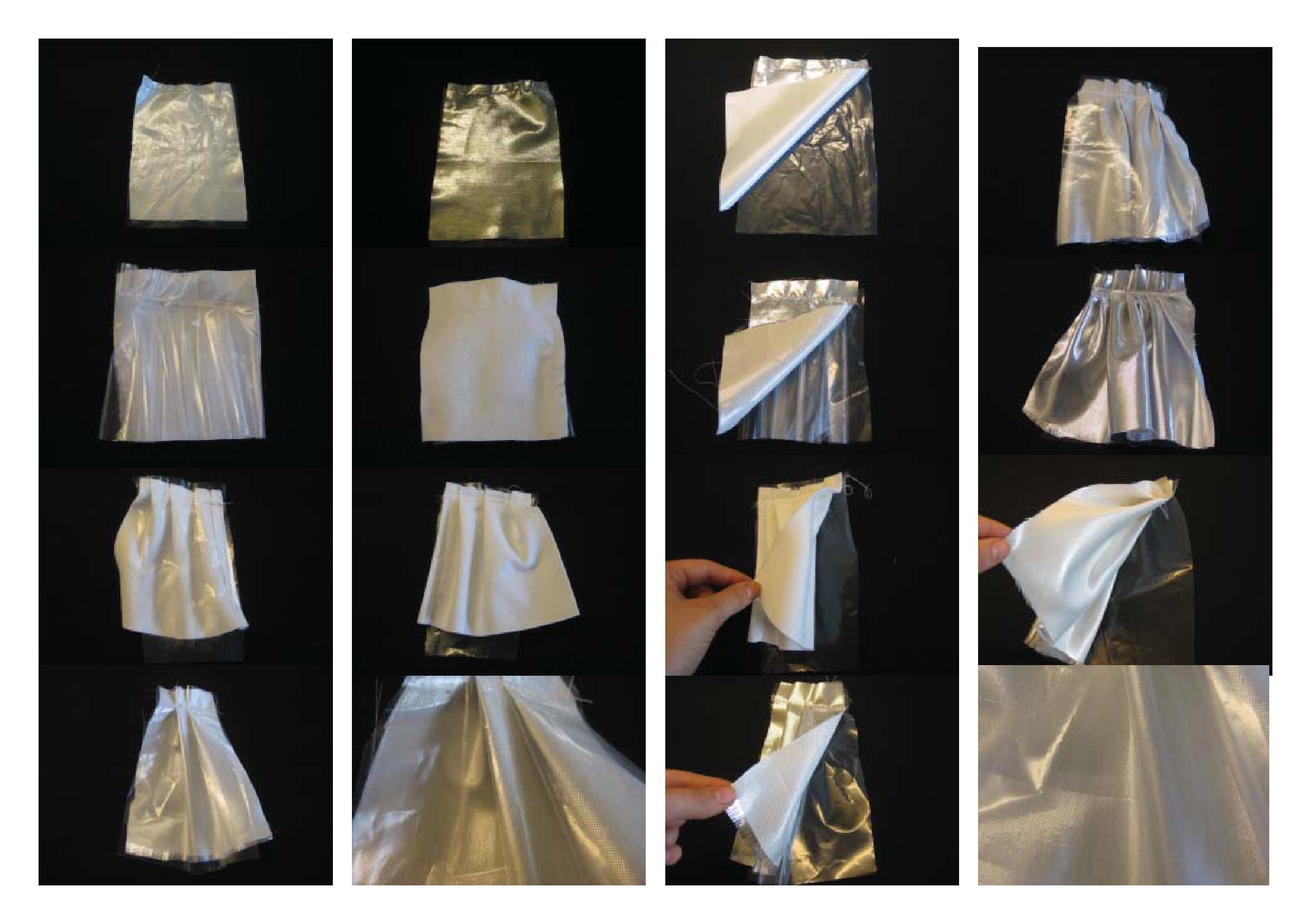
Material research for circular enclosures: golden curtain.
Material research: silver curtain.
Curtain enclosure material research iterations.
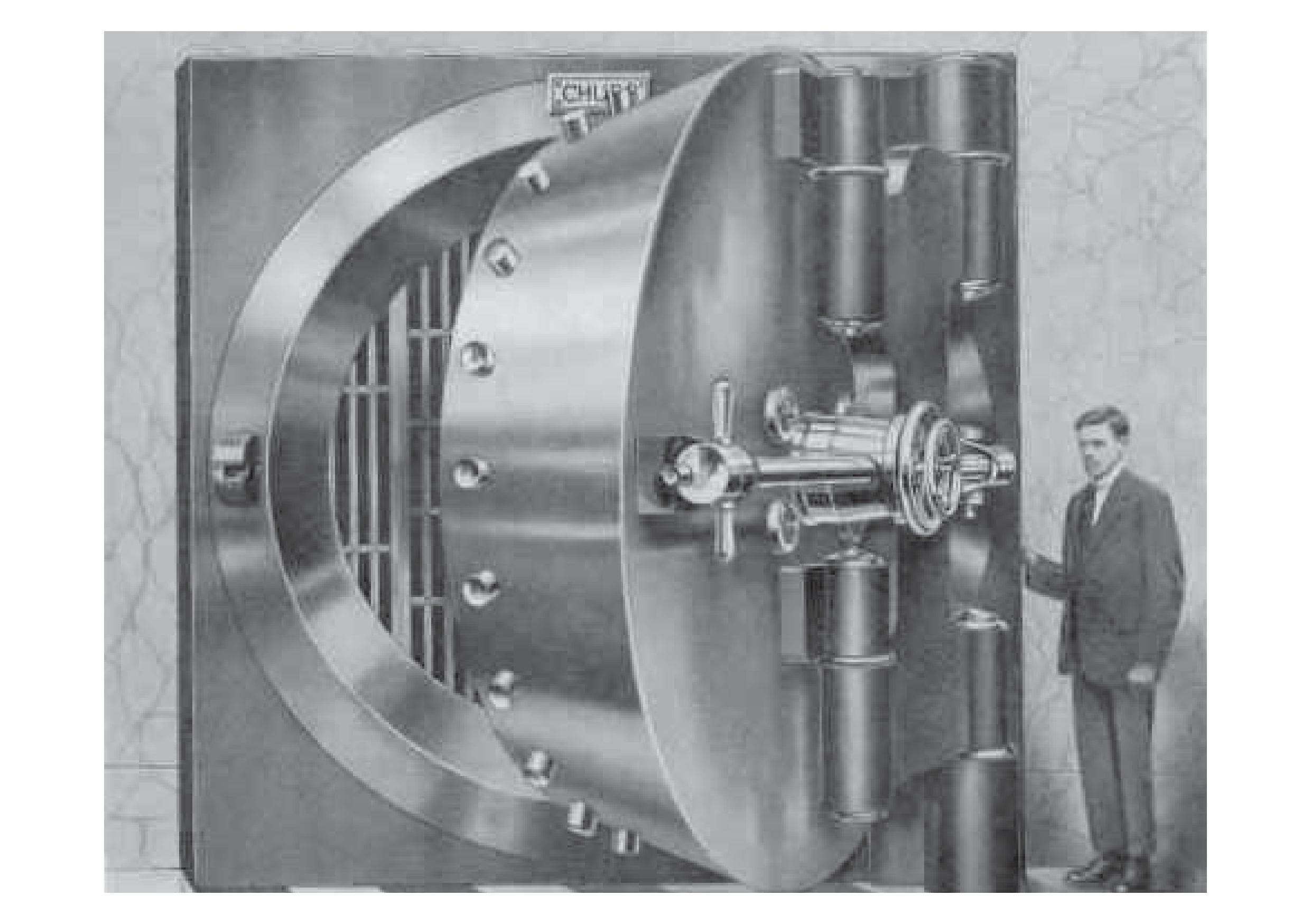
Vault door in a New York City bank, image reference.
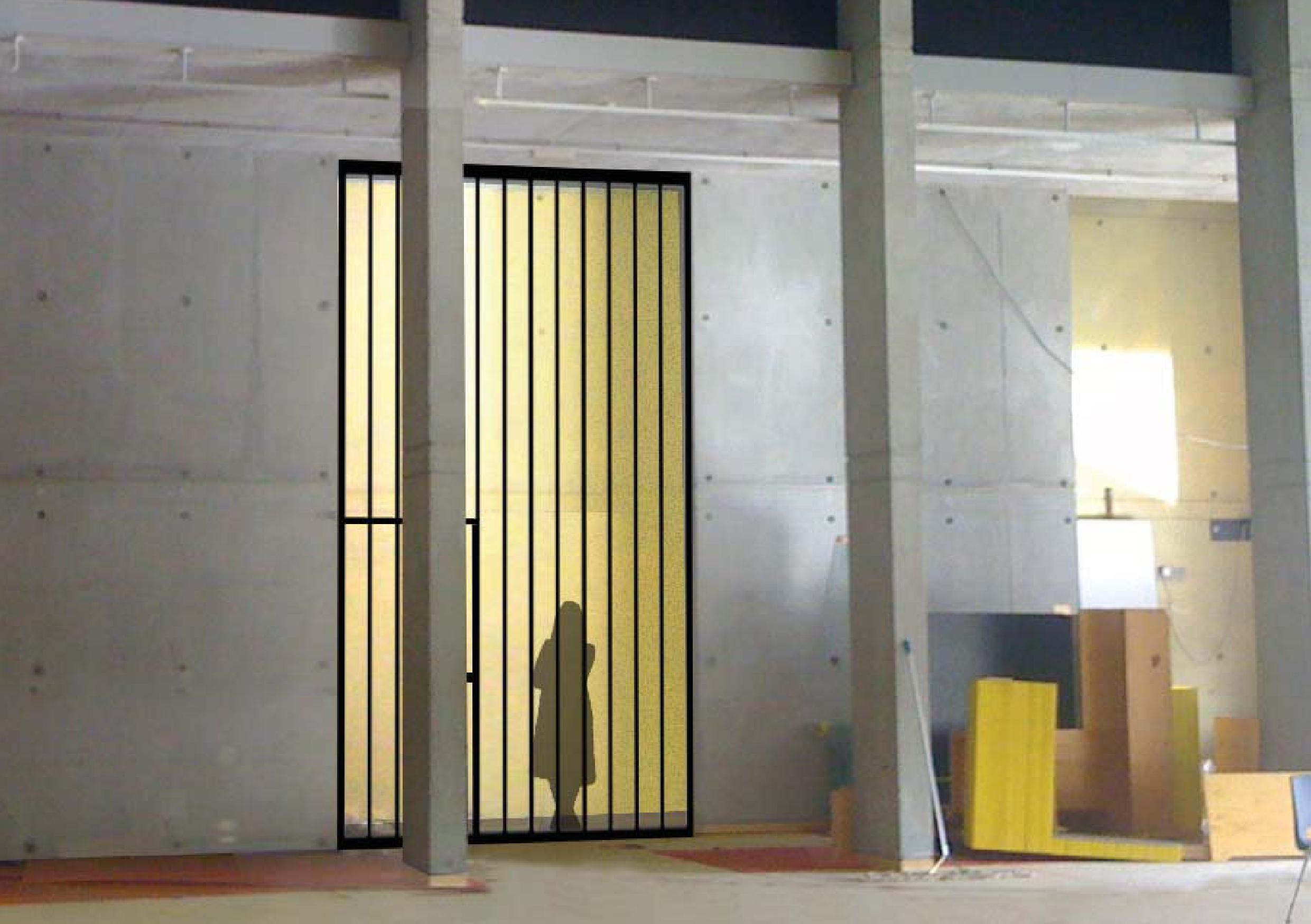
Perspective drawing of the jail-like door.
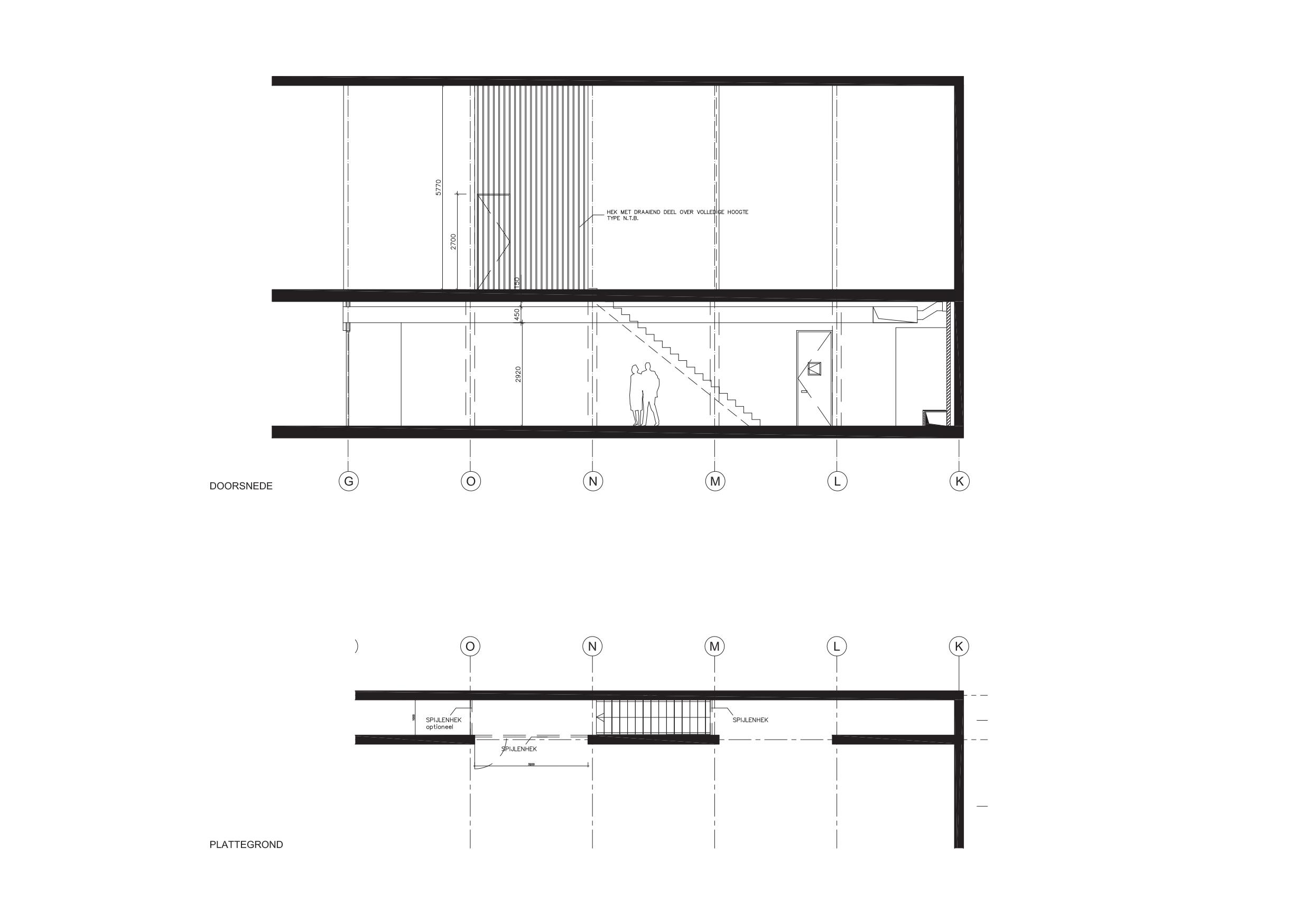
Section featuring the jail-like door.
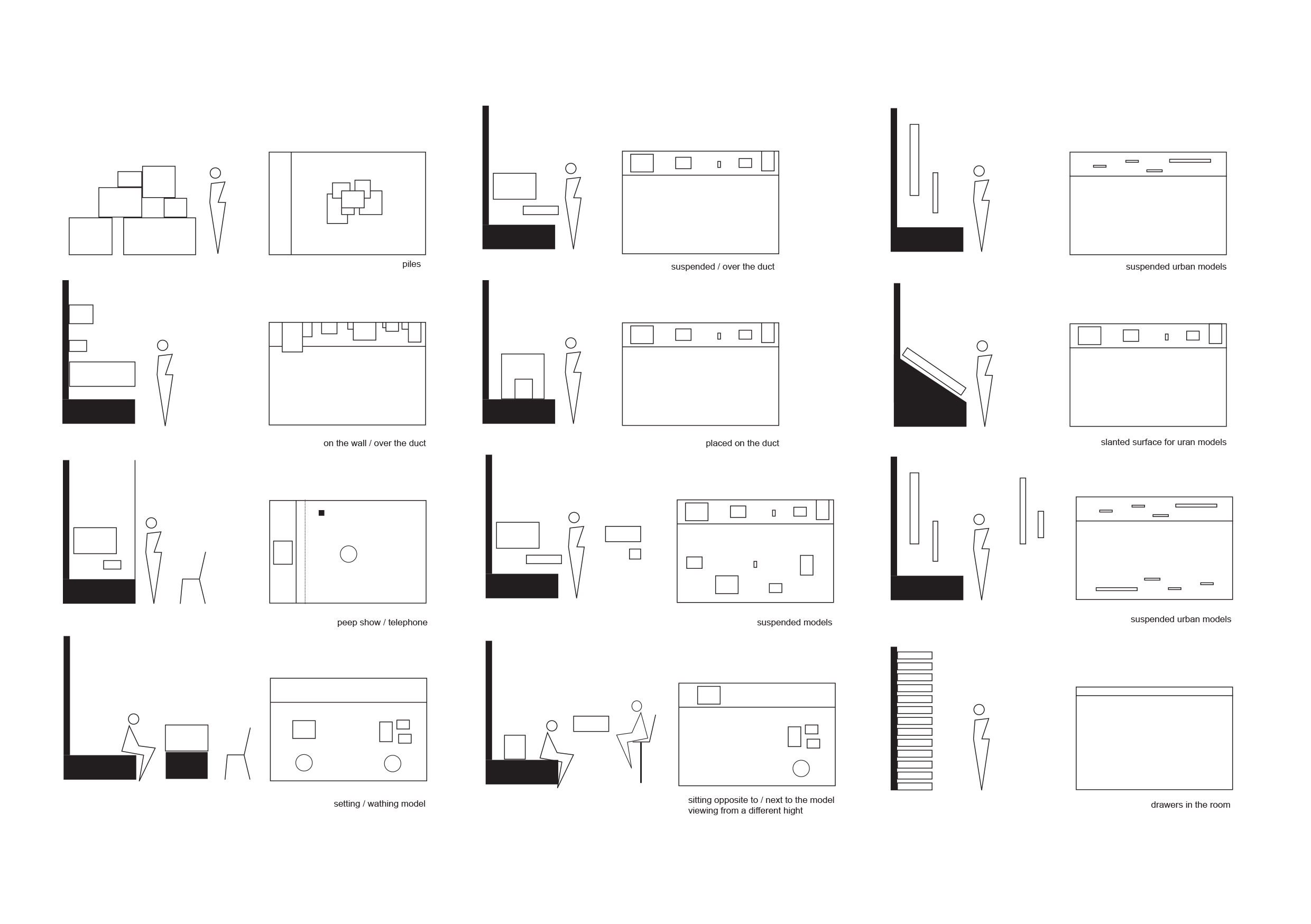
Artifact display research.
Model display precedent.
Confessional reference and artifact display research.
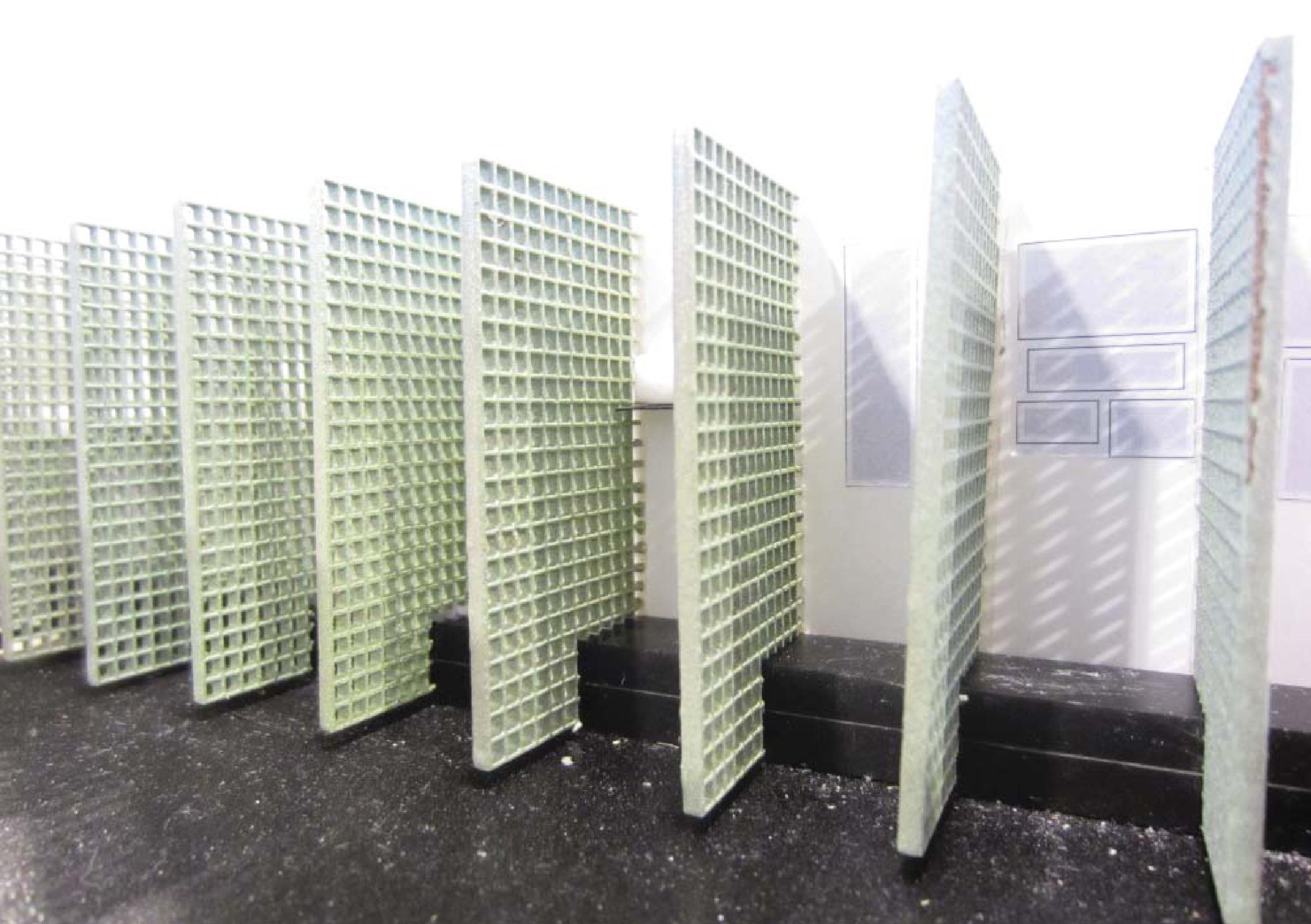
Display research with resin gridded screen.
Iterative display study.
Iteration model, overall view.
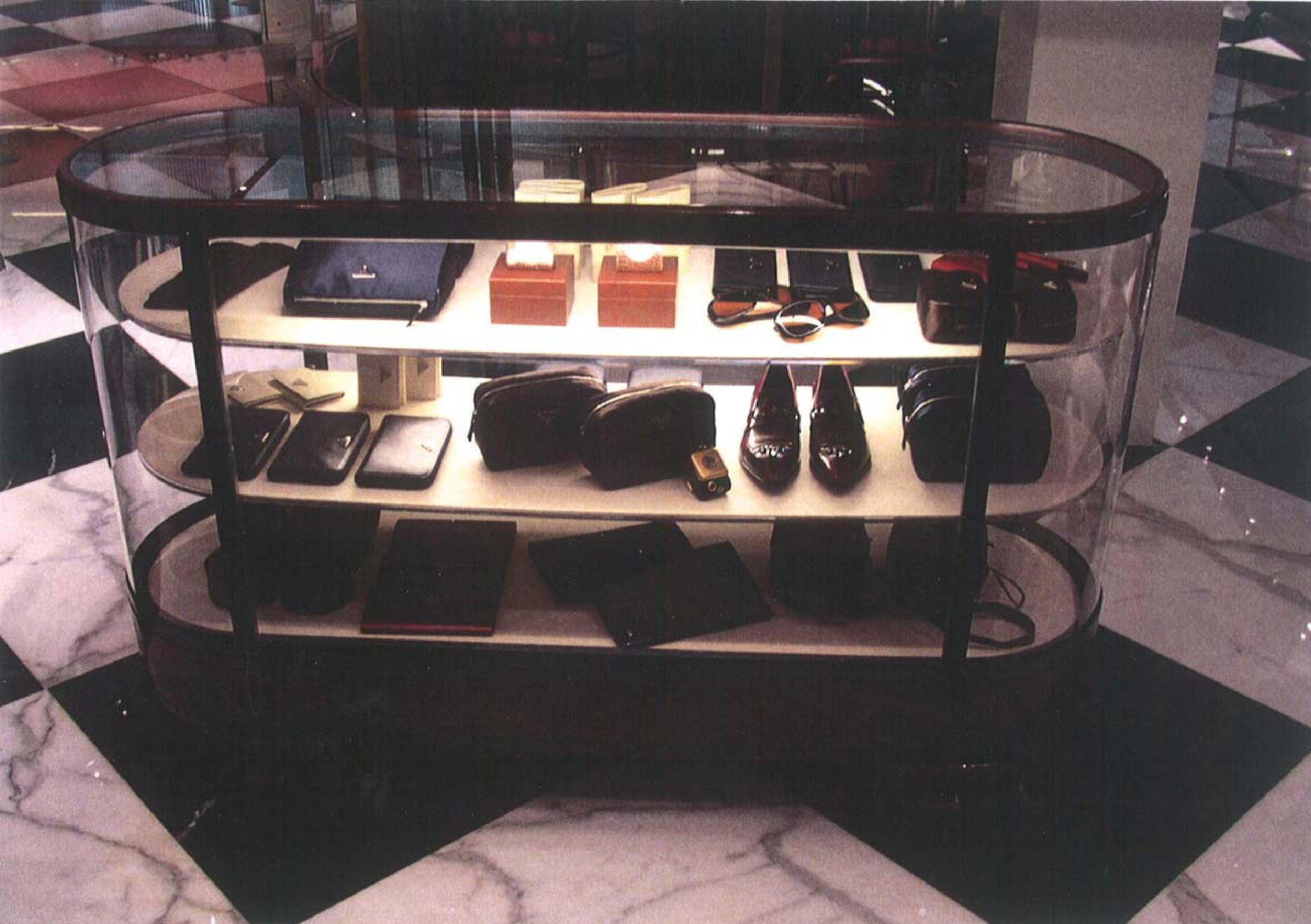
OMA designed Prada store display.
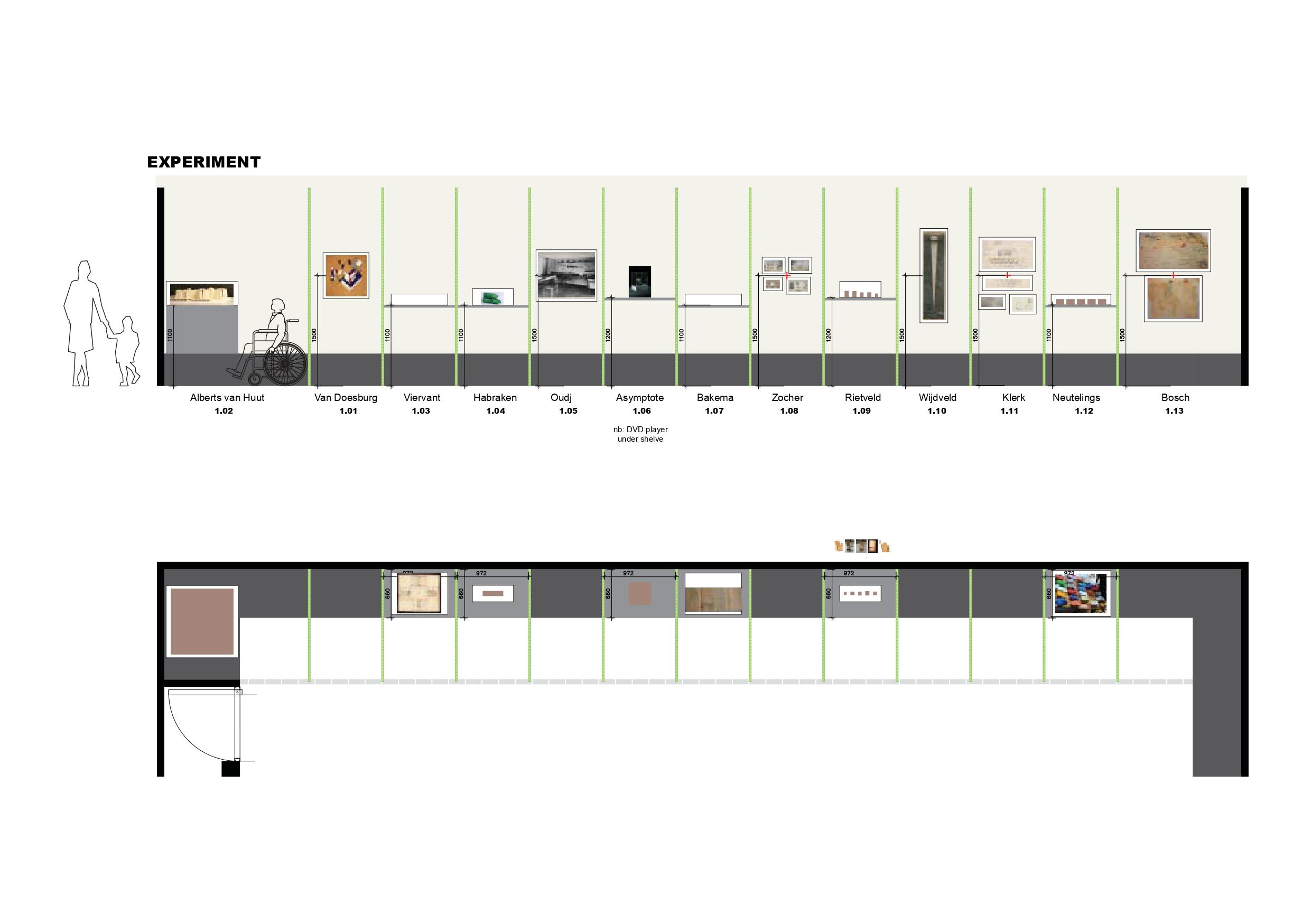
DD display proposal for curatorial artifacts.
Proposed curatorial assemblages.
Informational layering research.
Detailed model featuring detailed spatial and material ideas.
Material study with 1:100 model.
Sample material.
Artifact display study.

Construction Documentation (CD)

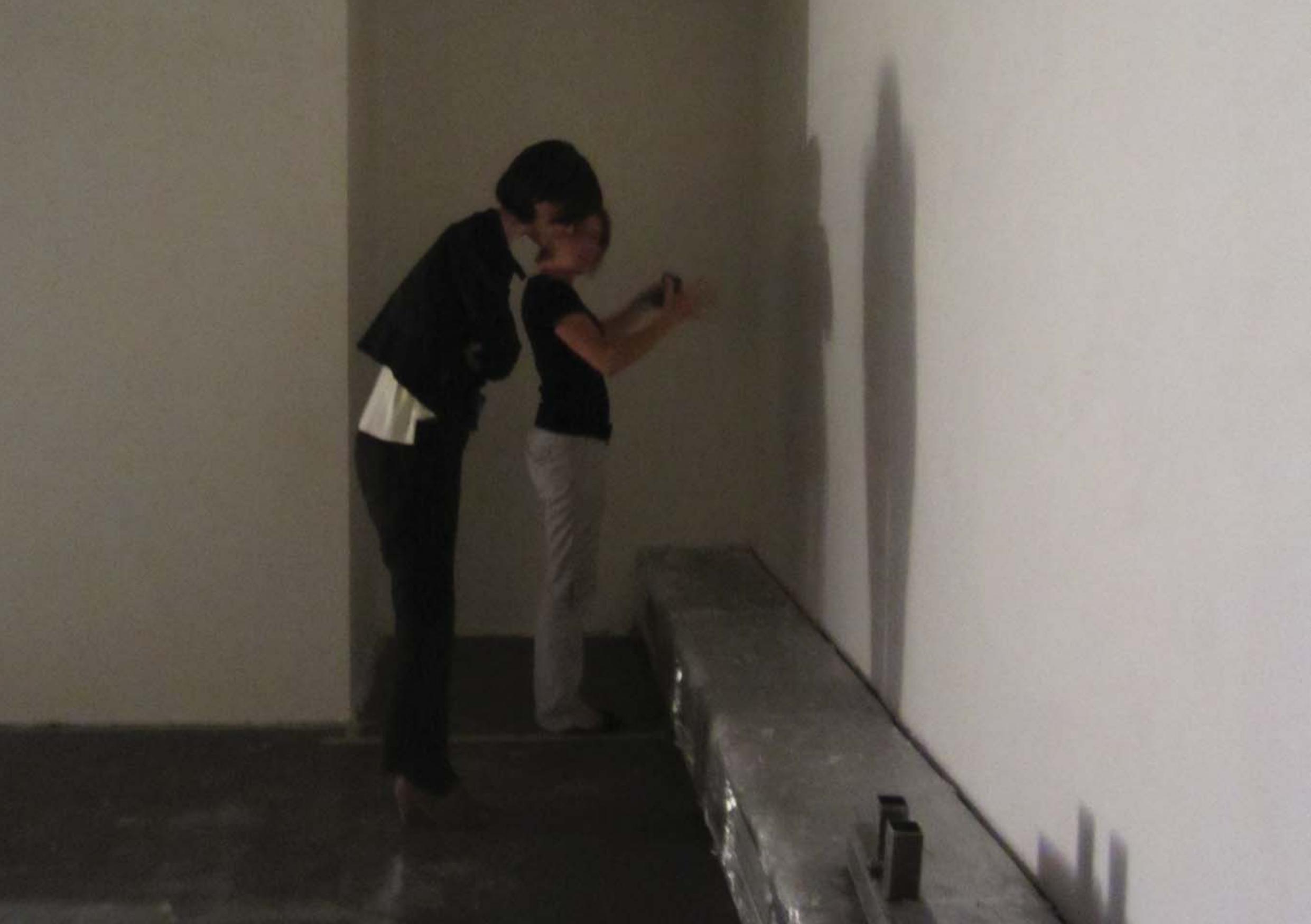
Site visit.
Site visit.
Site visit.
Resin panel cabin study.
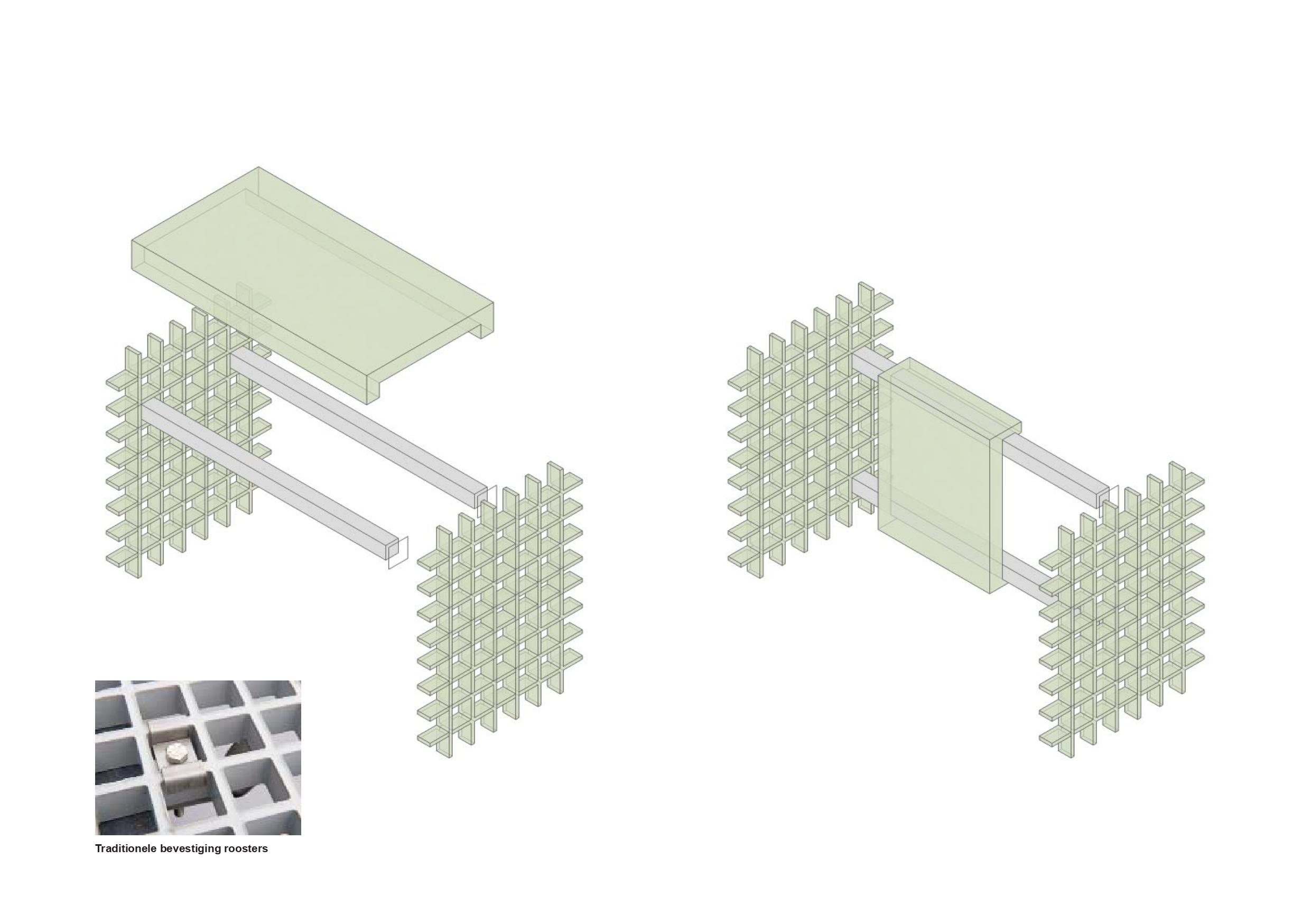
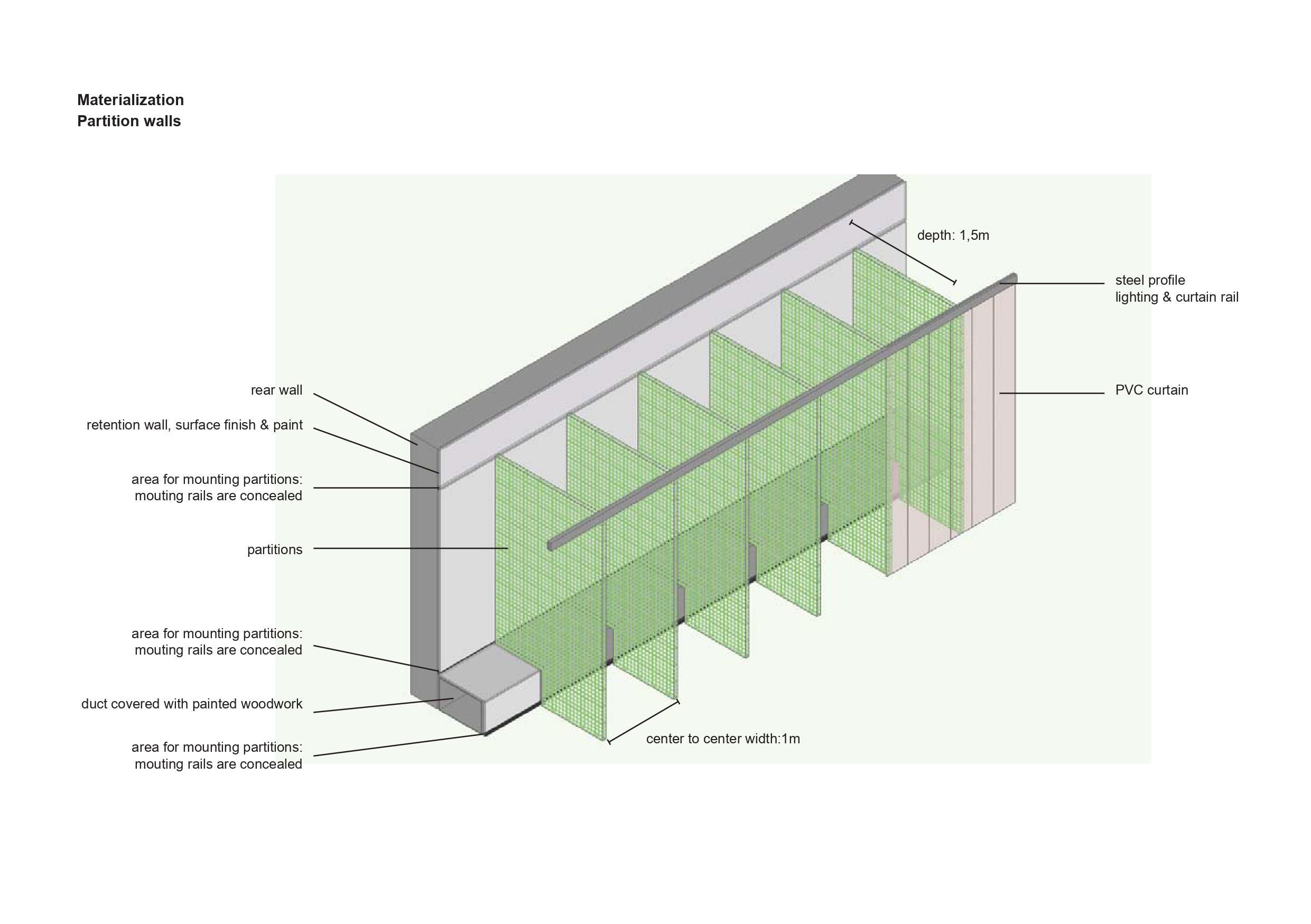
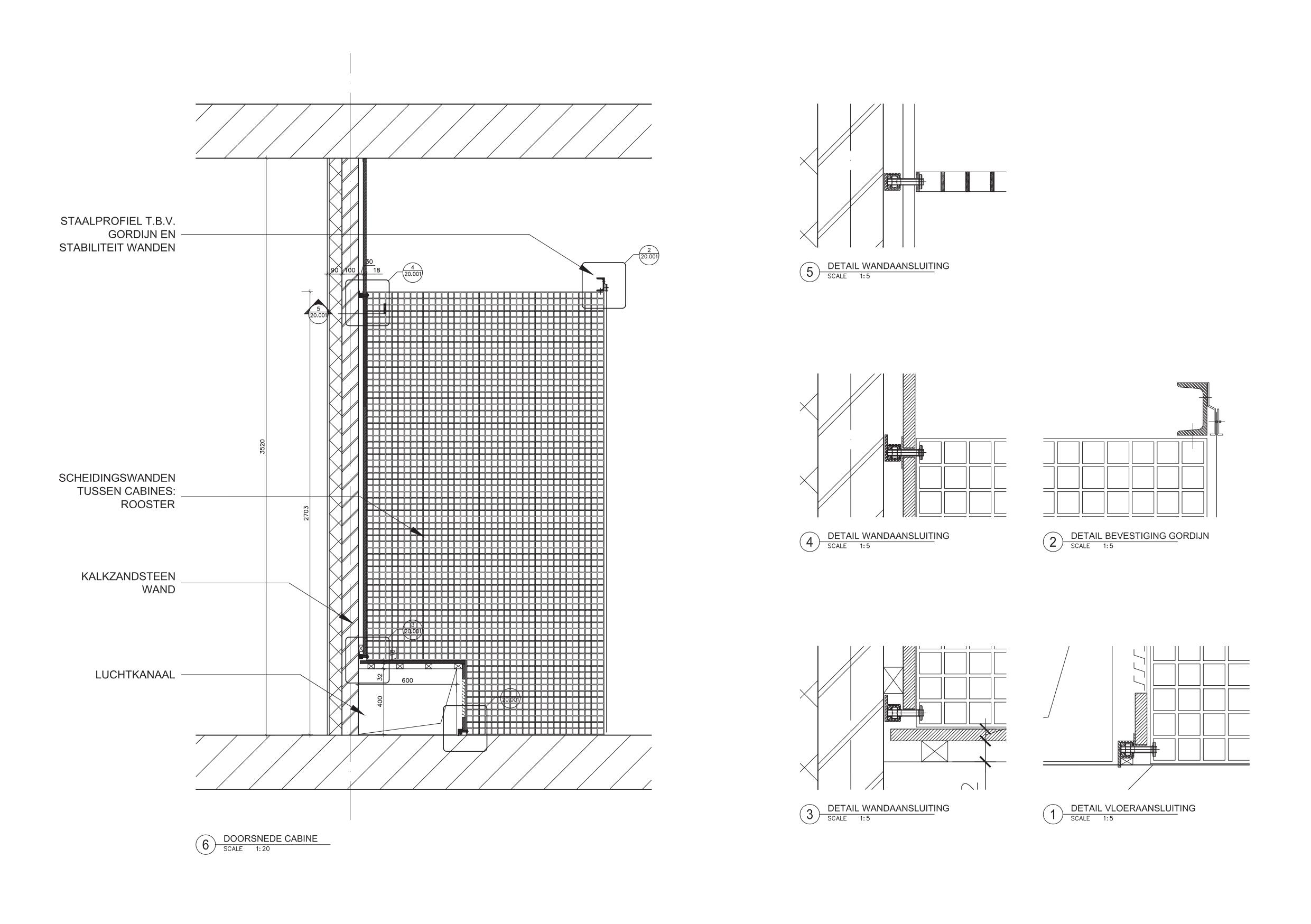
Cabinet material and attachement detailing.
Circular drum material and curatorial study.
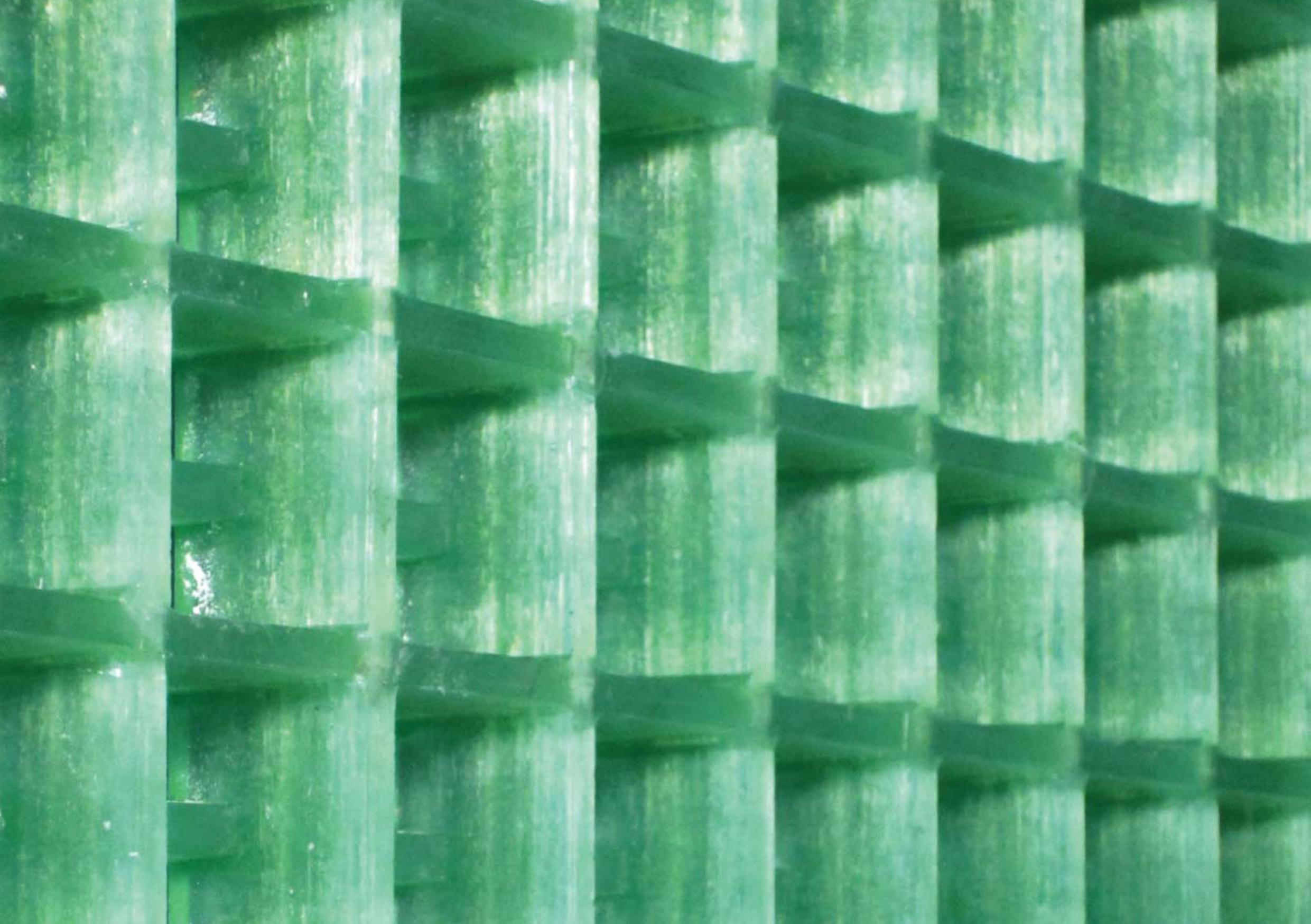
Resin panel detailing.
1:1 material study.
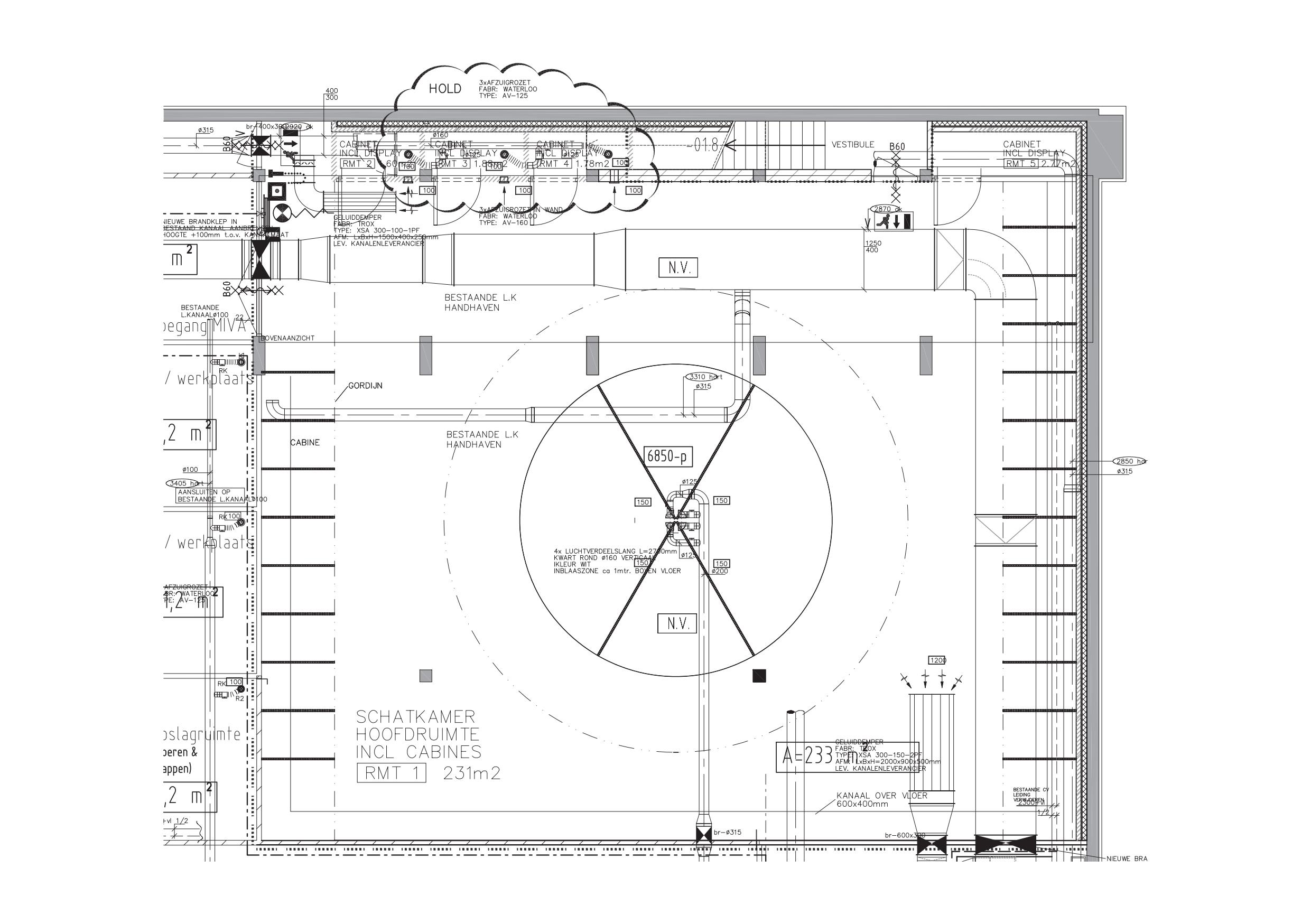
Reflected ceiling plan, mechanical systems.
Curtain material research.
Precedent image...
Model study.
Final model!
Peep Show sign New York City, precedent image.
PVC curtain study.
Image reference for graphic information display.
Collage for display information display.
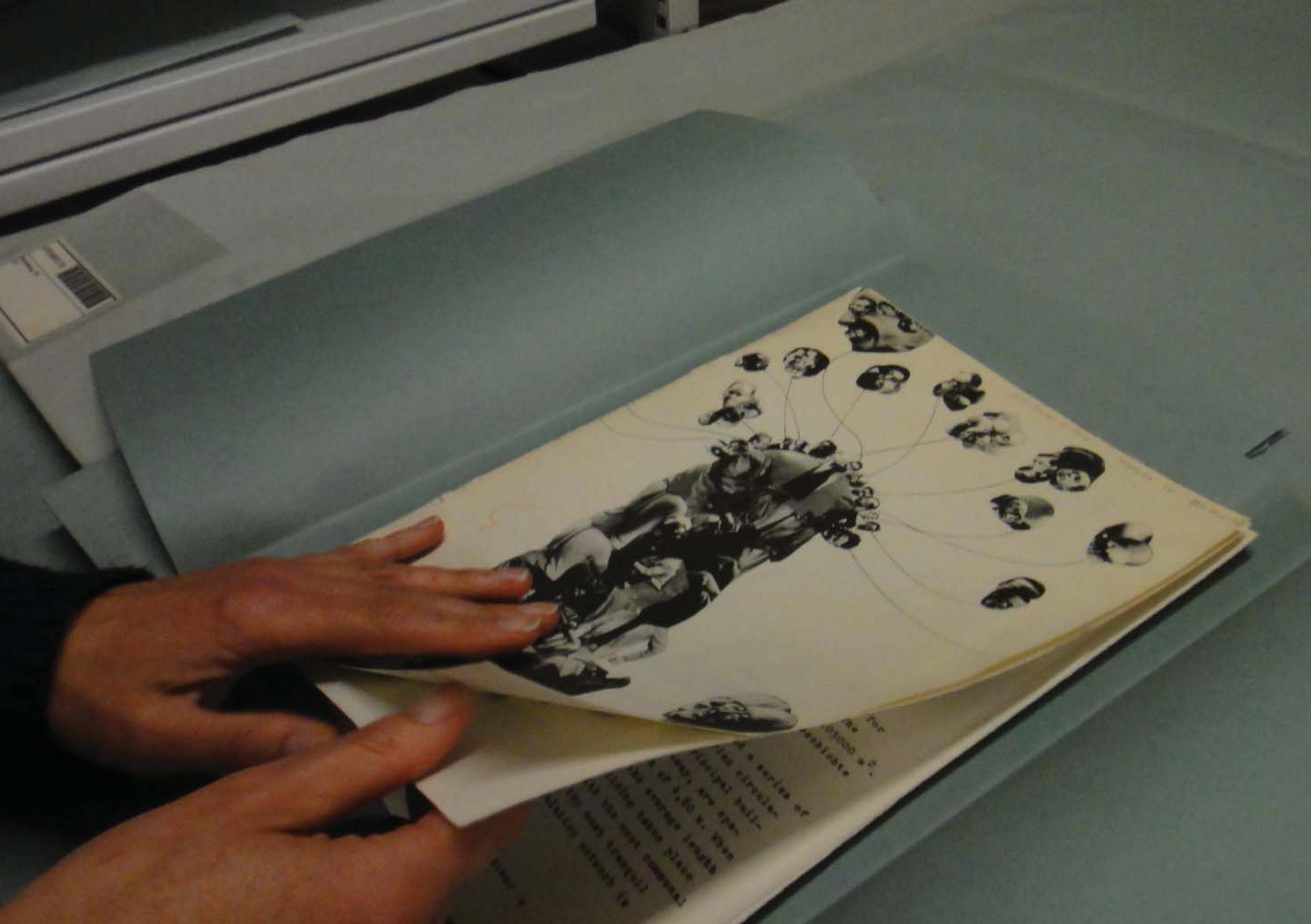
Book reference from the NAi archives.
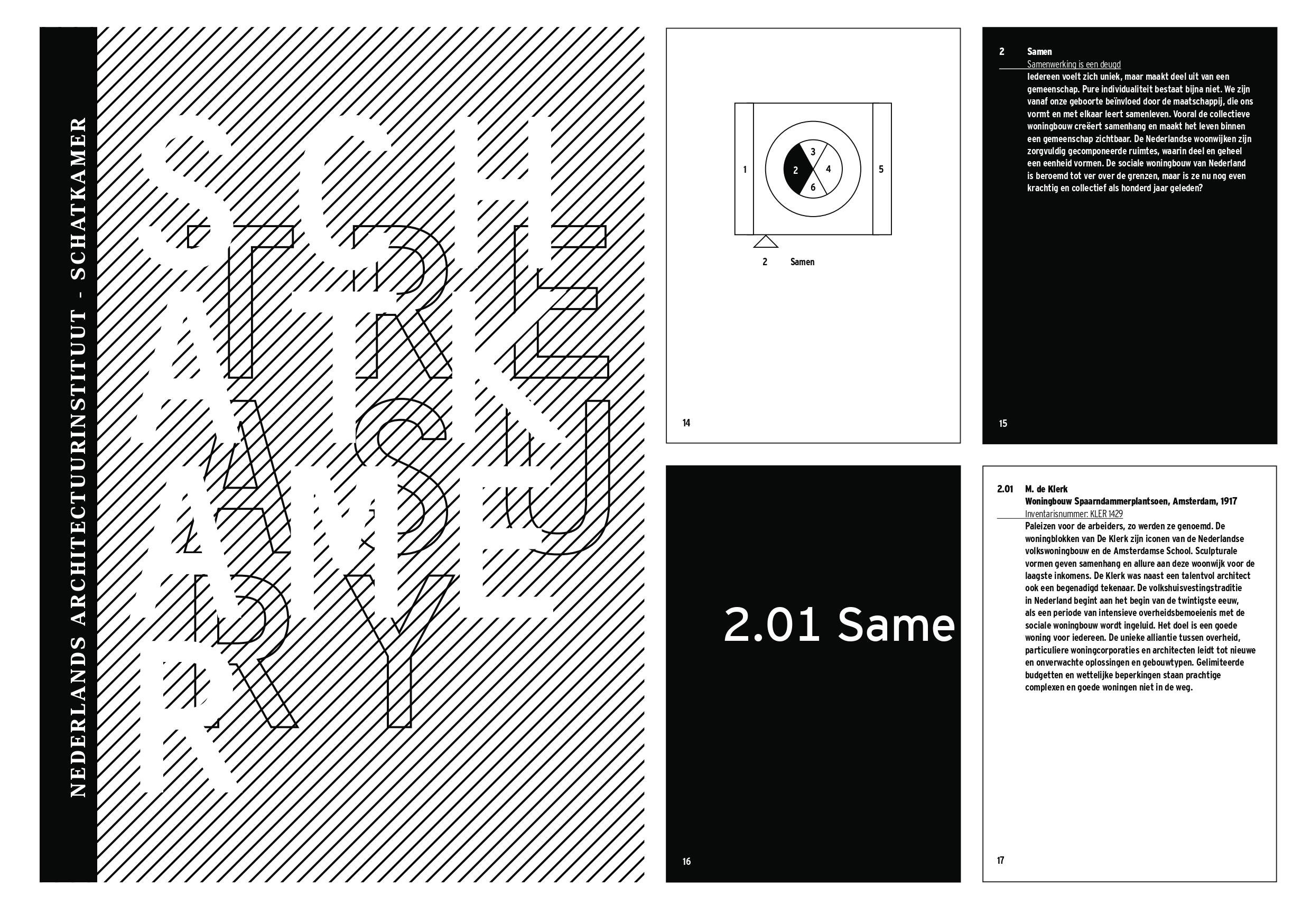
Graphic proposal for the NAi Treasury.

Construction Administration (CA)

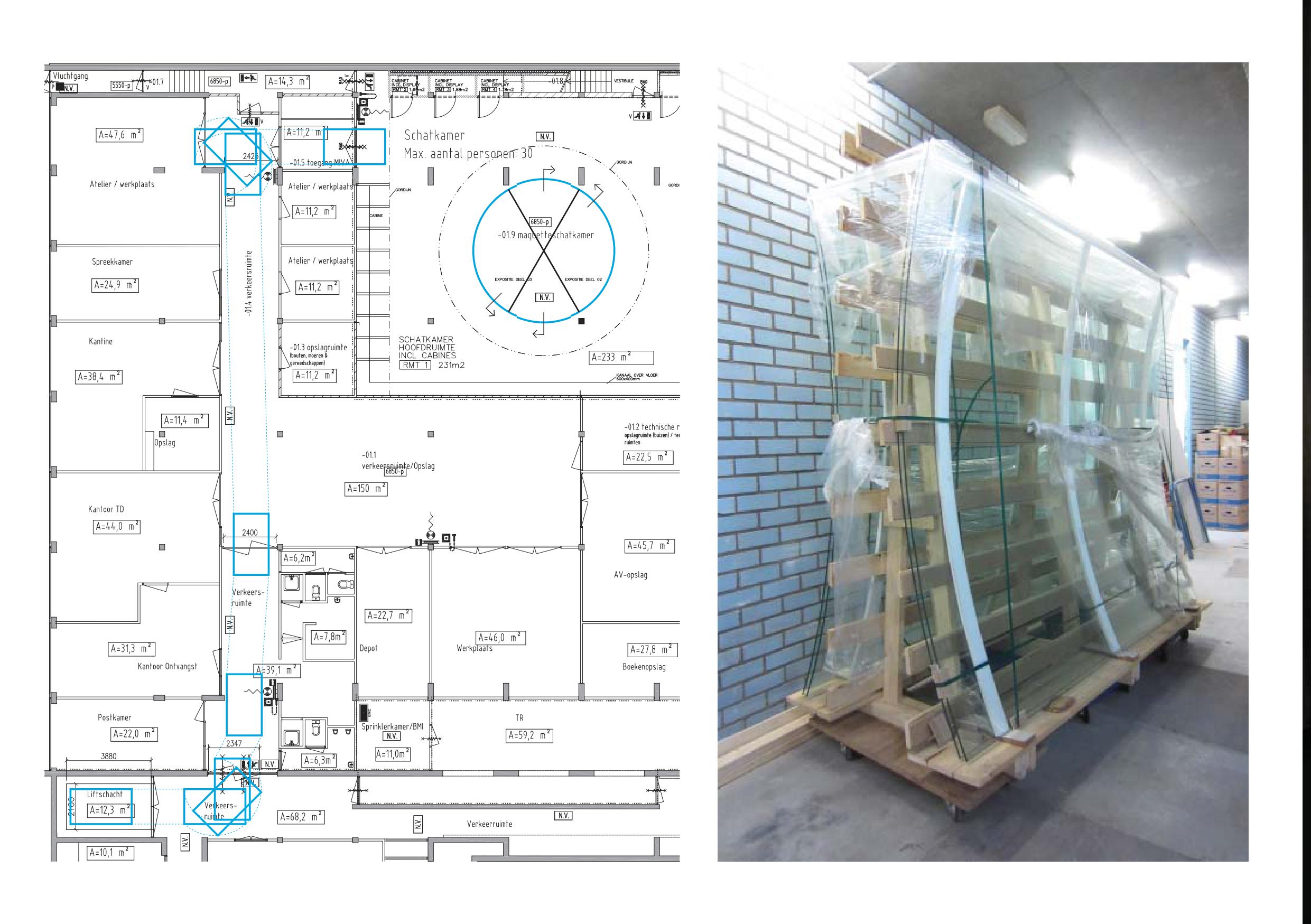
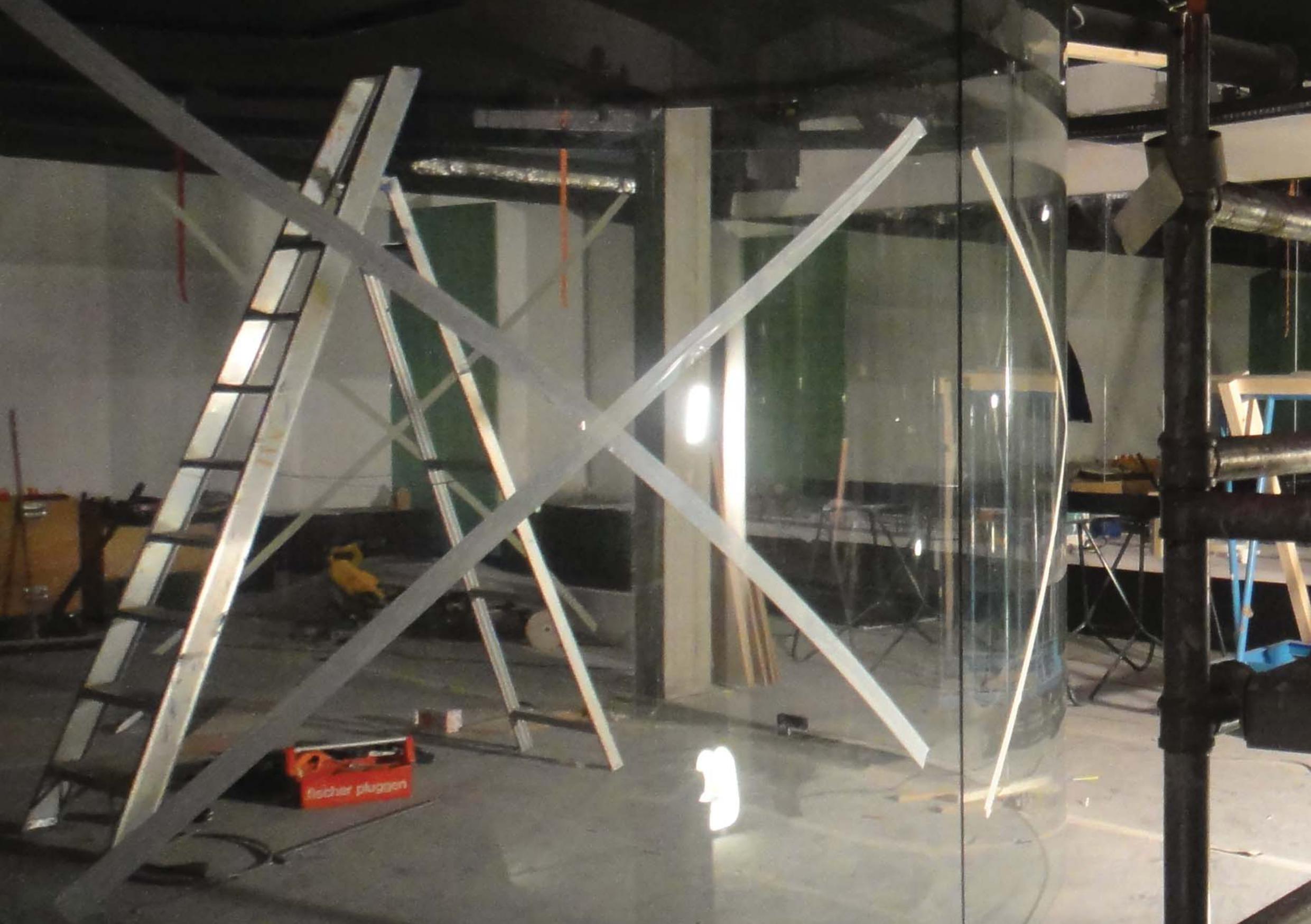
Glass panel travel route study.
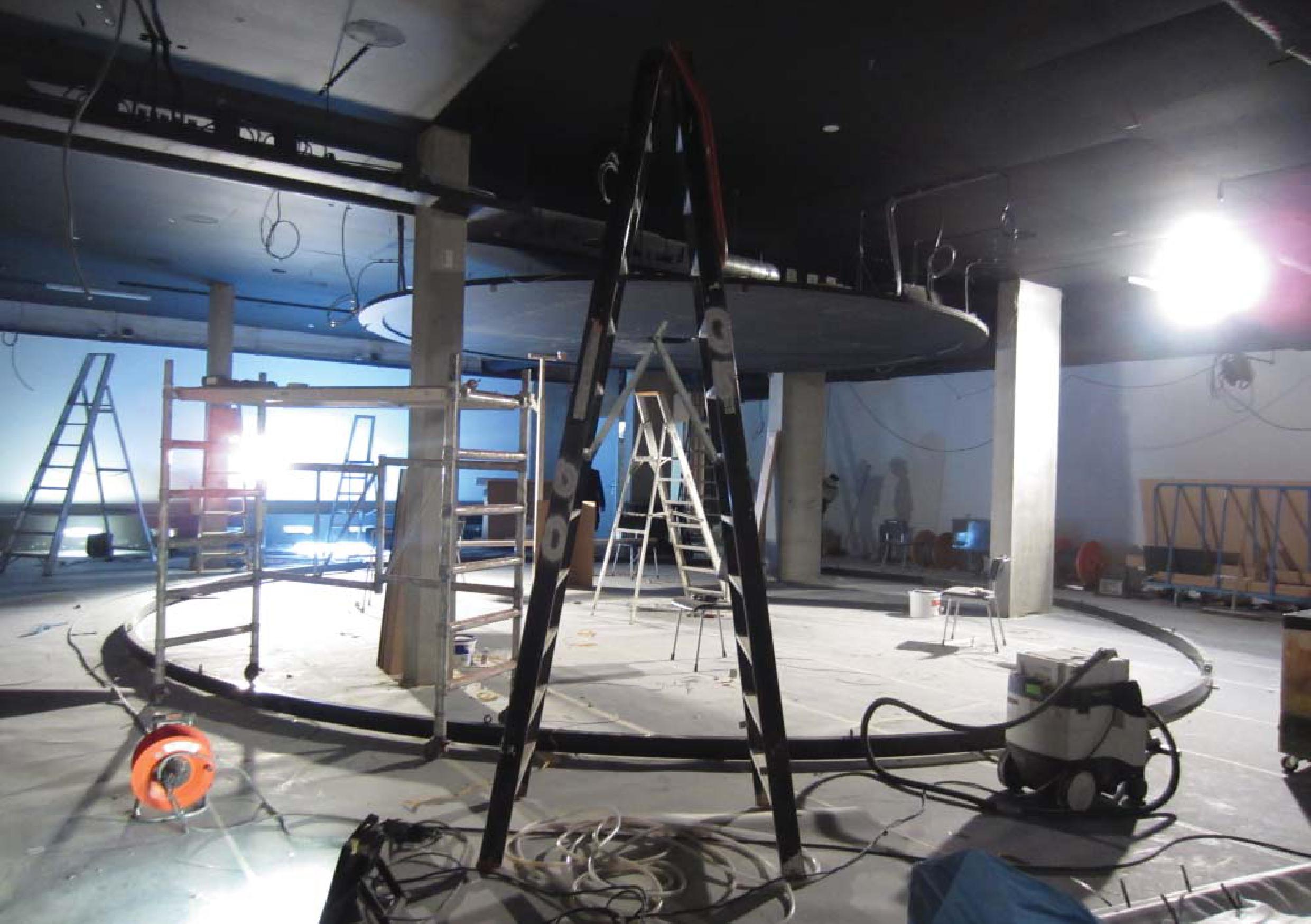
Construction process...
Glass panel placement.
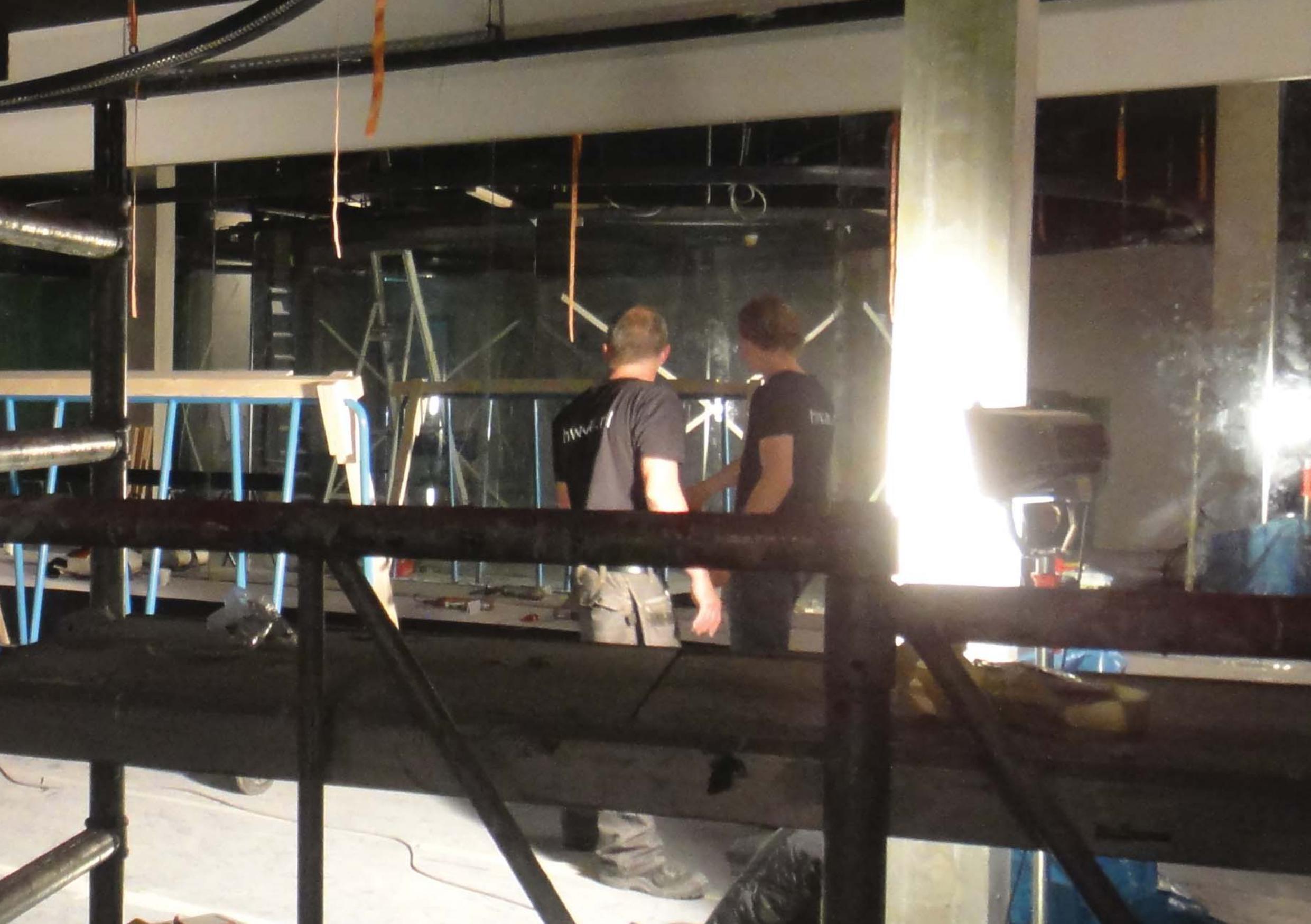
Workers, scaffolds, spotlight.
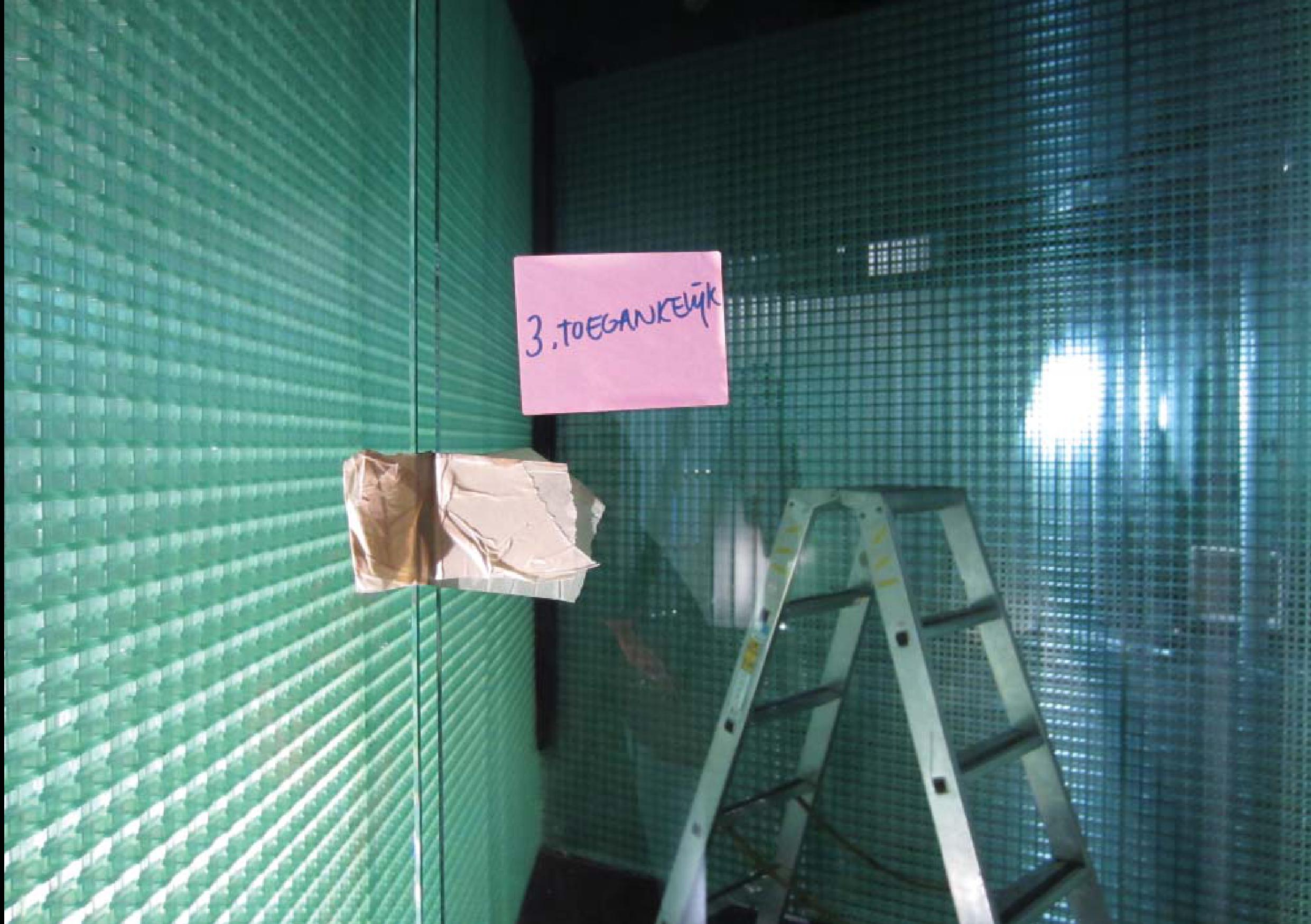
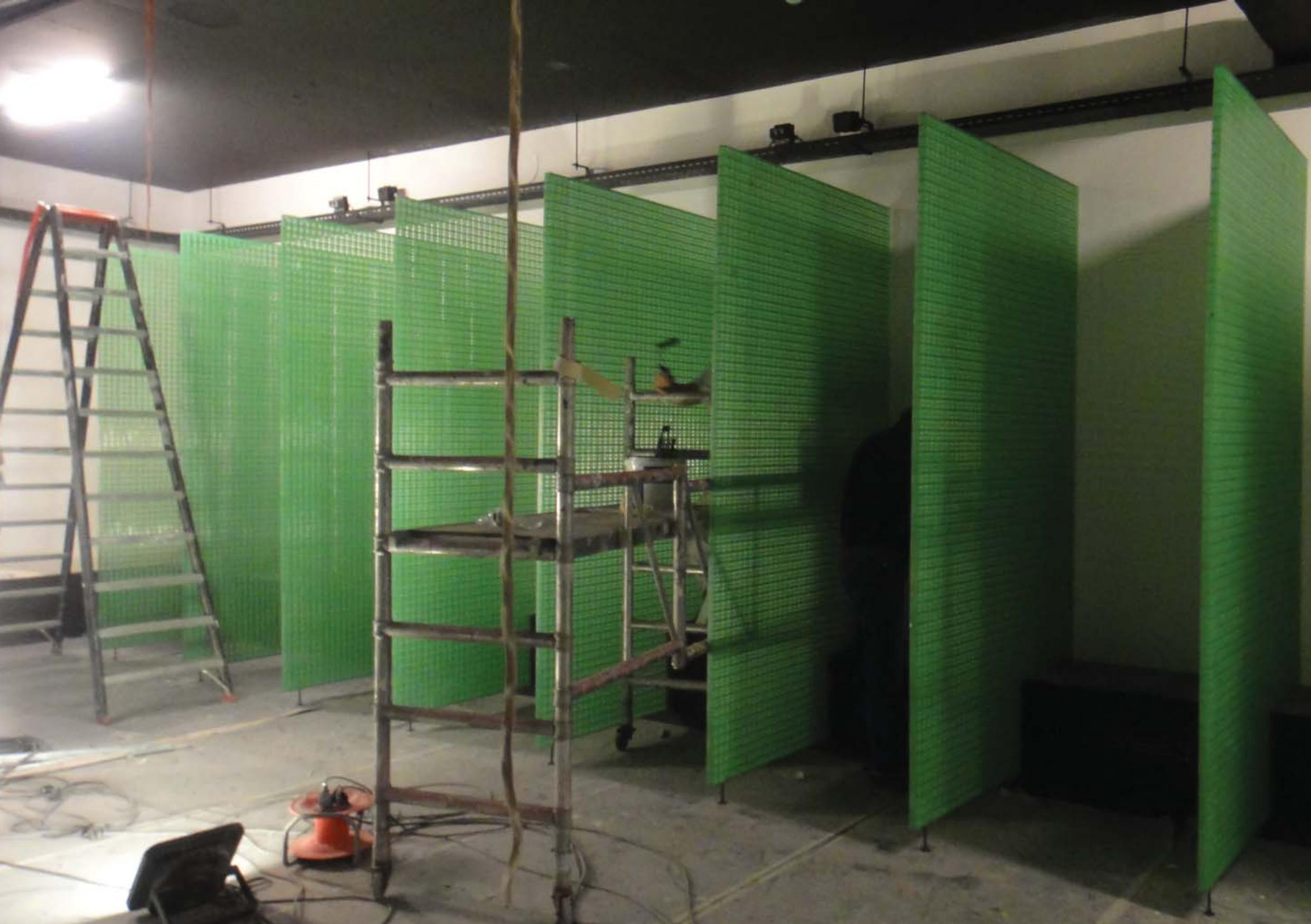
Resin paneling placement and curatorial indications.
Resin cabinet paneling placement.
Preliminary NAi staff visit.
Client inspection.
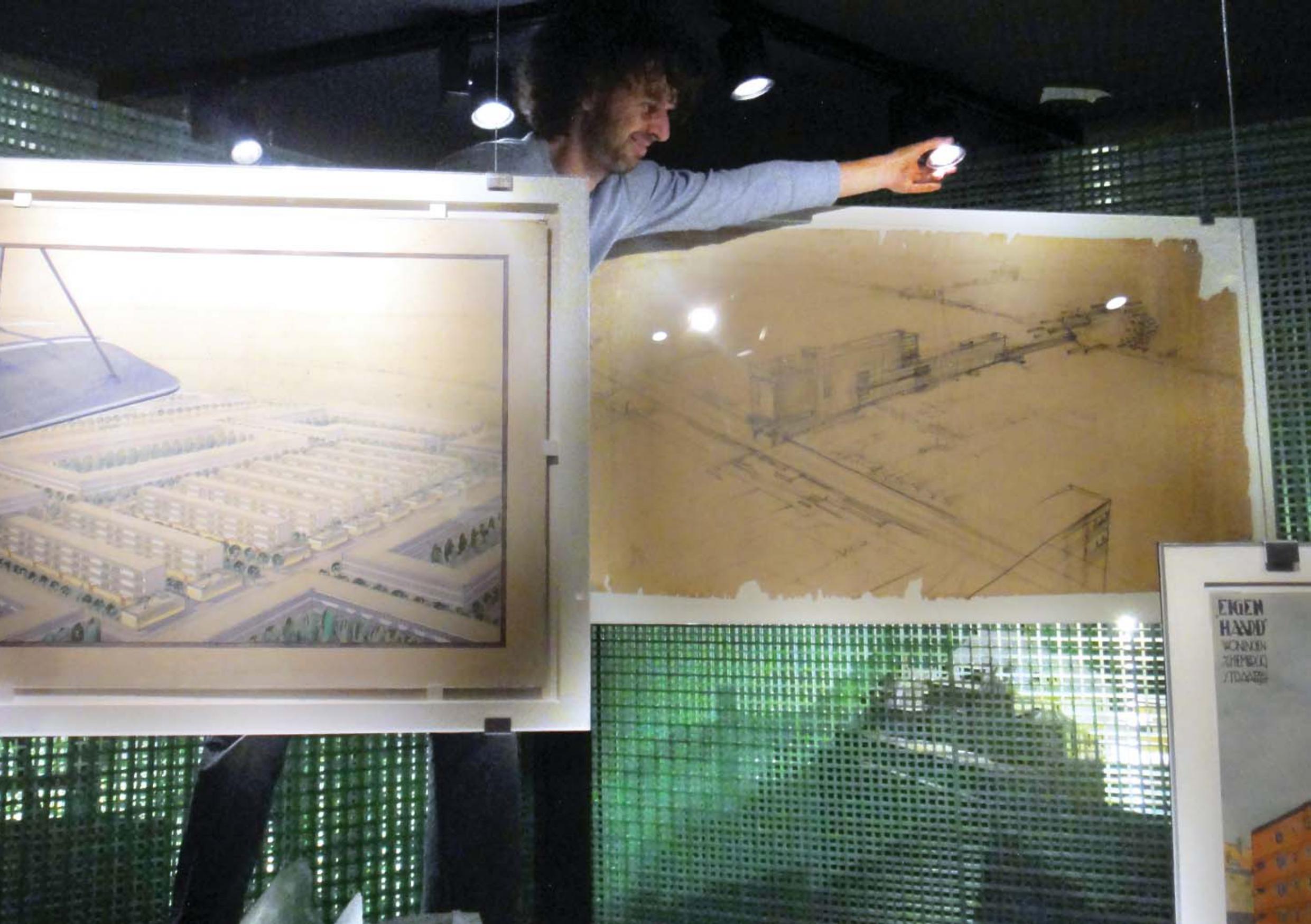
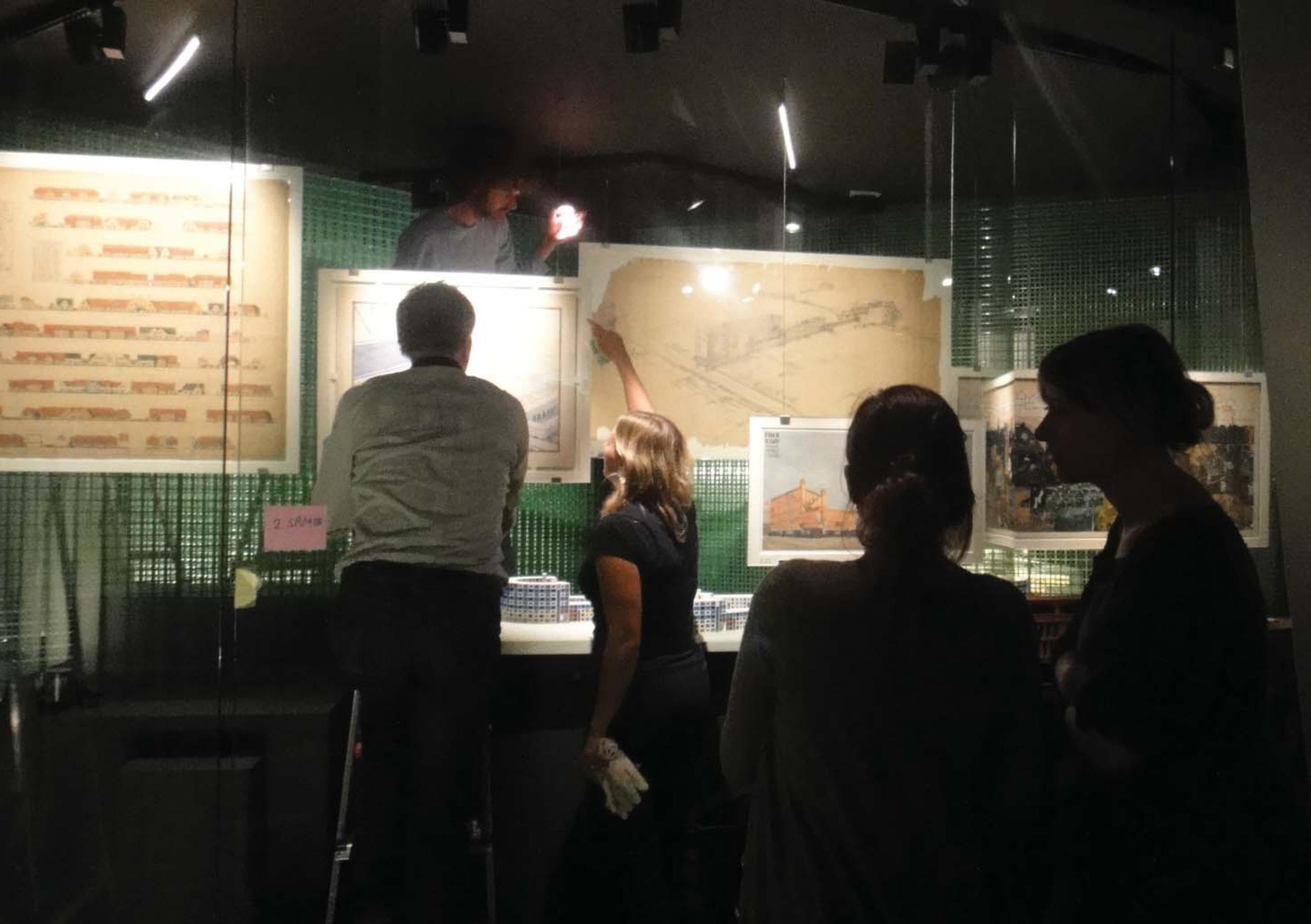
Curatorial and lighting installation.
Curatorial and lighting adjustments.
Outcomes & Lessons

OPENING DAY

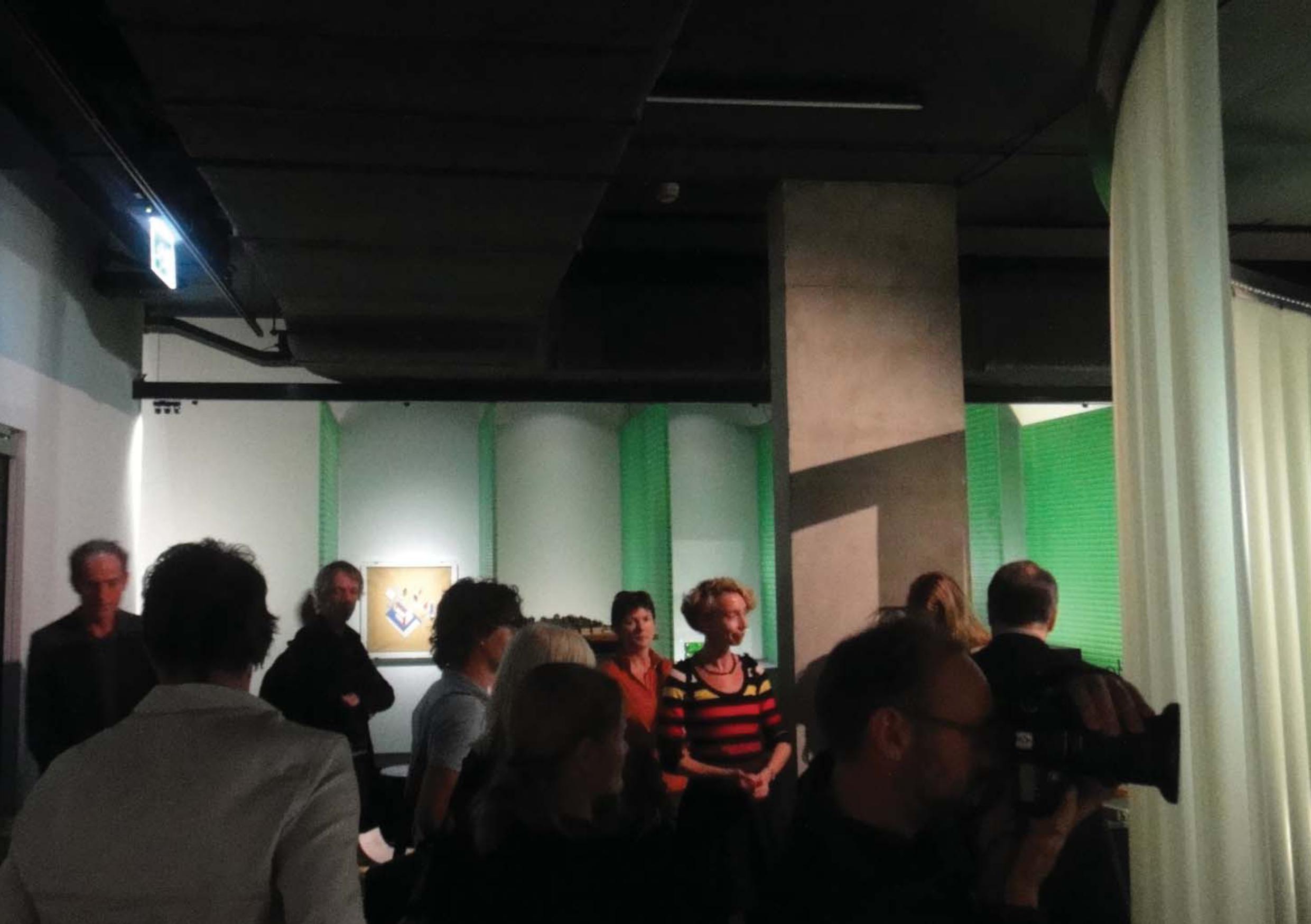
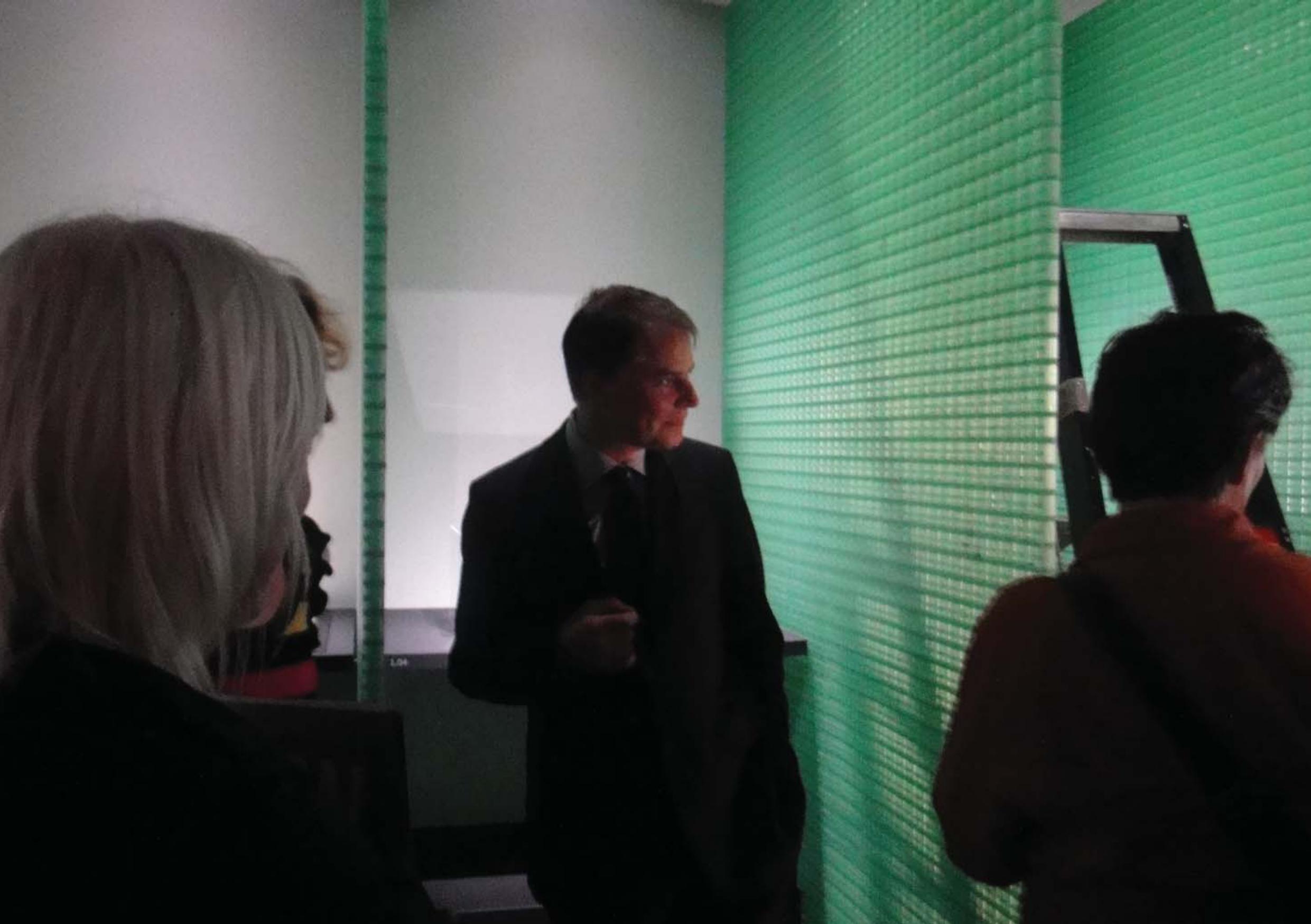
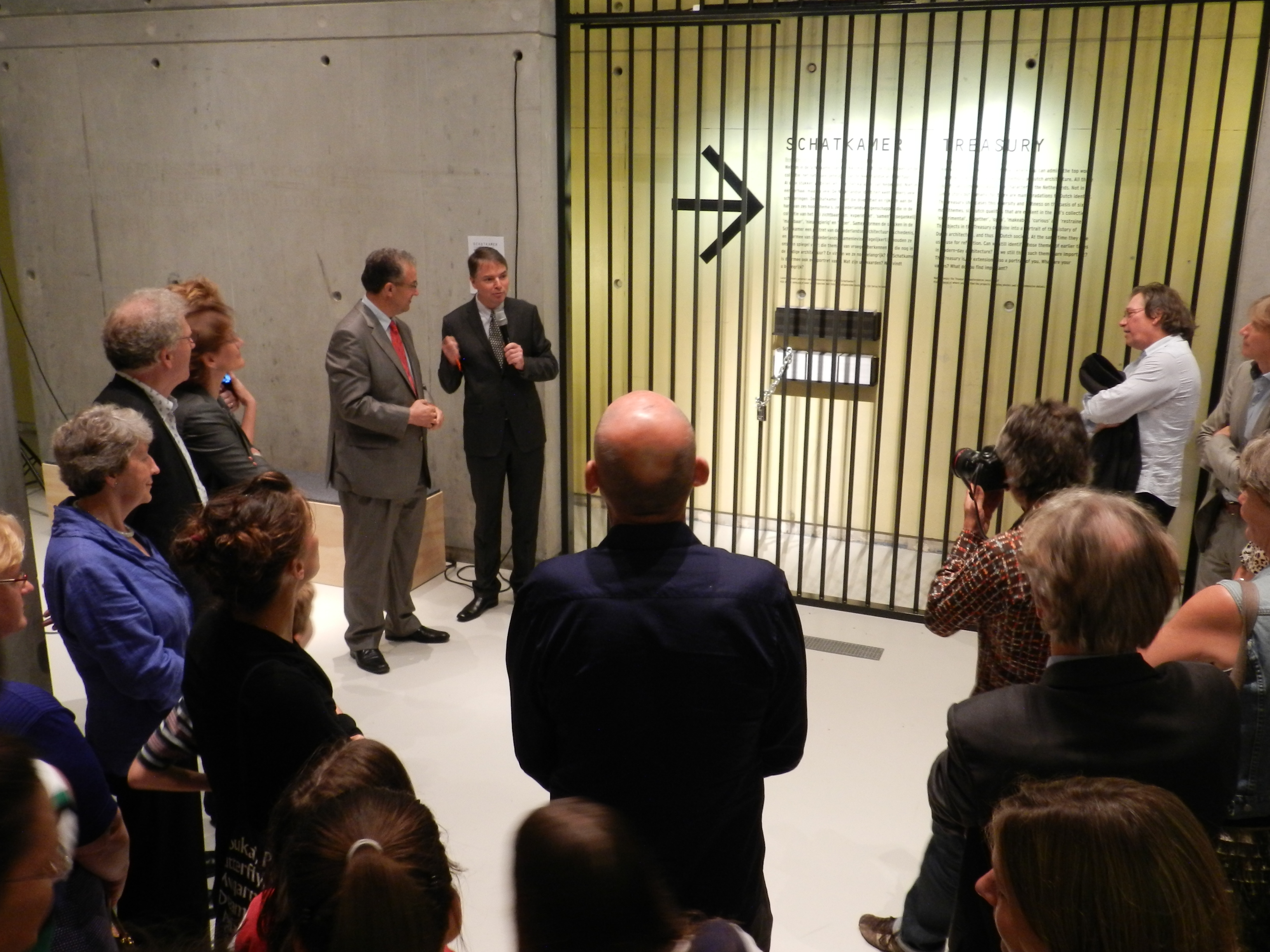
After weeks of back and forth between the office and the construction site, opening day finally came! Ole Bouman, the director of the Netherlands Architecture Institute arranged an opening ceremony with guests of all sorts. Here he is holding the microphone in front of the prison gate we designed -- hoping to give the basement location an edgy feeling. Rem Koolhaas is in the shot, his bold head towering front center.  

NAi director Ole Bouman and architect Rem Koolhaas guide a crowd of visitors towards the Treasury.
Visitors enter the central drum and discover the curated artwork.
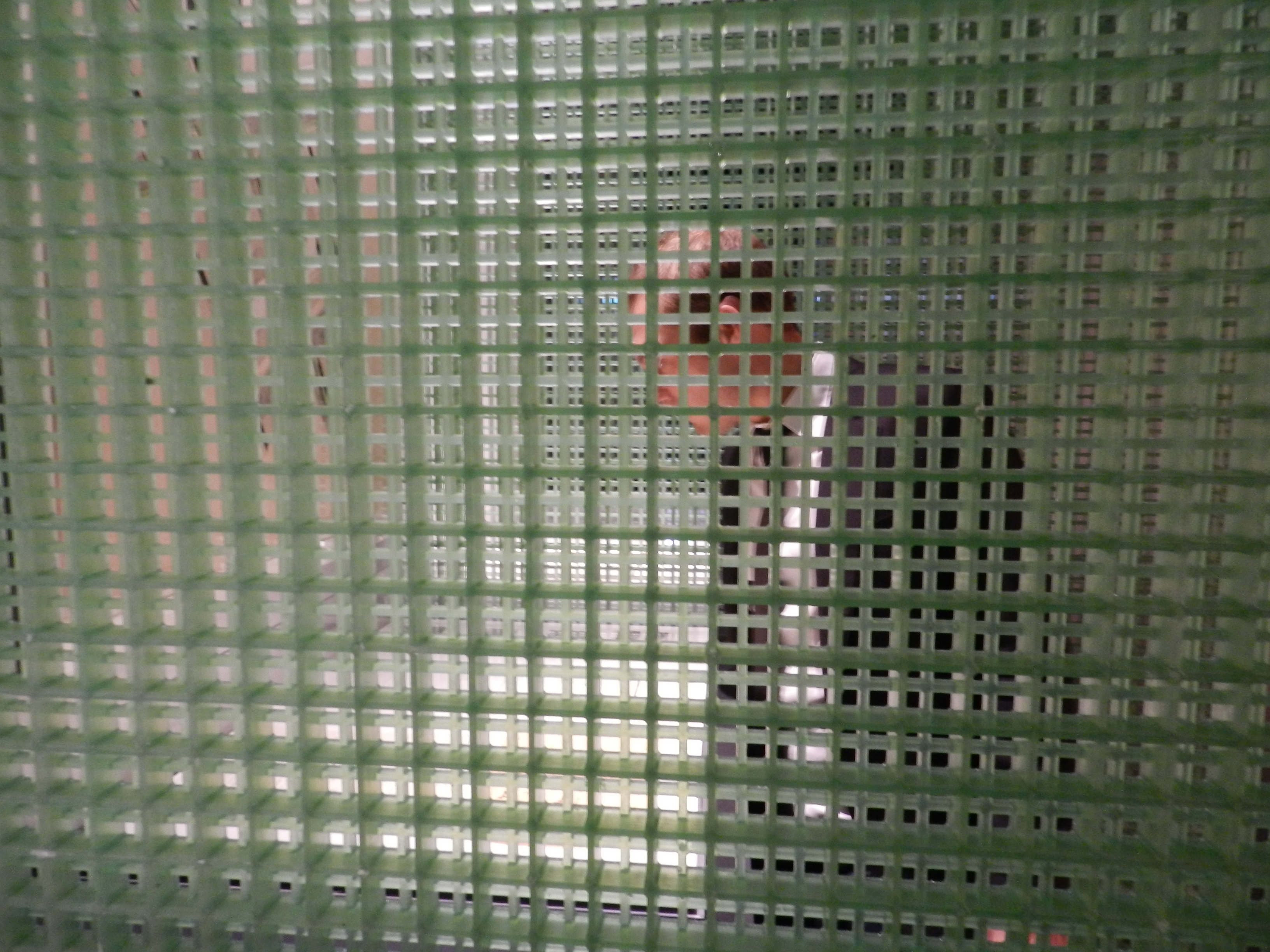
Inside of the the cabinets.
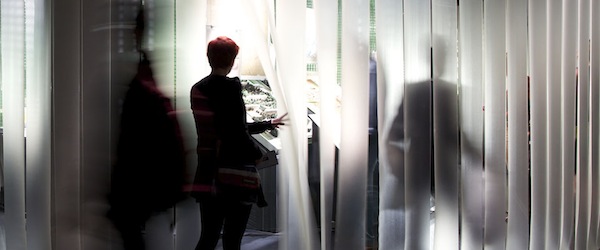
Silhouettes blurred by back-lit PVC curtains.

NAi Treasury in the Press

The architectural, curatorial, and graphic approaches of the NAi Treasury were viewed by top publications in art and design. Click on the following hyperlinks to navigate towards articles. Artnet; Detail Magazine; Graphic Language.

Further references

NAi Treasury on OMA's website

THE END
Thank you for your time and attention. Here are other case studies.

THANK YOU FOR TAKING INTEREST IN MY WORK

Let's connect!

Drop me a note at v.lechene@columbia.edu.

NAi Treasury
Project StatementScope & ConstraintsProcess & What I DidOutcomes & Lessons