Transdisciplinary Research ● Product Design ● Interaction Design
Composting could reduce waste in NYC homes by 17%.
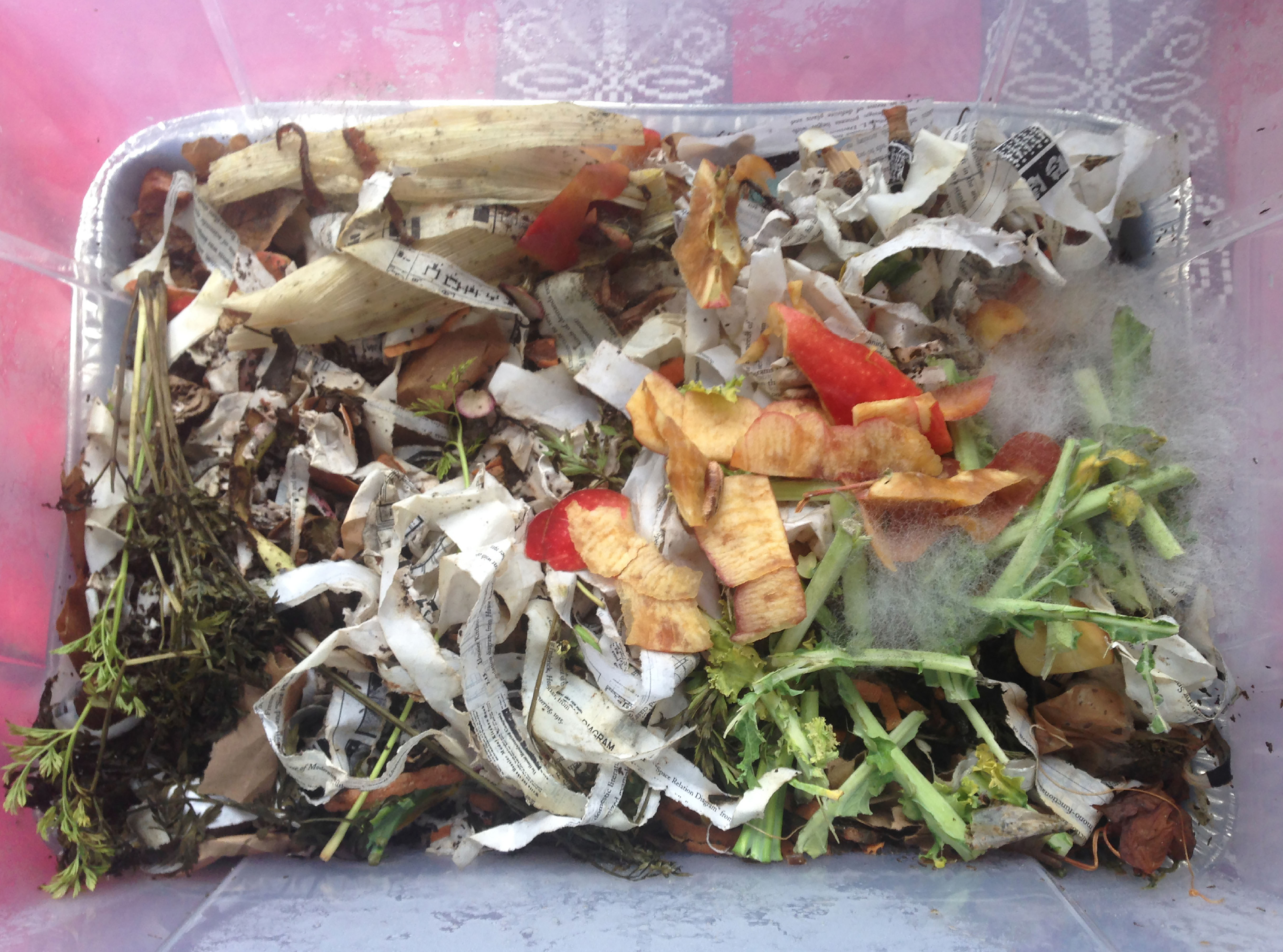
Considering the future of design and computation in the next 5 to 10 years, both in terms of the big picture as well as a proof-of-concept prototype, we realized that computers will soon be incorporated into biological systems. Computers currently require a lot of attention, and have been criticized for their negative effects on human social life. As they continue to shrink in size, there is the potential for them to dissolve seamlessly into people’s lives and environments.
In this project, we looked to apply the power of computing in a socially responsible way. Concurrently, we see sustainability as a leading pressing challenge for our generation.
As people, places and things become more interconnected with exponential population growth, the global buzz of urbanity and internet technology, it seems that studying life cycles at the planetary scale can be a game-changer for design-thinking in 5 to 10 years.
Using distributed ambient technology such as sensors, actuators, and microcontrollers, this Internet of Things can greatly facilitate the emergence of practices for a better health of both ecology and economy.
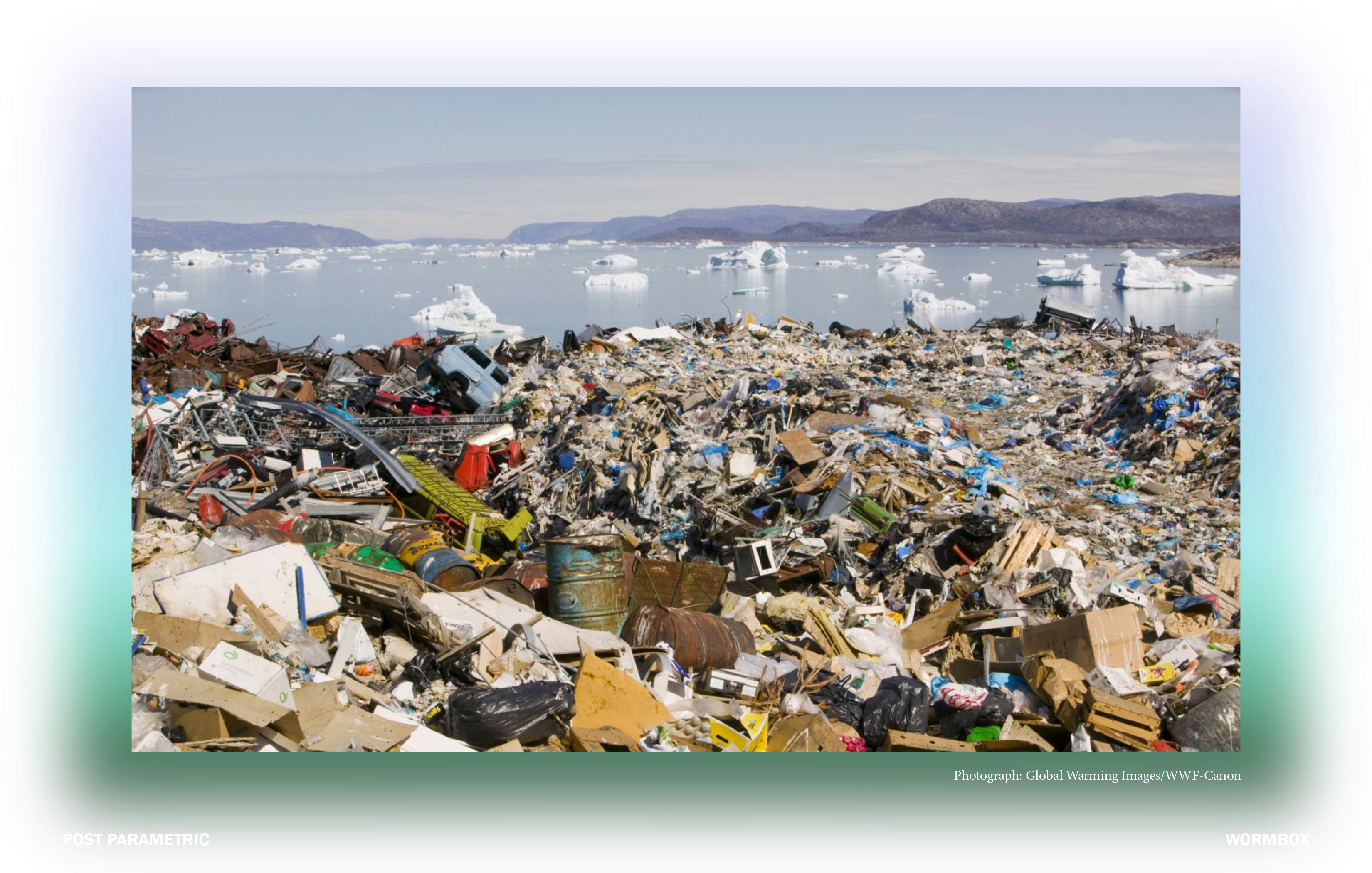
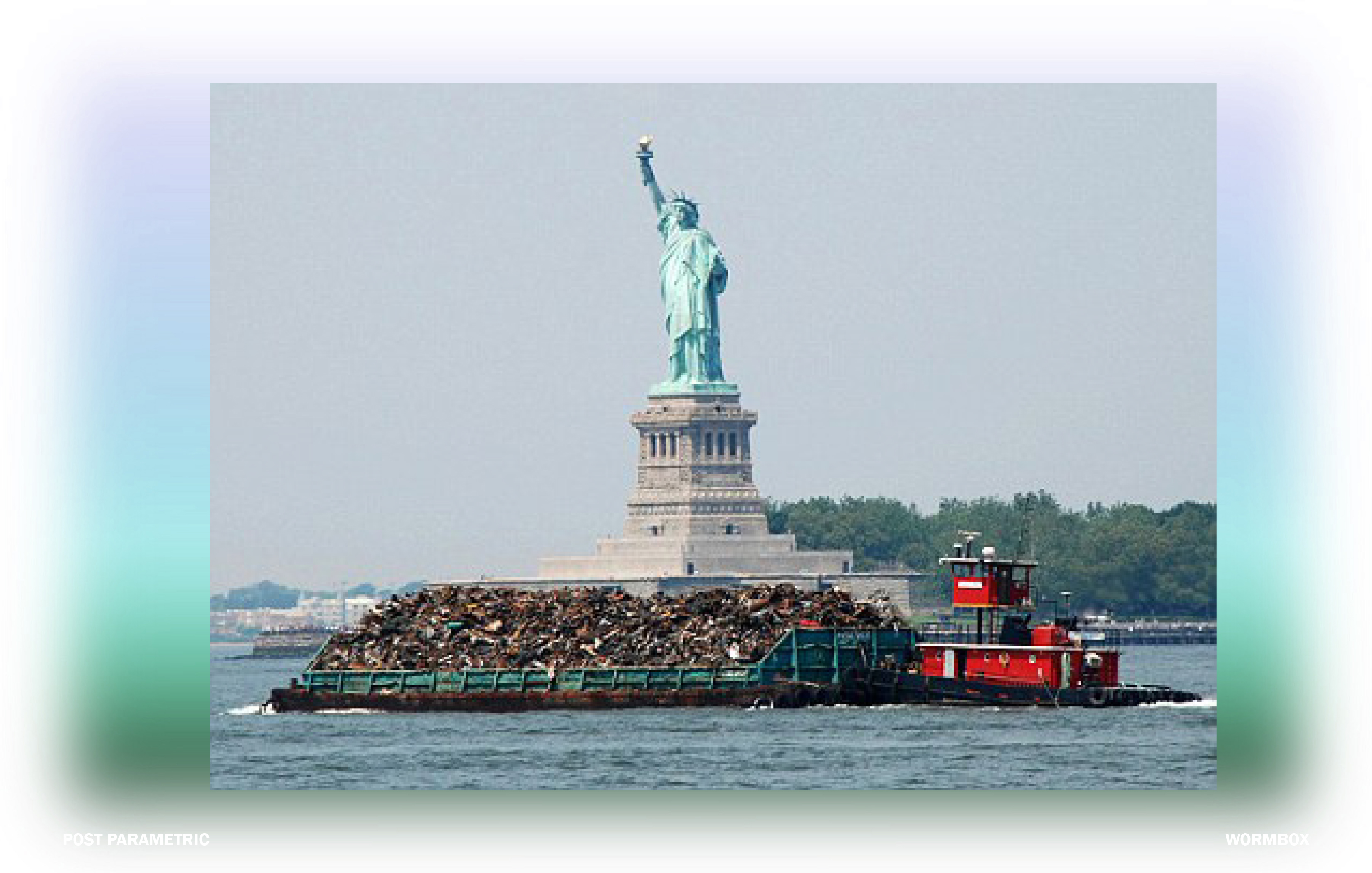
This is a photograph from the World Wildlife Fund. It shows rubbish dumped on the Greenland tundra. The pile of waste stands in stark contrast with the Ice fjords part of a Unesco world site heritage. It makes a clear case for the ill suited waste management system western society has cultivated since the industrial revolution.
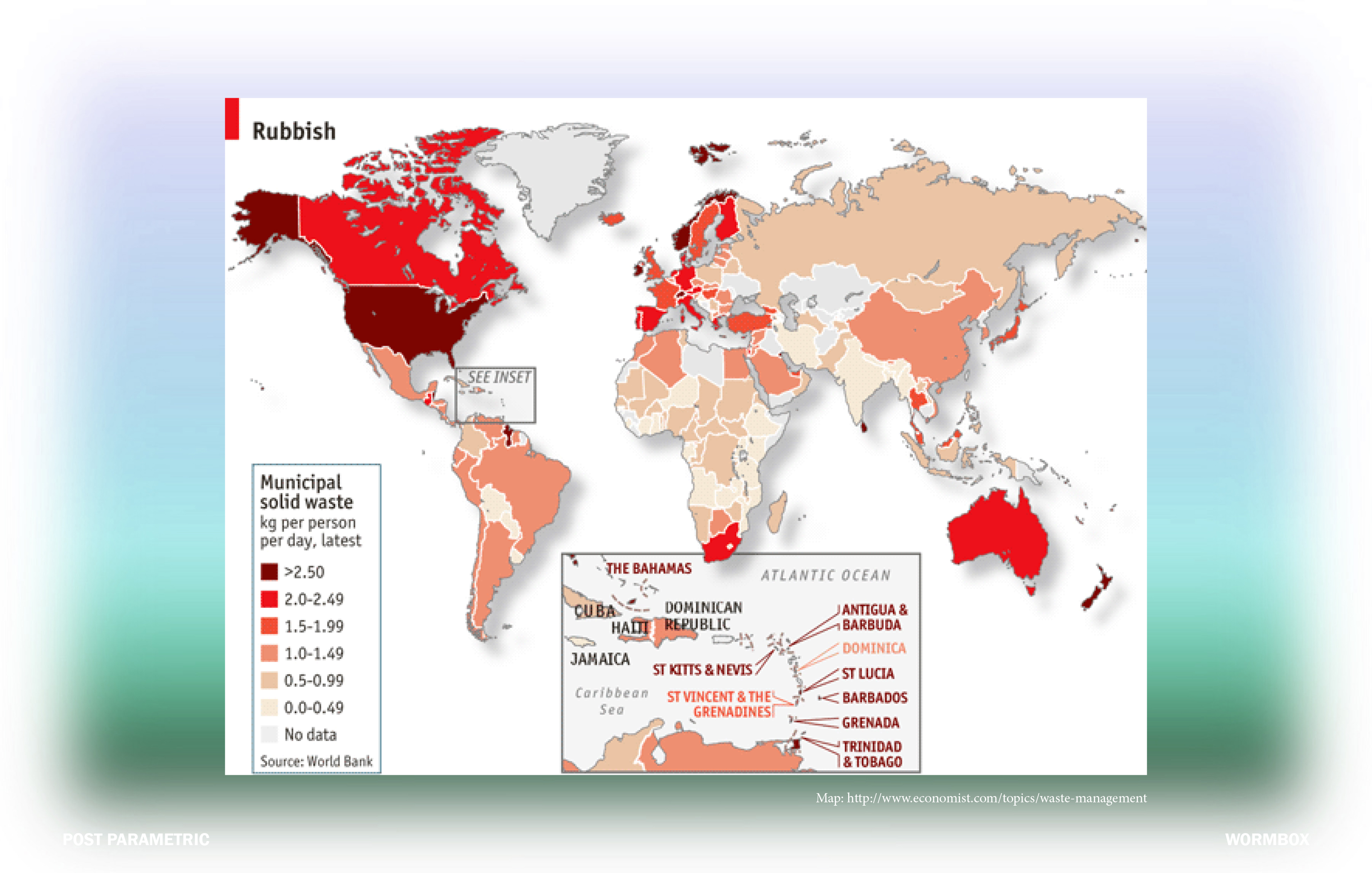
As giants such as China and Brazil lead the developing world into a fairer positioning within the global economy, they follow the same pattern of development making waste a time bomb for life on the planet.
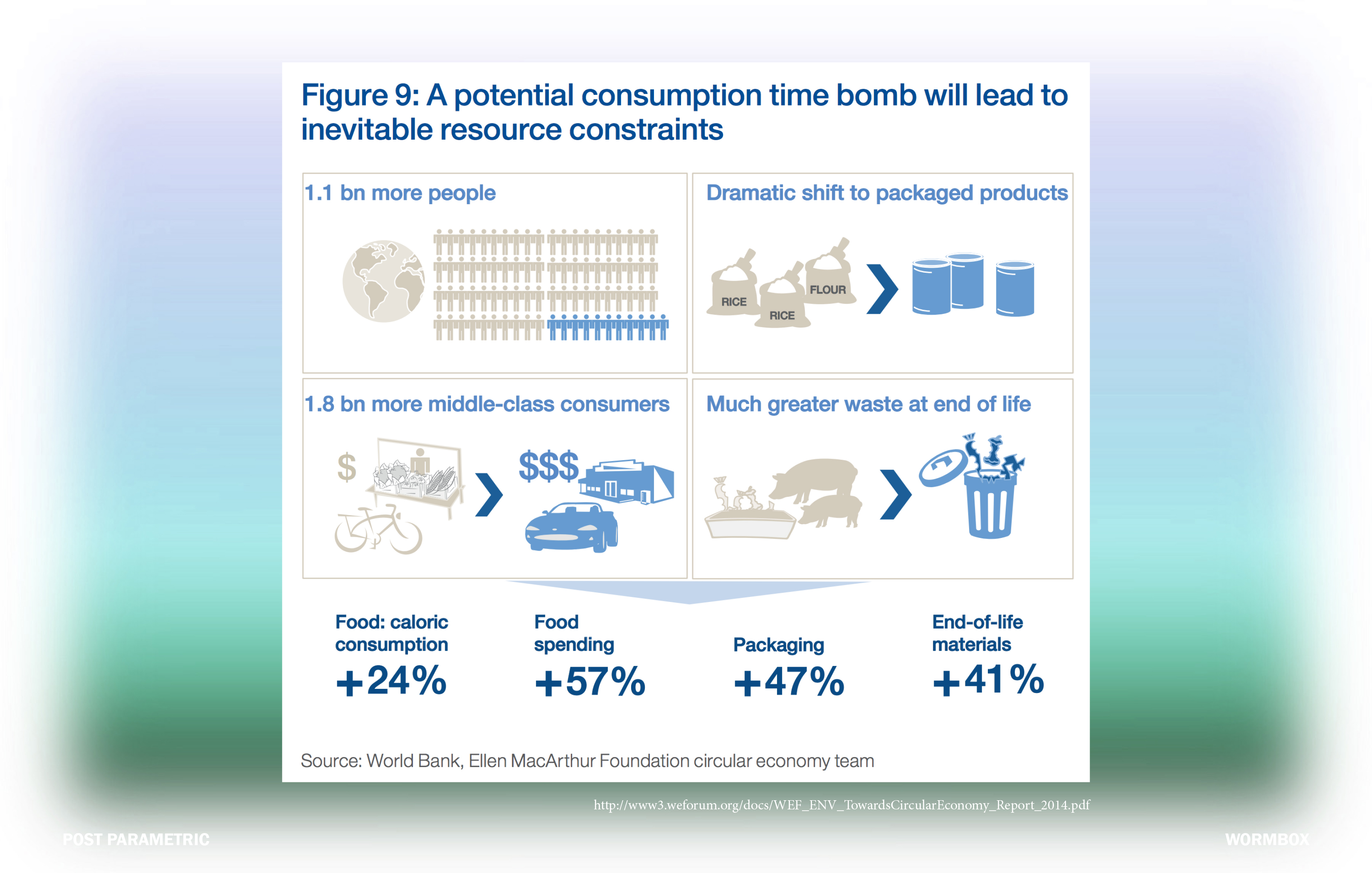
An idea that has emerged as a consequence of this awareness is that of circular economy. Its starting point is the reevaluation of waste. The circular economy is a design issue. Waste is a design issue. This premise of the circular economy is so purely material that it’s impossible not to think it as a design issue.
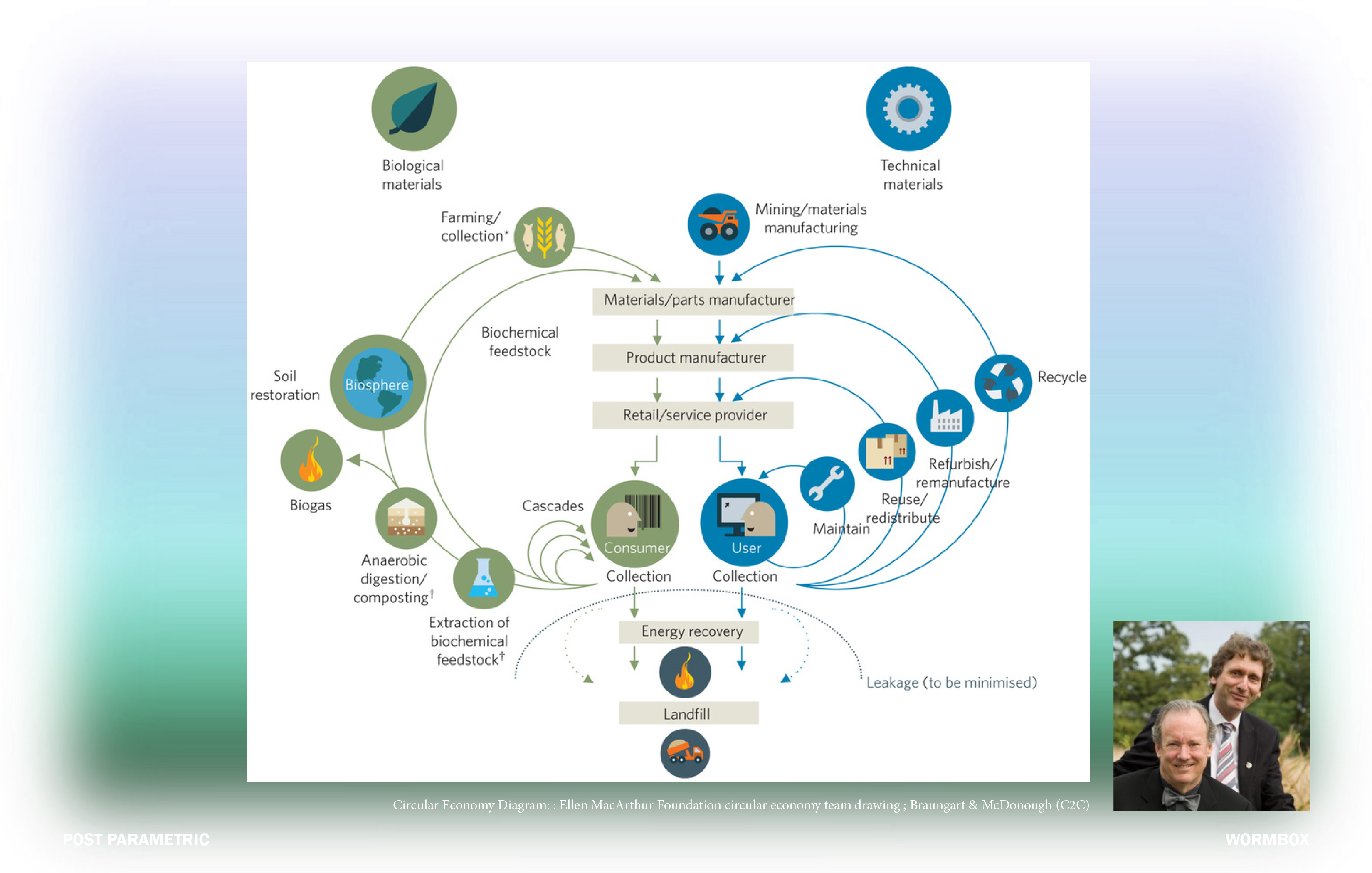
This is the current epitomic diagram of the circular economy. It was designed by William McDonough and Michael Braungart (authors of Cradle to Cradle) for the Ellen MacArthur Foundation and McKinsey. It displays the dichotomy at the essence of the sustainability issue: the conflict between the biological world and the geo-mineral world constituting the traditional materials of the built environment.
We asked ourselves, how can we help reduce waste at its source in New York City? Computing and design can enable the efficient circulation of matter at many scales, through the use of sensors, actuators, and information technology.
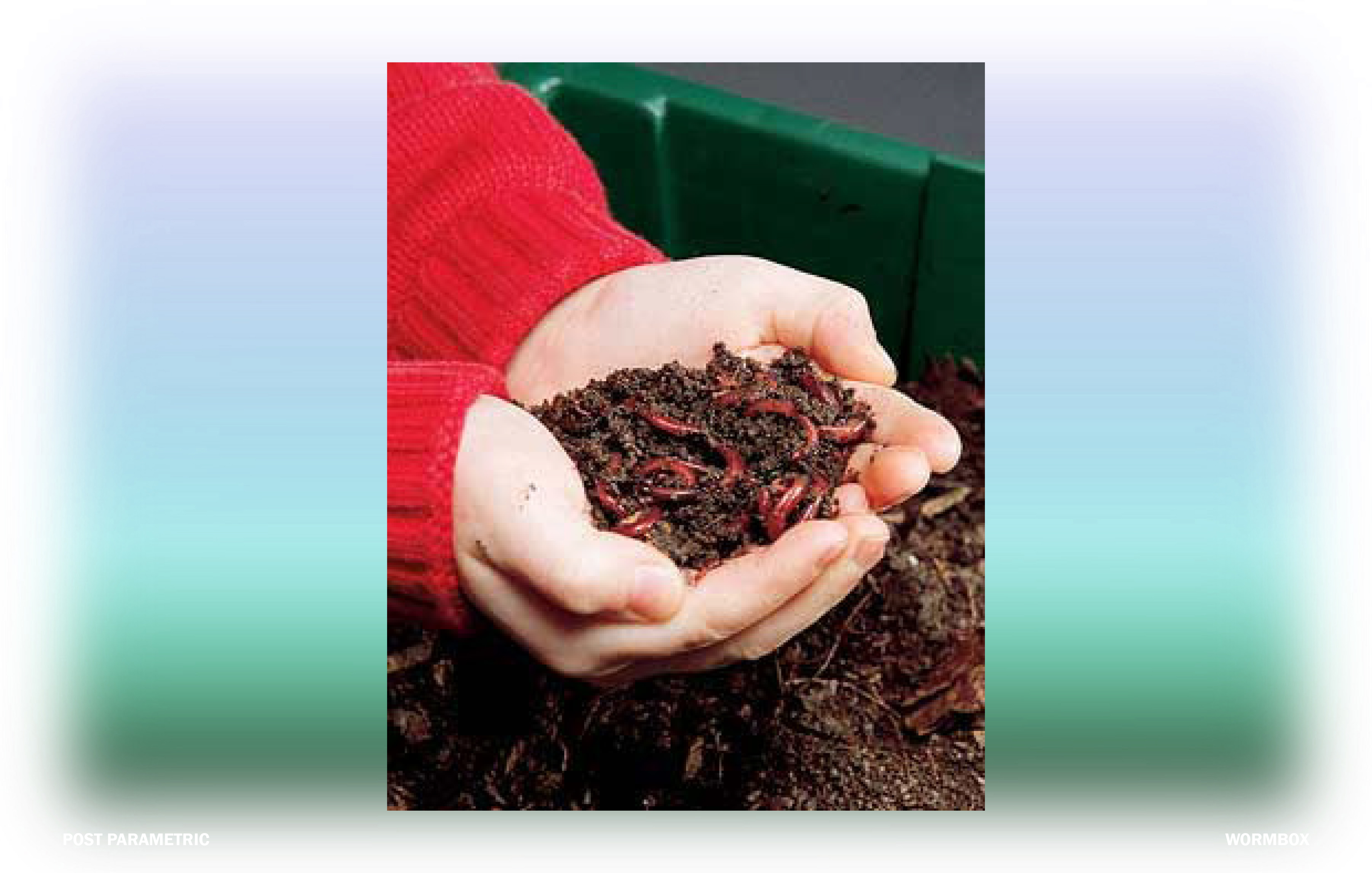
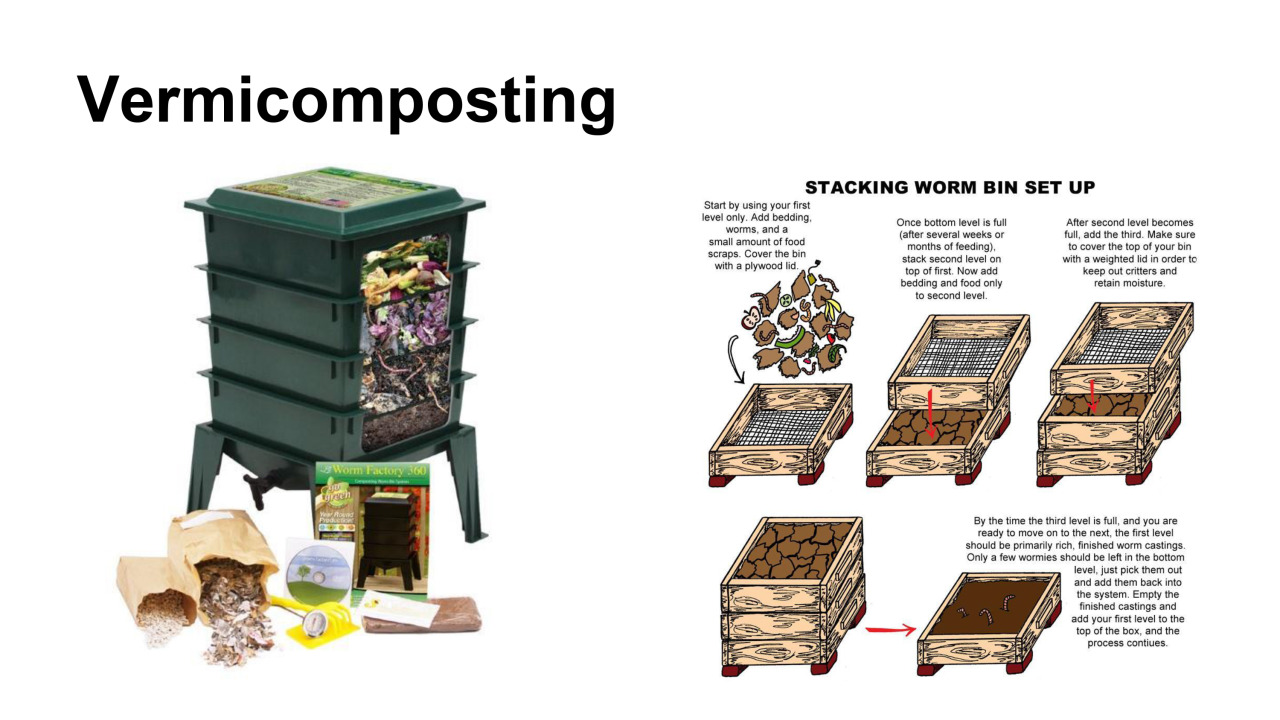
Worm composting, or vermicomposting, has been around for decades. Compared to other composting methods, using worms is the most efficient way to recycle organic waste.
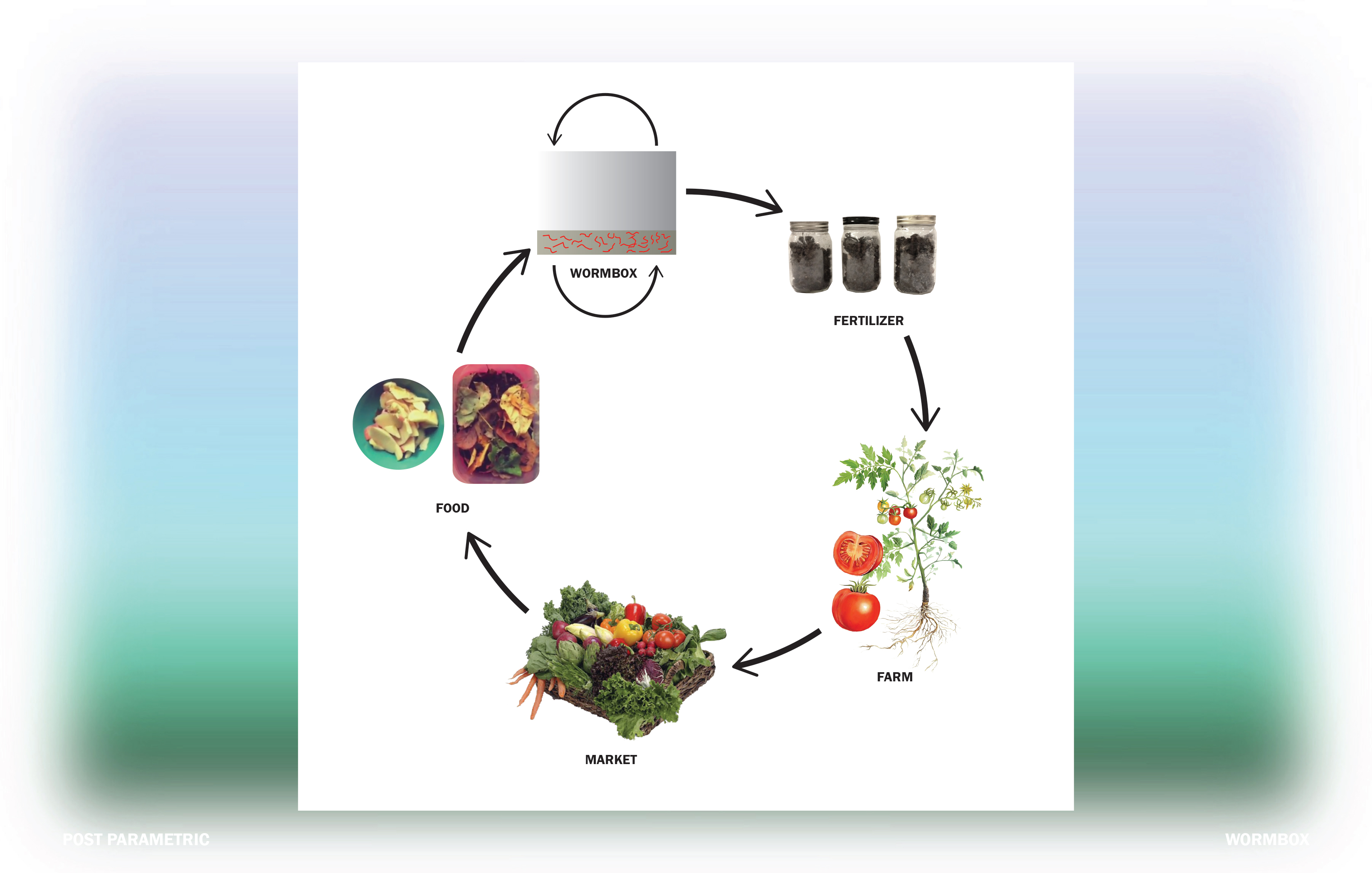
However it requires a lot of attention and maintenance, which can be discouraging. That's where we saw an opportunity to develop digital solutions. WormBox takes home vermicomposting and connects it to the Internet of Things, providing feedback that is easy to understand.
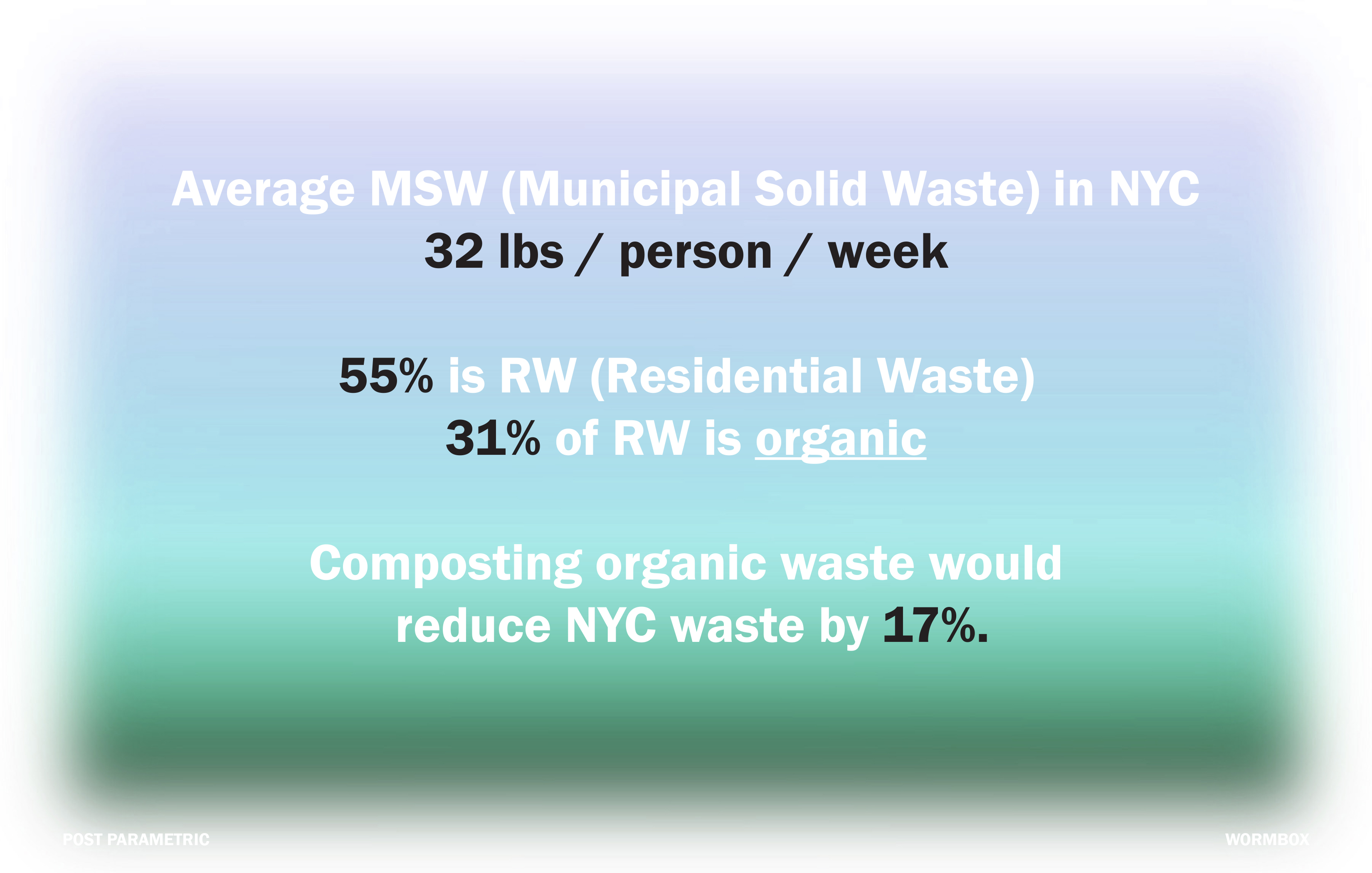
The average New Yorker produces 32 lbs of solid waste per week. 55% of this total is residential waste, and 31% of residential waste is organic. That means that composting could reduce waste in NYC by up to 17%.
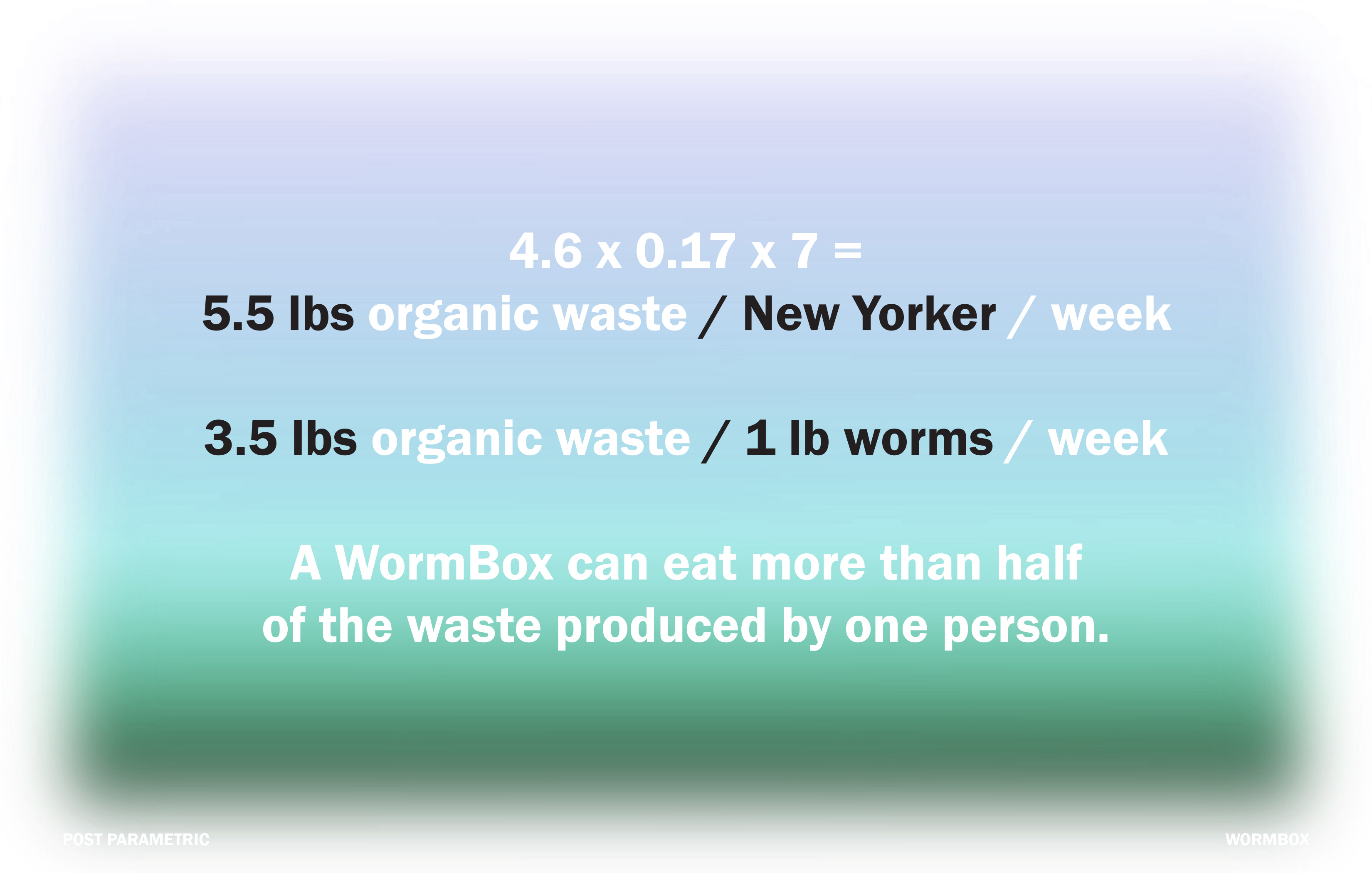
Based on city government statistics, the average New Yorker produces 5.5 pounds of organic waste per week. The recommended weight of food scraps for a composting bin is about 3.5 pounds per week. A WormBox can eat more than half of the waste produced by one person.
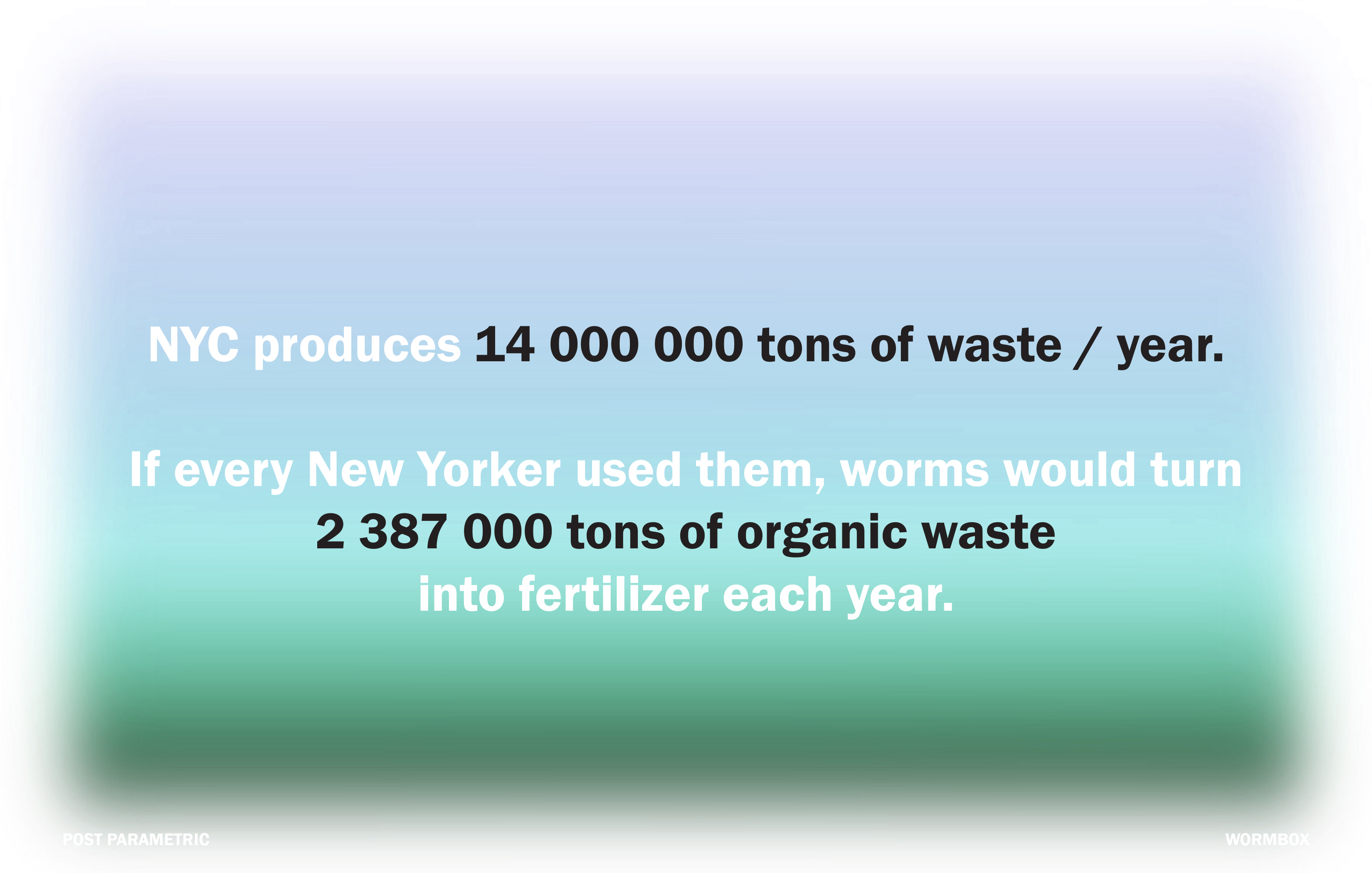
New York City produces fourteen million tons of waste per year.
If every New Yorker used them, worms would turn two million three hundred and eighty seven thousand tons of organic waste into fertilizer each year.
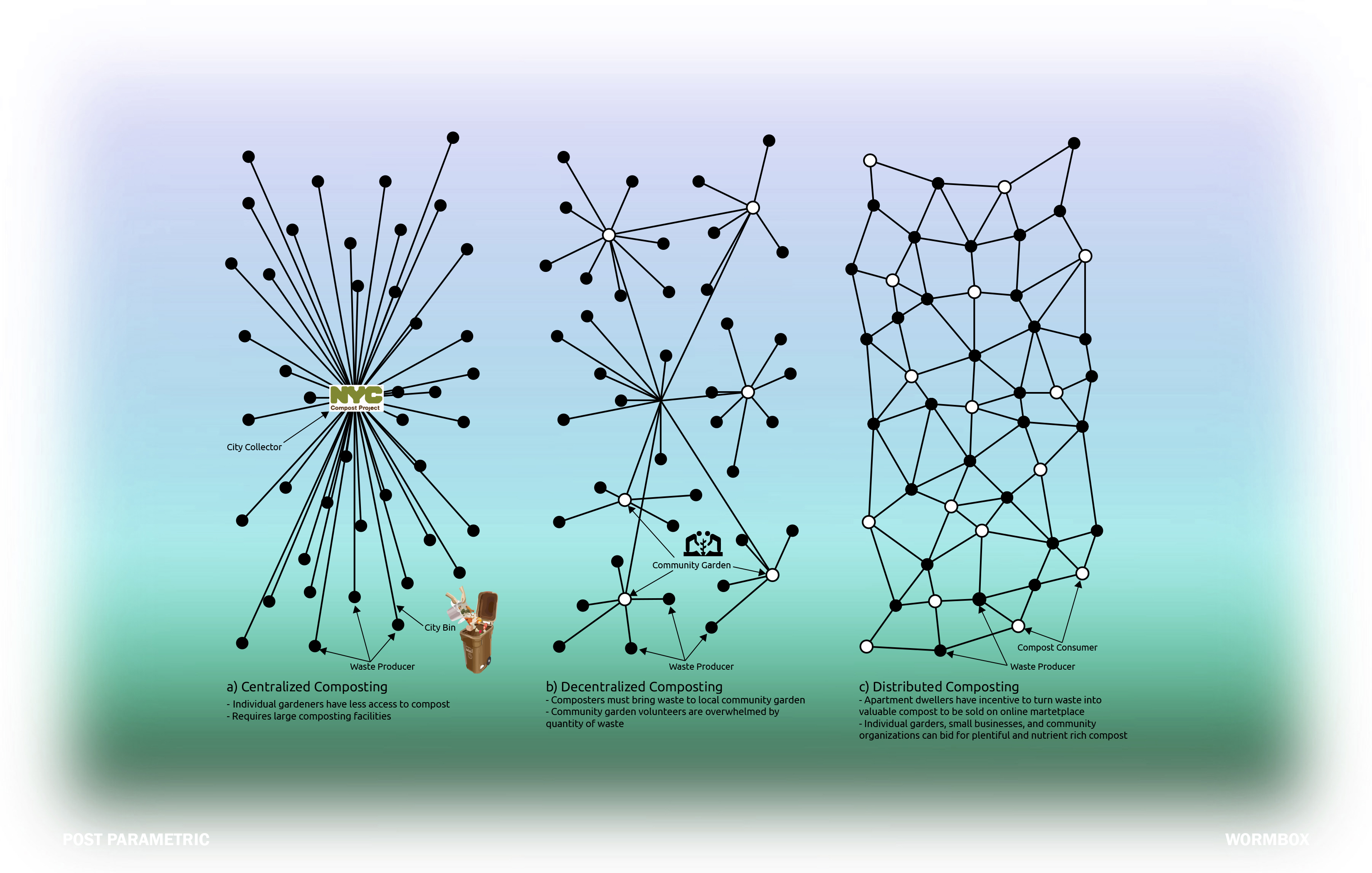
New York’s waste management strategy is a centralized infrastructure, with many collection points feeding into a large disposal center and eventually a landfill.
At the same time, many decentralized community gardens have started local composting projects. Yet the amount of waste that these small organizations often receive can be overwhelming, and many projects fail.
In 1964 Paul Baran proposed the distributed network as an alternative to centralized and decentralized systems, which is more resilient and adaptable. We believe that waste management can benefit from such a distributed network.
WormBox is the latest must-have home appliance, and a game changer in the way we manage residential waste. It is also a form of “bio-urban acupuncture”, with carbon-sinking implications at the scale of the kitchen, the city, and the global ecosystem.
Through this Internet of Waste, humans will form a symbiotic relationship with the biological processes that consume their waste. When people are conscious of the waste they produce, it affects the things they consume.

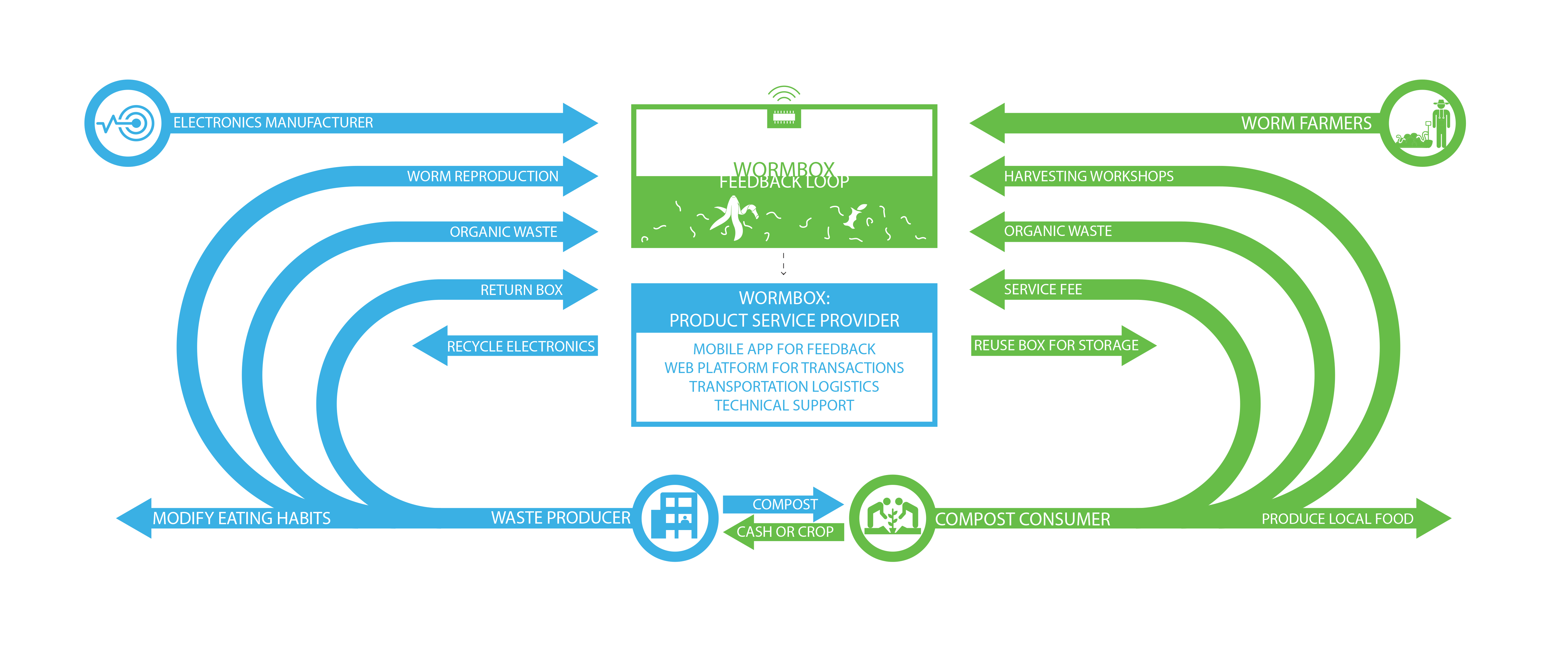
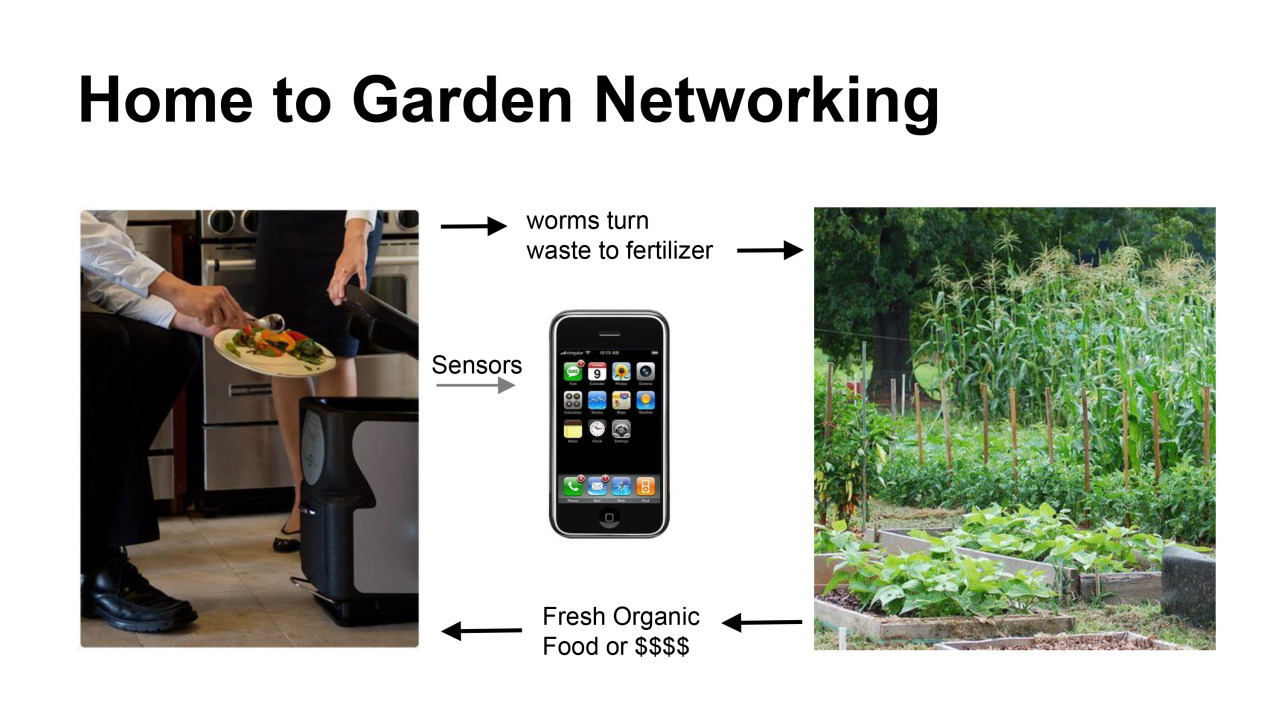
Waste producers keep WormBox in their kitchen, directly feeding it organic waste. The waste is turned into compost by worms. Waste producers exchange their compost with crop producers.

Compost consumers exchange their crop for fresh compost or simply sell their crops to waste producers or laypeople.

Electronics manufacturers build and recycle WormBox's hardware.
Worm farmers ensure the product is always well supplied with worms. Worms can be shipped in the mail to waste producers.
The diagram below illustrates these sets of organizational interrelationships. We can see that together these exchange begin to form a circular economy through a strategy of feedback and exchange loops.
This section seeks to describe my roles and responsibilities in the process of developing WormBox.
When Bill and I decided to work together, we both agreed that my focus on the big picture would pair nicely with his focus on engineering and smart detailing. My biggest contribution in this project was to put the muscle of Bill's engineering capability to work towards addressing climate breakdown. I learned about the circular economy through independent readings in climate policy and looked for ways to apply this concept in the context of digitization of the built-environment. Reading about new materialism, I had grown captivated by the idea of inter-species symbiosis, which was consciously explored through a digitally mediated symbiosis between worms and humans. All in all, my most important contribution in our team was in strategic positioning.
My second most important contribution has been in communicating the project's research and critical thought in an appealing and digestible way. I tested the narrative and deck communicating the gist of our project on various peers to ensure the message flowed in a smooth way, appealing to a wide audience, and resonating with specialists.
The seminar group met once a week in classroom. We presented progress every week through short presentations enticing group critiques. Faculty and peers would offer comments and suggestions.
Bill and I decided to sit near each other in studio to facilitate casually conversation about the project on a day to day basis. We gathered at the location of the vemicompost prototype once a week to run tests and craft the worm's digital support system.
Titled Post-Parametric, David Benjamin's seminar referred to making a departure from parametricism, an architectural style that aestheticized the potential of emerging computational tools. Parametricism was criticized for limiting the impact computation could have on the design of the built environment. As such, the seminar looked to allow in-depth studies of emerging computational concepts in order to design innovative usage of these technologies for the built environment.
The seminar was structured in two chronological parts. The first was focused on researching and learning. The second was focused on design and execution.
The first four weeks of the semester were focused on researching emerging computational concepts such as:
We were asked to worked in groups of three to develop an expertise on three chosen topics. My team focused on synthetic biology, evolutionary computation, and machine learning.
The following eight weeks were centered on the elaboration of a design project making strategic and critical use of the concepts previously studied. The time constraint made developing the skills necessary for a working prototype a strategic challenge.
David Benjamin introduces the course topics. He is trying to secure a high number of interested students and presents a number of compelling precedent projects, namely swarm robots. I'm very impressed and excited.
Students are prompted to form groups of three based on their interests. Groups are asked to deeply delve into their topics and present their most interesting findings to the group.
David shows precedent projects for this course, so we know what is expected of us. Inspiring, but expectations are high!
FUTURES OF BIOLOGY x COMPUTATION x DESIGN
Three main subjects:
Each of us have about a 100 times more non-human cells in or bodies than we have human cells. These cells are microbes we have been interacting for millennium. Designers could consider microbial conditions as a qualitative parameter. What is it that makes the experience of spending a day in nature so rich?... Could it be the Interface between body and microbial environment? The planet differentiates itself with its biological matter.Most buildings are made of mineral matter as a means to mitigate and control biological conditions. The planet's biological life has been suppressed by human life -- as a result biological life evolves in unexpected, violent ways -- pandemics are an example, climate change is another.
The Gaia hypothesis, also known as Gaia theory or Gaia principle, proposes that organisms interact with their inorganic surroundings on Earth to form a self-regulating, complex system that contributes to maintaining the conditions for life on the planet. — James Lovelock (via Bruno Latour)
Earth immune system
Claimed to be a consequence of the Gaia hypothesis. As a self-maintaining organism, Earth would possess an immune system of some sort in order to maintain its health. Ecological crisis, question of sustainability of human life in our environment as we know it. General goal: increase bio diversity in lived environment.
Mineral Buildings versus Biological Buildings
An interdisciplinary field that develops methods and software tools for understanding complex biological data.
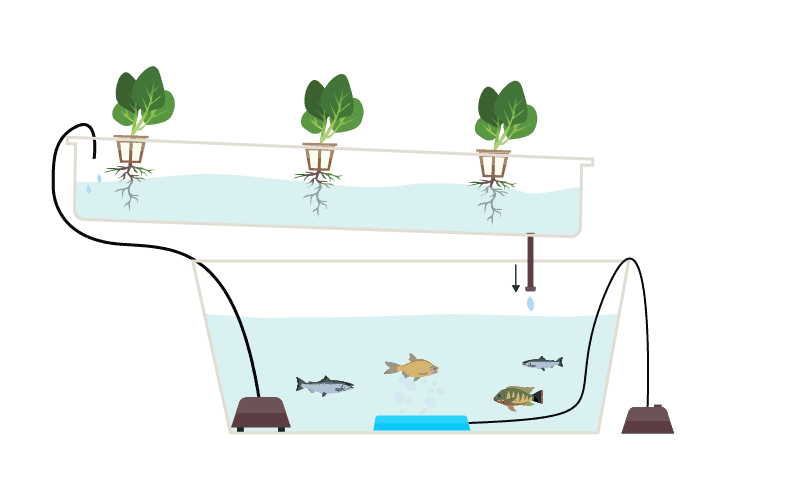
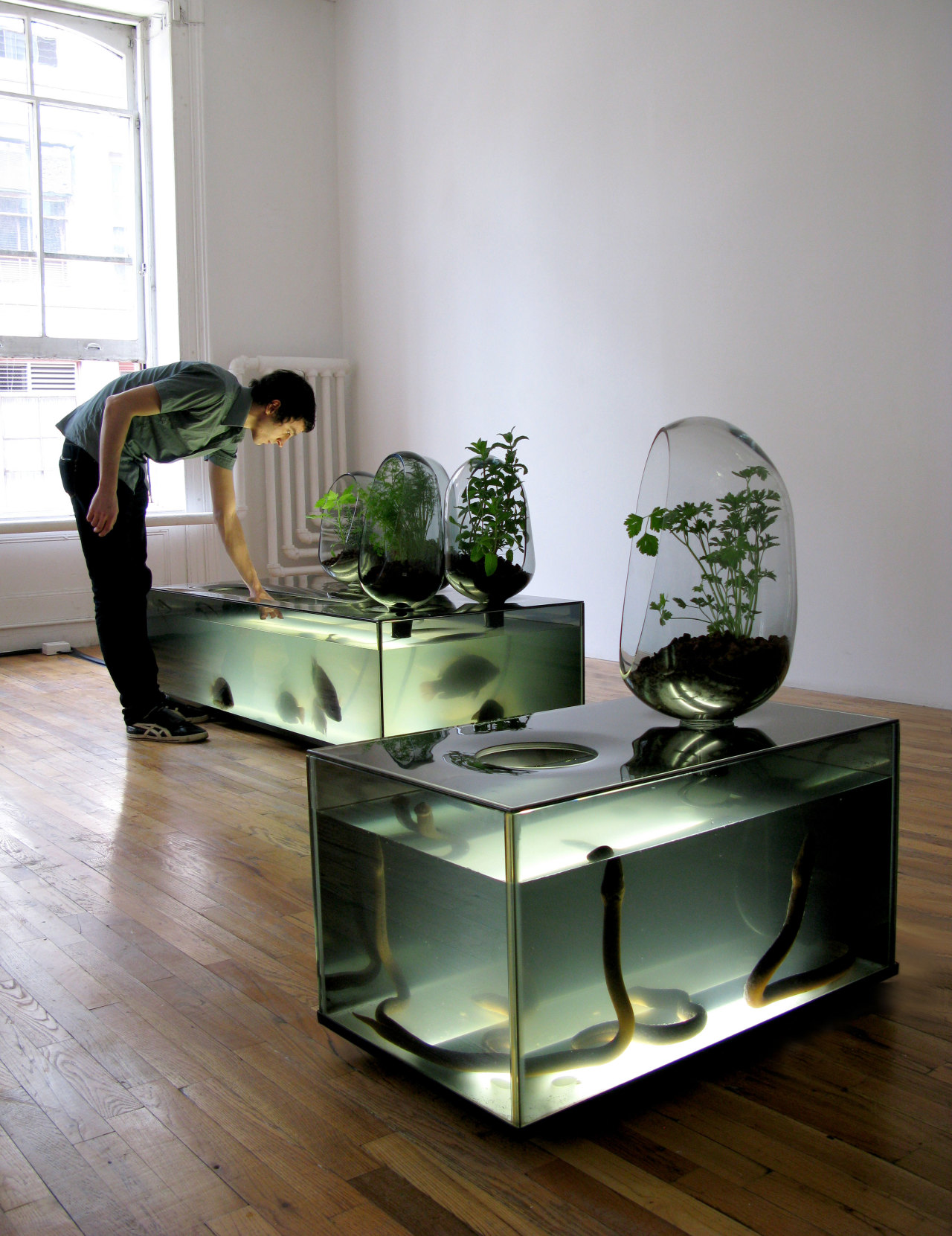
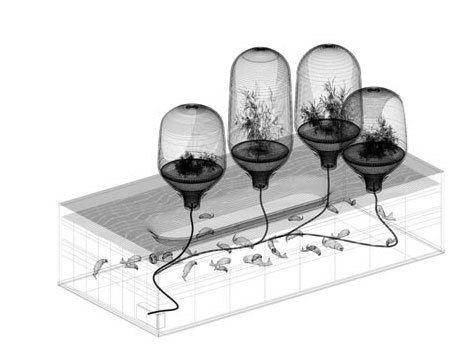
Aquaponics!
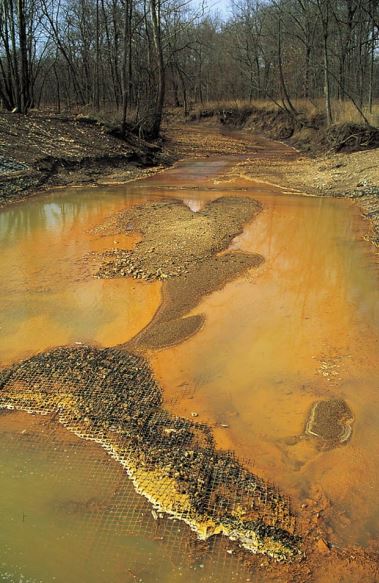
How entire environments interact, metagenomics allows the study of microbial communities like those present in this stream receiving acid drainage from surface coal mining.
David prompts students to form new groups to enter the second phase of the seminar, design and execution. Bill Bodell and I decided to work together. Two initial concepts that brings us together are smart scheduling and interspecies symbiosis.
"Smart scheduling apps are redefining the way companies organize hourly shifts, cutting out the arduous process of using Excel for manual scheduling.
Trying to organize hourly workers when you have hundreds of employees, numerous locations and countless variables to control can leave you tearing your hair out. Many scheduling processes are created through lackluster and inefficient tools such as Excel, whiteboards or simple pen and paper, which only adds to this headache.
Cloud-based solutions are attempting to fix these problems by redefining the organization of hourly shifts through smart scheduling, thus cutting out the arduous process of manual scheduling, maximizing employee satisfaction, and responding to the demands of your industry."
Source: GetApp
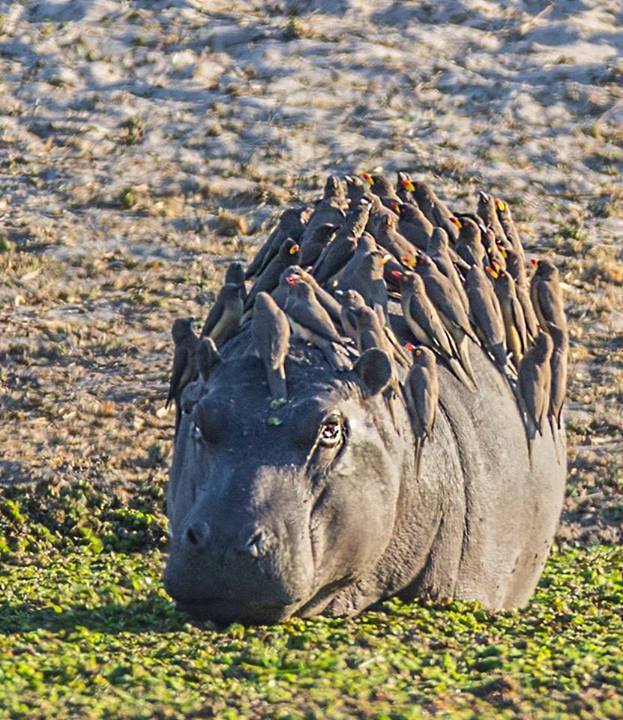
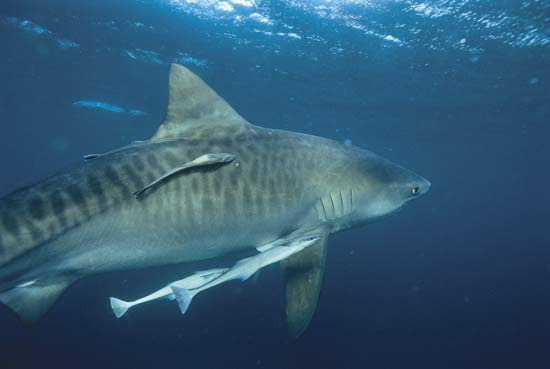
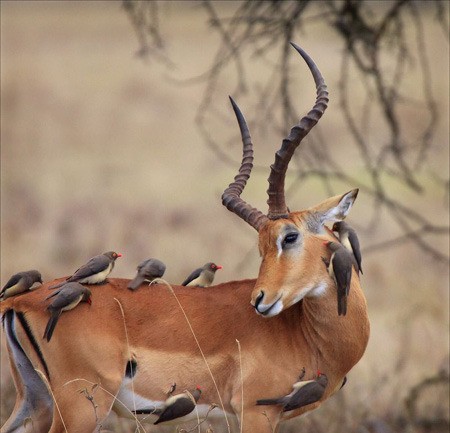
Interspecies symbiosis is the interaction between two different organisms living in close physical association, typically to the advantage of both.
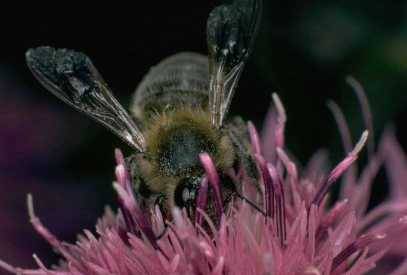
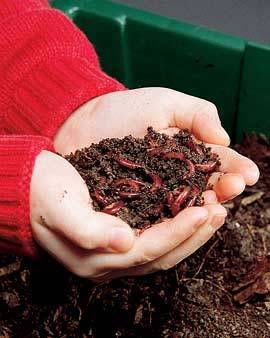
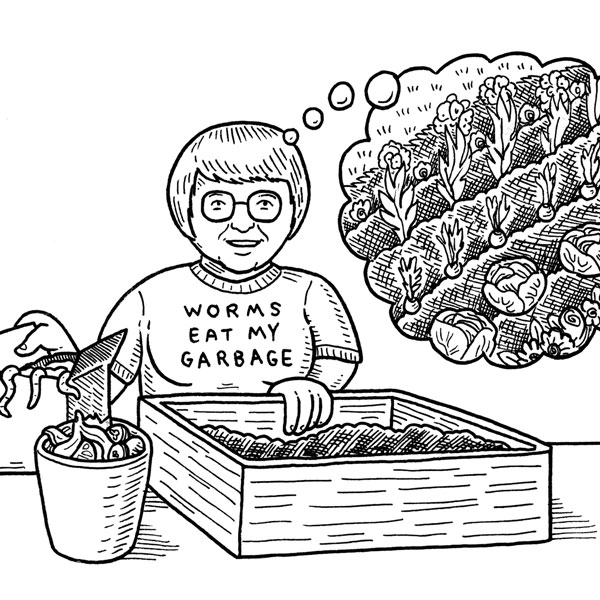
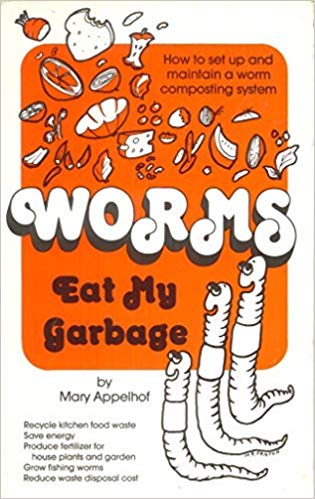
Mary Appelhof's book 'Worms Eat my Garbage' was a wealth of information throughout the process of learning about vermicompost.
Building a traditional vermicompost station allowed us to identify specific care tasks for worms:
We became interested in automating these tasks with computers, to enable users to compost without effort or surprises. Regulating moisture and temperature appeared to be the case tasks most relevant for an early stage proof-of-concept prototype.
The first step in prototyping this idea involved getting our hands on a vermicompost system to get to know its various parts and understand its functioning. We recorded our experiences with video shared with the group on a weekly basis.
This 30 second video shows the weekly care for worms performed by hand.
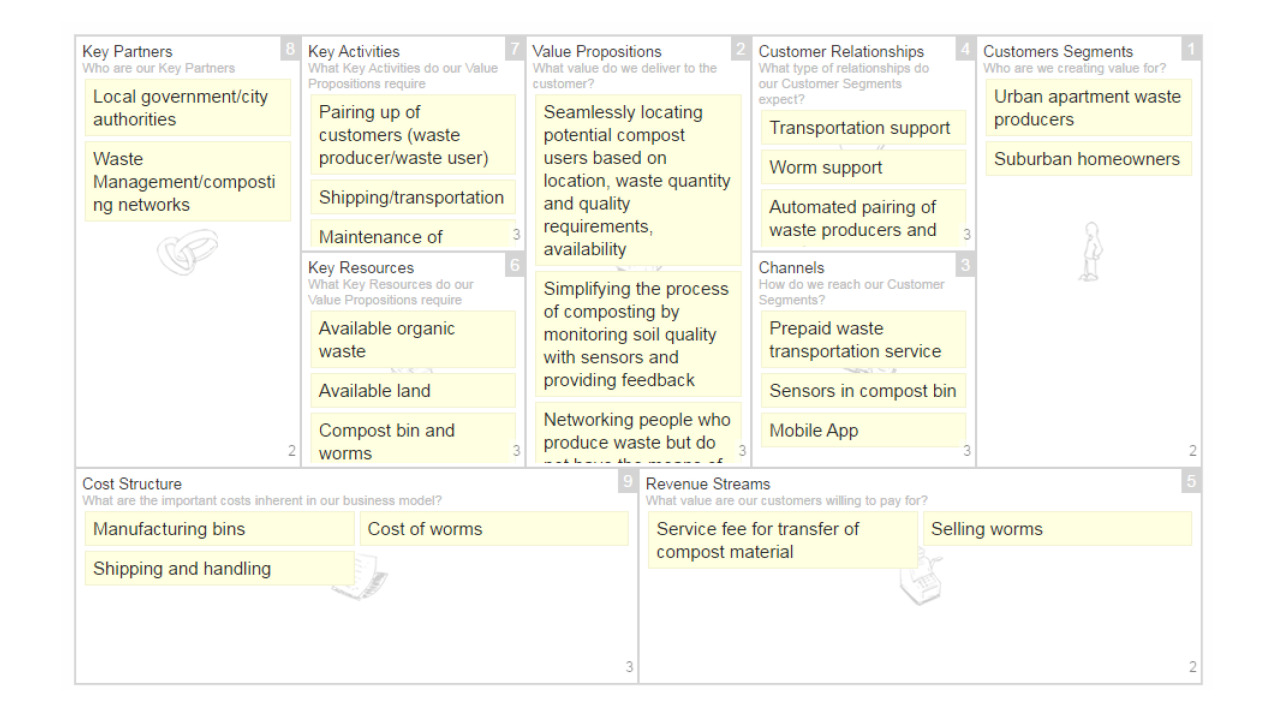
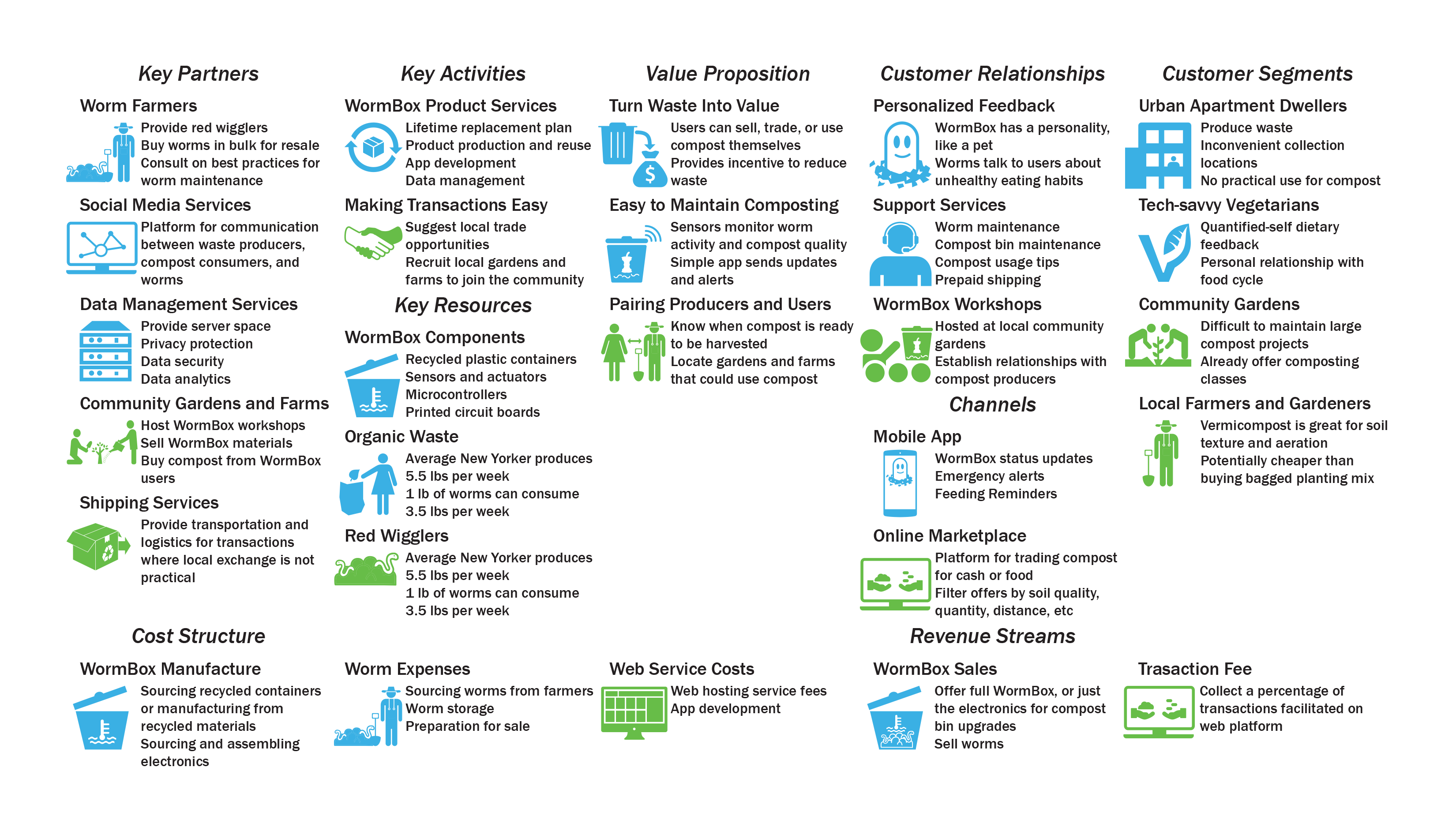
The business model canvas was introduced to Bill and I at an event separate from the seminar community this week. We decided to use this tool to help organize the different parts we envisioned for WormBox. The slides presented below summarized our efforts.
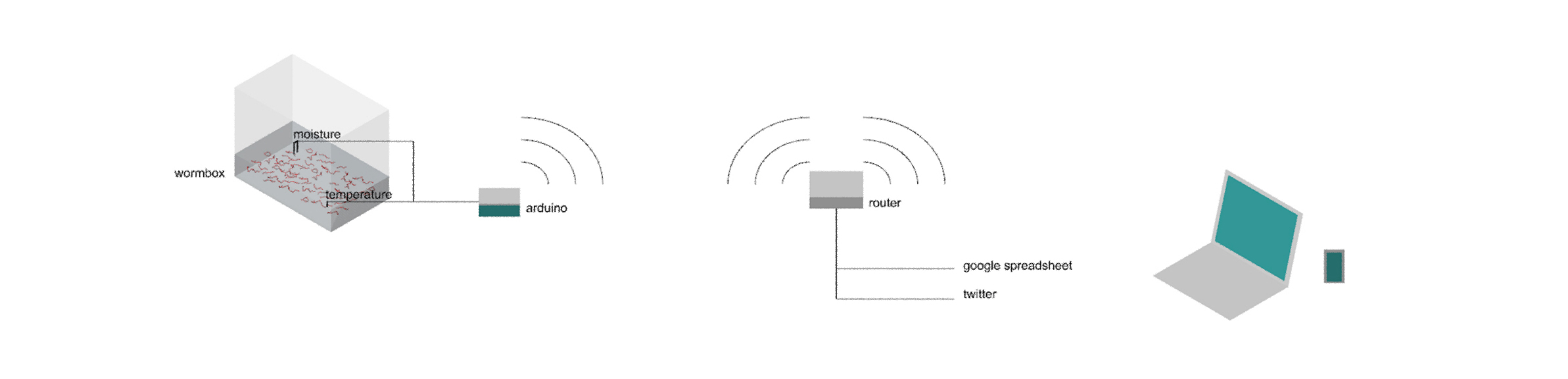
We decided to work with an Arduino kit to set up the systems of sensors and actuators that could enable the WormBox to autonomously regulate its moisture and temperature levels.
This week we described the project through a 400 word text. It is copied below.
How can we make indoor composting less time-consuming, more efficient, rewarding and connected?
New York City produces about 14 million tons of waste annually, according to the Department of Sanitation. Composting is a great way of turning organic waste into valuable fertilizer, but it is a time and resource intensive process, making it difficult for individual residents to get involved. Vermicomposting, or worm composting, is an effective solution for apartment dwellers, requiring less space and producing nutrient-rich compost faster than traditional methods. Still, the process requires enough maintenance and patience to make it a chore for most casual consumers.
What if worm composting were simpler? What if a smart bin monitored the worms’ environment, and provided feedback to the user through an intuitive interface? By utilizing sensors in the worm composting habitat and connecting them to the internet, these living organisms could communicate with their humans, creating a symbiotic relationship. Worms are picky about their living conditions, requiring consistent temperature, moisture, pH, and aeration conditions. Sensors can monitor these conditions and the bin can self-regulate its environment with the aid of automated mechanical devices, making the system autonomous. An application linking sensors to screens can alert humans of harmful conditions and prompt them to take necessary actions. If the worms are not getting enough food, the bin could ask its users to be fed, and thank them once the situation has been stabilized. It could serve to encourage balanced diets for humans as worms prefer fruits and vegetables over meat and dairy.
The smart bin, or fertilizer machine, deals with waste at the source and increases harmless biomass within individual indoor urban environments. It transforms domestic organic waste into compost, useful as a variety of scales. A network of bin users within a city block can combine their harvested compost to generate a sellable resource, generating a financial incentive which trades off for the effort of sorting waste. Connecting the sensor-to-screen loop to the internet, a distributed network of composters produce a database usable to improve efficient functioning of the system.
The fertilizer machine tackles futures of computing and design by harnessing the precision and fine sensitivity of digital technologies to support micro and macro ecosystems by means of autonomous robots as well as visualization informing humans. It creates symbiosis, increases biodiversity, reduces waste and enables the city to give back to the countryside.
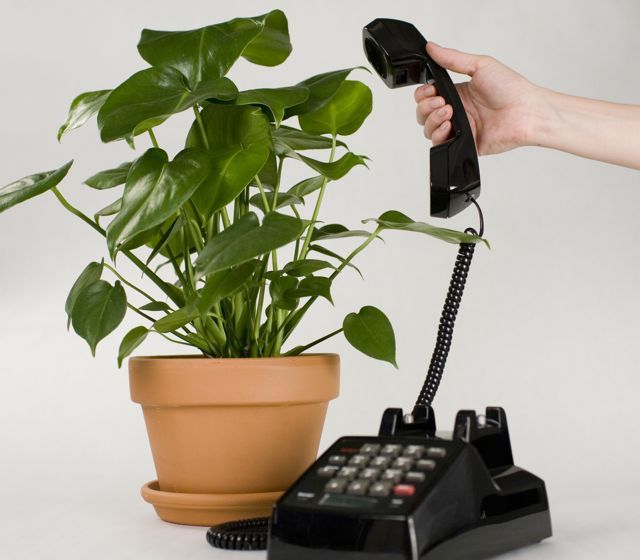
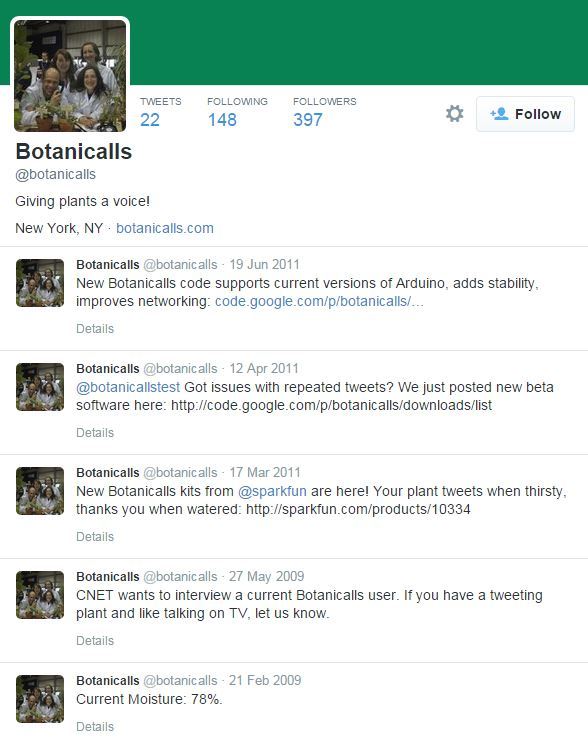
"Botanicalls opens a new channel of communication between plants and humans, in an effort to promote successful inter-species understanding."
"Botanicalls Classic allows plants to place phone calls for human help. When a plant on the Botanicalls Classic network needs water, it can call a person and ask for exactly what it needs. When people phone the plants, the plants orient callers to their botanical characteristics. Call 212.202.8348 to hear more about each of the plants.
[...]
Goals of Botanicalls Classic
1. Keep the plants alive by translating the communication protocols of the plants (leaf habit, color of foliage, droop, etc) to more common human communication protocols (email, voice phone calls, digital visualizations, etc).
2. Enhance people’s connection to plants, and explore the ways plants help humans, how caring for a shared resource can create sense of community, and how natural life is a valuable counterpoint to our technical environment.
3. Maintain a sense of humor at all times."
Composting worms are a well known and efficient food waste processors. They have been used to recycle organic waste in indoor domestic environments for decades. The process requires time consuming maintenance that can be discouraging. Today automated sensors and an internet connection make this system easy and fun. A smart bin facilitates the interaction between human and worm, allowing many people to recycle their organic waste at the source, integrating within the post-industrial lifestyle and facilitating positive social and environmental impact.
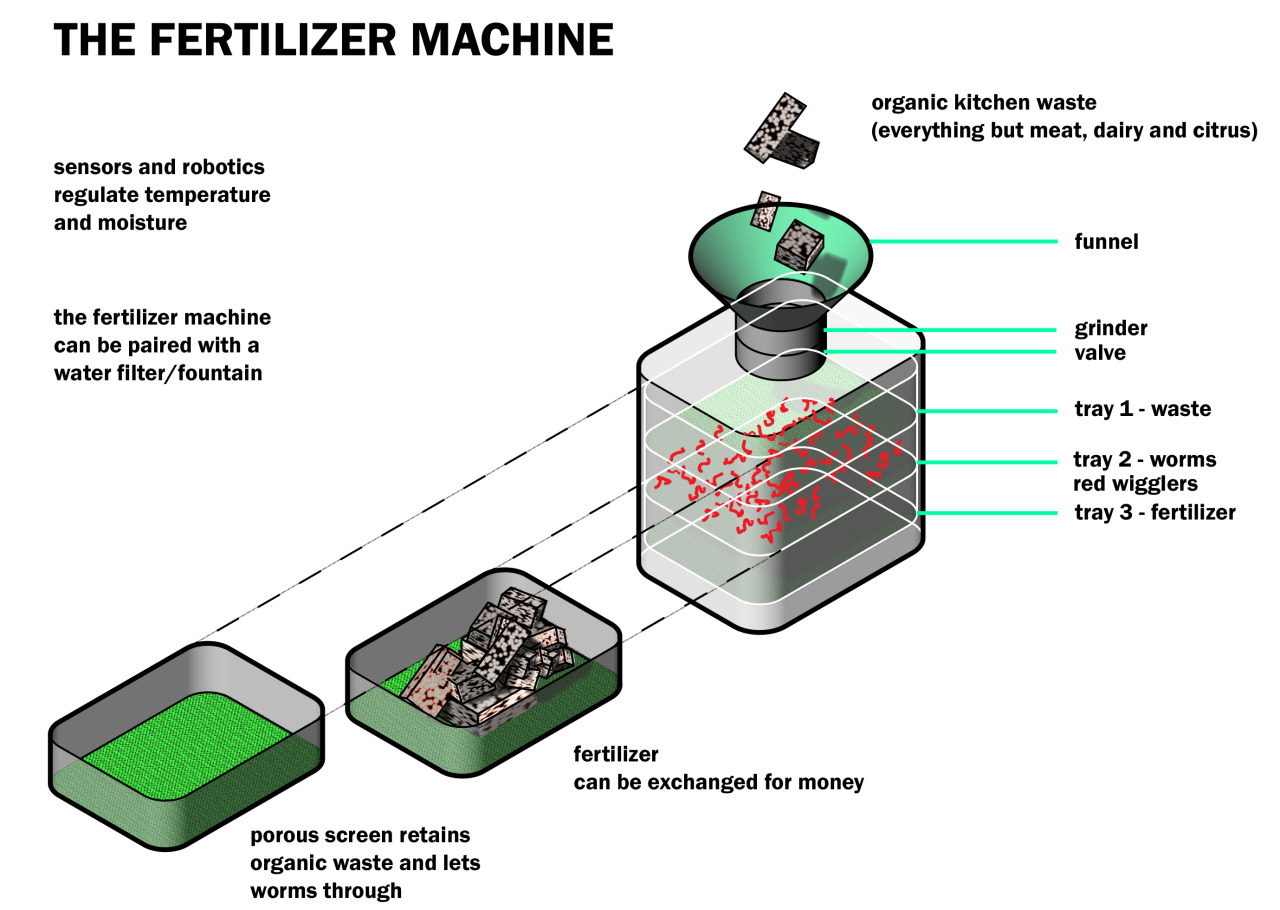
Our goal became to automate maintenance using electronics. We identified the most important maintenance tasks and the most important criteria in maintaining the worm's environment.
MAIN MAINTENANCE TASKS
MAIN CRITERIA
Here are some work notes followed by system diagrams...
Test determining whether compost is ready to be harvested (BAG TEST)
Place a few handfuls of bin content into a sealed jar, plastic bag or ziploc. If, after a few days (three days), it has an unpleasant ammonia-like odor, it needs more time to mature.
Compost can be diluted into water that can then be used into plants.
Tracking ammonium and carbon contents within the bin environment are good ways to detect misbalances.
If temperature inside the worm bin is much higher than temperature outside the worm bin, (the pile heats to over 140F, 60C) the pile needs more aeration (reduce pile size, turn pile).’
The three basic elements of compost are oxygen, temperature and moisture. The smart bin should make a great job of managing these variables. Designed to fit any lifestyle. Thermal and airflow. Makes the system odorless and allows it to be used indoor, year round. 34 millions of food waste thrown in the landfill each year. urban composting project

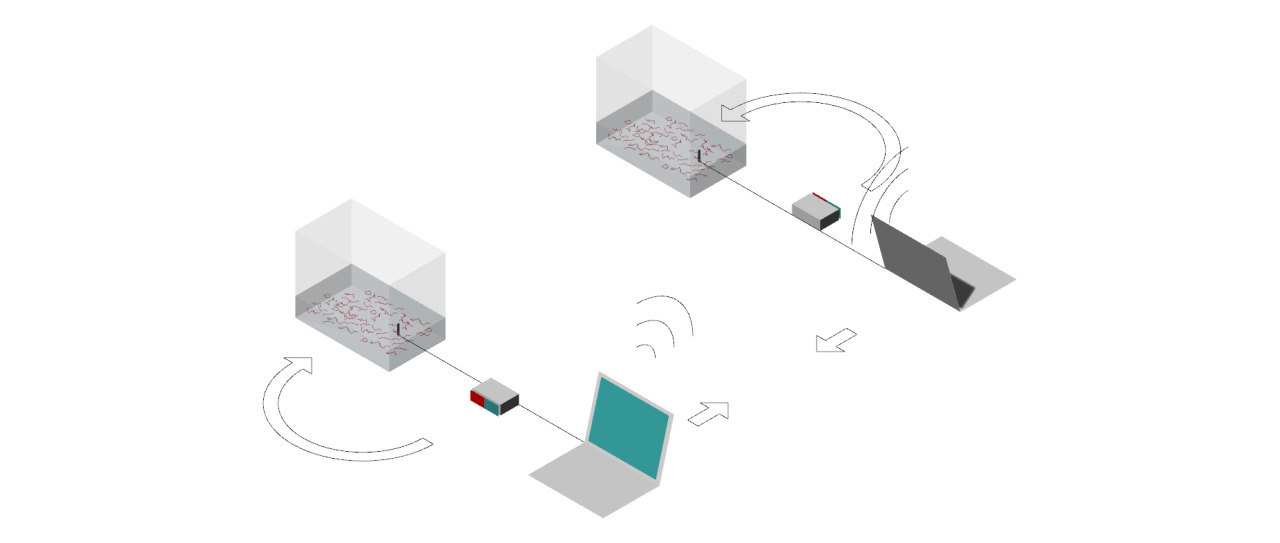
This is our final diagram! Now we can go forward with execution (which will involve lots of troubleshooting).
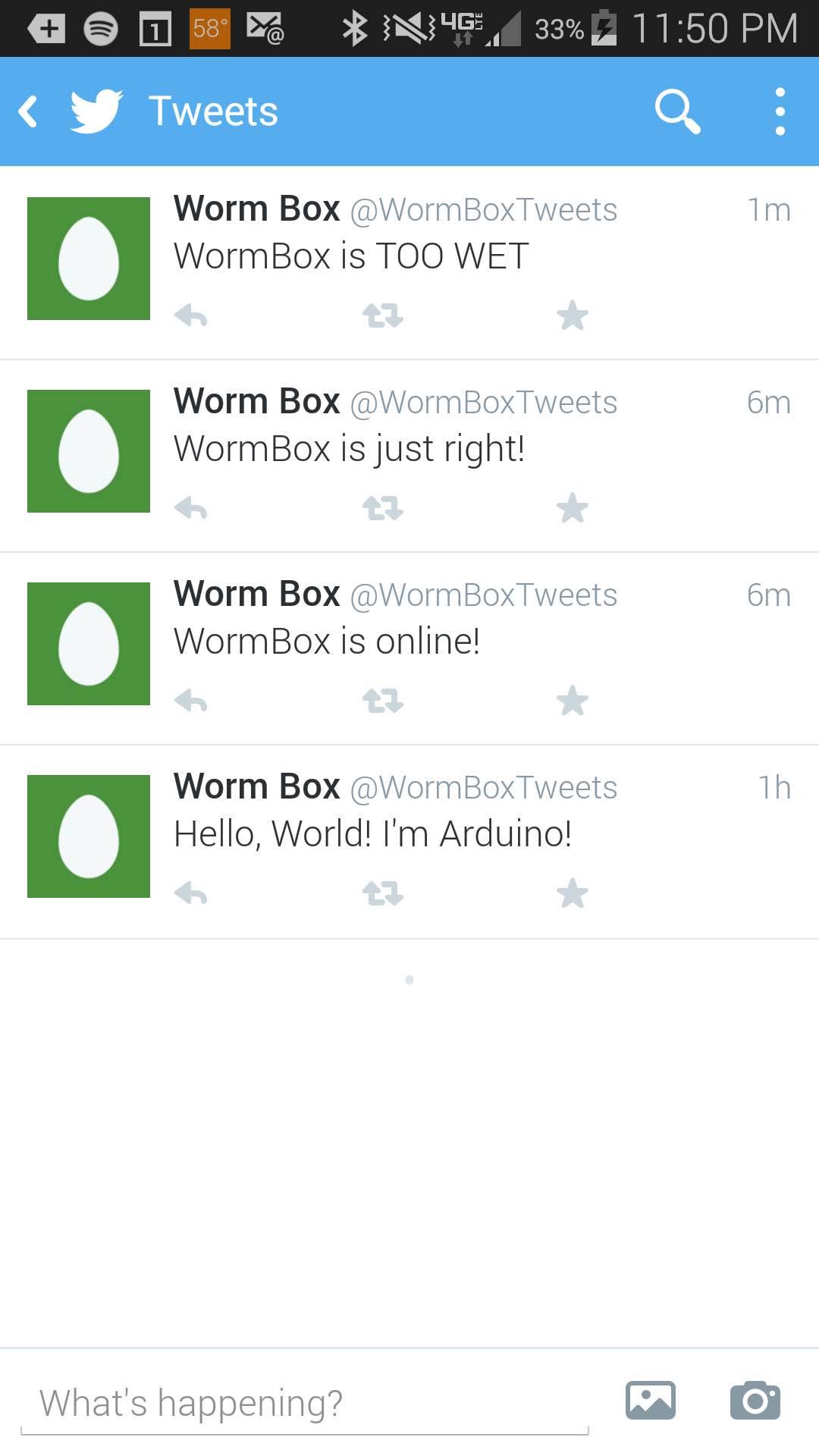
We got the wormbox to tweet about its care needs.
This 6 minute video shows some of the progress, issues we encountered, and troubleshooting methodologies.
This 3 minute video show an overall assessment of the project.
In this 3 minute video shows our process for calibrating the moisture sensor.
Finals are happening! We are working hard on our studio projects, and staying afloat on this one, keeping ourselves and our worms alive for the semester's final review.
It's a busy and very stimulating time.
The reproduction cycle of composting worms is two to three months long. This means that a new generation of worms appears every 60 to 90 days. WormBox serves as an interface between the lifecycle of composting worms, and between the lifecycle of waste in the community in which WormBox is housed. Sensors, actuators, microcomputers, and the WormBox interface all work to sync these two life cycles and allow them to exist in symbiosis.
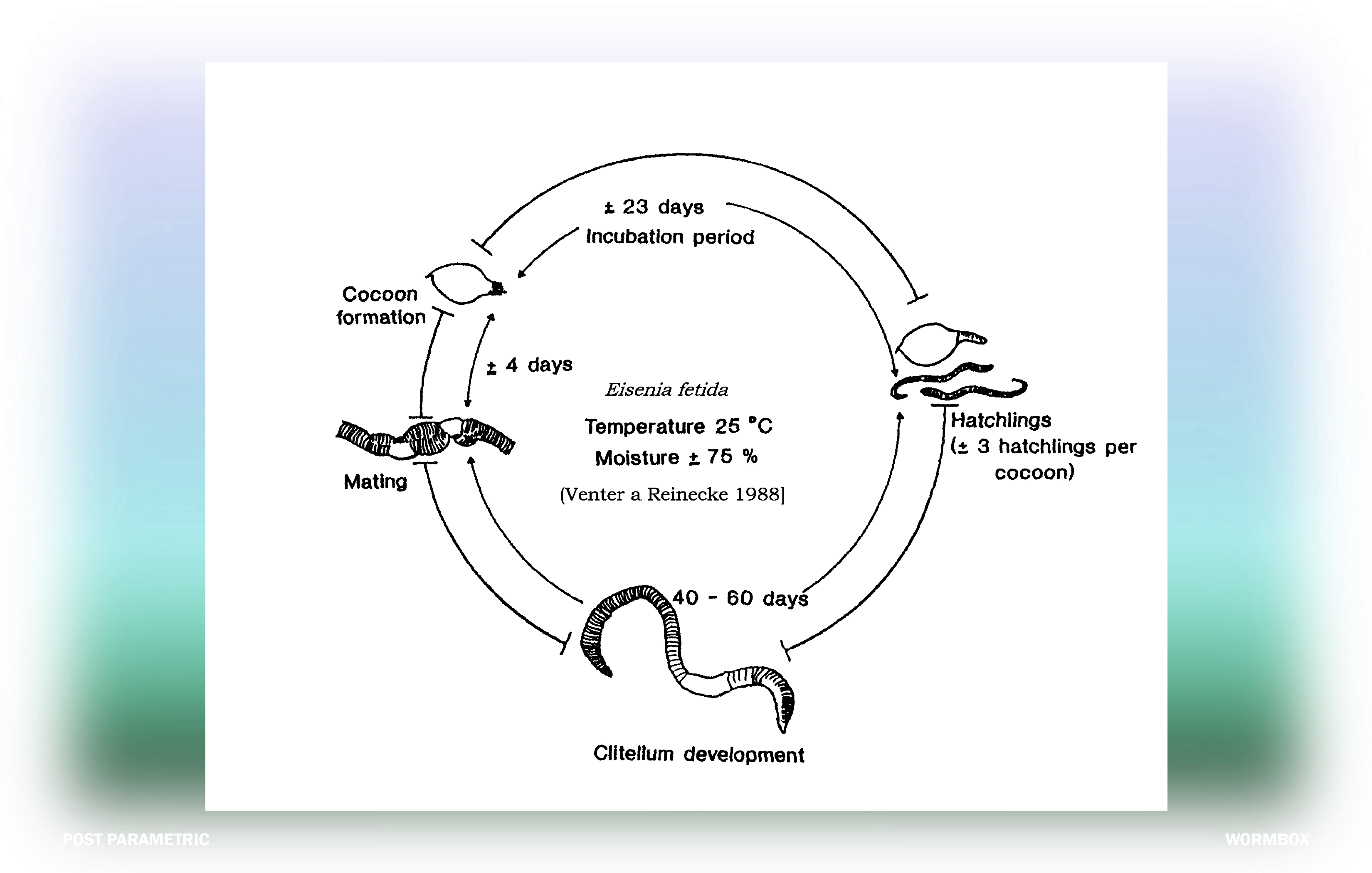
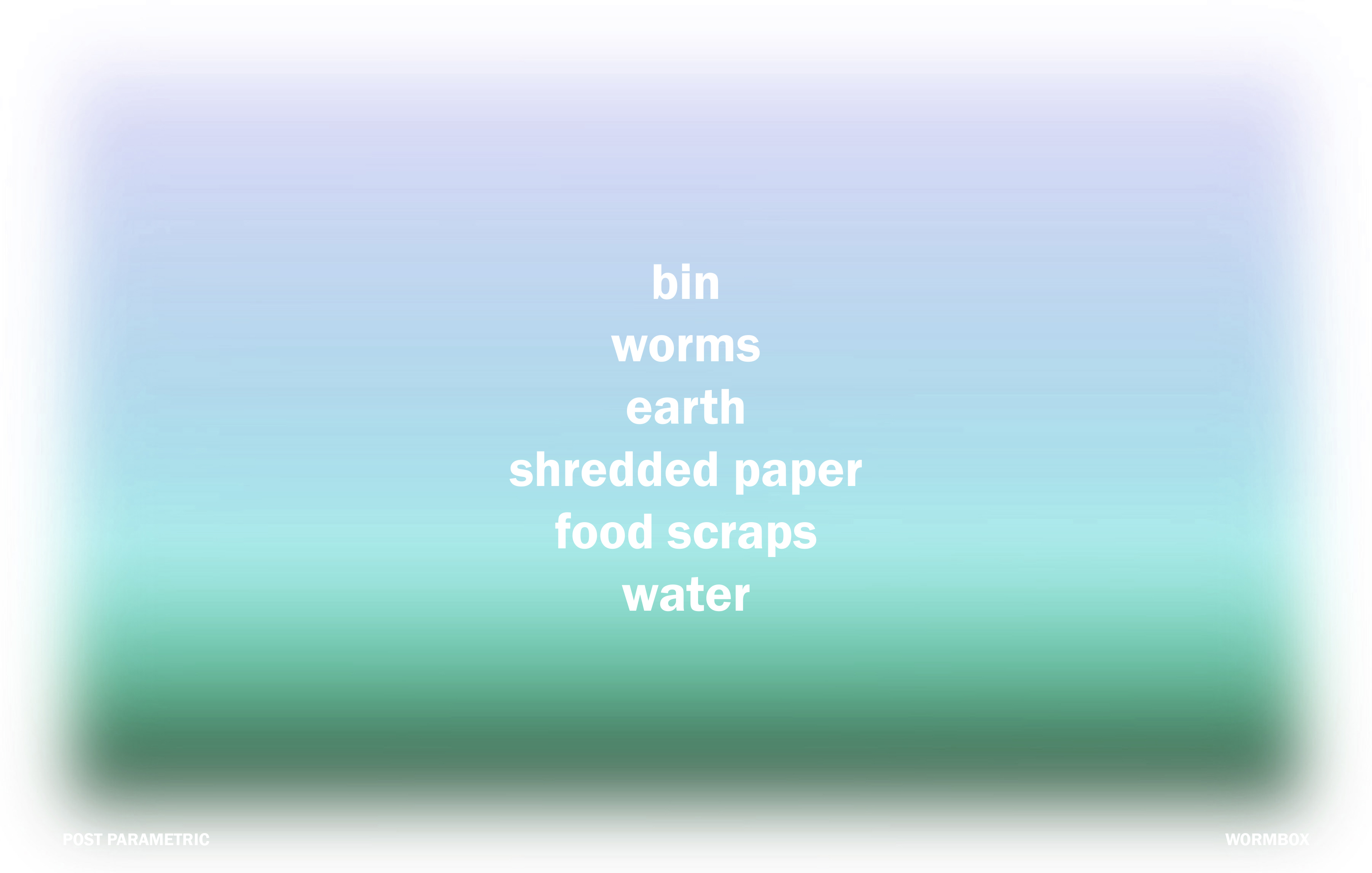
The list below summarizes the basic ecological components of a traditional composting bin.
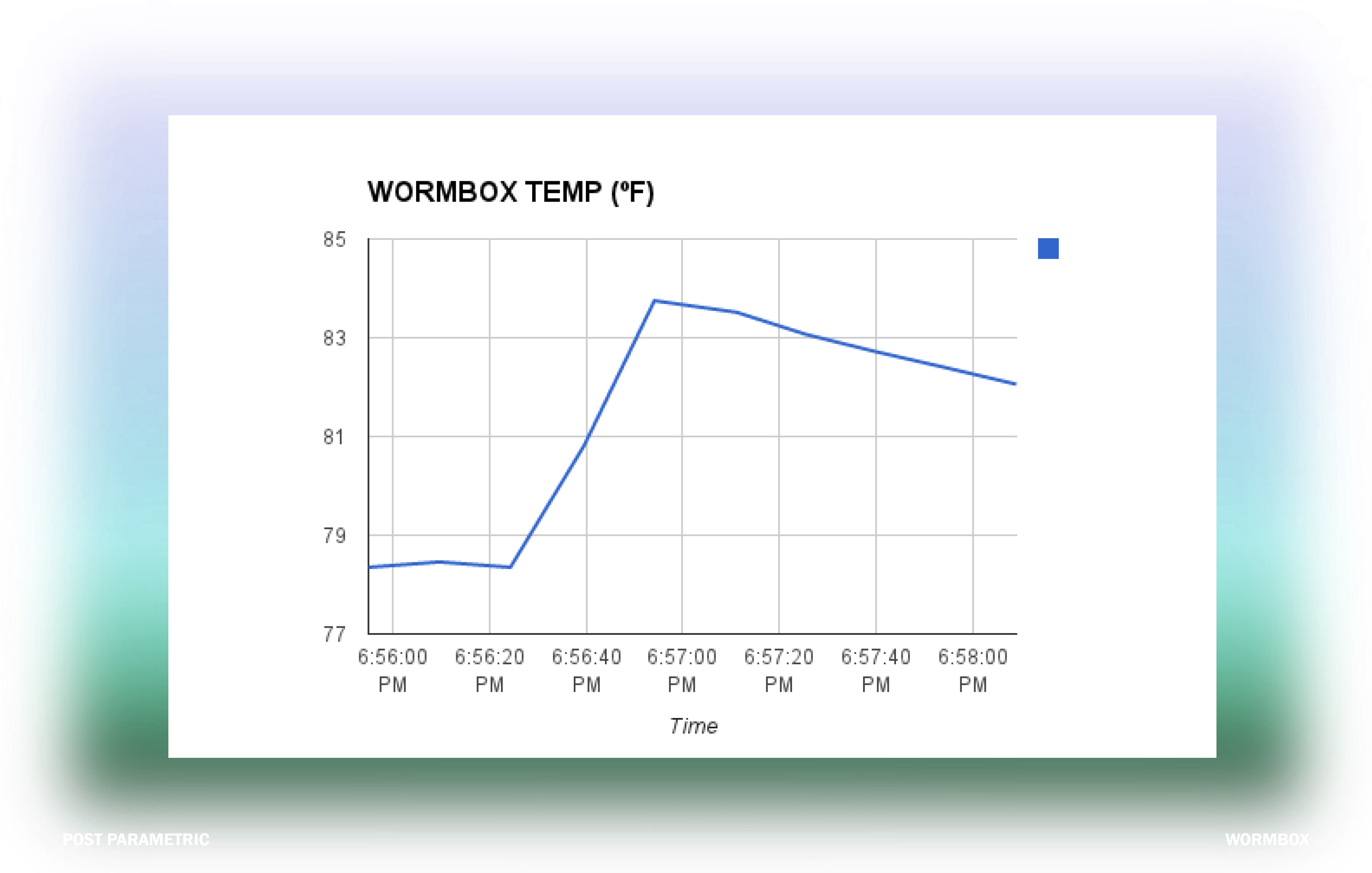
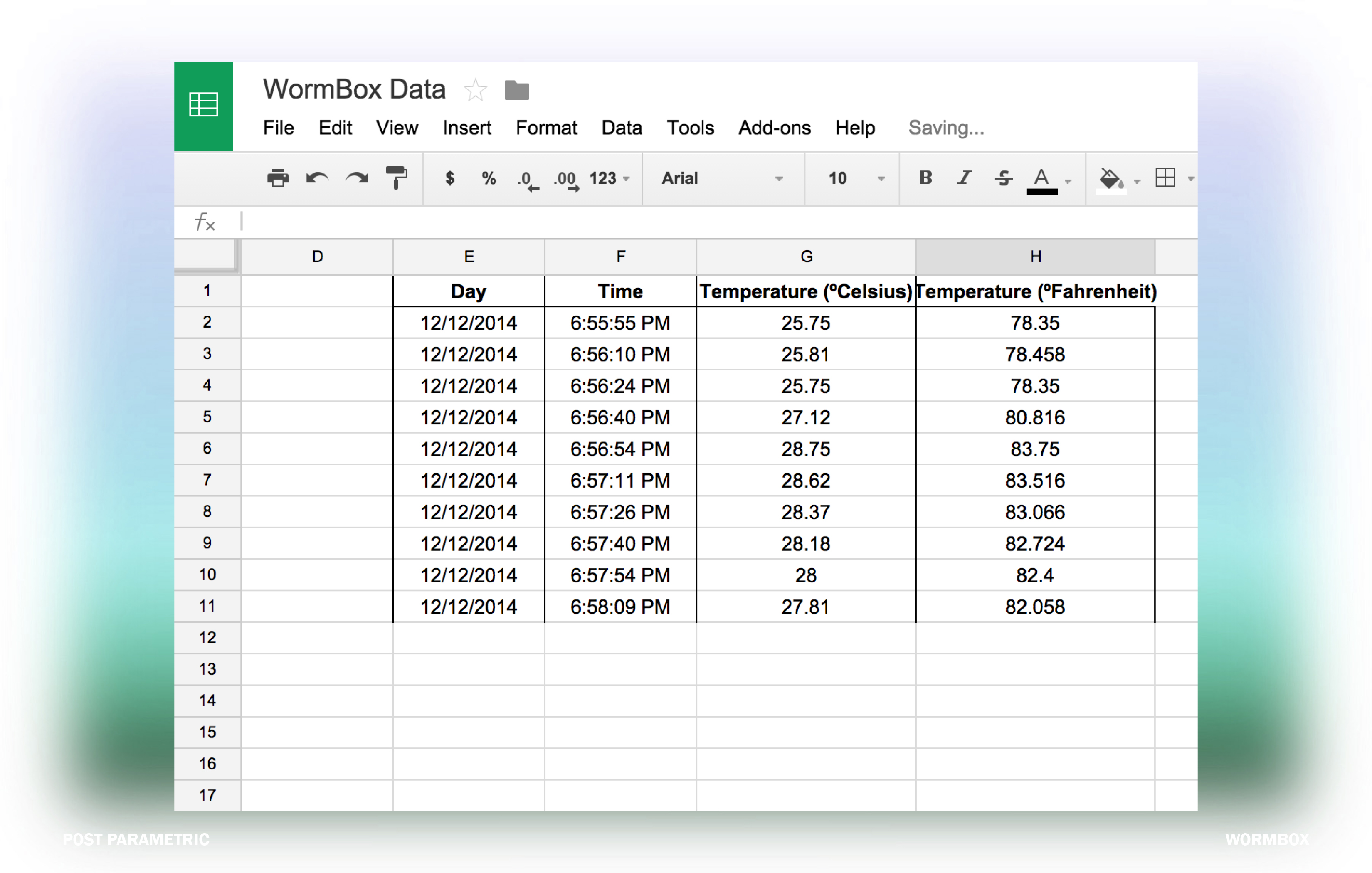
The basic prototype for measuring the temperature in the wormbox.
We used the business canvas to map which parts WormBox could be harnessed towards building a business and accomplish our mission of making compost accessible to many more people. You can discover the detail of our entrepreneurial thinking in the image below.

'Le chêne,' pronounced [leuh-sheh-n' means oak tree in French, my native language.